(UNITED STATES) Traveling on a B1/B2 visitor visa goes smoothly when your story, your passport, and your bags all match a short, lawful visit. Most problems at the port of entry start with avoidable packing choices, missing basics in carry-on, or items that trigger extra questions.
This guide walks through the trip as a process, from pre-packing to inspection, with clear actions and realistic timeframes. It focuses on what U.S. Customs and Border Protection (CBP) and the Transportation Security Administration (TSA) care about most: identity, purpose, and safety.
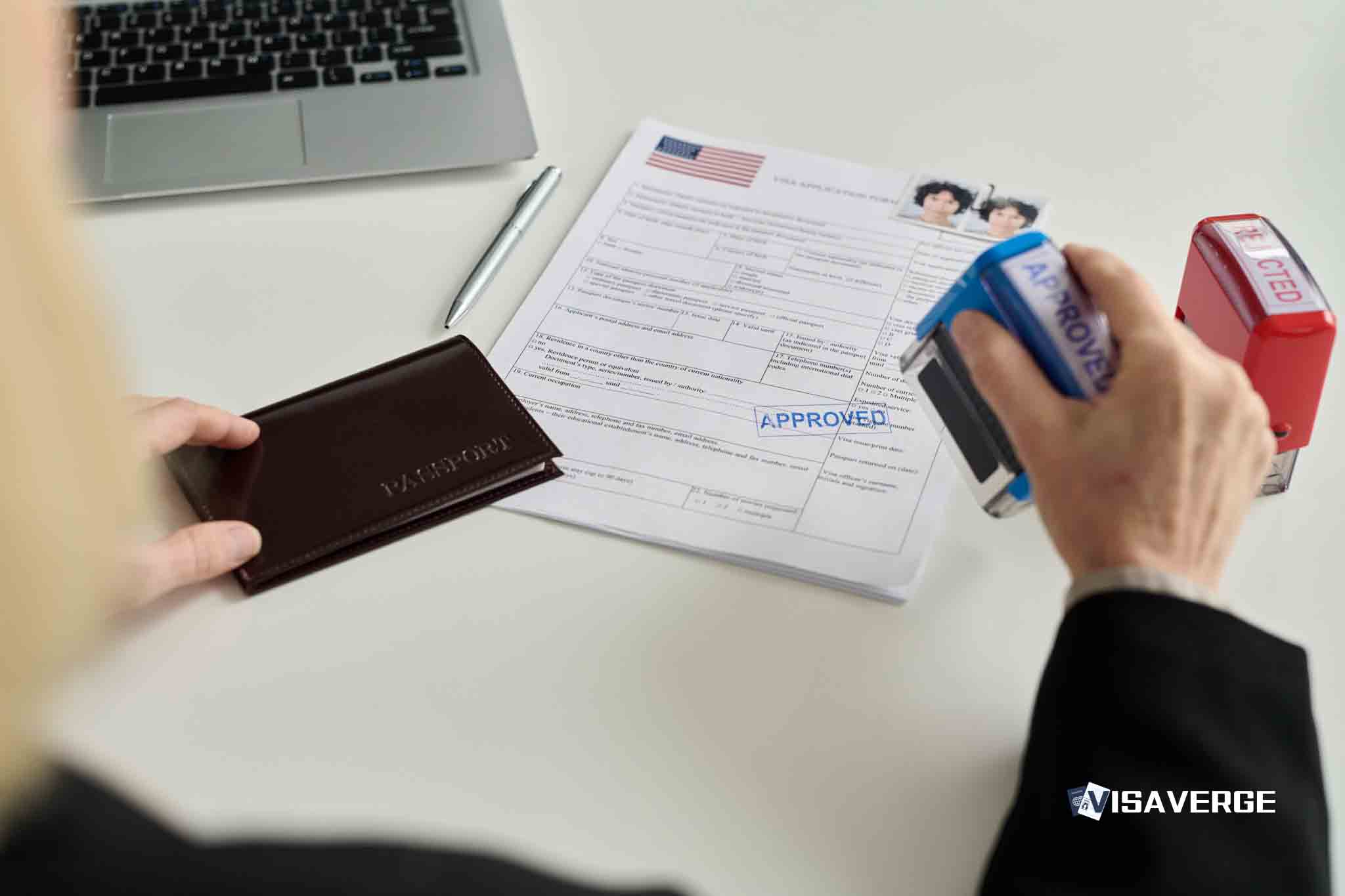
72–24 hours before departure: set your “entry file” for carry-on
Plan to assemble your travel documents 2–3 days before your flight. Do it early so you don’t panic-pack papers that create the wrong impression.
Free toolB1/B2 Tourist Visa Stay Calculator online
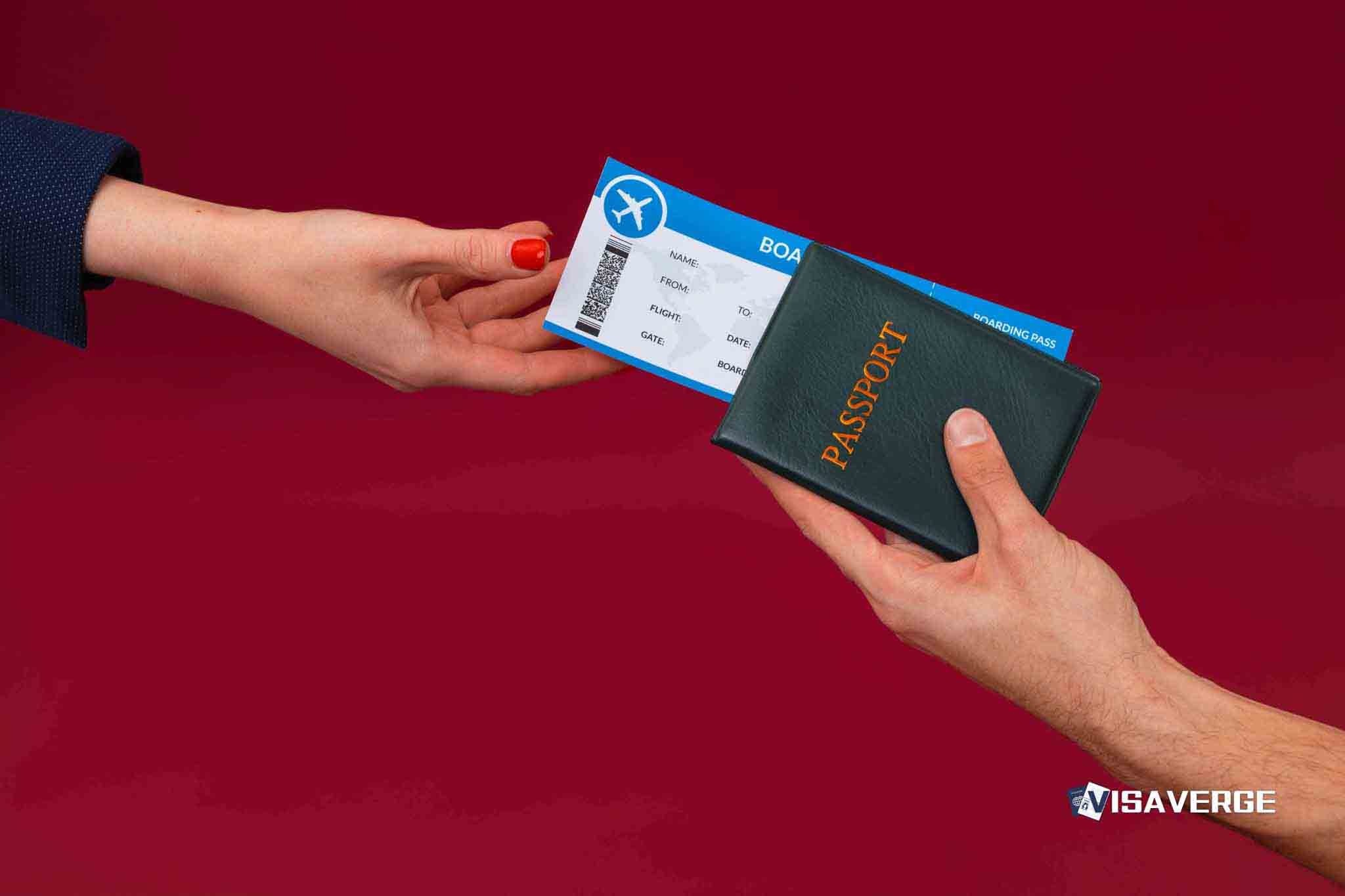
Keep these items on your person or in your carry-on, because cbp inspects you before you collect checked bags:
- Passport valid for at least 6 months beyond your intended date of entry
- Your valid B1/B2 visitor visa in that passport (unless you are visa-exempt, such as most Canadians and Bermudians)
- Return or onward ticket that shows you plan to leave the United States ??
- Hotel booking or your host’s address and phone number
- A simple itinerary that matches what you tell the officer
- Emergency contacts in your home country and in the United States ??
- Light financial proof, such as 1–2 credit cards and a recent bank statement printout or app screenshots
- Travel or visitor medical insurance details, if you carry a policy
cbp officers commonly ask four questions in plain language: why you came, how long you’ll stay, where you’ll sleep, and how you’ll pay. Having clean, simple documents lets you answer without digging through your phone.
A note on passport validity and credibility
A passport that meets the validity rule helps avoid delays. Just as important, your paperwork should look like a visit, not a move. Carry enough to answer routine questions, then stop.
24 hours before departure: choose what not to carry
Many travelers think thick files prove “ties to home.” In practice, bulky originals can look like you are preparing to live in the United States ?? and file for immigration benefits inside the country.
An immigration law firm warns that visitors sometimes arrive with “all of their financial documents, property documents, biographic documents such as birth certificate, marriage certificate, educational documents.” The firm says CBP may read this as immigrant intent, risking cancellation and a return flight.
Unless you have a specific, truthful, immediate need on this exact trip, avoid carrying:
- Original property ownership papers (land, flat, house)
- Large sets of original financial records (full tax files, fixed-deposit files, valuations)
- Original educational certificates and mark sheets not tied to your stated purpose
- Original birth or marriage certificates unless you genuinely need them on this trip
If you need a record for planning or peace of mind, carry a small, relevant copy set, not a suitcase archive. Keep your story simple: a temporary visit, with a clear reason to return home.
Electronics: assume they can be reviewed
CBP can search mobile phones and other devices for messages or documents that suggest plans to work without authorization or stay long-term. Don’t travel with fake letters, misleading chats, or files that clash with a tourism or business visit.
Packing day: CBP baggage rules and high-risk items
Set aside 30–60 minutes to review anything that could create trouble at the border. CBP can fine you, seize goods, send you to secondary inspection, or refuse admission when items break rules.
Food, plants, and animal products: the fastest way to secondary
A U.S. university international office puts it bluntly: “It is illegal to carry restricted food items or other prohibited agricultural or animal products into the U.S. You can be fined, detained, or denied entry.” Even “apples, oranges, or a meat sandwich” can be restricted.
Best practice for a B1/B2 visitor visa trip:
- Don’t pack fresh fruits, vegetables, meat, homemade pickles, fresh dairy, seeds, plants, or soil.
- If you bring dry snacks, keep them commercially packaged, sealed, and labeled, then declare them.
- Expect inspection or surrender. Declaring helps, hiding hurts.
Absolutely avoid bringing, unless you already have required permits and a clear reason:
- Seeds, plant cuttings, soil, or live animals, birds, or insects
Cash: legal to carry, but declare over $10,000
You can bring any amount of money into the United States ??. The rule that bites travelers is the declaration rule.
- If you or your family group carries more than USD 10,000 in total, you must declare it.
- You declare on CBP Declaration Form 6059B and may complete FinCEN Form 105 in secondary inspection.
Use the official forms here:
– CBP Declaration Form 6059B
– FinCEN Form 105 (Report of International Transportation of Currency or Monetary Instruments)
“Monetary instruments” include cash, traveler’s checks, bearer bonds, and certain endorsed checks or money orders. Non-declaration can lead to seizure and serious legal problems even when funds are lawful.
TSA screening: what stays with you, what gets checked
TSA controls what can go on the aircraft. CBP controls entry at the border. You must meet both sets of rules.
In the 2–3 hours before your flight, TSA issues often come from common packing mistakes:
- Cabin liquids must be in containers up to 100 ml (3.4 oz) each, in one transparent 1-quart / 1-liter bag.
- Sharp items often belong in checked luggage, if allowed by your airline.
- Power banks and most lithium batteries belong in carry-on, not checked luggage.
- Aerosols, flammables, and certain chemicals may be restricted or banned.
For items you’re unsure about, check the TSA tool before you pack: TSA “What Can I Bring?”.
Arrival day: primary inspection at the port of entry
After landing, you reach the port of entry inspection area. Primary inspection often lasts 1–5 minutes, but it can be longer when lines are heavy or answers don’t match.
Expect questions like:
- Why are you here on a B1/B2 visitor visa?
- How long will you stay?
- Where will you stay?
- What do you do for work at home?
- How will you pay for the trip?
Keep answers short, true, and consistent with your documents. If you say tourism, don’t describe work tasks. If you say business, describe meetings, conferences, negotiations, or short training that fits B-1.
Know the limits of B-1 and B-2
- B-1 supports business activities like meetings and conferences.
- B-2 supports tourism, visiting family, social visits, and certain medical treatment.
- On a B1/B2 visa, you cannot work in the United States ?? or start a full-time course that requires an F-1 or M-1 visa.
CBP decides how long you can stay and records it on your I-94. Regardless of the visa’s printed validity, a visitor can usually stay a maximum of 6 months / 180 days or the period authorized on the I-94.
Secondary inspection: what happens if CBP needs more time
Secondary inspection is not a punishment. It’s a longer review, often 30 minutes to several hours, where officers verify details.
You may be asked to:
- Confirm your itinerary and return ticket
- Show where you will stay
- Explain your job and ties at home
- Show financial ability in a simple way
- Unlock a phone or device for review, if requested
Stay calm and keep your explanation consistent. Packed thick files of deeds and certificates increase the likelihood of secondary because the luggage itself signals long-term plans.
According to analysis by VisaVerge.com, many avoidable refusals at the airport trace back to mixed signals: visitors describe “temporary travel,” but carry household-level paperwork, resume files, or messages about work.
After admission: protect your status during the visit
Your job isn’t finished once you clear the port of entry. The rest of the trip must match the status you asked for.
Practical rules that keep visitors safe:
- Do not accept paid work, including informal gigs.
- Do not overstay the I-94 “admit until” date.
- Keep copies of your return booking and lodging info accessible.
- If plans change, keep proof of why, and leave on time.
Overstays and unauthorized work can cause visa cancellation, future denials, and trouble on your next entry.
Key takeaway: match your documents, statements, and luggage to a short, temporary visit. Mixed signals create risk.
? Declare cash or monetary instruments over 10,000 USD using Form 6059B and FinCEN Form 105 if required. Non-declaration can lead to seizure and serious legal consequences even for lawful funds.
A simple packing plan that fits most B1/B2 trips
Use this as a final checklist the night before departure.
Carry-on (do not check):
– Passport and B1/B2 visitor visa
– Return/onward ticket and itinerary
– Hotel details or host address and phone number
– Emergency contacts
– Light financial proof and credit cards
– Insurance details, if any
– Prescription medicines in original labeled packaging, plus a doctor’s note for controlled drugs
Checked luggage (if TSA and airline allow):
– Clothing and personal items
– Toiletries that exceed cabin liquid limits
– Factory-sealed dry snacks only if you will declare them
Leave at home (or carry minimal copies with a clear reason):
– Thick files of property deeds, full tax records, and unrelated certificates
– Any document or message that suggests unauthorized work or permanent plans
This guide outlines essential steps for B1/B2 visa holders entering the U.S. It emphasizes preparing a document-heavy carry-on while avoiding bulky original records like property deeds that signal permanent stay. Key compliance areas include declaring currency over $10,000 and avoiding restricted agricultural products. By matching luggage and statements to a temporary visit, travelers minimize risks during primary and secondary inspections.