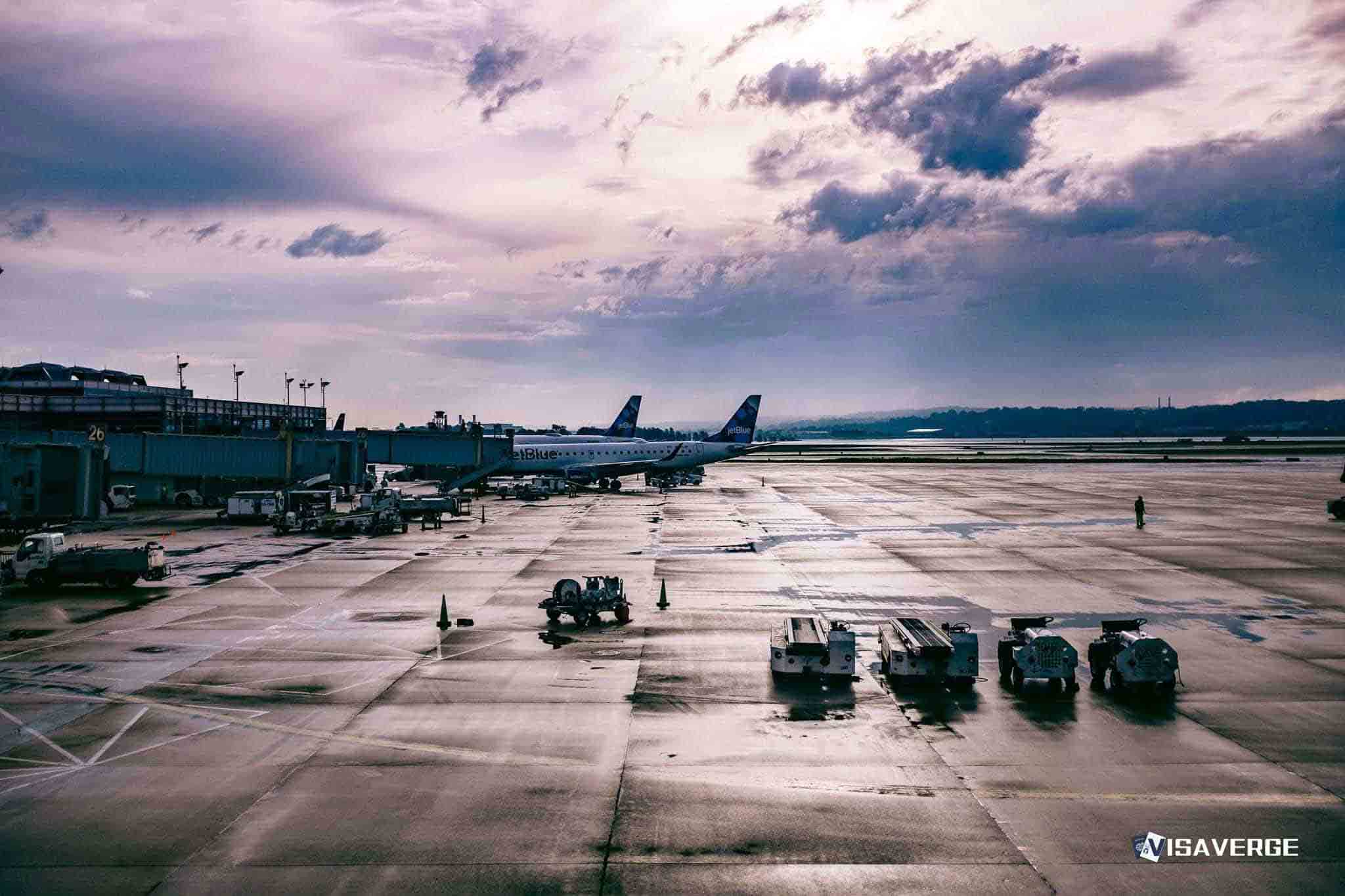
(DULLES, VIRGINIA) An engine failure forced United Airlines Flight 803—a Boeing 777-200 headed to Tokyo—to turn back shortly after taking off from Dulles International Airport on Saturday, December 13, 2025, landing safely around 1:20 p.m. with no injuries reported among the 275 passengers and 15 crew members, according to the Federal Aviation Administration and the airline.
The FAA said the aircraft “lost power in one engine during departure,” prompting the crew to return to the Washington Dulles International Airport in the D.C. area. The agency said it will investigate what caused the failure, a standard step after incidents that affect an aircraft’s systems and lead to an unscheduled landing. The FAA’s public updates on aviation incidents and safety oversight are posted through the agency’s official site at the Federal Aviation Administration.
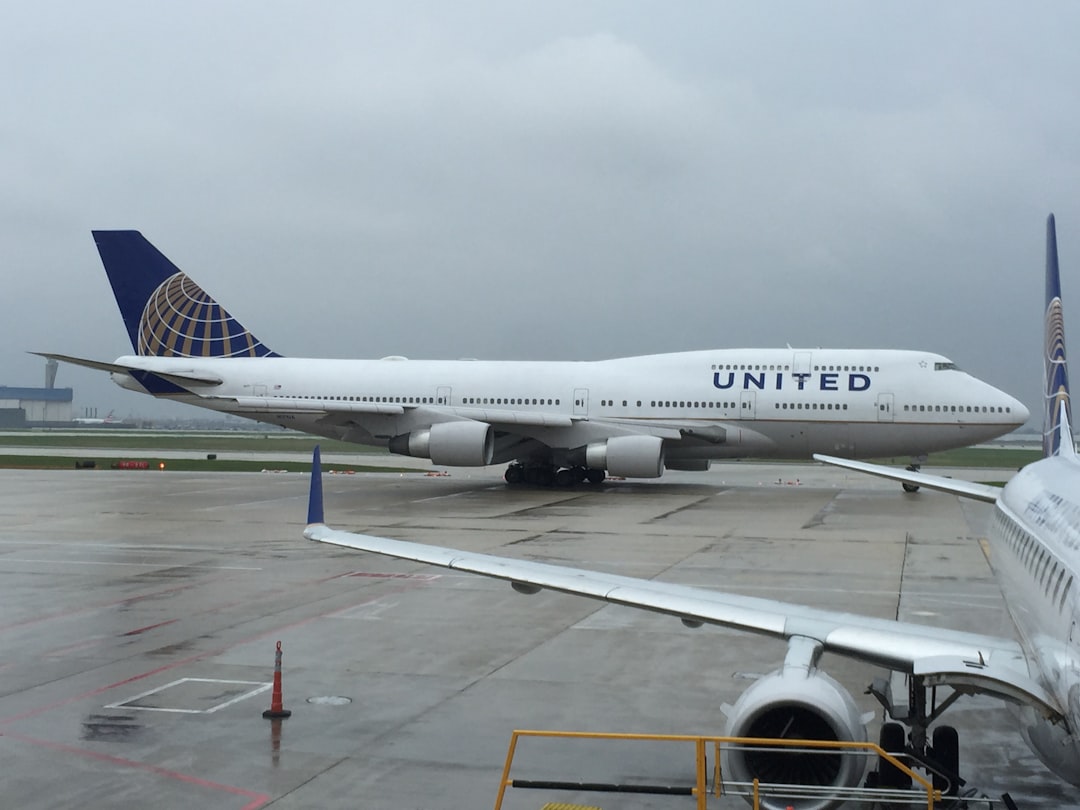
What happened during departure
Transportation Secretary Sean Duffy confirmed that a piece of the engine cover separated at about 12:20 p.m. A spokesperson for Dulles Airport also confirmed the sequence of events: the detached piece caught fire and sparked a brush fire near the runway. Airport fire crews, along with Loudoun County Fire and Rescue, put out the brush fire quickly, officials said.
The aircraft itself returned and landed without further incident, and officials said there were no reported injuries. United said the passengers and crew were able to deplane normally after the return to Dulles.
Immediate airline response
- United Airlines temporarily closed a United Club lounge at Dulles to help accommodate travelers affected by the disruption.
- The lounge closure allowed staff and space to be redirected toward rebooking and customer support as passengers worked through new plans.
- United said it planned to resume the flight to Tokyo later that Saturday using a different aircraft.
Key flight and passenger details
| Item | Details |
|---|---|
| Flight | United Airlines Flight 803 |
| Aircraft | Boeing 777-200 |
| Origin | Dulles International Airport |
| Destination | Tokyo |
| Date | Saturday, December 13, 2025 |
| Time of cover separation | ~12:20 p.m. |
| Landing time | ~1:20 p.m. |
| Passengers | 275 |
| Crew | 15 |
| Injuries | None reported |
Safety and operational response
The FAA’s description—that the aircraft lost power in one engine during departure—reflects a scenario pilots train for. Crews follow established procedures to:
- Stabilize the aircraft
- Communicate with air traffic control
- Return to a suitable airport
Dulles offered advantages in this case: familiar runways, on-site maintenance resources, and airline staff able to assist passengers once the plane was back on the ground.
Because the separated engine cover piece ignited a brush fire near the runway, response included both airfield crews and local firefighters. Those layers of response are designed to keep passengers safe and to restore airport operations once the incident is contained.
Important: Any fire on or near an active airfield is treated with urgency because it can affect runway operations and safety buffers.
Passenger impacts and broader consequences
The sudden turnaround came on a day when many travelers were expecting a routine long-haul departure from the United States 🇺🇸 capital region to one of Asia’s busiest hubs. For many on international itineraries, a delay of several hours can be more than an inconvenience—it can disrupt:
- Connecting flights
- Hotel reservations
- Time-sensitive commitments (e.g., business meetings, family events, immigration-related appointments)
Airlines regularly manage cancellations and extended delays, but an engine failure is distinct: it can trigger runway responses, fire dispatch, and federal review, adding complexity and time to the disruption.
Special risks for international travelers
Disruptions like this can especially affect travelers with time-sensitive or document-dependent itineraries:
- Passports with visas, residency permits, or time-limited entry stamps may create pressure to arrive on schedule.
- Missed arrivals can mean missed onward connections or obligations tied to immigration status.
- Rerouting through a different country may require documents that were not needed for the original itinerary.
According to analysis by VisaVerge.com, travel disruptions can set off a chain reaction: new tickets, new routes, and new border crossings that were never part of the plan. That is why airlines’ on-the-ground support—such as United’s decision to close a lounge to handle rebooking—can be critical, even when the immediate safety outcome is positive.
Next steps: investigation and passenger logistics
For federal regulators, the next steps will center on determining exactly what happened to the aircraft’s engine system and the engine cover piece that separated. The FAA said it would investigate the cause of the engine failure, and further updates are expected as that work continues.
For passengers, immediate concerns include:
- Getting to Tokyo as soon as possible
- Confirming whether checked bags will transfer to the replacement aircraft
- Verifying that new arrival times still match onward plans
Dulles officials and local responders will likely review their own response timelines alongside the FAA process. Officials noted the brush fire near the runway was extinguished quickly, but that any airfield fire requires urgent attention.
Final note
By late afternoon, the visible emergency had passed, but the incident left behind the kind of day frequent international travelers know well: one unexpected mechanical problem can turn a straightforward trip into hours of waiting, rebooking, and watching for official updates—starting with an engine failure and ending with a race to get moving again from Dulles International Airport.
United Airlines Flight 803, a Boeing 777-200 bound for Tokyo, returned to Dulles after losing power in one engine. A separated piece of the engine cover ignited a small brush fire near the runway that crews extinguished quickly. All 275 passengers and 15 crew members disembarked without injuries. The FAA will investigate the engine failure, while United provided on-site rebooking support and planned to continue the trip later with a replacement aircraft.
Live Government Data
State Dept • CBPBusiest Border Crossings
- Calexico 180 min
- San Ysidro 175 min
- Nogales 135 min