- Delta flight DL121 diverted to Anchorage after an unruly passenger allegedly assaulted crew members.
- Travelers face significant logistical fallout including missed connections and crew duty-time limit interruptions.
- Choosing between Delta and Emirates depends on rebooking reach and destination during major flight disruptions.
(ANCHORAGE, ALASKA) — Delta Air Lines flight DL121 made an emergency landing in Anchorage, Alaska after an unruly passenger allegedly assaulted crew members, a reminder that your long-haul trip can change fast—and that your airline choice matters most when things go wrong.
For most travelers, the headline isn’t the drama onboard. It’s the practical fallout: missed connections, crew duty-time limits, overnight delays, and the scramble to protect your plans (and your wallet).
If you’re flying long-haul this winter—especially on itineraries that connect onward to places like Dubai and the UAE—this incident is a useful case study in what diversions look like, and how different carriers typically handle the messy “day-of” support.
Delta vs. Emirates when your trip goes sideways: quick recommendation
Below, I’m comparing Delta versus Emirates through the lens that matters in real life: irregular operations. This isn’t a cabin review. It’s about how each airline tends to perform when a flight diverts, delays, or cancels—and what that means for your cash, your points, and your schedule.
If you’re booking a long-haul itinerary where a delay could domino into missed connections, choose the airline that keeps your trip on one ticket and has the best rebooking reach for your route.
- Choose Delta if you’re connecting within the U.S. after Asia. Delta’s domestic network can be a lifesaver when you need a same-day reroute.
- Choose Emirates if your trip is Dubai-centric and you want a single-carrier path into the UAE. Fewer interline handoffs can mean fewer baggage and ticketing headaches.
Both can get you there in comfort on a good day. The difference shows up when a diversion forces everyone into Plan B.
Side-by-side: what matters during diversions and major delays
| Category | Delta Air Lines (example: DL121 diversion) | Emirates |
|---|---|---|
| Core strength in a meltdown | U.S. rebooking options and partner coverage inside North America | Dubai hub connectivity and strong long-haul recovery options via DXB |
| Best if you’re headed to… | The U.S. (or onward on U.S. domestic connections) | Dubai/UAE (or onward via DXB to MENA, India, Africa) |
| Typical rebooking reach | Strong within the U.S.; can reroute via multiple U.S. gateways | Strong via DXB; fewer alternatives if you must reposition within the U.S. |
| Loyalty angle (earning) | SkyMiles earns on paid tickets; elite perks can help on rebooking priority | Skywards earns on paid tickets; tier perks help with priority services |
| Award ticket recovery | Often protected, but availability can be tight on peak days | Often protected; DXB routings can add backtracking but keep one carrier |
| Where problems snowball | Tight international-to-domestic connections, crew legality limits | Limited non-DXB reroute options if DXB bank is disrupted |
| Who usually “wins” on day-of control | The airline with the most seats to re-accommodate you on the same day | The airline that can keep your journey on one carrier to the UAE |
Incident overview: what happened on Delta Flight DL121
Here’s what’s been reported so far. Delta Air Lines flight DL121 diverted and made an emergency landing in Anchorage, Alaska. The aircraft was an Airbus A350 operating from Tokyo.
The passenger involved was allegedly unruly, reportedly assaulted crew members, and was restrained. Authorities met the aircraft after landing.
Several important details have not been publicly pinned down as of Friday, January 23, 2026. That includes the exact Tokyo departure airport, the final destination, injury details, the passenger’s identity, and any legal outcomes.
What is clear is the “why” behind the decision to divert. When crew safety is at risk, flight crews generally move quickly. They’re responsible for the safety of everyone onboard and need law enforcement access once the aircraft is on the ground.
Overwater routes limit diversion choices. That’s why the nearest suitable airport can suddenly become your unexpected stop.
⚠️ Heads Up: In a safety-related diversion, the timeline can change hour by hour. Your connection may be gone before you even reach the gate.
Flight details: what we know (and what may still change)
| Detail | What’s known |
|---|---|
| Airline / flight number | Delta Air Lines DL121 |
| Aircraft | Airbus A350 |
| Origin city | Tokyo (exact airport not confirmed) |
| Diversion airport | Anchorage, Alaska |
| Reason for diversion | Unruly passenger incident; crew allegedly assaulted; passenger restrained |
| Destination | Not publicly specified in the draft reports |
Two details matter more than they sound.
- Which Tokyo airport (Narita vs. Haneda). It can affect how you rebook, especially if you’re trying to protect a same-day connection or reposition to another carrier.
- The final destination. That determines your onward options and which passenger-protection rules may apply. It also affects whether your trip was meant to connect onward to Dubai, Abu Dhabi, or elsewhere in the UAE.
The A350 angle matters too. It’s a long-haul jet with multiple cabins and a large passenger count. When an A350 load needs rebooking, the sheer number of disrupted travelers can overwhelm the next few flights.
Diversion to Anchorage: what typically happens next for passengers
Anchorage is a familiar name in transpacific operations for good reason. It’s well-positioned for many North Pacific routings and has the runway, staffing, and emergency services to handle widebodies.
Just as important, it offers straightforward access to law enforcement and airport resources, which is often why crews pick it as a diversion point.
- Arrival and authorities meet the aircraft. This can happen at the gate or on a remote stand.
- Potential ground stop while the situation is handled. Passengers may remain seated for some time.
- A decision on whether passengers deplane. That depends on safety, staffing, and the expected time on the ground.
- Crew duty-time checks. Even if the aircraft is fine, the crew may “time out,” which can force a crew swap or a cancellation.
- Rebooking begins. This is where airline network strength matters.
The knock-on effects are usually what ruin travel plans:
- Missed connections downstream, including separate tickets to Dubai or elsewhere in the UAE.
- Baggage disruptions if you’re rebooked onto a different routing, or if the flight cancels after bags are offloaded.
- Hotel and meal uncertainty depending on cause, contracts, and local availability.
What you should document immediately, even if you’re still calm:
- The delay length as shown in the airline app.
- Any written notifications you receive.
- Screenshots of rebooking options and chat transcripts.
- Receipts for meals, hotels, and transport you paid for yourself.
That paperwork is what turns an argument later into a clean claim.
💡 Pro Tip: If you have a tight connection, rebook in parallel. Use the app, the phone line, and an agent line at the same time.
Unreported details, flight status, and how to protect your trip
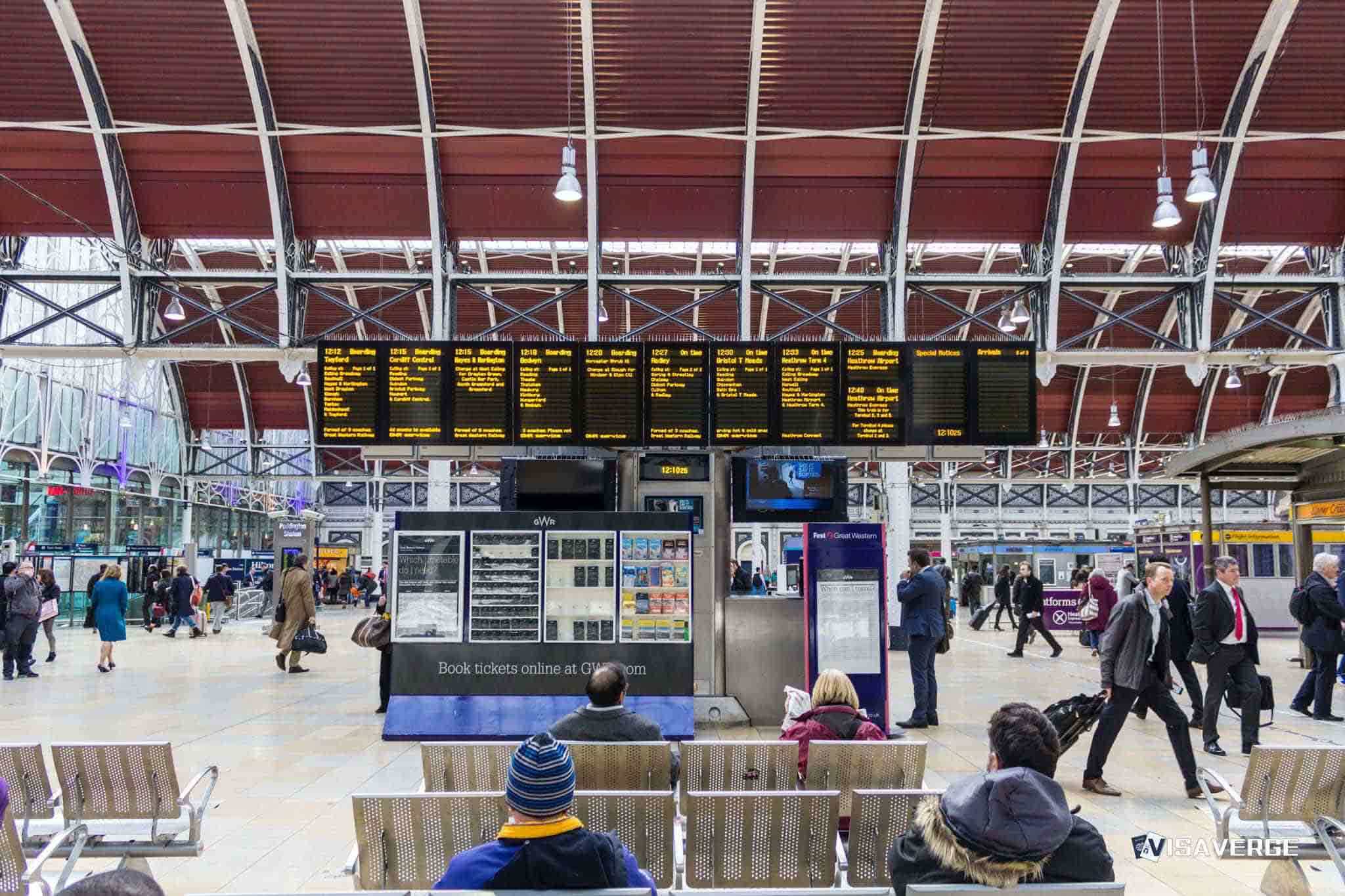
Because several details remain unconfirmed, treat social media as background noise. Focus on channels that actually drive your trip outcome: the airline’s app, airport boards, and direct airline messaging.
- The airline’s app and push notifications.
- Airport departure and arrival boards.
- Direct airline messaging, including SMS and email.
Here are the main unknowns to watch for as reports develop:
- Exact Tokyo departure airport.
- Final destination.
- Injury reports and any legal outcomes.
- Whether the flight continued after Anchorage, canceled, or overnighted.
- Whether passengers deplaned and how baggage was handled.
Connection strategy, especially for Dubai and UAE plans
Dubai itineraries are where travelers get burned most often, because many people stitch trips together on separate tickets. If you’re connecting onward to Dubai on a separate ticket, a diversion can break the entire chain.
The second airline may treat you as a no-show. You can lose the fare, and sometimes the return.
- One ticket end-to-end, even if it costs more.
- A longer connection buffer, especially in winter.
- Travel insurance that covers trip delay and missed connections, and a card that has built-in protections.
Baggage is the other trap. During irregular operations, bags can miss flights even when you don’t. Keep essentials in your carry-on:
- Medication and one change of clothes.
- Chargers and adapters.
- Any documents you need for entry, onward flights, or hotel check-in.
If your bag doesn’t show, file a delayed-bag report before you leave the airport. Keep the reference number and receipts.
The real comparison: Delta vs Emirates for irregular operations
1) Rebooking power and network depth
Delta: Delta’s edge is scale inside the U.S. If DL121’s passengers were headed to a U.S. gateway with onward domestic connections, Delta can often move you across multiple hubs. That matters when one city is weathered in or when an aircraft swap causes a capacity crunch.
Emirates: Emirates is strongest when your trip revolves around Dubai. If your destination is DXB, Emirates can keep you on one airline and one set of rules. That can reduce baggage and ticketing friction. The tradeoff is fewer alternate routings if Dubai bank timing doesn’t work for you.
Competitive context: U.S. carriers generally “win” on domestic recovery. Gulf carriers often “win” on hub-and-spoke long-haul recovery when you’re going to their hub.
2) Customer handling during a diversion
In a safety diversion, you’ll usually see the same broad steps across airlines. The difference is speed and clarity.
Delta’s app and messaging tools are often strong when they work. When they don’t, lines can spike fast. Emirates tends to do well when you can be rerouted through Dubai. Outside its network core, options can narrow.
The traveler move that matters most is getting reprotected quickly. Seats disappear in minutes when a widebody cancels or overnights.
3) Comfort and cabin experience (because you might be stuck onboard)
A350 flying is generally a plus for comfort. You typically get a quieter cabin and better humidity than older jets. That doesn’t make a diversion fun, but it can make it more tolerable.
On Emirates, many long-haul aircraft also deliver strong comfort. The bigger comfort factor during disruptions is often lounge access. If you have status or a premium cabin ticket, being able to get out of the terminal chaos helps.
4) Miles and points: what diversions can do to your earnings and redemptions
Diversions themselves don’t automatically change mileage earning. What matters is what happens next.
- Paid tickets: You usually still earn miles based on the rebooked itinerary that you actually fly.
- Award tickets: The airline will usually protect you, but routing options can be limited by award inventory.
- Elite status: Status can help with priority rebooking and better phone lines. That’s often worth more than bonus miles on a day like this.
If you’re chasing elite qualification, a cancellation can hurt if it forces you onto a partner with different earning rules. Keep all receipts and ticket numbers. If the reroute changes carriers, check accrual rules after travel posts.
Choose Delta if… / Choose Emirates if…
Choose Delta if:
- Your trip ends in the U.S. or you have U.S. domestic connections.
- You value more same-day reroute paths during disruptions.
- You’re using SkyMiles status to get priority help when things break.
Choose Emirates if:
- Dubai (DXB) is your true destination, or you’re connecting onward in the UAE region.
- You want to keep your long-haul journey on one carrier when possible.
- You’re building around Skywards status and Dubai-based connections.
Nuanced verdict
Delta Air Lines flight DL121’s Anchorage, Alaska emergency landing is the kind of event you can’t predict, but you can plan around. The smartest choice isn’t always the fanciest seat. It’s the airline most likely to recover your itinerary quickly, on one ticket, with minimal handoffs.
If your trip is U.S.-centric, Delta’s reroute depth is hard to beat when an A350 full of passengers needs new seats fast. If your trip is Dubai-centric, Emirates often gives you the cleanest path into the UAE with fewer moving parts.
Before your next long-haul booking, build in a connection buffer, keep essentials in your carry-on, and save every receipt the moment your flight status flips from “on time” to “diverted.”