- Applicants must file for change of status before their current B-1/B-2 visa period expires.
- The new USCIS Vetting Center increased processing times to 6-12 months for most applications in 2026.
- Visitors must avoid starting work or school until the agency officially approves their status change.
(UNITED STATES) Changing status from a B-1/B-2 tourist visa to another nonimmigrant category is still possible in 2026, but the path is tighter, slower, and less forgiving. USCIS now pairs standard eligibility checks with broader screening through the USCIS Vetting Center, and that means applicants face longer waits and a sharper risk of denial if they file late, work too soon, or travel at the wrong time.
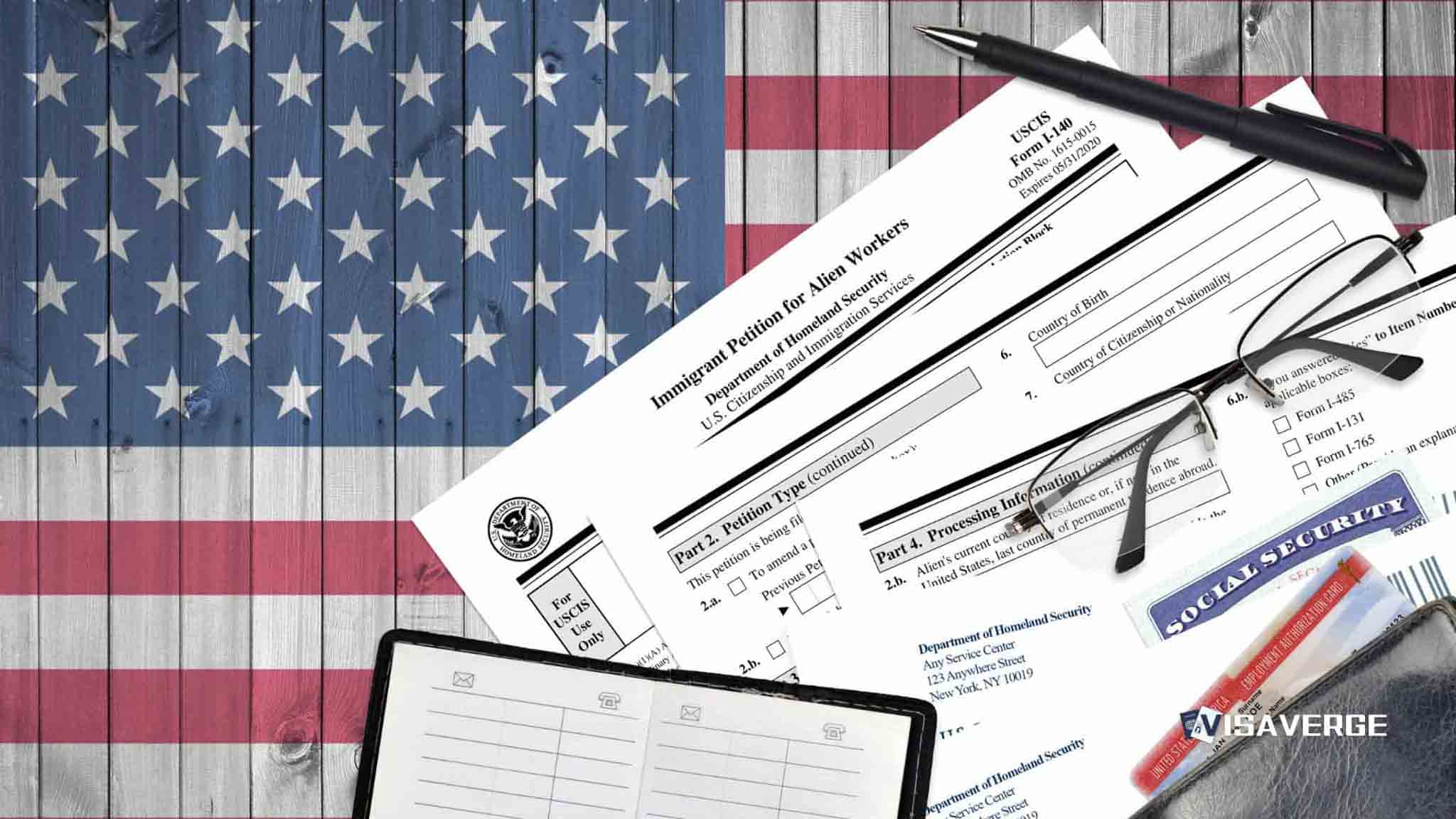
For many visitors, the need is practical and immediate. A tourist may receive a job offer, a student may get accepted after arrival, or a family plan may shift into a fiancé(e) case. USCIS handles these requests through change of status filings, usually with Form I-539, the application to extend or change nonimmigrant status. The central rule remains simple: file while still in valid status, and keep every condition of the current visa intact until approval.
The 2026 processing picture
The biggest change in 2026 is the level of screening. The USCIS Vetting Center, launched in December 2025, has centralized review of security, fraud, criminal history, travel patterns, and other red flags. That extra layer has pushed many cases into a longer queue. Processing now often runs 6-12 months or more, and some applicants will wait longer if their file triggers closer review.
Free toolB1/B2 Tourist Visa Stay Calculator onlineA Presidential Proclamation effective January 1, 2026 also expands travel restrictions tied to nationality, birth country, or travel history. That matters because a person with a pending change of status should avoid international travel. A trip abroad can interrupt the case, create entry problems, or force the applicant to start over from outside the United States.
VisaVerge.com reports that the combination of slower adjudication and wider vetting has made timing the central issue for B-1/B-2 holders.
| India | China | ROW | |
|---|---|---|---|
| EB-1 | Feb 01, 2023 ▲109d | Jul 01, 2023 | Current |
| EB-2 | Nov 01, 2013 | Oct 01, 2021 ▲30d | Jan 01, 2025 |
| EB-3 | Jan 01, 2014 | Jan 08, 2022 ▲7d | May 15, 2024 ▼109d |
| F-1 | Jan 22, 2020 | Jan 22, 2020 | Jan 22, 2020 |
| F-2A | Sep 22, 2026 ▲31d | Sep 22, 2026 ▲31d | Sep 22, 2026 ▲31d |
Eligibility still starts with the original entry
USCIS still expects the same basic showing. The applicant must have entered lawfully on a B-1/B-2 visa, not under the Visa Waiver Program. The I-94 record must still be valid. There must be no unauthorized work, no class attendance before approval, and no overstay.
USCIS also looks for a real change in circumstances. A job offer that arrived after entry, a school acceptance issued during the visit, or a new fiancé(e) plan can support the case. A visitor who entered with hidden immigrant intent faces denial and possible future problems.
Other requirements stay strict. The passport must remain valid for the requested new status period. The applicant must avoid fraud, certain criminal issues, and any unlawful presence that already triggered a bar. If the person overstays by more than 180 days, a 3-year bar can follow. If the overstay passes 365 days, the bar becomes 10 years.
Common routes from visitor status
- F-1 student: A visitor who receives admission to a SEVP-approved school can file Form I-539 and include the I-20. Classes begin only after approval.
- H-1B worker: An employer files Form I-129. The role must match a specialty occupation and usually require a bachelor’s degree.
- K-1 fiancé(e): This route starts with the petition filed by the U.S. citizen fiancé(e). Marriage must happen within 90 days after entry on K-1 status.
- O-1 extraordinary ability: This route exists for a narrow group of people with strong records in science, arts, education, business, or athletics.
Some paths do not fit cleanly. A direct leap from B-1/B-2 to a green card usually requires an underlying immigrant petition first. A J-1 change may face a 2-year home residency rule. A person in the Visa Waiver Program cannot use this in-country change at all.
Filing steps and timing
- Check eligibility early. Review the I-94, passport, and current status dates.
- Gather proof. Add the school acceptance, job offer, financial records, or family evidence that supports the new status.
- File Form I-539 before expiration. As of 2026, the fee is $470 online or $520 on paper, plus $85 for biometrics if required.
- Add the right companion forms. H-1B and O-1 cases usually need Form I-129. F-1 cases need the I-20.
- Watch the receipt notice and processing time. A timely filing creates authorized stay while the case is pending.
- Wait for the decision before changing activities. Approval brings a new electronic I-94. Denial means the person must leave quickly to avoid unlawful presence.
The safest filing window is 45 to 60 days before expiration. That cushion matters because late filing leaves almost no room for USCIS delays. For some workers, premium processing exists on the underlying petition, but it does not speed every I-539 case.
What you cannot do before approval
A B-1/B-2 visitor cannot start work or school before the new status is approved. That rule is absolute. A student who sits in class early risks denial. A worker who begins paid or unpaid job duties can lose eligibility and create unlawful presence.
The warning is especially sharp in 2026 because the new vetting system can cross-check travel history, online activity, and other records. USCIS is looking for signs that the applicant acted before approval. The safest rule is simple: wait.
Dependents often file separate I-539 applications. When filed with the principal applicant, the fee can be $0 for some dependent filings, but each case still needs careful review.
Why travel and outside advice matter
The 2026 travel rules make it risky to leave the United States with a pending case. Even approved applicants can face extra inspection when returning. That is why many lawyers now tell clients to stay put until the new status is issued.
Immigration counsel matters because errors in these filings are expensive. A small mistake on timing, eligibility, or evidence can turn a routine case into a denial. For high-stakes matters, a DOJ-accredited attorney or reputable nonprofit legal program can review the file before submission.
Official USCIS guidance remains available through the USCIS website. It is the place to confirm forms, filing fees, and current policy notices before anything is mailed or uploaded.
Where the month-by-month pressure is coming from
Employment-based applicants also need to track the visa bulletin if the next step is later adjustment of status. For FY2026, the family preference limit is 226,000, the employment-based limit is 140,000, and the per-country cap stays at 7%. That does not change the visitor-to-status filing itself, but it shapes the next stage for many people who begin on B-1/B-2 and later move into a green card process.
The practical result is a longer chain of waiting. First comes USCIS review. Then comes the new status. After that, some applicants still need a second step, such as employment authorization, school start dates, or later permanent residence filing. VisaVerge.com notes that the 2026 environment rewards clean records, early filing, and strict patience far more than speed or guesswork.
For B-1/B-2 holders, the message is clear: file early, keep status clean, and do nothing that belongs to the new visa before approval.