- American Eagle Flight 5671 evacuated on the tarmac in Philadelphia after reports of smoke in the cabin.
- Regional jets offer fewer recovery options compared to mainline aircraft during holiday travel disruptions.
- Travelers should compare aircraft types to balance ticket costs against comfort and schedule resilience.
(PHILADELPHIA, PENNSYLVANIA) — If you’re choosing between American Eagle and a mainline American Airlines flight, the mainline option usually wins for comfort and peace of mind. That said, American Eagle can still be the better pick if schedule matters most and you want to keep your AAdvantage earning on a nonstop out of Philadelphia.
That tradeoff was on full display on Thanksgiving evening, when American Eagle Flight 5671, operated by American Airlines, developed a mechanical issue just before departure at Philadelphia International Airport. The Savannah-bound flight was delayed earlier in the evening, and passengers ultimately deplaned on the tarmac after reports of smoke in the cabin.
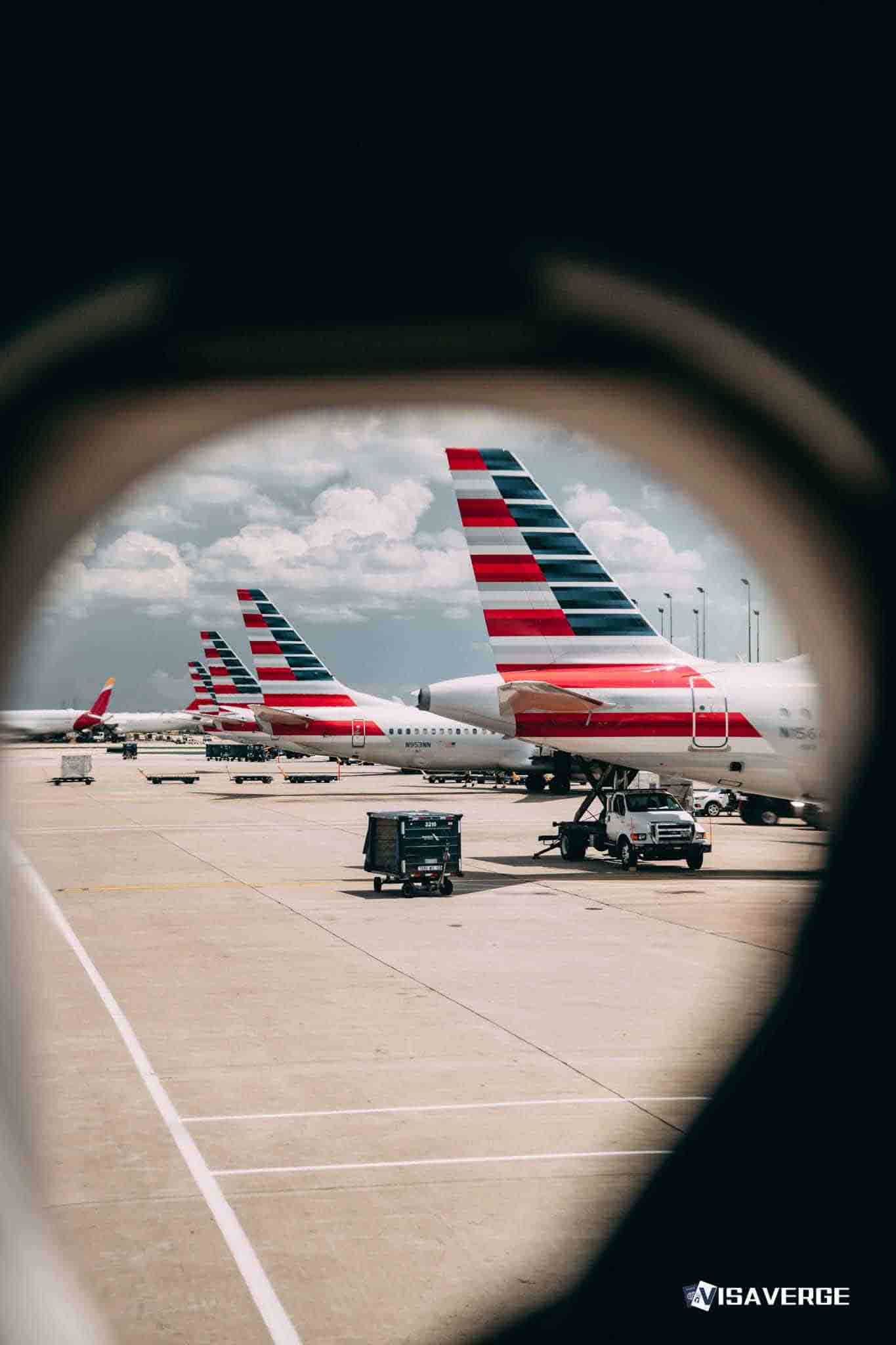
For travelers, this is a reminder that regional jet flights can be perfectly fine most days, but they often have fewer backup options when something goes wrong. If you’re booking a tight holiday trip, it pays to compare aircraft type, delay risk, and what you’d get in miles before you click buy.
American Eagle vs. mainline American: the quick comparison
| Feature | American Eagle | Mainline American Airlines |
|---|---|---|
| Aircraft size | Smaller regional jets | Larger narrow-body aircraft |
| Cabin feel | More compact | More spacious, usually quieter |
| Overhead space | Limited | Better than most regional jets |
| Schedule flexibility | Often frequent on short routes | Better on high-demand routes |
| Irregular operations | Fewer recovery options | More rebooking choices |
| Mileage earning | AAdvantage miles on eligible fares | AAdvantage miles on eligible fares |
| Best for | Lower fares, nonstop convenience | Comfort, better odds of a smoother trip |
For many travelers, the biggest difference is not the brand on the boarding pass. It’s the aircraft and the recovery options if something goes wrong.
What happened in Philadelphia
The flight was set to depart Philadelphia International Airport for Savannah Hilton Head International Airport on November 27, 2025. Around 10:00 p.m., passengers said they smelled smoke while the plane was still on the runway.
Crew members began deplaning immediately. One passenger seated in an emergency row reportedly helped others by sliding down the wing as people exited the aircraft.
American Airlines confirmed the problem happened before departure. The aircraft was removed from service for inspection. The airline said, “we thank our team members for their professionalism and apologize.”
That matters for travelers because this was not an airborne emergency. The issue surfaced before takeoff, which gave the crew time to respond on the ground. Still, it left passengers with a long Thanksgiving-night disruption and an overnight stay in Philadelphia.
⚠️ Heads Up: If you’re flying the night before or after a holiday, build in extra padding. A two-hour delay can become an overnight scramble fast.
Why this matters more on a regional flight
American Eagle flights are often operated by regional partners using smaller jets. That can be a plus on shorter routes, but it changes the passenger experience in important ways.
- Fewer seats
- Smaller bins
- Less legroom in many rows
- Fewer rebooking alternatives if the flight cancels
On a major airline’s mainline aircraft, American usually has more seats, more frequent departures, and more ways to recover a disrupted trip. That can make a real difference when you’re traveling on a holiday weekend.
This is especially important out of Philadelphia. PHL is a major American hub, but not every route gets the same level of aircraft or backup capacity. If your regional jet is grounded, your same-day options may be thin.
Side-by-side: what travelers actually get
| Category | American Eagle | Flying another option from Philadelphia |
|---|---|---|
| Seat comfort | Basic, compact regional jet layout | Often more legroom and a quieter ride |
| Onboard experience | Faster boarding, smaller cabin | Better if you want a calmer flight |
| Delay recovery | Limited | More options if the airline has multiple daily departures |
| Checked bag experience | Similar policies, but smaller planes can mean gate-checking | Usually better overhead-bin capacity |
| Holiday reliability | Can be more vulnerable to cascading delays | Better if the carrier has more spare aircraft |
If you care most about arriving on time, the better choice is often the flight with the strongest recovery network, not just the cheapest fare.
Miles and points: what you still earn
This kind of disruption does not erase your earnings. If you bought a qualifying American ticket, you should still earn AAdvantage miles on the base fare and carrier charges, depending on fare type and booking channel.
For frequent flyers, the bigger issue is what happens if the flight turns into a rebooking or overnight delay:
- You may earn no extra miles for the disruption itself.
- If the airline rebooks you on a later American flight, your original fare rules still matter.
- If you paid with a card that offers trip delay coverage, you may be able to claim meals, hotel, or transportation.
That makes receipt saving important. Keep:
- Your boarding pass
- Hotel folio
- Meal receipts
- Any change-of-itinerary confirmations
💡 Pro Tip: If you pay cash for American tickets often, use a credit card with trip delay insurance. A single overnight misconnect can cost more than the annual fee.
How this compares with other U.S. carriers
American is not alone in using regional jets on shorter routes. Delta and United do it too. Southwest, by contrast, relies on one all-737 fleet, which simplifies spare aircraft and crew recovery.
Here’s the practical comparison:
| Airline | Regional jets? | Main advantage | Main drawback |
|---|---|---|---|
| American | Yes, often through American Eagle | Big hub network through Philadelphia, Dallas, Charlotte, and others | Smaller aircraft on many short-haul routes |
| Delta | Yes, often through Delta Connection | Strong operations and solid rebooking network | Regional jets can still be cramped |
| United | Yes, often through United Express | Large route network and many hubs | Regional-product inconsistency |
| Southwest | No | Simplified fleet and flexible policies | No assigned seats, fewer premium comforts |
So if you’re deciding among airlines, the question is not just which carrier flies the route. It’s whether you want the best fare, the best schedule, or the best odds of a smoother recovery if something goes wrong.
Who should choose American Eagle?
Choose American Eagle if:
- You need the nonstop from Philadelphia.
- The fare is meaningfully lower than competitors.
- You’re chasing AAdvantage miles or status credits.
- You’re taking a short hop and comfort matters less than convenience.
American Eagle can be a smart buy for business travelers and mileage collectors. A nonstop out of a hub often beats a connection, even if the aircraft is smaller.
Who should choose a mainline alternative?
Choose a mainline flight if:
- You want a more comfortable cabin.
- You’re traveling with family and need better overhead space.
- You’re on a holiday trip and want more backup options.
- You value schedule resilience more than saving a small amount.
If you’re flying with carry-ons only, a larger aircraft can also reduce gate-check headaches. That matters when you’re trying to get out of Philadelphia after a crowded holiday evening.
Passenger frustration is part of the story
The biggest complaint after incidents like this is often not the mechanical issue itself. It’s how the delay unfolds before the problem becomes obvious.
Passengers reported earlier delays that evening, then ended up stranded overnight in Philadelphia. That combination is exactly what travelers dread during the busiest travel periods of the year.
From a consumer standpoint, the lesson is simple. If a flight is already slipping late on a holiday evening, you should start thinking about backup plans early. That includes:
- Checking alternate flights on the same airline
- Looking at nearby airports
- Watching for weather or aircraft swaps
- Keeping your hotel and transport options open
When you’re flying on Thanksgiving night, every extra hour on the ground makes the rebooking puzzle harder.
Safety and the bigger picture
No injuries were reported, which is the most important part of the story.
The crew’s response kept the situation on the ground, where it could be handled more safely. That’s also why this event should be viewed differently from an in-flight emergency.
It also differs from a separate American Airlines incident in Denver involving a tire maintenance issue on landing gear. That was a different aircraft issue, in a different city, and during a different phase of flight. Here, the problem surfaced before takeoff in Philadelphia.
That distinction matters. A pre-departure mechanical issue can be disruptive and alarming, but it usually offers more room for a controlled evacuation than a problem in the air.
How to book smarter after incidents like this
For travelers planning a Philadelphia departure, here’s the booking logic that makes sense:
- Pick the earliest flight of the day when possible.
- Avoid ultra-tight holiday connections.
- Check the aircraft type before booking.
- Compare the fare difference against the risk of delays.
- Use miles only when award availability is strong and the cash fare is high.
If American Eagle is the only nonstop, it may still be worth booking. Just make sure the savings are real. A $40 difference is one thing. A missed holiday dinner and an overnight hotel is another.
For AAdvantage members, this is also a reminder that earning miles is only half the equation. Protecting your trip matters too. A cheaper fare on a smaller jet can be fine, but you should know what you’re giving up in comfort and recovery options.
American Eagle remains a useful tool for short-haul travel from hubs like Philadelphia. But when a flight already has delays on a peak holiday night, the risks become more visible. If you’re booking a similar trip in the future, compare the aircraft, not just the fare, and lock in the option with the strongest backup plan before the holiday rush begins.