- Major winter storm threatens 1,500 flights across the South through Sunday.
- Airlines issued waivers for ATL and DFW hubs as Saturday risk peaks.
- Travelers should prioritize nonstop flights or rebook early to avoid system-wide delays.
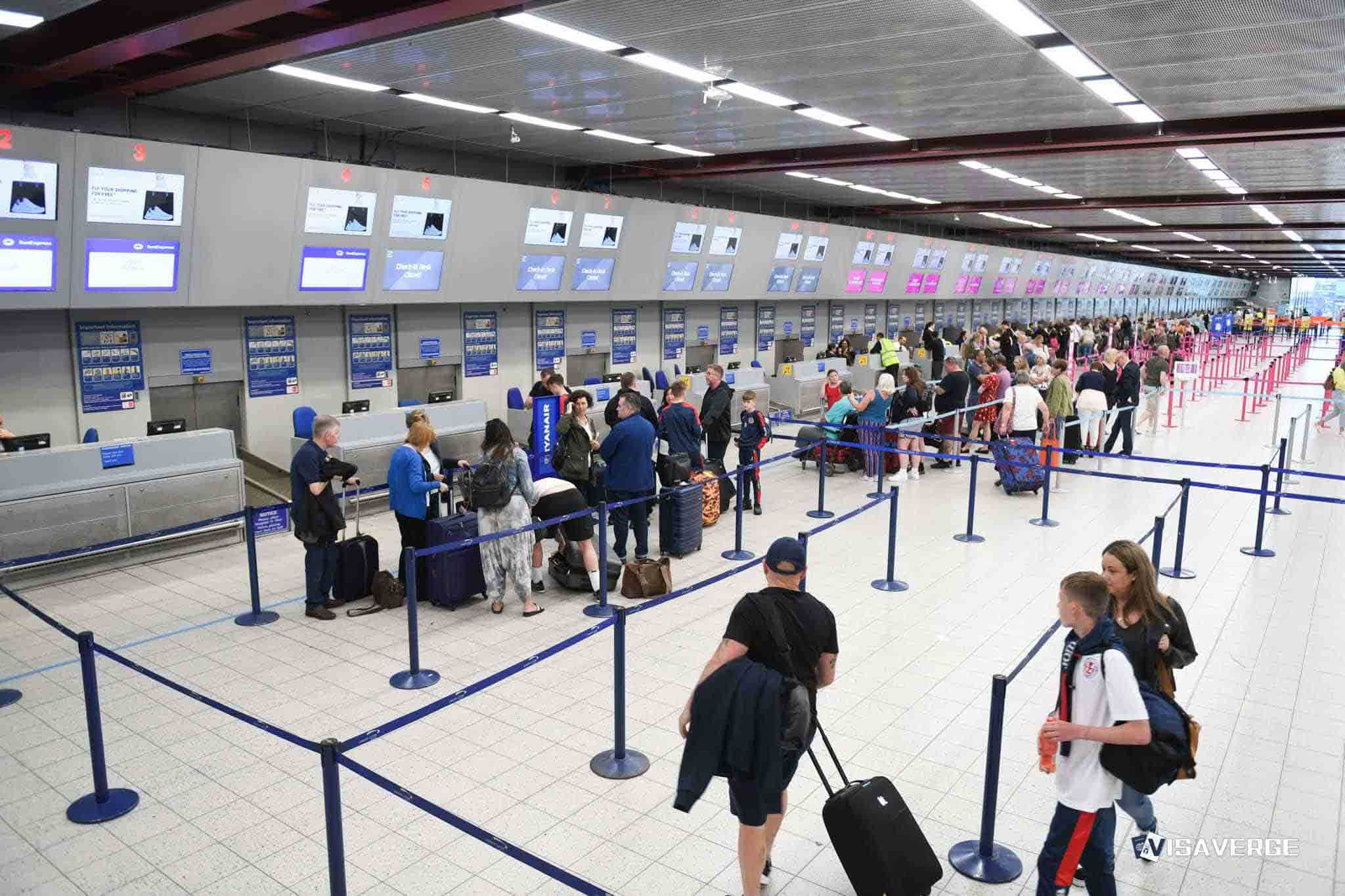
(ATLANTA, GEORGIA) — A major winter storm is set to hammer the South starting Friday, and if your itinerary touches ATL or DFW this weekend, changing your trip now is usually the smarter move.
The play is simple: if you can travel earlier or later, use your airline’s waiver today; if you can’t, shift to a nonstop on the earliest flight possible and build in a backup plan.
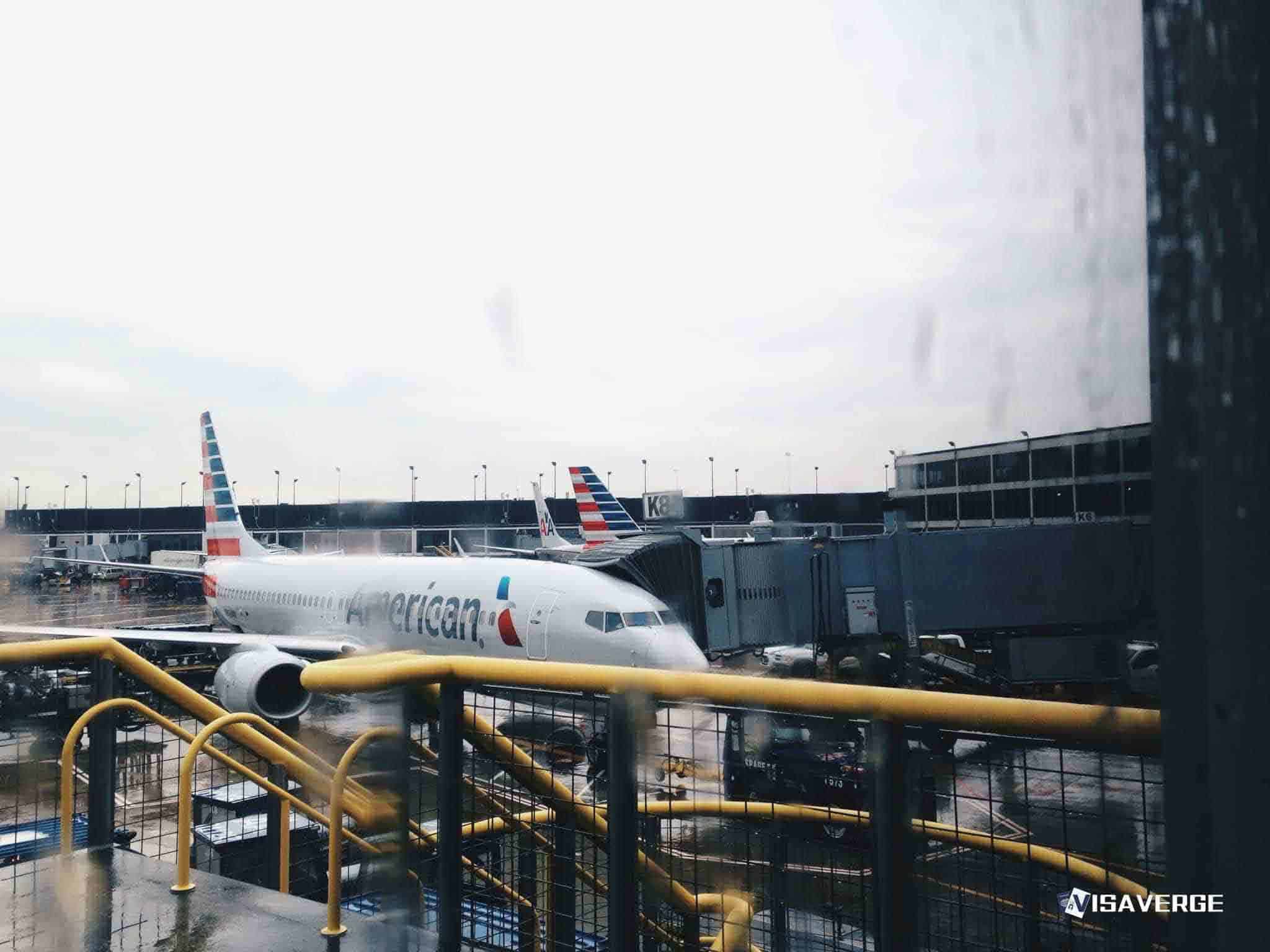
This system is expected to trigger roughly 1,000–1,500+ cancellations through Sunday, with Saturday shaping up as the messiest day. Even if you aren’t flying to the storm zone, delays will spread nationwide as aircraft and crews get displaced.
Quick recommendation: which airline gives you the best “storm flexibility” right now?
If you’re choosing between major U.S. carriers for travel around the storm window, Delta generally offers the most rebooking flexibility in this specific event (by airport coverage). American is the most complicated choice if you must connect via DFW, because that hub is both huge and directly threatened.
Southwest can be a strong pick if you value easy self-service changes, but its point-to-point network can still snarl when crews and planes drift out of position.
| Category | American Airlines | Delta Air Lines | United Airlines | Southwest Airlines |
|---|---|---|---|---|
| Biggest storm pinch-point | DFW (plus CLT) | ATL (plus Southeast banks) | Connections that rely on Southern flow | High frequency helps, but disruptions ripple fast |
| Waiver footprint (this event) | Mid-size coverage | Broadest coverage | Mid-size coverage | Smaller footprint |
| Best for… | Nonstops that avoid DFW/CLT banks | Rebooking around ATL and Southeast connections | Shifting routings away from the corridor | Fee-free changes and quick app rebooks |
| Watch-outs | DFW hub congestion, tight connection banks | ATL is a mega-hub, delays cascade | Partnered itineraries can add complexity | Limited reaccommodation options if nearby stations also snag |
| Miles/points angle | Protect elite-qualifying trips by rebooking, not refunding | Strong rebooking options can preserve MQD/MQM-style progress | Keep fare class consistent if chasing status | Points redeposit is typically straightforward; watch fare jumps |
| My “storm week” pick | Only if you can go nonstop, or change early | Best all-around flexibility this time | Good if you can reroute away from the corridor | Great for change-happy travelers with schedule wiggle room |
Competitive context matters here. All four airlines can move you. The real difference is how quickly you can self-serve changes and how exposed your itinerary is to a single hub meltdown.
1) Executive Summary / Storm Alert: fly as planned, or change now?
This is the kind of weekend where the best travel hack is boring. Move your trip outside the peak-impact window, or make your itinerary simpler.
- Fly as planned if you’re on a true nonstop, you have time buffers, and you can tolerate long delays.
- Change now if you connect through ATL, DFW, or CLT, or you have a “must-be-there” event.
- Cancel and rebook later if you’d face an overnight connection, missed cruise departure, or a nonrefundable hotel night.
In practice, storms don’t just cancel flights. They create missed connections, crews timing out, and aircraft stuck in the wrong city. That’s how a problem in Texas becomes a problem in Boston.
⚠️ Heads Up: If you’re traveling Saturday, treat it as the highest-risk day. Earlier flights and nonstops are your best tools.
2) Storm Details and Timeline: what the forecast means for your flight
The setup is ugly for airline operations. The storm runs from Texas through the Carolinas, mixing snow and ice with an Arctic blast. That combination drives the worst airline outcomes.
Here’s what typically happens in this pattern:
- De-icing queues grow fast. Even a modest line can turn into hours.
- Runway and taxiway conditions slow the entire airport. That means departure metering and missed takeoff slots.
- Air traffic control flow programs kick in. Airlines can’t just “push” more planes.
- Crews time out. Your aircraft may be ready, but your legal crew isn’t.
- Connections collapse. A 45-minute connection at a hub becomes a guaranteed misconnect.
Timing matters for weekend travel. The storm is expected to arrive Friday and peak on Saturday, then linger into Sunday. Saturday is also when hubs are running heavy banks of arrivals and departures. That creates gridlock when operations slow.
To monitor what changes first, watch this sequence:
- Delays appear first. Often hours before cancellations.
- Cancellations follow. Once aircraft and crews aren’t where they need to be.
- Rebooking options worsen. As planes fill and hotels sell out.
Use airport departure boards, airline app alerts, and FAA advisories. Also check the inbound aircraft for your flight. If it’s already late, you’re likely late too.
3) Most Affected Airports: why ATL and DFW can disrupt the whole country
The biggest risk is not only the weather. It’s hub dependency.
The highest-risk set includes ATL, DFW, and CLT, plus several key regional airports in the storm corridor. When a hub bogs down, airlines can’t position aircraft for later flights. Crews end up stranded. The next day’s schedule collapses too.
What “hub risk” means for you:
- Your flight might be sunny at departure. Your connecting hub is not.
- Your plane may be coming from the storm zone.
- Your crew may be arriving late, or not arriving at all.
If you connect through an impacted hub, consider these reroute strategies:
- Prioritize nonstops, even if they cost more.
- Take the first flight of the day. Planes and crews are more likely to be in place.
- Reroute around the corridor. Think alternative hubs, not just alternative times.
Also check your connection time. If you have under an hour at a mega-hub this weekend, treat it as a red flag. Aim for a longer buffer or a nonstop.
4) Airline Travel Waivers: how to use them without getting trapped
Most major airlines have issued travel waivers for this storm, with airport lists and rules that vary. The waiver is your friend, but only if you use it correctly.
What a travel waiver usually allows:
- Change your date without the normal change fee.
- Sometimes change your routing, within limits.
- Rebook in the same cabin, depending on fare rules and availability.
What it usually does not do:
- Let you swap destinations freely.
- Guarantee a refund if you choose not to travel.
- Cover hotels, meals, or ground transportation.
The best rebooking approach is consistent across carriers:
- Find your airline’s waiver page and confirm your flight is included.
- Confirm your eligible travel dates and the “rebook by” deadline.
- Rebook in the app or website first. It’s often faster than calling.
- Save confirmation emails and screenshots. Storm weekends get messy.
This also affects miles and points. If you’re chasing elite status, rebooking under a waiver usually preserves credit better than canceling and taking a refund. If you’re on an award ticket, focus on redeposit rules and whether the airline is waiving redeposit fees.
5) Waiver Details / Conditions (American Airlines): the fine print that matters
American’s waiver is especially important because DFW is its biggest hub. If you connect through DFW this weekend, you are in the highest-stress part of the network.
American’s waiver logic tends to follow a familiar set of conditions:
- A cutoff for when you bought the ticket.
- A window of originally scheduled travel dates.
- A later window you can rebook into.
- A deadline by which you must rebook.
- Limits on changing origin and destination cities.
The traveler trap is routing. Many people assume a waiver lets them swap to a different city pair. Most of the time, it does not.
If your needs don’t fit the waiver:
- Ask an agent for options, but get anything promised in writing.
- If American cancels your flight, you can often choose a refund instead of a rebook.
- If you have travel insurance, check “weather” and “common carrier delay” coverage terms.
Miles and status angle on American: if you’re trying to build AAdvantage status, a waiver rebook can keep your trip alive and protect your earn. If you fully refund a trip, you’ll lose the flight credit entirely. That matters if you’re close to a status threshold.
If you must fly American this weekend, try to avoid DFW connections. A nonstop or a connection outside the corridor can save your trip.
Comparison breakdown: price, miles, comfort, and rebooking reality
Storm weekends change what “best airline” means. It becomes less about seat pitch and more about recovery.
Price and fare rules
In irregular operations, the cheapest ticket is not always the cheapest trip. You can lose money quickly on nonrefundable hotel nights, missed events, or last-minute ground transportation.
Southwest’s change-friendly model can be attractive here. The trade-off is that reaccommodation can still be limited if multiple cities are hit at once.
Miles and points
This is where savvy travelers can protect value. If you paid cash and rebook under a waiver, you typically keep your earning intact. If you’re on award travel, look for flexible redeposit policies during weather events.
If you’re status-chasing, prioritize keeping the itinerary alive over canceling. Also consider alternative bookings: if cash prices spike, award tickets can become the better deal. Just be ready for limited last-minute award space.
Comfort and onboard experience
Comfort won’t save you from a cancellation, but it can matter if you end up delayed for hours. Choose itineraries with fewer connections. Less walking, fewer failure points.
Early flights often mean less time sitting at the gate. If you have lounge access through status or a premium card, it becomes much more valuable during weather.
Customer service and reaccommodation
In my experience, the best storm airline is the one that lets you fix your own trip fast. Strong apps and fast self-rebooking reduce stress. A broader waiver footprint can mean more eligible alternatives.
Hub exposure is the silent killer. ATL and DFW disruption can eat an entire day.
Choose X if… (real-world scenarios)
Choose Delta if…
- Your trip touches ATL, or you connect in the Southeast.
- You want the widest waiver safety net for this storm.
- You value lots of reroute possibilities when one hub fails.
Choose American if…
- You can fly nonstop and avoid DFW and CLT.
- You already have AAdvantage status and want priority reaccommodation.
- You can travel earlier than Saturday, or slide to later dates.
Choose United if…
- You can reroute away from the Texas-to-Carolinas corridor.
- You want flexibility to connect through alternate hubs.
- You have status that improves standby and rebooking outcomes.
Choose Southwest if…
- Your schedule is flexible and you’re comfortable changing plans quickly.
- You want a simpler change process without traditional change fees.
- You can use high-frequency routes to “piece together” a workable trip.
6) Broader Impact / Regional Outlook: why your non-storm trip may still blow up
Even if you aren’t flying into the storm zone, you can still get hit. Airlines rotate aircraft across the country all day. When a key hub slows, planes and crews end up out of place.
Secondary effects to plan for:
- Congestion in unaffected hubs as airlines reroute passengers.
- Delayed repositioning flights that your later segment depends on.
- Packed Monday flights as people roll over from the weekend.
Your resilience plan should include alternate airports on both ends, if drivable. Consider earlier or later departures, even by half a day. Keep refundable hotel holds for a potential overnight and a ground backup, including rental cars or rail where it works.
For this specific storm, Saturday travel is the one I’d avoid if you have any flexibility. If you must go, take the earliest nonstop you can find and keep your plans light on the arrival day.
American flyers in particular should act before the waiver clock runs out. If you want fee-free changes under American’s current waiver, plan to rebook by Saturday, January 25, 2026.