(UNITED STATES) Airlines moved quickly on Friday to offer relief for travelers caught in a wave of cancellations and delays tied to FAA-mandated flight reductions that began November 7, 2025. Carriers announced full refunds, waived change fees, and flexible rebooking for anyone whose plans were disrupted, including passengers holding basic economy and other non-refundable fares. The broad measures apply across major U.S. airlines and cover trips to, from, or through affected airports.
The policies matter for thousands stranded this week — from families trying to get home to workers heading to time-sensitive client meetings.

What airlines are offering
- Full refunds for canceled flights (and, in many cases, refunds if passengers choose not to fly within the defined travel window).
- Waived change fees so customers can move travel dates without penalties.
- Flexible rebooking and free re-accommodation on the next available flight when capacity allows.
- Some carriers offering meal vouchers, credits, or hotel coverage for overnight disruptions they control.
Delta described its approach as a push toward flexibility: “We are providing additional flexibility to our customers traveling to, from or through the impacted markets to change, cancel or refund their flights, including Delta Main Basic fares, without penalty during this travel period.” Other major carriers — American, United, Alaska, JetBlue, Southwest, Frontier, and Spirit — confirmed similar measures.
“Any customer traveling during this mandate is eligible for a refund if they choose not to fly—even if their flight isn’t impacted. That includes non-refundable and Basic Economy tickets,” United said.
Southwest noted it would refund to the original method of payment for trips canceled on or after November 6, 2025, allowing customers to request a method-of-payment refund even for non-refundable fares.
How rebooking and refunds are being handled
Most airlines prioritize rebooking first:
- Move affected customers to the next available flight at no extra cost (often via the airline app).
- If capacity is tight or delays extend beyond a threshold (commonly three hours), issue travel credits or vouchers.
- Offer full refunds when re-accommodation isn’t acceptable or possible.
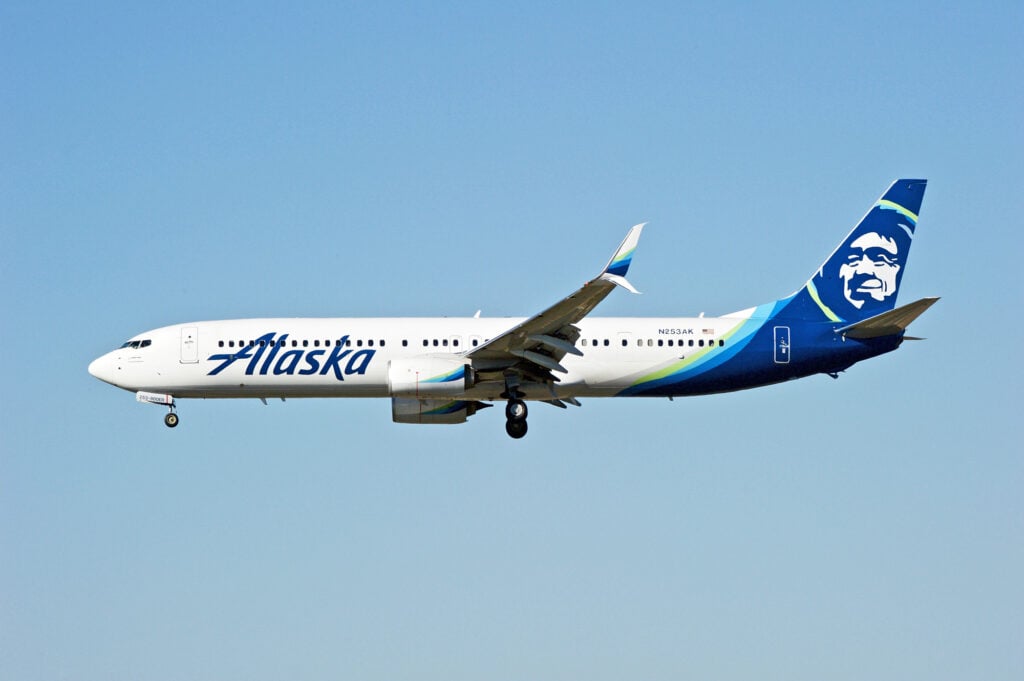
Alaska summarized the two-part approach: “Guests whose flights are canceled will be reaccommodated on other flights as available or offered a full refund. … We have also issued a flexible travel policy that allows guests to adjust their travel during this uncertain time.”
What passengers should not expect
- U.S. law does not require airlines to pay cash compensation for delays or missed events (weddings, business pitches, separate-ticket missed connections). That difference is notable compared with the European Union.
- Consequential losses (lost wages, missed non-airline events, etc.) are generally outside airline obligations.
- Compensation for involuntary denied boarding (being bumped) remains in effect, but those rules are separate from cancellation coverage and do not automatically apply to cancellations resulting from the FAA flow reductions.
Hotel and meal coverage — voluntary and variable
- Many U.S. carriers say they’ll cover hotel stays and meals for overnight disruptions they control, but specifics vary by airline and situation.
- Some airlines (Alaska, Hawaiian, JetBlue, Southwest) issue vouchers or credits when delays exceed three hours.
- These offers are voluntary policies, not legal mandates, and may differ depending on how the disruption is classified.
- Travelers who keep receipts increase their chances of reimbursement under an airline’s customer service plan.
Fastest ways to act
- Use airline apps and websites for quickest rebooking, refund requests, and self-service options.
- Phone hold times improved during the day but can still produce backlogs during peak periods.
- Analysis by VisaVerge.com found passengers who act early — before flights fill up — tend to land better rerouting options, especially in markets with limited daily service.
Legal and regulatory context
- A proposal withdrawn in September would have required cash compensation ranging from $200 to $775 for airline-caused delays and cancellations, depending on length and distance.
- Without that rule, U.S. passenger rights remain narrower than in the EU.
- The U.S. Department of Transportation maintains an Airline Cancellation and Delay Dashboard that compares carrier promises, refund rights, and service commitments. The dashboard also points to complaint channels if a carrier fails to honor stated policies.
Practical examples and human impact
- A sales manager from Phoenix missed a presentation in San Jose after an overnight cancellation; a same-day refund helped her company shift to a virtual pitch.
- Grandparents headed to a graduation in Chicago were rebooked for Sunday, accepted travel credits and hotel coverage, and will watch a recording of the ceremony.
- For many travelers, the quick policy responses eased immediate pain and provided options to pivot plans.
Clear action items for travelers
- Rebook through the app if a new flight fits.
- Ask for full refunds when the trip no longer makes sense.
- Look for waived change fees when shifting dates within the travel window.
- If a delay exceeds three hours, request meal vouchers or credits.
- If an overnight stay becomes unavoidable, request a hotel when the carrier is at fault.
- If a missed connection is on a single ticket, ask to be rebooked on the next available flight at no extra cost or request a refund for the unused segment.
Important: If your flight is canceled, you can get your money back; if you still want to travel, the airline will try to move you without extra cost; and if a delay ruins your plans, you can ask for help with meals or a hotel, but you should not expect automatic cash compensation under current U.S. rules.
Operational outlook
Airlines say they are prioritizing re-accommodations for passengers with the tightest needs (e.g., international connections on a single ticket). As staffing and aircraft match the FAA’s reduced flow, carriers expect schedules to stabilize and the backlog of stranded passengers to thin — though busy routes may take longer to normalize.
Passengers seeking official guidance can consult the DOT’s Airline Cancellation and Delay Dashboard for up-to-date comparisons of carrier policies and complaint channels.
This Article in a Nutshell
Following FAA-mandated flight reductions beginning November 7, 2025, major U.S. airlines offered full refunds, waived change fees, and flexible rebooking for affected passengers, including Basic Economy and non-refundable fares. Carriers prioritized rebooking onto the next available flight, issued travel credits when capacity was tight, and provided refunds when re-accommodation wasn’t acceptable. Some airlines voluntarily cover meals and hotels for overnight disruptions, typically after three-hour delays. Travelers should act quickly via apps, keep receipts, and consult the DOT dashboard for official guidance and complaint channels.