- Iran shut down its airspace for several hours on Thursday, causing major international flight disruptions.
- Air India canceled multiple U.S.-bound flights from Delhi and Mumbai, including a mid-air turnback.
- IndiGo and SpiceJet are rerouting or suspending services to Europe and Central Asia due to regional tensions.
(IRAN) — A sudden, hours-long shutdown of Iran airspace early Thursday is still rippling through long-haul and regional schedules, with Air India canceling multiple U.S.-bound flights and IndiGo suspending or rerouting several international services. If you’re flying between India and North America, Europe, or Central Asia in the next day or two, expect last-minute changes and longer routings even after the airspace reopened.
Iran issued a NOTAM closing its airspace for roughly two hours, then extended the closure to about five hours. The airspace later reopened, but many airlines continued to avoid overflying Iran due to elevated regional tensions.
That “reopen” versus “avoid” gap is what keeps delays and cancellations coming, because flight plans and crew duty limits don’t snap back instantly. Here’s a quick look at who has been hit so far.
| Airline | What changed Thursday | What it means for you |
|---|---|---|
| Air India | Canceled at least three U.S.-bound flights; some flights rerouted | Rebookings may shift you to different routings, later departures, or next-day travel |
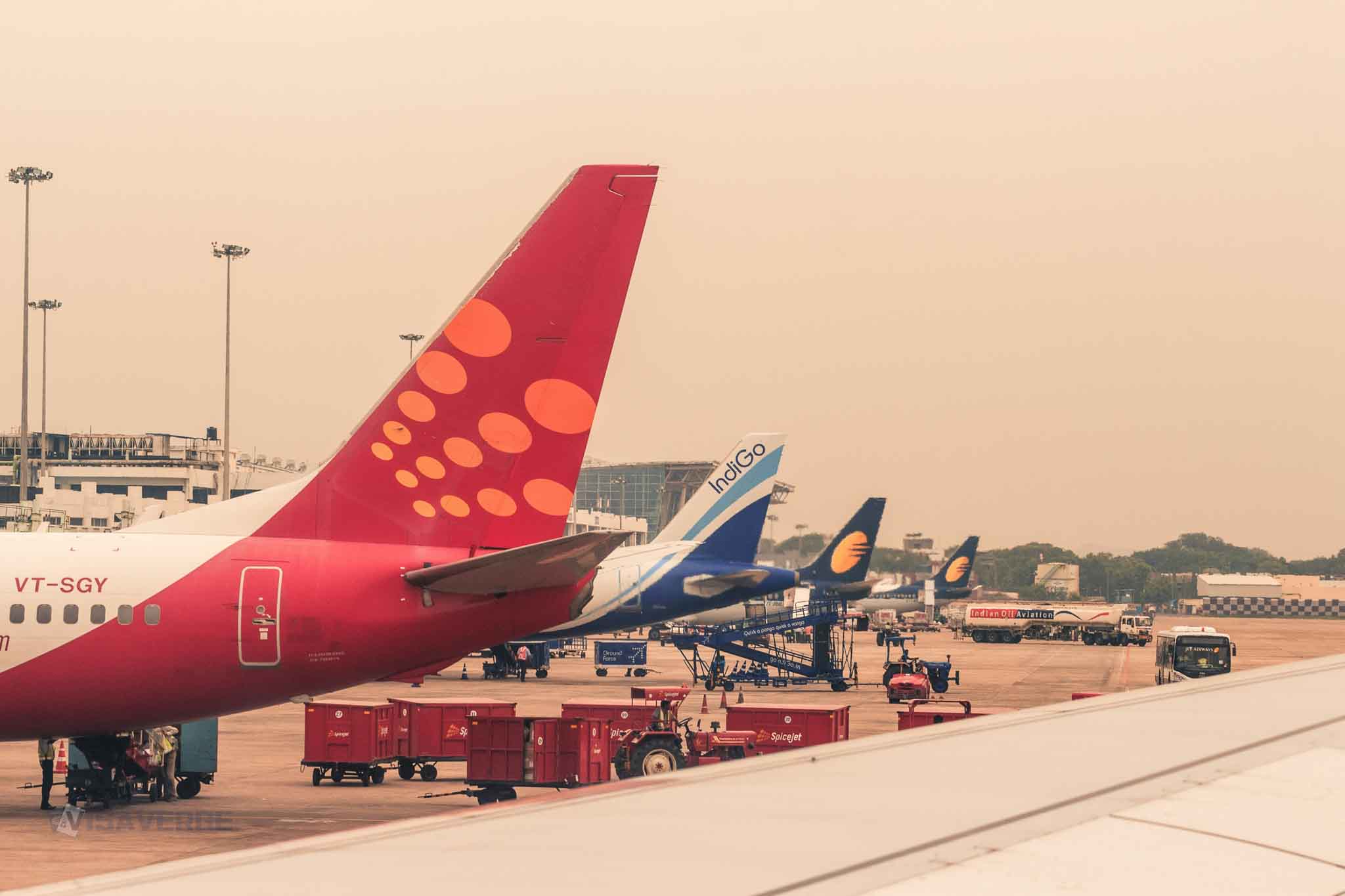
| IndiGo | Suspended some Central Asia and Europe flying; rerouted Europe via Saudi Arabia | Longer flight times, potential missed connections, and higher risk of rolling delays |
| SpiceJet | Warned of potential effects but no cancellations reported as of Thursday | Watch for late aircraft and crew displacement that can trigger day-of delays |
Air India: three U.S. routes canceled, plus a turnback after takeoff
Air India’s most immediate passenger impact was on its nonstop U.S. flying, which typically relies on predictable overflight corridors and tightly scheduled crews.
The carrier canceled at least these services:
- New Delhi–New York (AI101)
- New Delhi–Newark (AI105)
- Mumbai–New York (AI119)
The most dramatic disruption involved AI101 from New Delhi to New York. The flight departed, then was forced to return to Delhi shortly after takeoff when the airspace closure upended its planned routing.
For travelers, a turnback often creates a double hit. You lose time, and the aircraft and crew are now out of position for later departures, which can cause follow-on cancellations beyond the first flight you see on the board.
Air India said it is rerouting flights that would normally overfly the region, which can add delays. It also acknowledged that some services are being canceled when rerouting is not feasible.
For U.S.-bound passengers, this is where alternatives matter. Many travelers will get pushed onto one-stop itineraries through the Gulf or Europe, depending on seat availability and bilateral agreements.
IndiGo: Europe flights detour via Saudi Arabia, Central Asia under review
IndiGo doesn’t operate flights to the United States, but Iran airspace is still a big deal for its international network. Several routings to Central Asia and Europe can be affected when carriers avoid Iranian overflight.
IndiGo said its services to Central Asian destinations and Europe were impacted. The airline is routing European flights via Saudi Arabia, which increases journey times and raises the odds of crew timing issues.
It also flagged that flights to Almaty and Baku could be canceled, with the situation still under assessment Thursday.
Longer routings can sound minor, but they stack quickly if you have onward connections. A 45-minute delay leaving Europe can become an overnight misconnect once immigration, baggage, and recheck windows shrink.
IndiGo has encouraged customers to use its website for flexible rebooking options or refunds, which is useful if your trip is discretionary.
SpiceJet: “may be affected,” but no cancellations yet
SpiceJet reported possible effects from the disruption, though it had not canceled flights as of Thursday. That’s still worth watching, because disruption propagation is often indirect.
If a plane arrives late from an international rotation, it can flip a domestic schedule upside down within hours. The first visible cancellations may show up later in the day.
Why this is happening: a short closure, then longer avoidance
The initial closure was triggered by a NOTAM that shut Iran’s airspace for around two hours, later extended to about five hours. The backdrop is worsening internal unrest and international tension.
Protests have continued for 18 days. The Human Rights Activists News Agency (HRANA) reported 2,615 deaths and 18,470 arrests during the crackdown. Western officials also raised the prospect of imminent U.S. military action, while President Trump said he would “watch and see what the process is.”
Even after the airspace reopened, many operators continued avoiding Iran, which is common after fast-moving security events. Airlines prefer stable routing, not hourly changes.
What this means for miles, points, and elite status
If you’re chasing status or counting on award travel, this kind of irregular operation can change your math.
- Air India Flying Returns and Star Alliance earning: If Air India rebooks you onto a partner carrier, your mileage credit can change. Partner accrual depends on booking class, not the cash price.
- IndiGo bookings: If you take a refund instead of traveling, you typically won’t earn flight credit for that segment. Rebooking may preserve your original fare rules, depending on the waiver.
- Award tickets: If you booked with miles, schedule changes can be your friend. Airlines often allow free reroutes during major disruptions, which can open better timings or routings.
If elite-qualifying credits matter for you, keep boarding passes and reissued ticket receipts. Post-trip credit claims are easier with documentation.
UAE and competitive context: watch Gulf hubs for re-accommodation
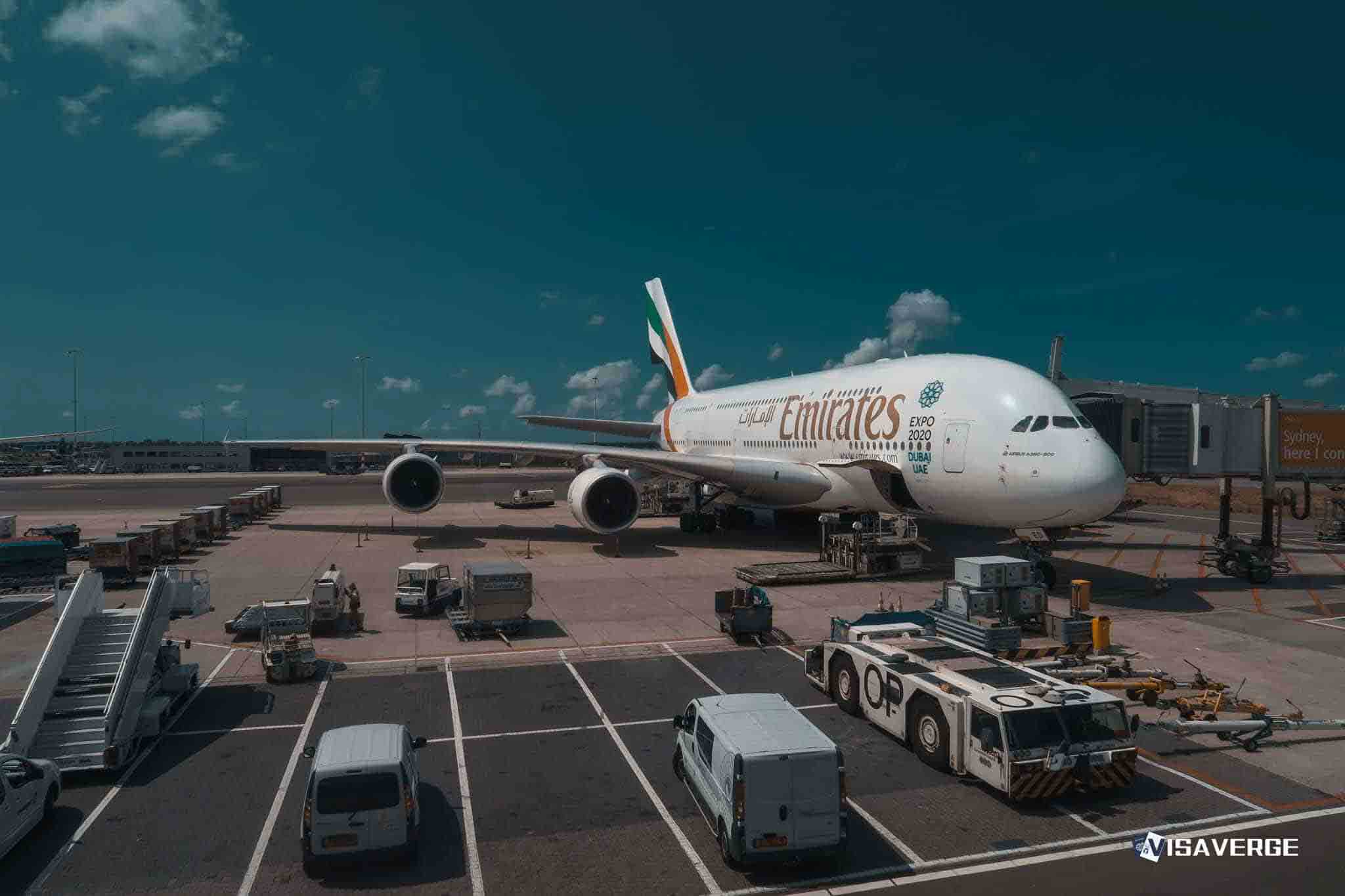
When India-to-U.S. nonstops cancel, the fastest “pressure valve” is often the UAE. Dubai (Emirates) and Abu Dhabi (Etihad) can absorb some rebooked traffic, depending on seats and interline agreements.
The trade-off is time and complexity. One-stop routings can protect your arrival date, but they add connection risk during volatile airspace periods.
If you must travel today, aim for earlier departures. You want maximum buffer for reroutes, holds, and crew swaps.
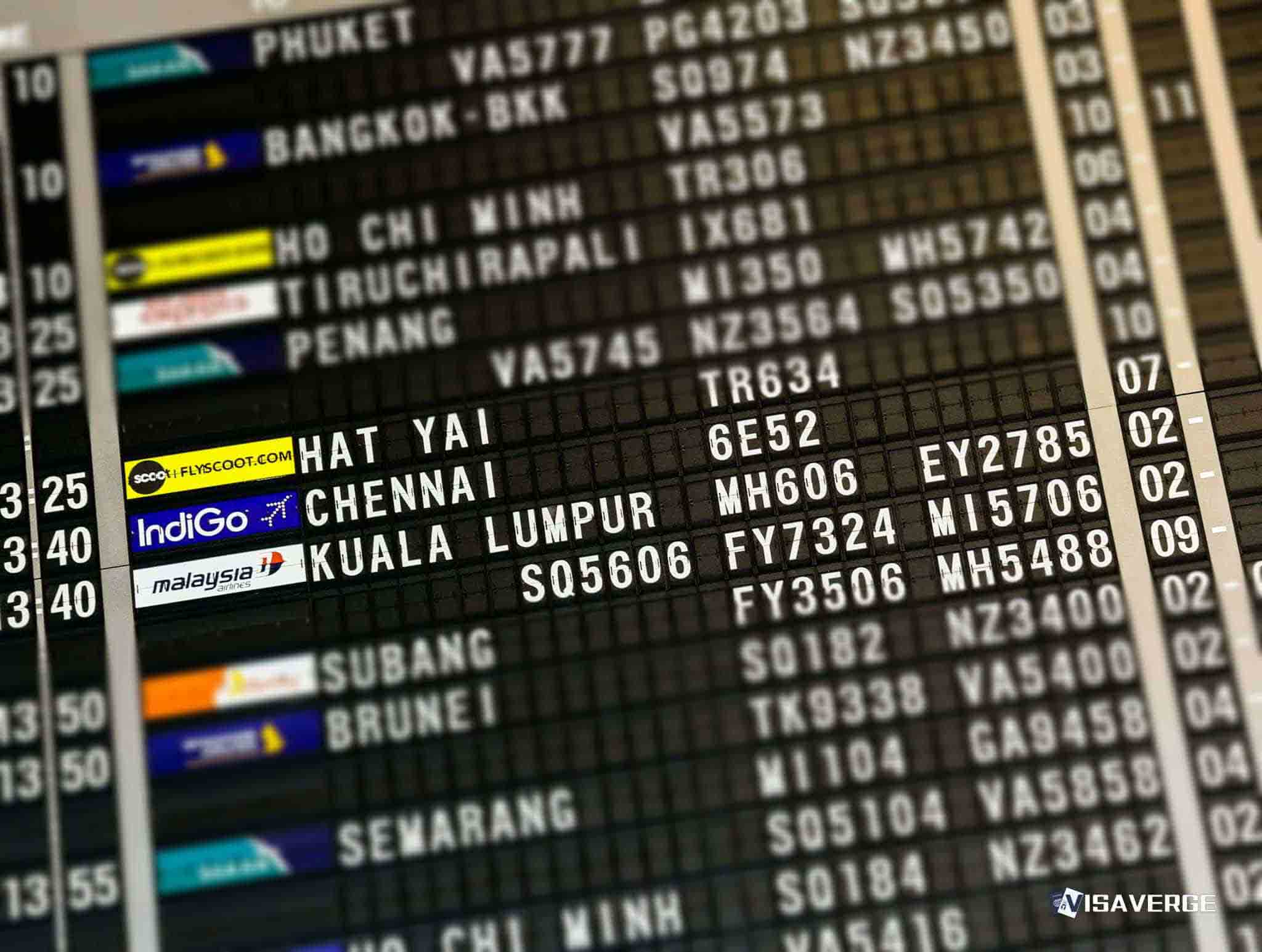
For Thursday travel, check your airline’s app and website before leaving for the airport, and re-check again about 3 hours before departure as rebookings and waivers tend to post in waves.
The temporary closure and subsequent avoidance of Iranian airspace have disrupted global aviation corridors. Air India canceled several U.S. routes, while IndiGo faces delays on European and Central Asian services. Despite the airspace reopening, airlines remain cautious, prioritizing safety over direct paths. This situation forces longer flight times and complex rebookings through international hubs, impacting passengers traveling between India, North America, and Europe.