- NCW Chairperson Vijaya Rahatkar demands immediate police action on Punjab’s escalating NRI marriage fraud crisis.
- Authorities must submit Action Taken Reports within three days for urgent cases involving abandoned brides.
- Approximately 32,000 women and 6,000 children in Punjab are currently left without financial or legal support.
(PUNJAB) – National Commission for Women (NCW) Chairperson Vijaya Rahatkar has flagged an escalating crisis of NRI marriage frauds in Punjab and directed Punjab Police to act quickly on complaints from abandoned brides, as data point to thousands of women and children left without support.
Rahatkar told state authorities to ensure timely redress, speed up investigations, improve coordination across agencies, and send Action Taken Reports, or ATRs, within three days in urgent cases. The intervention places immediate pressure on police handling complaints that often cross borders and jurisdictions.
Punjab remains the state most closely tied to this pattern of abuse, in part because of its large overseas population. Earlier government and NCW complaint data also placed Punjab at the top of the list for NRI marriage cases linked to the USA, UK, and Canada.
Free toolSubstantial Presence Test CalculatorNCW figures cited by Rahatkar put the number of women in Punjab abandoned by NRI husbands at about 32,000. In many cases, families say marriages were arranged by men living abroad who used the match to extract money, jewelry, and other valuables.
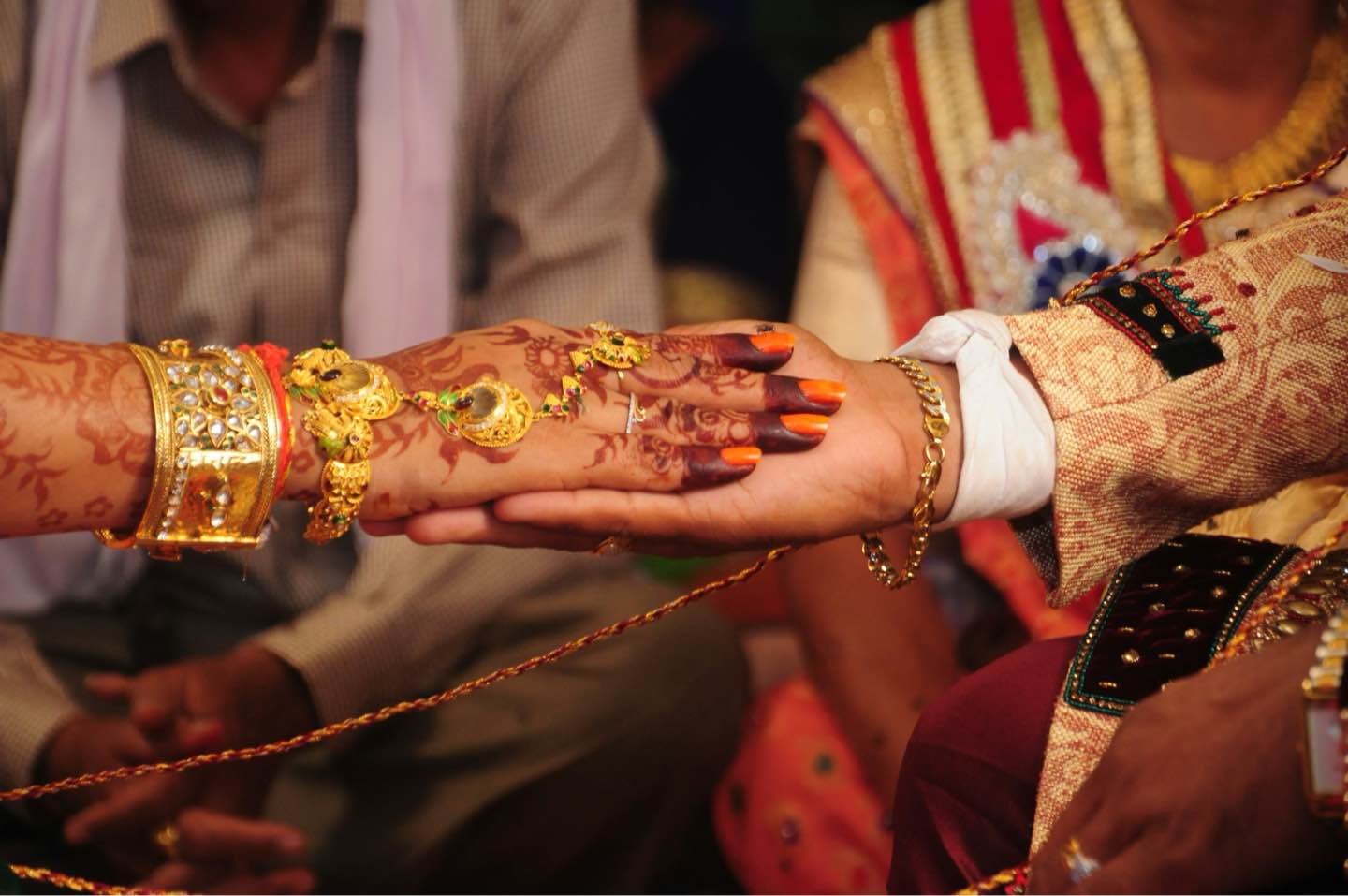
Accounts tied to these complaints follow a harsh pattern. Some women are left waiting at airports after travel plans collapse, some are abandoned in their in-laws’ homes, and some report dowry harassment even though dowry has been illegal in India since 1961.
Families also carry a heavy financial burden. Reported spending on dowry and marriage costs ranges from USD 30,000 to USD 41,000, or roughly ₹25–34 lakhs, sums that can wipe out savings and deepen debt.
Children are caught in the fallout as well. An estimated 6,000 children fathered by NRI grooms are living without support, adding custody, maintenance, and documentation disputes to the legal strain many mothers already face.
| Directive | Action | Deadline / Timeframe |
|---|---|---|
| Timely redress | Address complaints within official deadlines | As per stipulated timelines |
| ATR submission | Send Action Taken Reports to NCW in urgent matters | Within three days |
| Faster investigation | Speed inquiry and evidence collection | Immediate priority |
| Inter-agency coordination | Improve coordination among police and related authorities | Ongoing |
| Legal intervention | Provide timely legal support to affected women | At complaint stage and during proceedings |
⚠️ Note the urgency: three-day ATRs in urgent cases and faster investigations are required to protect abandoned women and children.
Police action now sought by the NCW goes beyond registration of complaints. Rahatkar asked for quicker movement on cases that often stall while women wait for documents, statements, or responses from multiple departments.
✅ Punjab Police and local authorities should act on complaints within fixed deadlines, send urgent ATRs within three days, coordinate across agencies, and connect women with timely legal support.
One legal problem recurs in these disputes: husbands may obtain divorce or dissolution orders in foreign courts before women in India can respond effectively. That can leave wives contesting marital status, child support, or maintenance across two legal systems at once.
Timely legal support may shape the outcome in such cases, especially where service of notice, recognition of foreign orders, or access to records becomes disputed. Women facing these issues typically need advice tailored to the court and country involved.
Historical complaint patterns show the problem did not appear suddenly. Data from the Ministry of Overseas Indian Affairs for 2004–2006 and NCW records for 2009–2017 identified Punjab as the top state for complaints involving NRI marriages, with repeated links to the USA, UK, and Canada.
Rahatkar’s intervention also revives a longer policy push in Delhi. The NCW has pressed for a stronger Indian law dealing specifically with NRI marriages, rather than leaving women to piece together remedies under scattered criminal, civil, and family statutes.
Proposals backed by the commission include compulsory registration of NRI marriages and exclusive legal cells in Indian High Commissions. Those cells could help abandoned brides abroad with local procedures, document access, and contact with Indian authorities.
Any legislative change would still depend on Parliament and on coordination between state police, central ministries, and Indian missions overseas. Until then, complaint handling by Punjab Police, especially the three-day ATR rule in urgent matters, may be the quickest test of whether the latest orders reach women who have already spent years in limbo.
This article discusses sensitive allegations of fraud and legal processes. Readers should note that individual cases vary and legal outcomes depend on jurisdiction and evidence.