


Accenture H-1B Fee Seen as Non-Issue, Yet Data Signals Ripple Effects
Julie Sweet called the $100,000 one-time H-1B fee a “non-issue,” yet Accenture filed 1,568 H-1B petitions in H1…

India Engaged With U.S. Over $100,000 H-1B Fee Proposal, MEA Says
India is actively engaging with U.S. officials over a proposed $100,000 one-time fee on new H-1B petitions. DHS…

The $100,000 Brain Tax: Is U.S. Innovation at Stake Now?
A new $100,000 fee on H-1B applications starts September 21, 2025, likely reducing sponsorships by smaller employers and…

Roemer: $100K H-1B Fee Could Be Reconsidered After Trade Deal
A proposed $100,000 one-time fee for new H-1B petitions has triggered industry and diplomatic pushback. The charge would…

Singh Says H-1B Fees and PLI Signal U.S. Containment of India
Navroop Singh claims U.S. H-1B fee increases, visa scrutiny, and export controls functionally aim to limit India’s shift…

Trump’s 100% Tariff on Branded Drugs Threatens India’s Pharma Sector
A 100% U.S. tariff on imported branded, patented drugs takes effect October 1, 2025 unless firms are building…

Immigration Crackdown Keeps Trump Base While Tariffs Weigh Heavily
A September 2025 Washington Post-Ipsos poll shows 56% disapproval of Trump, with immigration enforcement favored by supporters (55%)…

Dignity Act and HIRE Act: Higher FICA for OPT Wages
Congress is reviewing the Dignity Act, ending FICA exemptions for OPT students, and the HIRE Act, adding a…

Managing a US 401(k) Abroad: Rollovers, Withdrawals, Strategies
Expats can keep their 401(k), rollover to an IRA, or cash out. Direct rollovers are usually tax-free and…
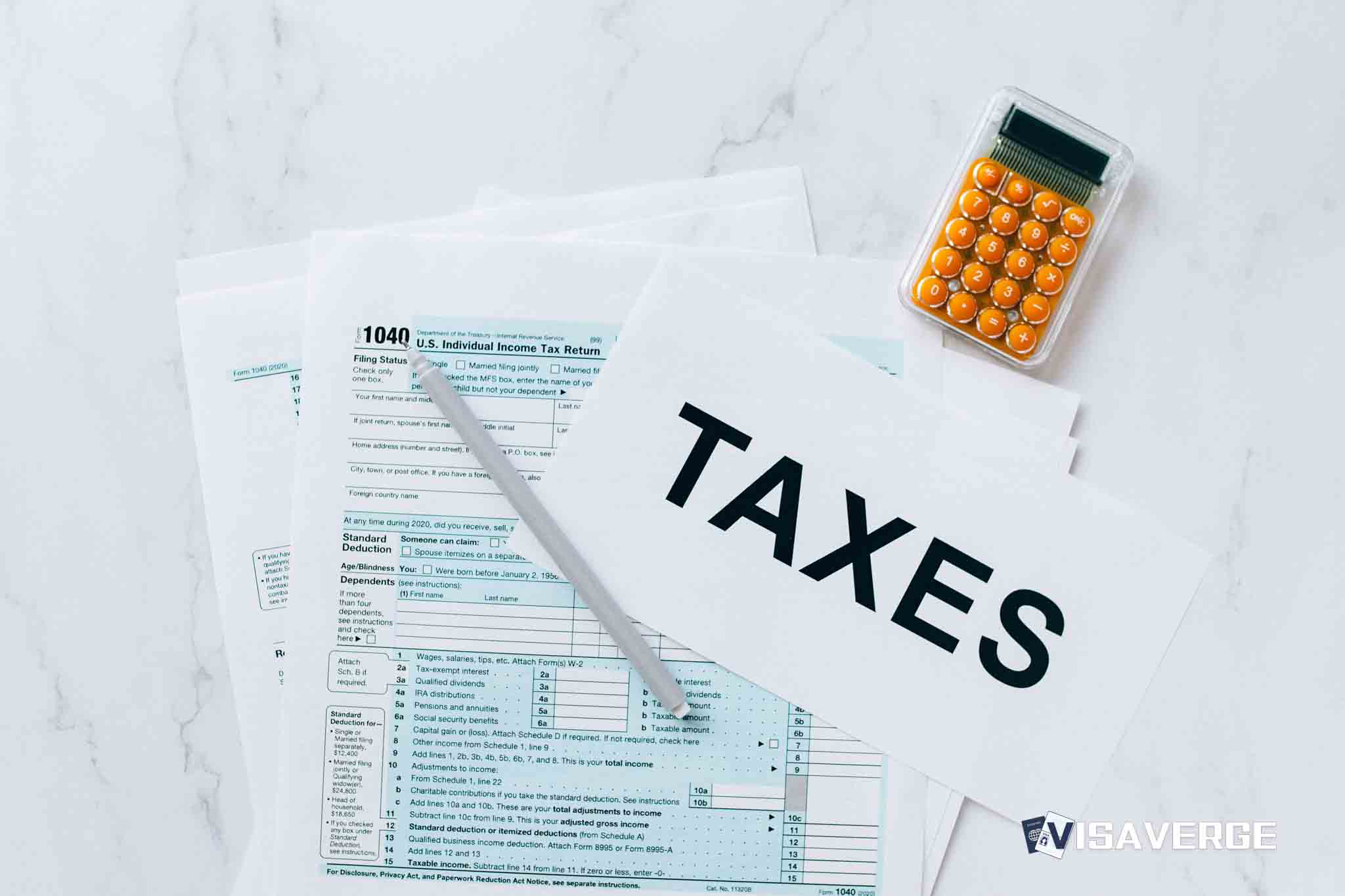
Returning to India: How to claim Employer Pensions and 401(k)
Returnees should claim EPF/EPS via EPFO and keep Certificate of Coverage if posted abroad. For 401(k)s, consider leaving…

Essential records to keep for audits after leaving the United States
Keep complete tax files for at least three years after moving abroad, including Forms 1040, 2555, 8938, FBARs,…

Determining India Tax Residency After Return: NRI, RNOR, and ROR
Residency depends on days in India: 182+ days or 60+365 over prior four years makes you resident; otherwise…

Optimal Strategy for India Retirement Corpus After US Savings
Combine US retirement accounts with an India-focused corpus built via SIPs into diversified equities, step-up contributions, NPS, debt…

US-India Tax Treaty: Implications for Avoiding Double Taxation
The US‑India treaty assigns taxing rights by income type and prevents double taxation via credits or exemptions. Residence…