


Who Can Claim the 2024 EIC: Income, SSN, and Residency Rules
This guide explains EIC eligibility for 2024, including income and AGI limits, the $11,600 investment-income cap, SSN and…
Credit for Other Dependents (ODC) 2025: Eligibility and Limits
The ODC is a $500 nonrefundable credit per qualifying dependent through 2025, available for dependents who don’t meet…
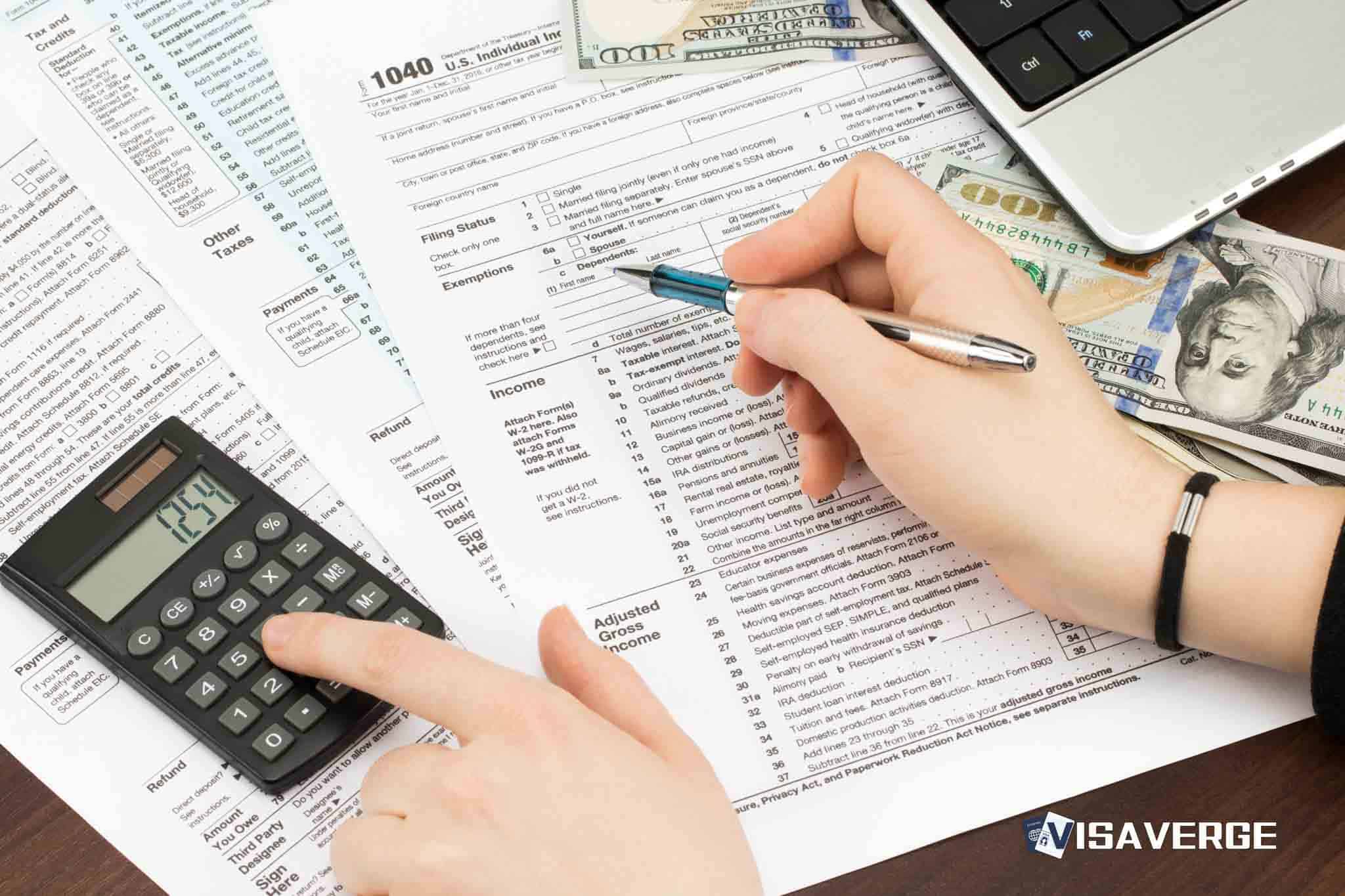
2024–2025 Child Tax Credit: CTC $2,200 and New SSN Rule
For 2025 the CTC rises to $2,200 per child and will be inflation-indexed, but the ACTC refund cap…

Overview of 2018-2025 Child Tax Credit, ODC, and ACTC Rules
Through 2025, families can claim a $2,000 CTC per qualifying child and $500 ODC if required TINs are…

Tax Advantage and Costs Shape Immigrant Settlement in TX and FL
Many foreign-born workers now favor Texas and Florida because no state income tax and lower housing costs increase…
US 100% Tariff on Branded Drugs: Implications and Carve-Outs
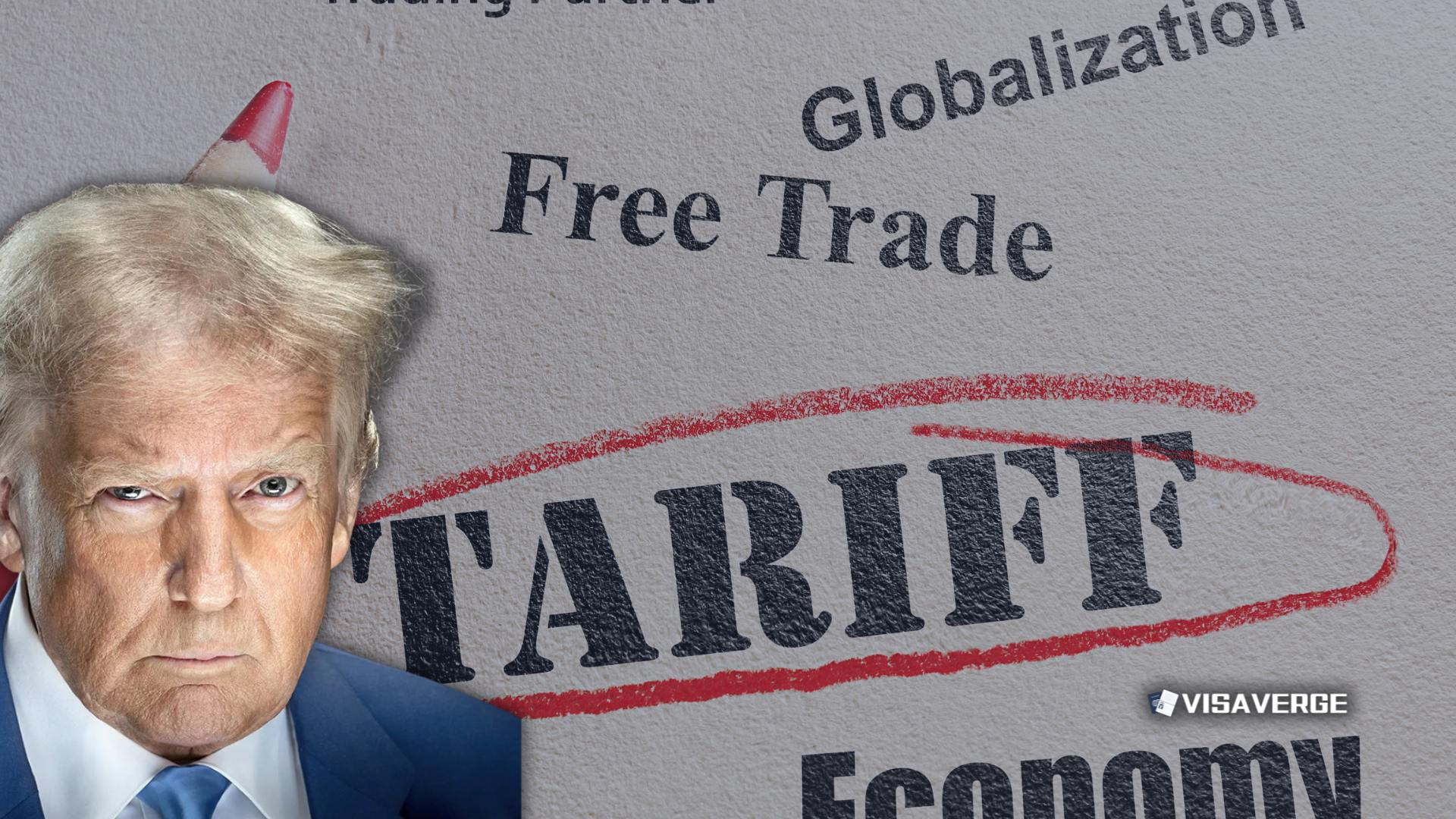
Starting October 1, 2025, the U.S. will levy a 100% tariff on imported branded/patented drugs, with an exemption…

Funding EB-5 from India under RBI LRS: pooling, gifts, and steps
Families use RBI’s LRS (USD 250,000 per year) plus co-ownership, cross-year timing, or gifts to assemble EB-5 capital.…
US Pushes Market Reforms on India and Brazil Amid Tariff Pressure
The U.S. imposed heavy 2025 tariffs—50% on many Indian and Brazilian exports—and tightened de minimis rules to pressure…

India-U.S. Talks Face Section 232 Tariffs, Casting Doubt on a Deal
The U.S. widened Section 232 probes into key sectors, including a planned 100% pharma tariff from October 2025,…
Finance Ministry: H-1B Fee Shock Real, Yet Manageable for India
India says the U.S. one-time USD 100,000 H-1B fee risks IT export earnings and jobs but can be…

New Tariffs and H-1B Surcharge Aim to Protect Jobs, Critics Warn of Risks
The White House plan imposes a 10% baseline tariff, higher targeted duties including 100% on some Indian drugs,…

H-1B Fee Hike Spurs Remote Overseas Hiring by U.S. Firms
Effective September 21, 2025, a $100,000 surcharge applies to new H-1B petitions, with no payment process yet available.…
India Could Benefit as U.S. H-1B Fee Pushes Talent Home
The U.S. will impose a $100,000 one-time fee on new H-1B petitions filed after September 21, 2025, exempting…

How International Students Subsidize U.S. Education—and the H-1B Crackdown
A proposed $100,000 one-time fee on new H-1B petitions could deter international students, cut university revenues (potentially $3…