- President Marcos proposes raising income tax exemptions to 350,000 pesos for burdened workers.
- The government will remove minimum corporate taxes for small businesses to support economic growth.
- Assistance programs target 7.5 million families with over 60 billion pesos in total funding.
President Ferdinand Marcos Jr. said Monday that the Philippines will pursue tax relief for workers and small businesses strained by the lingering Middle East crisis.
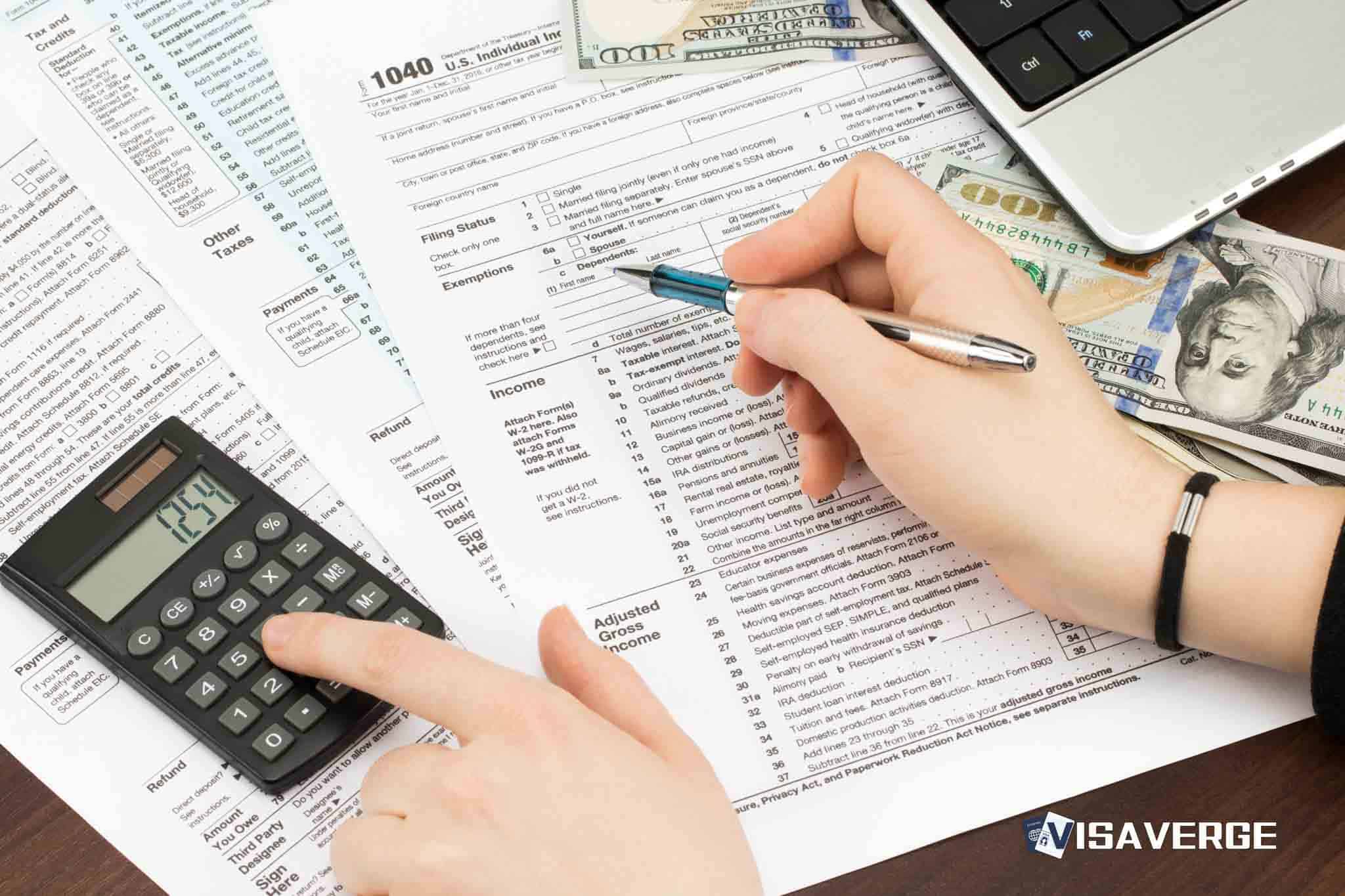
In his fifth State of the Nation Address on July 27, 2026, Marcos proposed raising the annual income tax exemption threshold to P350,000 from P250,000. He also called for lower rates for other workers.

The package would remove the minimum corporate income tax for small businesses. Marcos also urged Congress to approve a tax amnesty covering unpaid income tax, estate tax, donor’s tax and value-added tax, with penalties included.
He framed the measures as support for “the continued progress of the middle class.”
“Magbibigay ng bahagyang ginhawa para sa ating bayaring buwis,” Marcos said.
The proposals form part of a wider response to a regional crisis that has pushed up fuel costs and disrupted Filipino workers and businesses. The government has allocated more than P60 billion for crisis-related support through the end of 2026, according to the address and related government information.
The package would widen relief for workers and small companies
The proposed threshold change would extend income tax exemption to employees earning no more than P350,000 annually. The current threshold cited in the research is P250,000.
Workers earning above the new threshold would receive lower income tax rates under the proposal. The measures aim to protect purchasing power as inflation raises household costs and pushes some earners into higher brackets.
Small businesses would receive a separate change. Marcos proposed eliminating the Minimum Corporate Income Tax, or MCIT, for those enterprises.
The government presented the package as a way to promote growth, generate revenue and advance equity toward socio-economic sustainability. Speaker Dy said the House “fully supports” the package to adjust income tax brackets.
The relief still requires legislative action where Congress must approve the proposed changes. Marcos specifically urged lawmakers to pass the unpaid-tax measure covering four tax categories.
Unpaid taxes and micro-taxpayer cases would receive separate treatment
The proposed amnesty would cover unpaid income tax, estate tax, donor’s tax and value-added tax. It would also cover penalties attached to those liabilities.
A separate program already targets micro-taxpayers. The Bureau of Internal Revenue implemented a one-time tax abatement under Revenue Memorandum Circular No. 84-2026 for micro-taxpayers with pending cases or unpaid penalties as of Dec. 31, 2025.
That program differs from the broader congressional measure. The BIR action addresses specified micro-taxpayer cases, while the proposed amnesty would cover unpaid taxes across the four categories identified by Marcos.
The government also wants the package to support businesses affected by the crisis rather than only reduce taxes for individual earners. Removing MCIT would change the minimum corporate tax burden for small enterprises during the emergency.
Aid programs would reach 7.5 million families
Marcos said the government has targeted 7.5 million families for crisis assistance through the end of the year. The group includes 3.5 million beneficiaries of the Pantawid Pamilyang Pilipino Program, or 4Ps, and Walang Gutom.
The plan also covers 1.5 million minimum-wage earners under the Social Security System and 2.5 million poor Filipinos who have not yet received aid.
A one-time P2,000 payment is designated for the 3.5 million 4Ps beneficiaries. The government has also distributed P58 billion to local government units for immediate relief, while more than P60 billion has been earmarked for crisis programs through the end of 2026.
The figures describe separate parts of the response. The P60 billion allocation covers crisis-related assistance through year-end, while the P58 billion distribution went to local governments for immediate relief.
Marcos has also allocated an additional P3 billion for the repatriation and reintegration of overseas Filipino workers, known as OFWs. The government says 12,000 OFWs have been repatriated and more than 140,000 have received food, financial or medical assistance.
Repatriated workers would get job and savings support
The Department of Migrant Workers reported that 16,660 Filipinos received on-site assistance in the Middle East. Secretary Hans Leo Cacdac also confirmed the deployment of “augmentation teams” to surrounding areas in March 2026.
Returning workers can receive support through the Bayanihan para sa Balikbayang Manggagawa job fairs. OFWs who remain home “for good” can also receive P150,000 in reintegration aid.
Claire Castro, an undersecretary at the Presidential Communications Office, announced a special benefits package on April 6, 2026. It allows returning OFWs to withdraw 100% of Pag-IBIG savings early.
The measures extend beyond tax policy. They combine cash support, employment assistance, savings access and reintegration funding for workers affected by the conflict.
Customs will waive taxes on some returning Philippine goods
A separate Bureau of Customs measure addresses Philippine-made goods whose export voyages were aborted by the crisis.
Commissioner Ariel F. Nepomuceno issued a memorandum allowing those goods to re-enter the Philippines duty-free and tax-free. The measure applies to Philippine-made products whose export voyages were interrupted by the regional emergency.
That customs action gives companies another route to limit losses when shipments cannot complete their planned voyages. It sits alongside the proposed MCIT change for small businesses and the broader unpaid-tax proposal.
Finance Secretary Frederick D. Go said in March that the government’s focus was on measures it could influence domestically.
“Our focus is on what we can influence. the reforms we implement. domestically,” Go said on March 17, 2026.
Fuel disruption drove the government’s broader response
The economic emergency followed a regional conflict that escalated on February 28, 2026, with strikes involving U.S.-Israeli forces and Iran. The crisis included a blockade of the Strait of Hormuz, a maritime route used for major oil shipments.
Fuel prices rose sharply in the Philippines. Diesel reached as high as P146 per liter in early 2026.
Marcos declared a state of national energy emergency to prioritize resources for fuel subsidies and energy security. The government’s crisis package therefore combines tax proposals with assistance aimed at households, local governments, businesses and overseas workers.
The tax proposals now move to Congress for action, while several assistance and administrative measures are already operating. The House has expressed support for changing income tax brackets, and the BIR’s micro-taxpayer abatement carries a Dec. 31, 2025 cutoff for eligible cases.
This article is for informational purposes only and does not constitute tax advice. Consult a qualified tax professional or CPA about your specific situation.