Key Takeaways
• Tariffs could reduce U.S. GDP by 0.5%, costing $115 billion and eliminating 114,000 jobs, especially in manufacturing industries.
• February 2025 tariffs increased consumer costs by $830/year per household, with potential rises from retaliatory measures by trade partners.
• Proposed 25% tariffs on imports may raise U.S. average tariff rates to 13.8%, the highest since 1939, straining global relations.
If the United States loses its current trade war with key trading partners, the economic and social toll may be far-reaching and deeply impactful. Examining this issue offers insight into the potential repercussions on the U.S. economy, recovery pathways, and the broader stakes that this conflict represents for the nation. President Trump’s trade policies have initiated a series of retaliatory actions from countries such as China ??, Canada ??, and Mexico ??, escalating tensions further. Understanding the potential effects is critical to formulating informed responses.
The Economic Impact of Losing a Trade War
A lost trade war, characterized by the U.S. failing to meet its strategic goals and enduring continued retaliatory measures, would carry severe economic consequences. These fall across several critical areas.
GDP Reduction
The U.S. gross domestic product (GDP) is poised to shrink if escalating trade tariffs remain in effect. It’s estimated that these policies might slash long-run GDP by 0.5%. Based on 2024’s economic figures, this would result in approximately $115 billion in lost economic output. This reduction stems from higher costs faced by businesses and retaliatory tariffs shrinking international demand for U.S. exports.
Job Losses
The trade conflict has already shown its potential to harm American workers. The tariffs initially imposed by President Trump during 2018–2019 eliminated 142,000 full-time jobs. New rounds of tariffs, particularly those targeting imports from China ??, could result in the loss of an additional 114,000 jobs. Specific industries, such as manufacturing, remain most vulnerable due to their reliance on global supply networks now disrupted by ongoing policies.
Rising Consumer Costs
The burden of trade conflict often falls most heavily on consumers, who face higher prices on everyday goods. Tariffs essentially act as taxes on imported goods, which businesses often pass onto buyers. For example, the series of tariffs introduced on February 4, 2025, alone are poised to cost an average U.S. household $830 per year. If retaliatory tariffs from nations like Mexico ?? and Canada ?? are factored in, these costs may increase further, disproportionately affecting low-income households.
Trade Flow Disruption
The United States relies heavily on imports from neighboring countries and global partners. More than 40% of total U.S. imports – valued at over $1.3 trillion in 2024 – came from Mexico, China, and Canada. The imposition of tariffs interrupts these established trade flows, leading to higher costs and delays in securing necessary goods. Businesses dependent on global supply chains, including small manufacturers, may face cascading impacts.
Industry-Specific Challenges
Some industries may bear higher costs than others due to their heavy reliance on international supplies. For instance, the automotive sector is significantly affected by a proposed 25% tariff on cars and vehicle parts. This single measure alone is expected to reduce U.S. GDP by 0.1% and potentially eliminate 81,000 jobs. Such losses would ripple throughout related industries, further widening the economic toll.
Prospects for Recovery
Though the economic impacts of losing a trade war are daunting, recovery remains possible. However, the timeline and scope of recovery depend on both domestic actions and the global response.
Short-Term Recovery (1–2 Years)
Quick resolution of trade disputes offers the fastest route to economic recovery. For this scenario, the U.S. government would need to successfully renegotiate trade agreements and remove existing tariffs. Within one to two years, businesses could rebound, while consumer costs may ease. However, achieving such swift resolutions would require significant policy shifts and diplomatic cooperation.
Medium-Term Recovery (3–5 Years)
A more realistic pathway to recovery extends over three to five years. This allows for businesses to redesign disrupted supply chains and labor markets to stabilize. New trade agreements with key partners like Mexico ?? and Canada ?? would be vital during this phase. As the U.S. reevaluates its trade practices, the economic fallout could gradually subside.
Long-Term Challenges and Adjustments (5+ Years)
In a worst-case scenario, recovery could stretch beyond five years. A lengthy trade war could trigger permanent shifts in global trade patterns, forcing the U.S. to reshape industries like manufacturing and technology. Building relationships with alternative trading partners or domestically producing formerly imported goods could take years or even decades, ensuring that some damages remain.
What’s at Stake in the Trade War?
The stakes extend beyond the immediate economic consequences to areas such as U.S. global standing, supply chain resilience, and consumer welfare.
Economic Growth and Stability
The proposed tariffs threaten to undermine long-term economic growth, with projected GDP losses across multiple sectors. This reduced growth may hinder federal and state budgets reliant on steady income from economic activities.
International Leadership
The U.S. has long held influence over global trade rules and practices. However, the trade war isolates the country diplomatically. Losing this leadership role could weaken the country’s position in forums like the World Trade Organization or G7 discussions, limiting its ability to shape future trade norms.
Supply Chain Challenges
A large part of the U.S. economy relies on global supply chains that efficiently deliver raw materials, goods, and technology inputs. Disruptions caused by tariffs may force firms to source higher-cost alternatives domestically or from less efficient trading partners. Such changes raise costs that ultimately hurt both consumers and industries.
Consumer Hardship
As noted, American consumers face escalating costs on numerous goods. Tariffs disproportionately hurt lower-income families, who spend larger portions of their income on necessities. For the average U.S. household, ongoing tariffs translate into steep annual costs, further constrained by stagnant wage growth.
Diplomatic and Strategic Relations
The trade war has created tensions not only with traditional rivals like China ?? but also with allies like Canada ?? and the European Union ??. Repairing strained relations may demand greater concessions in future trade agreements, eroding U.S. influence.
Technological Innovation
High-tech industries, especially those requiring global collaboration, could suffer from reduced access to international markets or pricy raw materials. With a diminished ability to compete at a global level, American firms may lag in innovation.
Recent Developments and a Look Ahead
Several recent moves have set the stage for the current trade dynamics:
– On February 1, 2025, President Trump issued executive orders imposing new tariffs at rates of 10% for Chinese goods and 25% for imports from Canada ?? and Mexico ??.
– China ?? responded with $13.9 billion in tariffs on U.S. exports, effective February 10, 2025, a move that deepened the economic standoff.
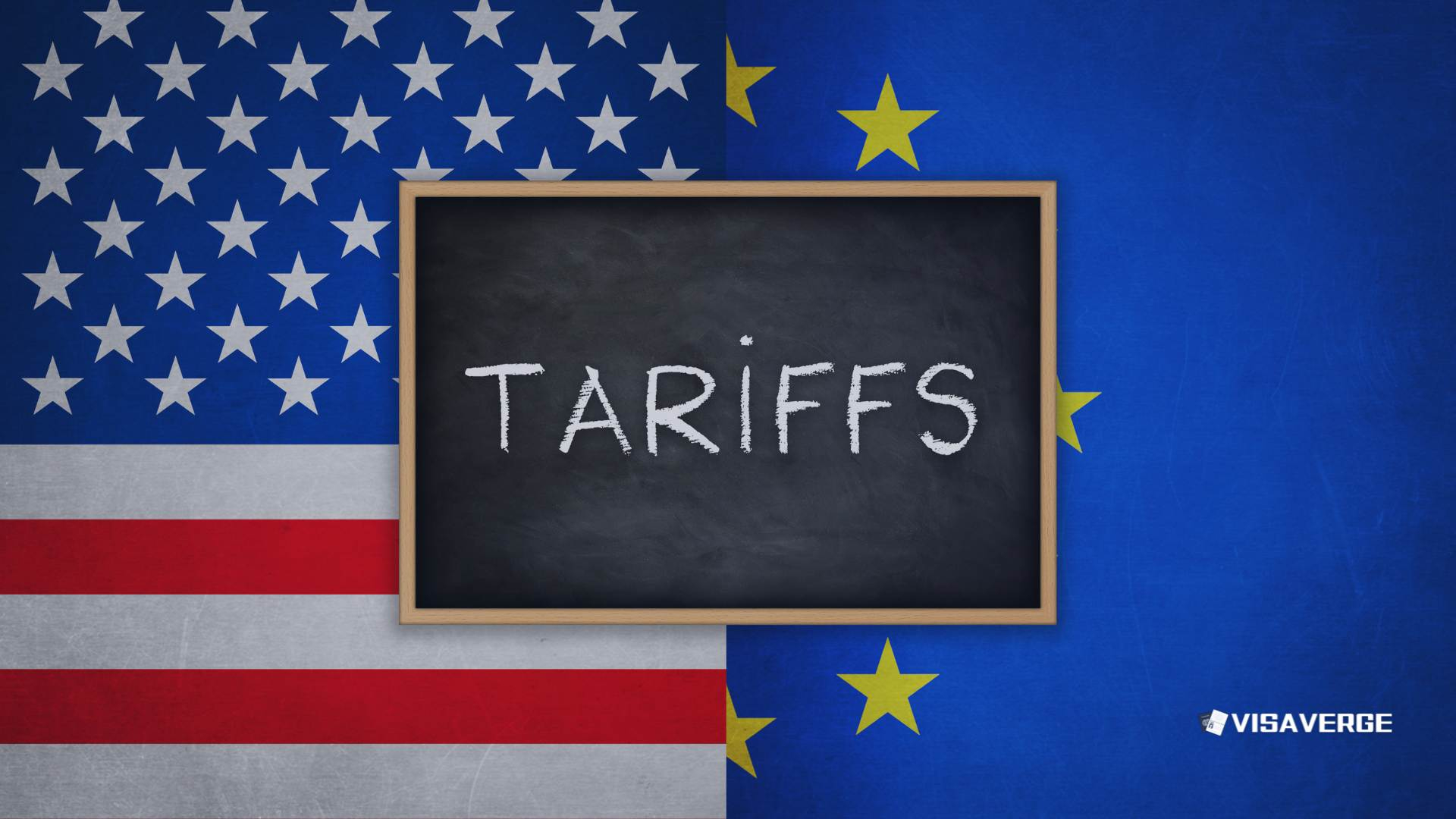
– Potential tariffs on European ?? imports loom, with a 25% rate slated for decision by April 2025.
– If all proposed tariff measures proceed, the average tariff on U.S. imports could reach 13.8% – the highest since 1939.
Looking ahead, the results of President Trump’s “America First Trade Policy” review, due by April 30, 2025, could dictate the next chapter. Businesses and policymakers alike are anxiously awaiting strategic decisions, hoping to ease tensions and stabilize markets.
Final Considerations
If the United States loses this trade war, the ripple effects will not only damage the economy but also reshape its role on the global stage. Disruptions in trade will cost billions of dollars, cut thousands of jobs, and levy steep costs on households. Recovery is possible—but only with concerted action to resolve trade tensions and rebuild international partnerships. Policymakers must consider the wide-ranging implications on economic growth, innovation, and American leadership before making further decisions.
For additional details on U.S. federal trade policies, visit the official site of the United States Trade Representative at ustr.gov. Their resources provide key governmental updates.
Analysis from VisaVerge.com emphasizes that a balanced approach—one that safeguards national interests while engaging collaboratively with allies—may offer the best hope for mitigating losses in this escalating trade conflict. Careful planning and negotiation are critical as the U.S. navigates its path forward.
Learn Today
Trade War → A conflict between countries, characterized by imposing tariffs or restrictions to harm each other’s trade.
Retaliatory Tariffs → Taxes imposed by one country on imports from another in response to similar actions taken by the latter.
Gross Domestic Product (GDP) → The total value of goods and services produced within a country over a specific time period.
Supply Chain → A network of organizations, resources, and processes involved in producing and delivering goods to consumers.
Tariff → A tax or duty placed on imported or exported goods, often used to protect domestic industries or retaliate.
This Article in a Nutshell
The Ripple Effect of a Lost Trade War
If the U.S. loses its trade war, economic fallout looms large: diminished GDP, job losses, higher consumer costs, and strained global ties. Industries reliant on international supply chains face lasting disruptions. Recovery requires swift diplomacy and balanced policies. The stakes? America’s economic resilience and global influence hang in the balance.
— By VisaVerge.com
Read more:
• Canada Expands Express Entry to Welcome 19 New Skilled Trades
• Pakistan and Bangladesh Reopen Trade Ties After More Than 50 Years
• Piyush Goyal: Immigration Not Part of India-UK Trade Agreement Talks
• UK Ministers Head to India to Revive Talks on Crucial Trade Deal
• Trump-Modi Talks: Unequal Gains in Visas, Trade, and Technology Deals