Key Takeaways
• U.S. tariffs on cars and auto parts, rising 25% on April 3, 2025, prompted China, Japan, and South Korea’s joint response.
• Agreements include a coordinated tariff strategy, fortified supply chains, and accelerating a trilateral free trade agreement to enhance regional resilience.
• The trilateral effort may reduce U.S. market dependency, stabilize key industries, and alter global trade dynamics through strengthened East Asian ties.
In a significant development, China ??, Japan ??, and South Korea ?? have pledged to jointly address the challenges posed by U.S.-imposed tariffs. On March 30, 2025, the three nations held their first high-level economic dialogue in five years. This meeting aimed to forge a unified approach to the economic difficulties created by the latest tariffs, particularly those on automobiles and auto parts, industries vital to all three economies. These tariffs, set to rise by 25% starting April 3, 2025, have spurred the three East Asian powerhouses to commit to collective action, highlighting unprecedented regional cooperation.
What’s Driving the Unified Response?
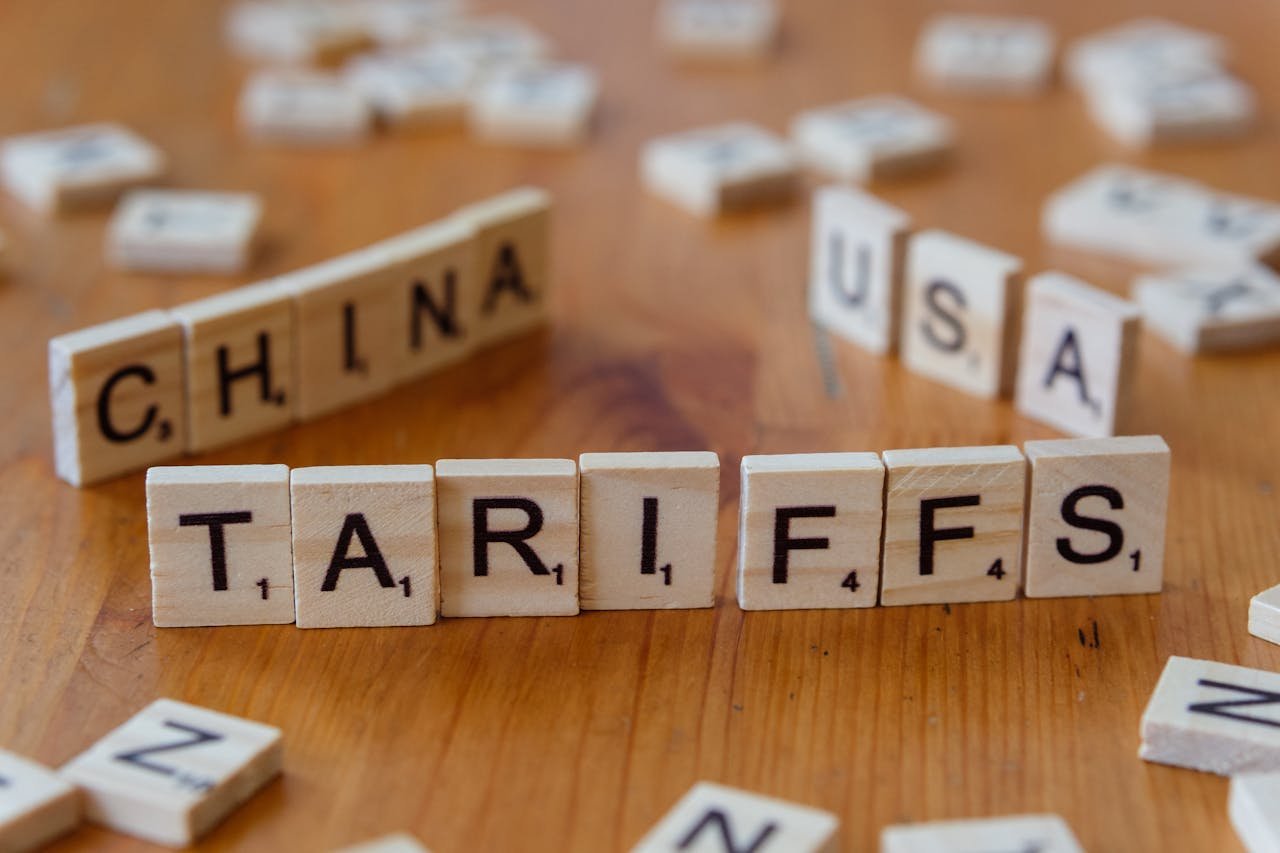
The current situation stems from the resurgence of U.S. tariffs under President Donald Trump’s administration. Citing issues of national security and trade imbalances, the U.S. has intensified pressures on global trade partners, including China, Japan, and South Korea. Key among these measures are heightened tariffs on cars and auto parts—industries where these countries maintain global competitiveness. These policies, described as protectionist by many, have compounded years of trade friction that date back decades.
China and South Korea have long contended with U.S. trade barriers, with disputes involving intellectual property rights, technology transfer requirements, and market access challenges. Meanwhile, Japan has faced consistent issues over its automobile exports. These tensions have grown sharper under the backdrop of unilateral U.S. actions, ranging from tariff impositions to export restrictions. The introduction of new tariffs on products, including manufactured goods, is only the latest in a series of measures straining relations between the U.S. and East Asia.
Agreements Reached at the Economic Dialogue
Despite decades of political tensions and historical grievances, the economic dialogue saw a remarkable shift toward cooperation. The three nations identified key initiatives to tackle U.S. trade policies while strengthening their own regional ties. Several significant agreements emerged:
- Unified Strategies Against U.S. Tariffs
The three countries agreed to coordinate their responses to U.S. trade actions. By uniting their efforts, they aim to dilute the impact of tariffs on their respective industries. These measures include potential counter-tariffs, showcasing their collective leverage in global trade negotiation processes. - Strengthened Supply Chain Networks
Recognizing the vulnerability of critical industries like automotive production and semiconductors, the three nations pledged to fortify regional supply chains. China, for instance, offered to supply raw materials for chip production, enabling Japan and South Korea to scale up semiconductor manufacturing. As the global technology sector grapples with shortages and geopolitical pressures, this cooperation could stabilize production lines across Asia. -
Trilateral Free Trade Agreement
Another major breakthrough was the commitment to accelerate discussions on a trilateral free trade agreement. Combined with existing frameworks like the Regional Comprehensive Economic Partnership (RCEP), this move aims to reduce dependency on markets subject to external disruptions, such as the United States. It also underlines the long-term goal of increasing regional economic self-reliance.
An Opportunity Amid Historical Tensions
It’s worth noting that the collaboration between China, Japan, and South Korea is far from simple. Decades of territorial disputes, wartime memories, and political friction have hindered the trio’s ability to work closely in the past. Nonetheless, their recent effort highlights an essential truth: economic ties often supersede historical or political differences when mutual interests are at stake.
This regional partnership takes place against a backdrop of pressing issues such as territorial disputes in the East China Sea and mounting environmental challenges. Still, the nations’ cooperation on trade matters presents a blueprint for reconciling differences to achieve shared goals. Experts view this dialogue as an example of pragmatic problem-solving, where all sides acknowledge that working together may counterbalance the destabilizing effects of U.S. trade policies.
Delving into the U.S.-East Asia Trade Relationship
The relationship between the United States and East Asia has always been marked by cycles of cooperation and friction. Each of the three nations—China, Japan, and South Korea—brings a unique history to the table:
- China ??: Over the years, the U.S. has accused China of practices such as manipulating its currency and stealing intellectual property, leading to heightened trade tensions. The U.S.-China trade war that peaked in 2018 remains a critical turning point. Even after partial trade agreements, significant tariffs on Chinese goods persist, exacerbating economic divides.
-
Japan ??: The U.S. and Japan have historically clashed over automobile exports. Japan’s dominance in the global auto market sparked major disputes in the 1980s and 1990s. While the expansion of Japanese-owned factories in the U.S. helped ease some tensions, these issues have resurfaced under new tariff policies.
-
South Korea ??: South Korea’s economic development has often been punctuated by trade tensions with the U.S. While signing the Korea-U.S. Free Trade Agreement in 2012 resolved some disagreements, industries like electronics and automobiles remain contentious. Trade barriers tied to South Korean exports continue to test bilateral relations.
The newly imposed tariffs have made it increasingly clear to all three countries that independent responses may prove insufficient. A united strategy appears to be their most effective option.
Global Impact of East Asia’s Joint Effort
The collective response from China, Japan, and South Korea has the potential to reshape international trade norms. Here’s what stands out as their cooperative approach begins to take effect:
- Trade Realignments: The decision to intensify regional trade ties could reduce reliance on the U.S. market. This shift may encourage other nations to strengthen regional trade blocs, challenging the traditional dominance of trans-Pacific partnerships.
-
Technology and Supply Chain Stability: If the three countries successfully bolster the supply chains for key industries like semiconductors, their efforts could serve as a model for achieving industrial stability. This is particularly critical given recent supply chain disruptions that have caused production losses in global industries ranging from cars to consumer electronics.
-
Possible U.S. Policy Adaptations: The united front presented by these three nations may force the U.S. to rethink its approach to tariffs and trade policies. Collaborative strategies among U.S. trade partners could weaken its leverage, potentially initiating a shift in its diplomatic and trade priorities.
How the Trilateral Effort Reflects Changing Global Dynamics
What makes this cooperation between China, Japan, and South Korea so important is its broader symbolism. It reflects a shift in how nations are navigating an increasingly polarized economic environment. By setting aside historical and political tensions, these three countries demonstrate that unity, even if limited to economic issues, can yield meaningful progress.
At a time when protectionism is on the rise, their actions are a rare instance of regional collaboration aimed at stabilizing and future-proofing economies. With the first set of U.S.-imposed tariffs on cars and auto parts set to take hold within days, the world will be watching closely to see how effective this trilateral approach becomes.
As VisaVerge.com highlights, global trade remains a complex and constantly evolving domain. The united stance of China, Japan, and South Korea may be a defining story in how nations balance cooperation and competition in the face of external challenges. For readers seeking additional details on international trade laws and agreements, the official World Trade Organization site offers a reliable resource: World Trade Organization.
This trilateral effort has far-reaching potential—not only for the prosperity of East Asia but as a roadmap for international collaboration in an increasingly divided world. Whether this initiative succeeds will depend on how the three nations manage their historical complexities, maintain trust, and navigate the challenges ahead. What’s clear is that the stakes couldn’t be higher, and this effort stands as a bold statement in favor of unity amid adversity.
Learn Today
Tariff → A tax imposed by a government on imported or exported goods to regulate trade and protect domestic industries.
Supply Chain → A network of organizations, people, and processes involved in producing and delivering a product to consumers.
Protectionism → Economic policy restricting imports through tariffs or regulations to protect domestic industries from foreign competition.
Regional Comprehensive Economic Partnership (RCEP) → A major trade agreement among Asia-Pacific nations aiming to reduce tariffs and strengthen regional economic ties.
Trilateral Free Trade Agreement → A proposed trade agreement between three nations to eliminate trade barriers and promote economic cooperation.
This Article in a Nutshell
China, Japan, and South Korea just united to counter U.S. tariffs, marking a rare alliance in the face of economic strain. Centered on autos and semiconductors, their strategy includes regional supply chains and a potential free trade deal. This collaboration highlights a pragmatic pivot: shared economic survival over historical rivalries.
— By VisaVerge.com
Read more:
• China Airlines Adds Ten Airbus A350-1000 Jets to Modernize Fleet
• China Lowers Visa Fees for Indians, Over 50,000 Already Approved
• India Limits Medical Visas for Bangladesh, Creating Space for China
• U.S. Blocks Visas for Thai Officials Over Uygur Deportations to China
• China Plans to Strengthen Ties with Canada Based on Mutual Respect