In an era where global mobility and international travel have become essential aspects of economic growth, cultural exchange, and diplomacy, the European Union (EU) has taken a significant step toward updating its mechanism for suspending visa-free travel agreements with third countries, specifically concerning Citizenship by Investment (CBI) countries. This move signals the EU’s commitment to safeguarding its borders while addressing the potential misuse of its visa-free privileges.
What Triggered the EU’s Move Towards Updating Visa-Free Suspension Mechanisms?
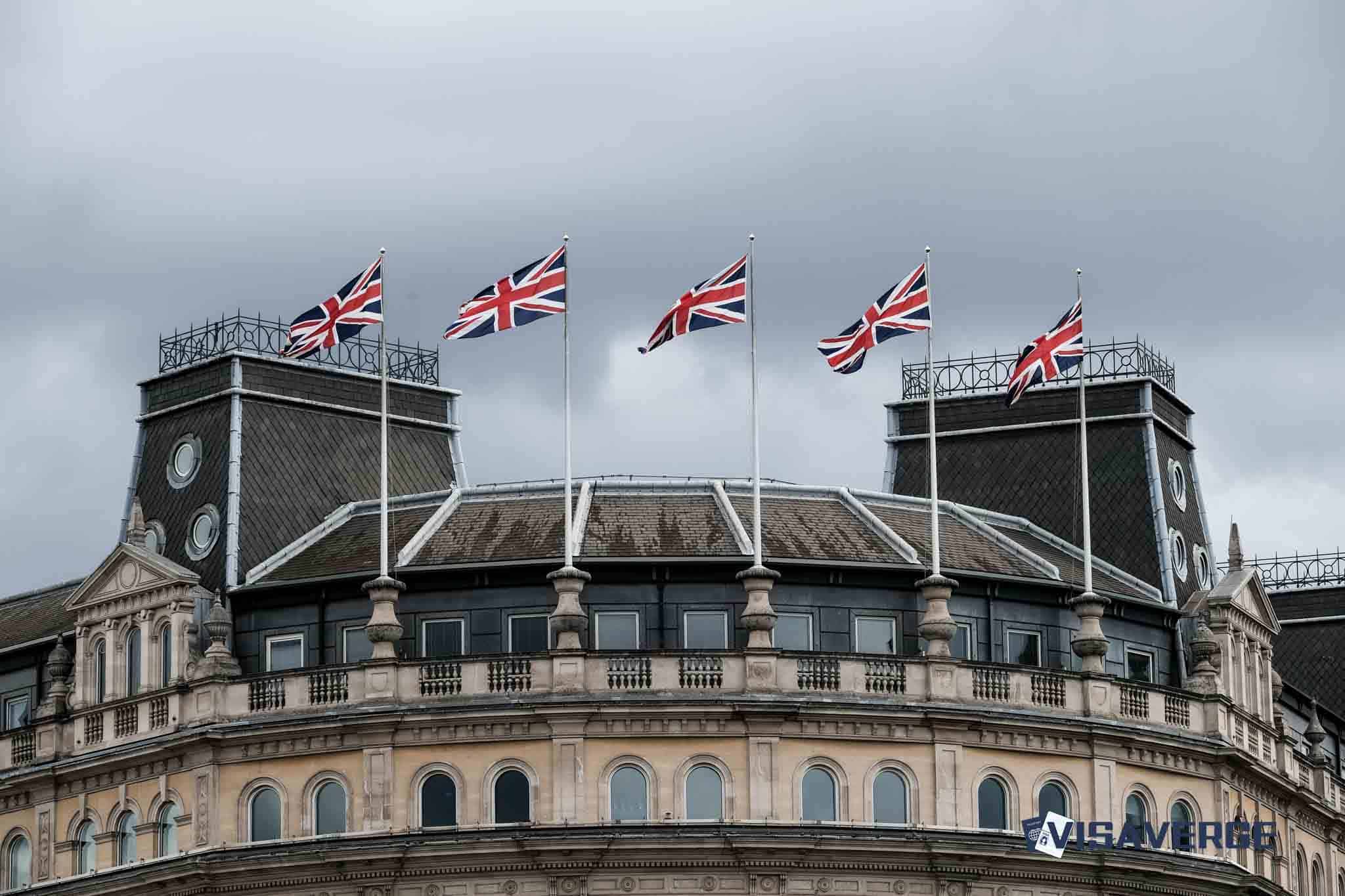
The EU Council, via its ambassadors in the Committee of Permanent Representatives (Coreper), has endorsed a proposal to revamp the regulations governing the suspension of visa-free travel. This development aims at enhancing the EU’s capacity to respond effectively to situations where visa exemption is exploited or operates contrary to the bloc’s interests.
Free toolSchengen Short-Stay Visa CalculatorNew Grounds for Suspending Visa-Free Regimes
Under the proposed updates, the EU introduces several new criteria for potentially suspending visa-free travel agreements:
– Non-alignment of a visa-exempt country’s visa policy with that of the EU, particularly if it leads to increased arrivals due to geographical proximity.
– Operation of an investor citizenship scheme, where citizenship is granted in exchange for payments or investments without a genuine link to the country.
– Hybrid threats and deficiencies in the legality or procedures concerning document security.
Additionally, the EU could suspend visa-free travel if there is a significant and sudden deterioration in its external relations with a third country, especially regarding human rights and fundamental freedoms.
Existing Grounds to Remain
It’s important to note that the new proposal retains several grounds for suspension that were already in place. These include:
– A substantial rise in the number of nationals being refused entry or overstaying.
– A significant jump in the number of unfounded asylum applications from citizens of visa-exempt countries.
– Decreased cooperation on the readmission of individuals required to leave the EU.
– Risks or imminent threats to public policy or internal security.
Moreover, the proposal clarifies the conditions under which countries that have gone through a visa liberalization dialogue but fail to meet the benchmarks can have their visa-free status suspended.
What Are the Thresholds for Suspension?
The Council’s negotiating mandate specifies thresholds that would trigger the suspension mechanism. These include a 30% increase in cases of refused entry, overstaying, unfounded asylum applications, and serious criminal offenses, which is a more stringent criterion compared to the Commission’s initial 50% proposal. Furthermore, to be deemed as having a low asylum recognition rate, the threshold is set at 20%, a significant change from the proposed 4%.
How Long Could Temporary Suspensions Last?
The proposal extends the duration of temporary suspension from the current 9 months to 12 months, with a possibility of extending an additional 24 months. During this period, the European Commission will engage in discussions with the concerned country to address the factors leading to the suspension.
Should no resolution be found, the EU reserves the right to permanently revoke the visa-free travel privileges.
Reference Period and Next Steps
This proposal also modifies the reference period for detecting circumstances that may lead to a suspension, allowing for a broader timeframe of at least two months. This flexibility enables the analysis of annual trends rather than solely abrupt changes.
Following the agreement on a common position, the Council will now engage in negotiations with the European Parliament to finalize the legal text. This collaborative endeavor marks a critical step towards amending the regulation governing the suspension of visa-free travel.
Why is This Development Significant?
The modernization of the suspension mechanism is a strategic move by the EU to address emerging challenges in migration and security linked to visa-free travel. While visa-free access has bolstered economies and enhanced cultural and social exchanges, it also poses potential risks in terms of irregular migration and security vulnerabilities.
The proposed updates underscore the importance of aligning visa policies with EU standards, particularly for countries in close proximity or those offering Citizenship by Investment schemes. By setting clear thresholds and extending the duration of temporary suspensions, the EU aims to foster cooperation and compliance among third countries, safeguarding the integrity of its visa policy and ensuring the security of its citizens and residents.
For more detailed information on the EU’s visa policies and the Schengen visa-free travel, you can visit the official EU immigration portal.
In conclusion, the EU’s initiative to update its visa suspension mechanism reflects a balanced approach toward maintaining open borders for legitimate travelers while addressing the complexities of modern migration and security challenges. As the EU continues to negotiate the final terms of this regulation, it reaffirms its commitment to a secure, cooperative, and prosperous international community.
This Article In A Nutshell:
The EU modernizes visa suspension rules for third countries. New criteria include investor citizenship schemes, human rights violations, and security threats. Thresholds set for entry refusals, asylum claims, and criminal offenses. Temporary suspensions can last up to 36 months. Negotiations ongoing with Parliament. Balance between security and cooperation emphasized for visa policy integrity.