Key Takeaways:
- Ensure to use updated visa requirements from the specific Schengen country’s embassy, not outdated sources.
- Verify passport validity: six months beyond the trip, issued within the last decade, and has two blank pages.
- Consistency in application form details with other documents, especially travel insurance and accommodation dates, is crucial.
What Are Common Mistakes to Avoid When Applying for a Schengen Visa in 2024?
Applying for a Schengen Visa in 2024 is a comprehensive process that can be tricky. It involves gathering multiple documents, attending an interview, and covering a fee, which has increased from €80 to €90 as of June 11, 2024. Missteps can lead to your application being rejected.

1. Are You Collecting Documents Based on Outdated Information?
Free toolSchengen Short-Stay Visa CalculatorMany first-time applicants make the mistake of relying on advice from friends or family members who previously obtained Schengen visas. They might assume that a “random list” provided by these well-meaning folks will suffice. However, Schengen visa requirements can differ significantly between countries, embassies, and even over time.
- Does Your Passport Meet Schengen Visa Requirements?
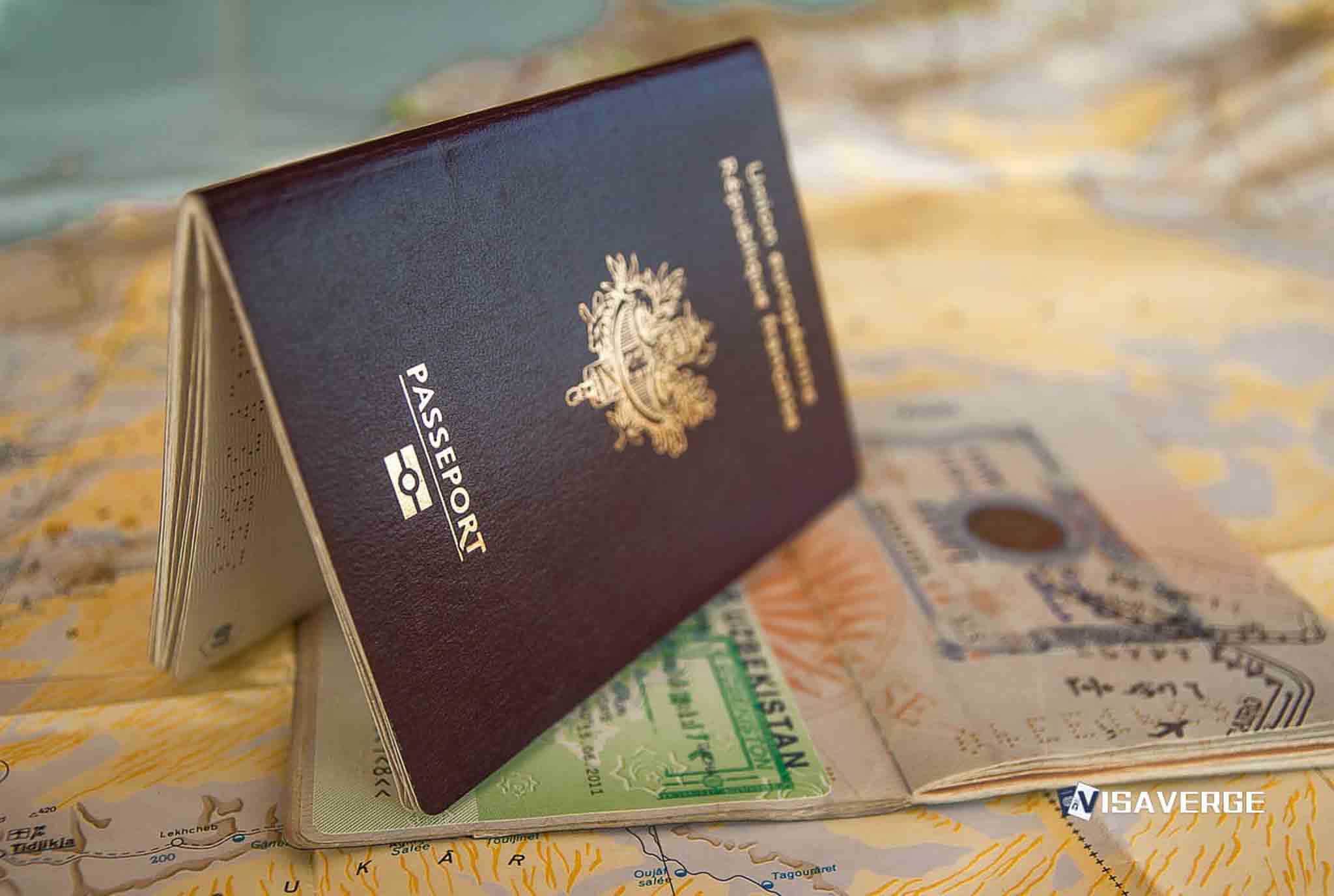
Many applicants wrongly believe that having a passport valid for a few more months is sufficient. However, the Schengen Area has strict passport regulations:
- Your passport must be valid for six months beyond your planned trip.
- It must have been issued within the last ten years by the time you leave the Schengen Area.
- The passport should have at least two blank pages (added later pages are not acceptable).
If you overlook these requirements, your visa application could be rejected. Moreover, if you are seeking a multiple-entry visa for three or five years, ensure that your passport’s validity matches or exceeds the visa duration.
- Is Your Application Form Consistent With Other Documents?
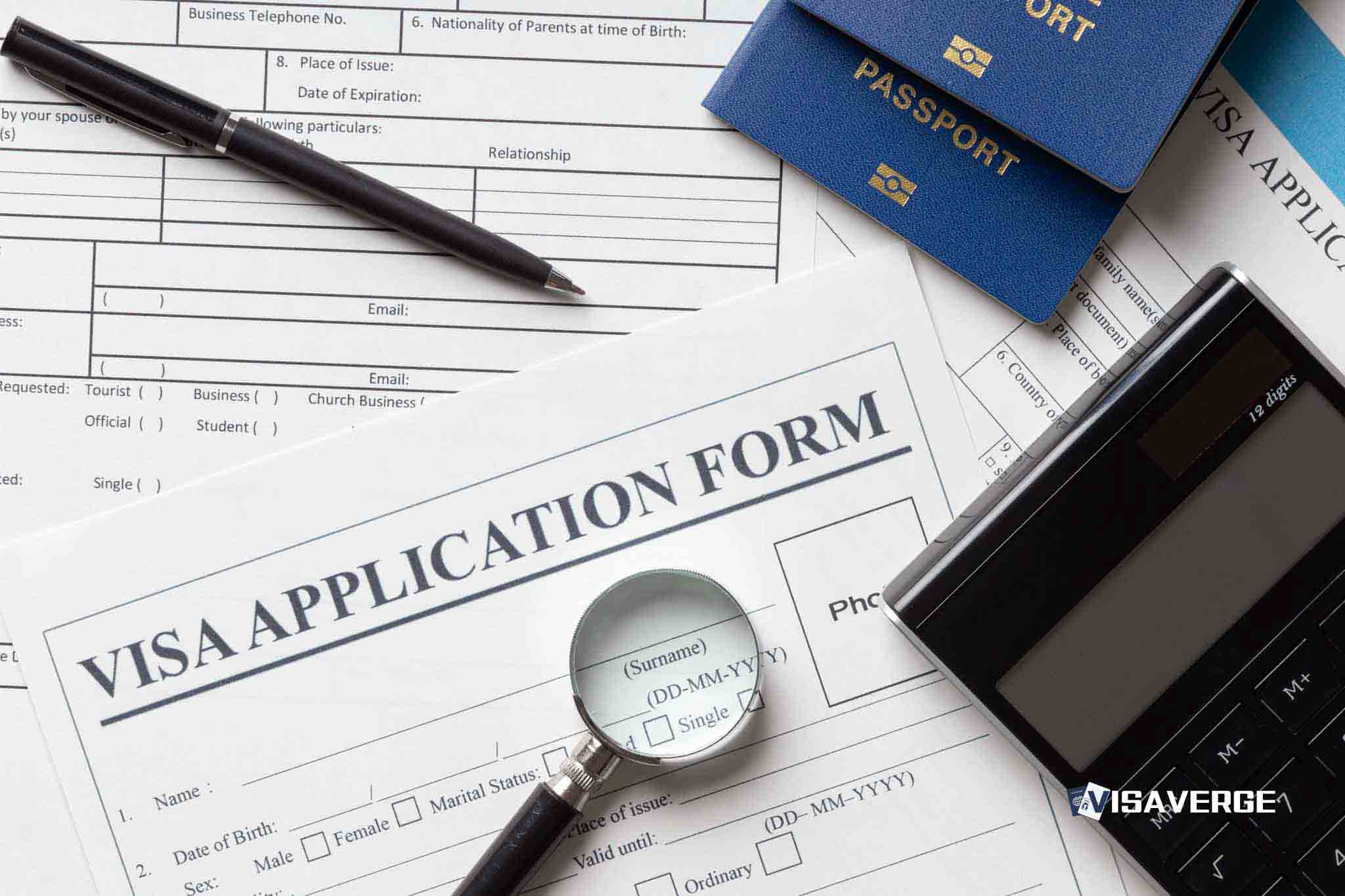
Filling out the Schengen visa application form incorrectly is another common mistake. Inconsistencies between the application form and your other documents can lead to rejection. For example:
- If your passport is valid for six more months, don’t indicate a different validity period.
- Your dates for travel insurance and accommodation should match the required period of visa validity.
- Do You Have the Correct Travel Insurance?
Some people skip buying travel insurance, thinking “nothing’s going to happen to me.” This is an enormous mistake. Schengen visa applications mandate travel insurance with €30,000 coverage, which must include repatriation in case of death.
Applicants often fail because they:
- Purchase travel insurance for a shorter period than they plan to stay in the Schengen Area.
- Buy insurance with lower coverage than required.
- Choose policies that don’t cover repatriation in case of death.
Embassies are strict about these rules. Any lapse can result in your application being considered incomplete.
- When Should You Submit Your Schengen Visa Application?
Timing is crucial for Schengen visa applications. According to the Schengen Visa Code:
- The earliest you can apply is six months before your trip.
- The latest you can apply is 15 working days before your departure.
Submitting your application too early or too late can result in rejection or delays. Even if you’ve previously obtained a visa quickly, it’s not advisable to gamble on late submissions. Aim to file your application well in advance yet within the regulated timeframe.
- Where Should You Submit Your Schengen Visa Application?
Applying at the wrong embassy or consulate is a frequent error for those planning to visit multiple Schengen countries. Your application should be submitted as follows:
- First Point of Entry: If you plan to spend an equal number of days in each country, submit your application at the embassy of the first country you’ll enter. For example, if you plan to stay five days each in Austria, Germany, and France, and you enter through Austria, apply at the Austrian embassy.
- Primary Destination: If your stay duration varies by country, apply at the embassy of the country where you’ll spend the most time. For instance, if you plan three days in Austria, five days in Germany, and seven days in France, submit your application at the French embassy.
Following these guidelines ensures that your application is processed correctly and without unnecessary delays.
- Are You Prepared to Pay the Application Fee in Cash?
While this issue won’t get your visa rejected, it can cause significant hassle. Many applicants assume they can pay the Schengen visa fee with a credit card or online, but all embassies, consulates, and visa centers require this fee in cash. Ensure that you bring the exact amount, €90, preferably in smaller denominations, to avoid any problems during the interview process.
Key Steps for a Successful Schengen Visa Application
Here are the essential steps for ensuring your Schengen Visa application in 2024 is processed smoothly:
- Research the Requirements: Check the latest requirements on the embassy’s official website.
- Verify Your Passport: Ensure it meets validity, issuance, and blank page requirements.
- Consistent Information: Make sure all details across your documents match.
- Right Travel Insurance: Get a comprehensive policy, covering at least €30,000 and including repatriation.
- Submit on Time: Apply between six months and 15 working days before your trip.
- Correct Embassy: Submit your application to the correct embassy or consulate, based on your travel itinerary.
- Prepare Fees: Bring the exact application fee in cash to your appointment.
Following these steps can greatly enhance your chances of obtaining a Schengen visa and enjoying your travels across Europe. For more detailed information, you can visit the official Schengen visa application page.
By avoiding these common pitfalls and ensuring your application is thorough and accurate, you stand a much better chance of securing your Schengen Visa. Happy travels in 2024!
Learn Today:
Glossary of Immigration Terms
- Schengen Visa: A permit required for travel to any of the 26 European countries that are part of the Schengen Area. It allows the holder to enter, travel within, and leave the Schengen Zone.
Primary Destination: The Schengen country where an applicant will spend the most time during their trip. The visa application must be submitted to the embassy or consulate of this country.
First Point of Entry: The first Schengen country an applicant enters if the stay duration is equal in multiple countries. The visa application must be submitted to the embassy or consulate of this country.
Repatriation Coverage: A mandatory component of travel insurance for a Schengen visa, which includes the cost of returning the insured person to their home country in case of death or serious illness.
Schengen Visa Fee: The amount required to process a Schengen visa application, which as of June 11, 2024, is set at €90. This fee must be paid in cash at the embassy or consulate during the visa appointment.
This Article In A Nutshell:
Applying for a Schengen Visa in 2024? Avoid common mistakes: ensure your passport is valid for six months beyond your trip, provide accurate documents, get travel insurance with €30,000 coverage, and apply on time. Always check the latest embassy requirements to prevent rejections. Preparation is key!
— By VisaVerge.com
Disclaimer: The information provided in this article is for informational purposes only. If you reference or use any content from this article, please attribute it to VisaVerge.com by including a link to the original source. We appreciate your adherence to our content usage policies and your commitment to giving proper credit.
Read More
- Schengen Visa Applications Surge 43% Among Indians in 2023
- Complete Guide: Schengen Cultural Visa Requirements & Documents
- China Tops Schengen Visa Applications in 2023
- Required Documents for Schengen Visa
- Czechia to Launch Digital Schengen Visa System
- Applying for a Schengen Medical Visa: Short-Stay Treatment in Europe
- Debate Over Schengen Visa Use for Turkish Citizens
- Schengen Visa Fees Increase Starting June 2024