Understanding Optional Practical Training (OPT)
For many international students in the United States, Optional Practical Training (OPT) is an exciting opportunity to gain valuable work experience in their field of study. OPT allows students to work for up to 12 months (24 additional months for STEM graduates) after completing their academic program. While the OPT experience can be beneficial, it comes with its challenges, particularly when it comes to adapting to the academic and professional culture in the U.S.
Adapting to Academic Culture in the U.S.
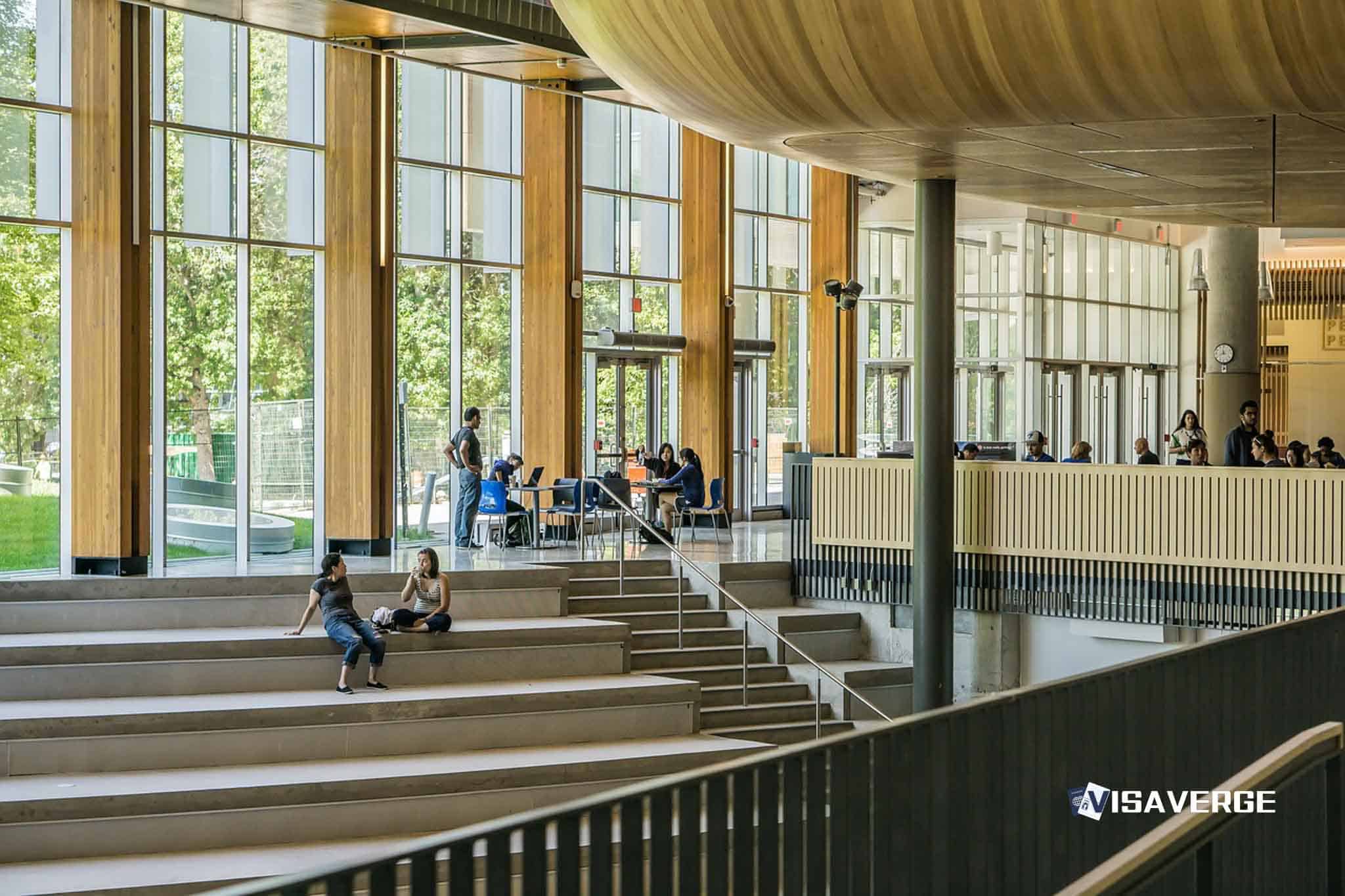
The journey begins in the academic setting. International students often face the complex task of understanding and adapting to a new educational system. The teaching methods, classroom dynamics, and evaluation processes can be quite different from what they are used to. This adaptation process is crucial as it lays the foundation for future professional encounters.
Free toolOPT Timeline Calculator OnlineAdjusting to New Learning Environments
Academia in the U.S. may emphasize:
– Critical thinking and problem-solving
– Participation in classroom discussions
– Independent research and projects
For some students, this shift can be challenging, but overcoming these hurdles is pivotal to a successful OPT experience.
Transitioning to the U.S. Workforce
Once on OPT, international students must apply the skills and understanding acquired from their academic endeavors to the U.S. workplace. Let’s delve into the work experience challenges these students often encounter.
Overcoming Workplace Challenges
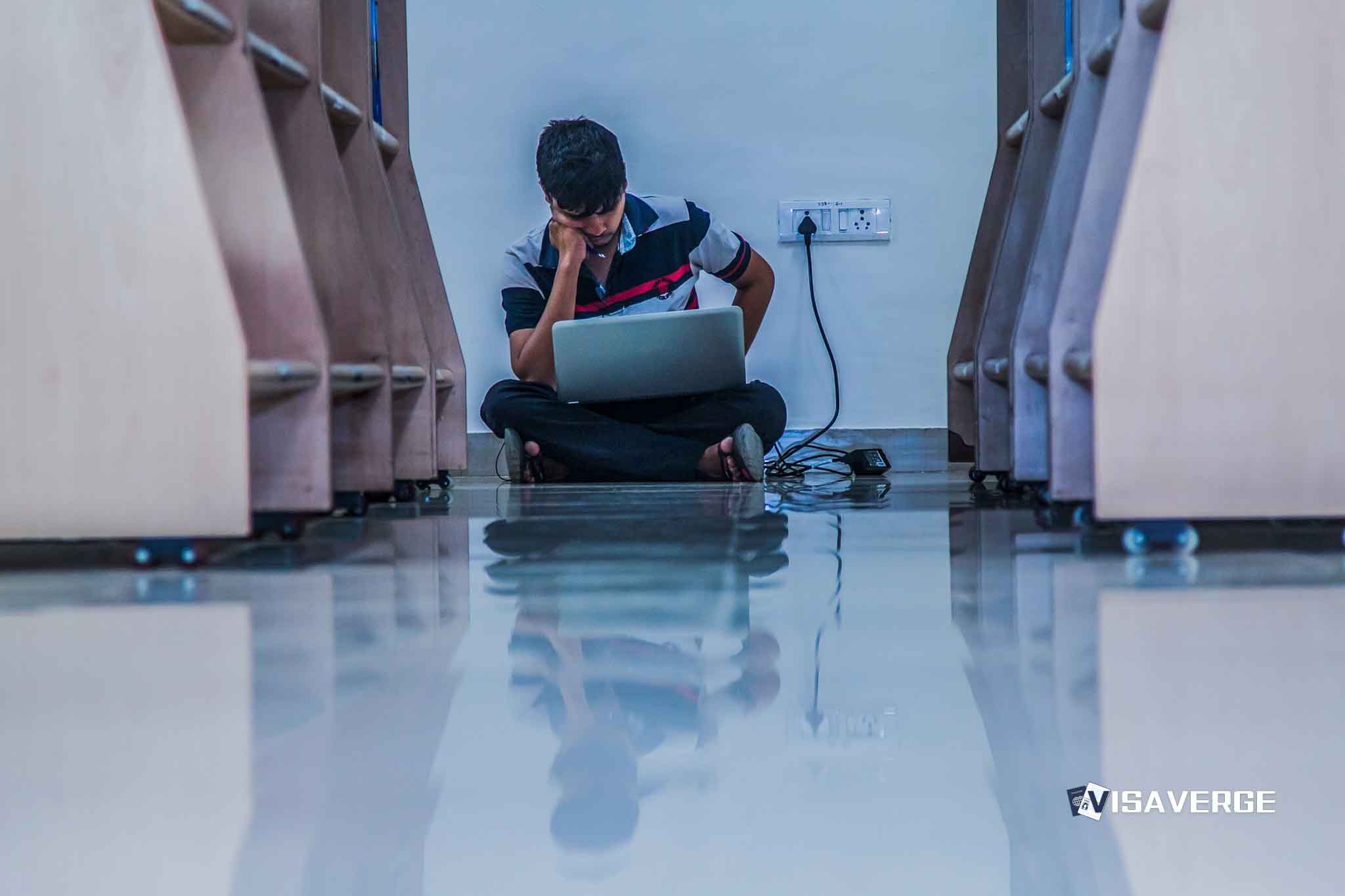
Workplace culture in the U.S. can vary widely across sectors and organizations, but some common challenges for international students include:
Language Barriers:
– Communicating effectively with colleagues and clients
– Understanding workplace jargon and idioms
Professional Etiquette:
– Navigating networking opportunities and self-promotion
– Learning the norms of the workplace, such as dress codes and meeting behaviors
Legal and Regulatory Understanding:
– Staying informed about visa regulations and employment rights
– Keeping track of deadlines and documentation for maintaining legal status
The ability to adapt quickly and demonstrate competence can significantly impact the success of an international student’s OPT experience.
Resources and Support Systems
Fortunately, there are ample resources available to help international students navigate these challenges. Many universities offer workshops, counseling, and mentorship programs designed to aid in adapting to both academic and professional environments.
Official Immigration Websites and Resources:
- U.S. Citizenship and Immigration Services (USCIS) – OPT Information
- Study in the States – Training Opportunities in the U.S.
Joining professional associations, attending networking events, and seeking out internships can also provide real-world exposure and help build professional skillsets.
Conclusion
Adapting to academic culture in the U.S. is an integral part of the OPT experience and can directly influence your work experience. Challenges will emerge, but by leveraging resources and support systems, international students can not only overcome these hurdles but also excel in their fields. With persistence and a proactive approach, the OPT experience can be a rewarding stepping stone to a successful career.
So, there you have it! Adapting to the academic and professional culture in the U.S. may not always be a breeze for international students on OPT, but fear not! With the right resources and a bit of persistence, you can navigate those challenges like a pro. Whether it’s understanding workplace jargon or getting a handle on visa regulations, visaverge.com has got you covered. So go ahead, explore more and ace that OPT experience!
FAQ’s to know:
FAQ 1: What is Optional Practical Training (OPT) for international students?
Answer: Optional Practical Training (OPT) is a program that allows international students studying in the United States to gain work experience related to their field of study. It offers an opportunity to work for up to 12 months (24 additional months for STEM graduates) after completing an academic program. OPT enables students to apply their academic knowledge in a practical setting and gain valuable professional experience.
SEO Keywords: Optional Practical Training, international students, work experience, academic program, practical setting, professional experience.
FAQ 2: What are the challenges international students face when transitioning to the U.S. workforce during OPT?
Answer: Transitioning to the U.S. workforce during OPT comes with its challenges for international students. Some common challenges include language barriers, such as effective communication and understanding workplace jargon; adapting to professional etiquette, like networking and workplace norms; and understanding the legal and regulatory aspects, including visa regulations and employment rights. Overcoming these challenges requires adaptability, cultural awareness, and the ability to demonstrate competence in the workplace.
SEO Keywords: international students, U.S. workforce, OPT, challenges, language barriers, professional etiquette, legal and regulatory understanding, workplace competence.
FAQ 3: What resources and support systems are available to help international students adapt to academic and professional environments during OPT?
Answer: International students on OPT have access to various resources and support systems to help them adapt to academic and professional environments. Universities often provide workshops, counseling, and mentorship programs specifically designed for international students. Official immigration websites like the U.S. Citizenship and Immigration Services (USCIS) and Study in the States offer valuable information on OPT regulations. Additionally, joining professional associations, attending networking events, and seeking internships can provide practical exposure and build professional skills.
SEO Keywords: international students, OPT, resources, support systems, university programs, official immigration websites, professional associations, networking events, internships.
What did you learn? Answer below to know:
- True/False: Optional Practical Training (OPT) allows international students in the United States to work for up to 12 months (24 months for STEM graduates) after completing their academic program.
- What are some common challenges international students face when transitioning to the U.S. workforce during OPT?
a) Adapting to academic culture
b) Overcoming language barriers
c) Understanding workplace jargon
d) Navigating networking opportunities - How can international students receive support and resources to navigate the challenges of adapting to academic and professional settings in the U.S. during OPT?