- Dual nationals must present a UK/Irish passport or COE starting February 25, 2026.
- Airlines will enforce document checks at boarding, potentially denying entry to those without proper proof.
- The policy ends flexible travel practices for Australian-British citizens previously using only Australian passports.
(UNITED KINGDOM) — The UK will require Australian–British dual nationals to travel on a valid UK passport, an Irish passport, or an Australian passport with a Certificate of Entitlement (COE) from 25 February 2026, when a grace period under its Electronic Travel Authorisation (ETA) scheme ends.
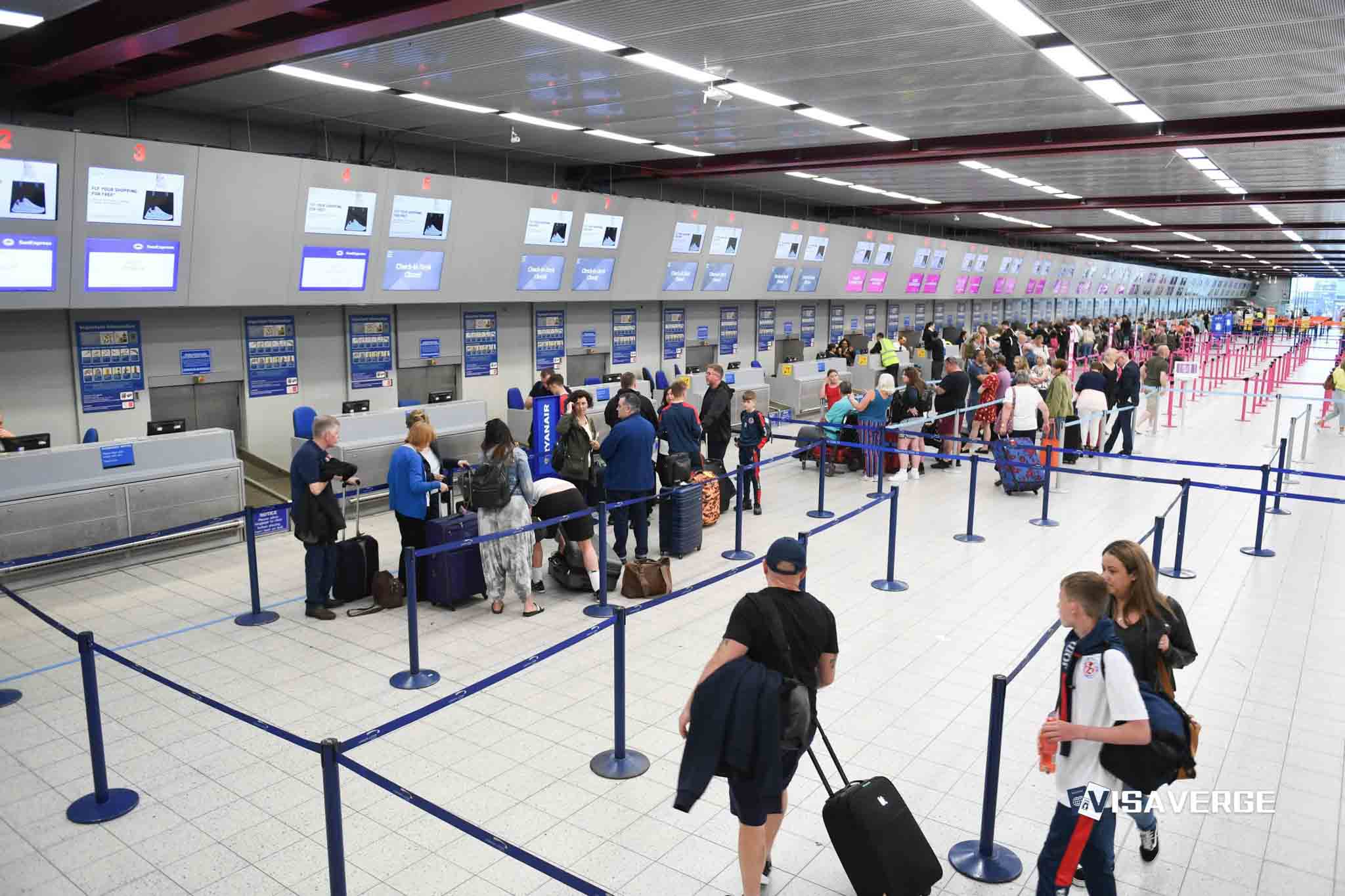
Airlines are expected to enforce the rule at check-in and boarding, and travellers who cannot show the required documents risk being denied boarding even before reaching the UK border.
What the policy does
Under the policy, dual nationals cannot apply for an ETA because they are treated as British or Irish nationals, who are exempt from the ETA requirement but must still prove their right of abode with the specified documents.
The change shifts many travellers from a flexible practice—using an Australian passport despite holding UK citizenship—into a stricter document-checking regime where carriers will look for UK or Irish proof before allowing travel.
Timing and grace period
The ETA scheme has been in place since 2 April 2025, but full enforcement for dual nationals begins 25 February 2026, the policy notes.
Travel on a non-UK passport without proper documentation is allowed until 24 February 2026, even if staying longer, before carriers and border processes tighten.
This means the grace period runs until 24 February 2026, after which carriers will be expected to apply the new document checks at check-in and boarding.
Who is affected
The rule targets Australian–British dual nationals who have previously travelled on Australian passports despite holding UK citizenship.
An Irish passport is a valid alternative only for travellers who also hold Irish nationality, offering another way to meet the UK’s documentation requirement without an ETA.
Required documents and practical options
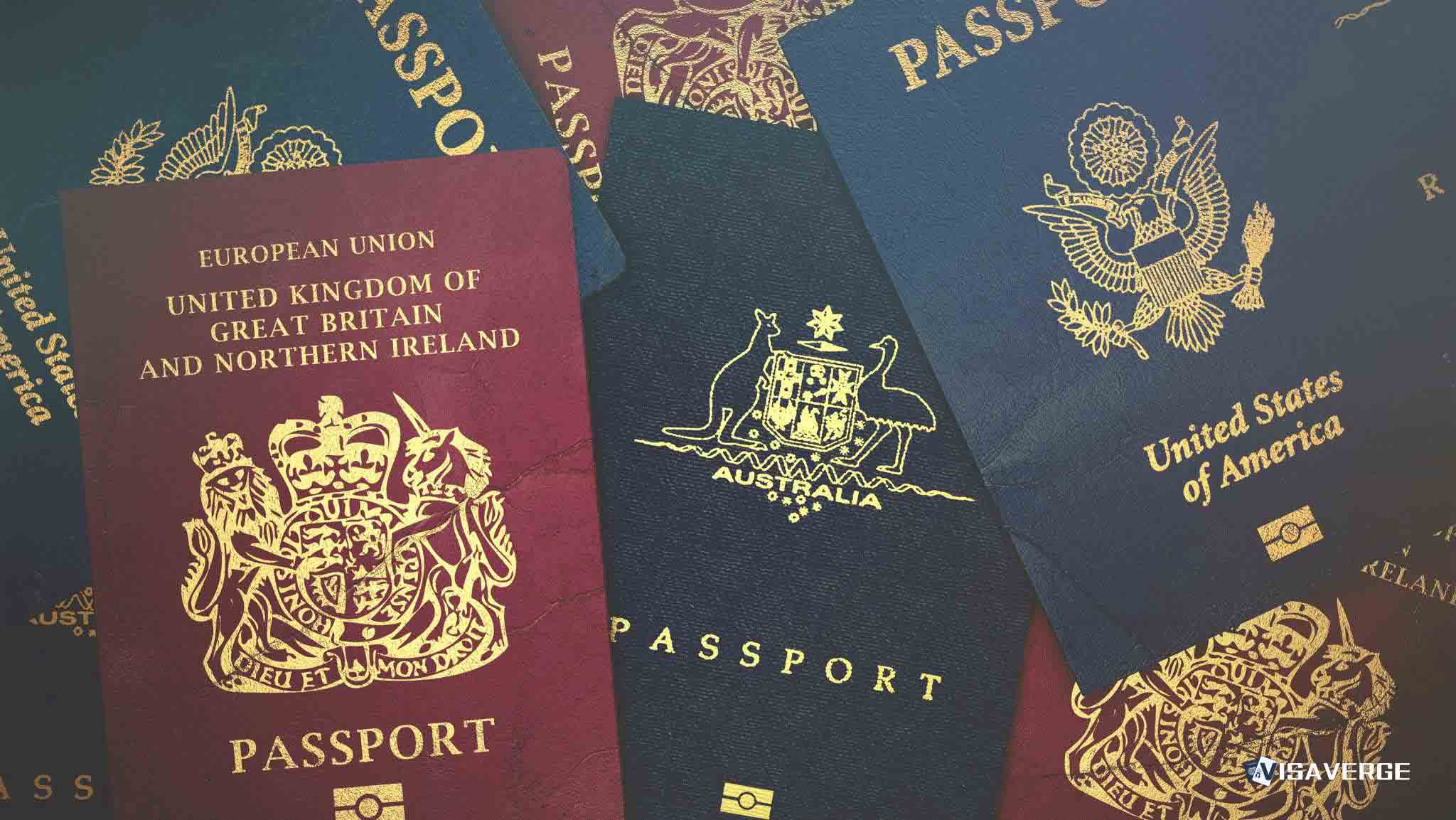
From 25 February 2026, dual nationals must present one of the following to travel to the UK: a UK passport, an Irish passport, or an Australian passport with a Certificate of Entitlement (COE).
For many travellers the lowest-friction option is a UK passport, which the policy description calls the preferred document for boarding and entry checks.
Those without a usable UK or Irish passport can rely on an Australian passport paired with a COE, but the policy description frames it as a higher-burden fallback.
Costs, timing and logistics
Standard UK passport renewal costs A$190 and takes up to 10 weeks, making timing a central issue for those with near-term travel or urgent family plans.
The COE route costs A$1,182, requires mailing an original passport to the UK, and “processing may take longer than passport renewal,” the policy details say.
For travellers deciding between renewing a passport and pursuing a COE, the practical trade-off is speed and logistics against certainty at boarding, especially as airlines move from reminders to enforcement.
Operational impact and enforcement
Airlines will verify travel documents against booking details during check-in and before boarding, including name matching and identity consistency across documents.
The enforcement shift has been described in operational terms: booking prompts, check-in document verification, and potential denial of boarding if the traveller cannot produce UK or Irish proof of status.
The UK policy’s focus on carrier checks means disruption can happen in Australia, not at the UK arrivals hall, for dual nationals who arrive at an airport expecting an ETA to be an option.
Advice for employers and travel planners
Employers with regular UK travel—examples cited include mining, banks, and professional services—have been advised to audit passports immediately to reduce the risk of staff being turned away at the airport.
That audit can be as basic as confirming a traveller has a current UK passport, or, if they plan to travel on an Australian passport, confirming they hold a Certificate of Entitlement (COE) and can meet the mailing and processing requirements.
For travel planners, the rule change means building lead time into itineraries and avoiding assumptions that a dual national can travel “visa-free” on an Australian passport without UK proof.
Practical traveller steps
Check the passport prompts during booking, then recheck documentation at online check-in and at the airport to reduce the risk of disruption.
When documentation will not be ready in time, the practical options narrow to rescheduling travel or ensuring any alternative plans still meet the UK documentation requirement that carriers will apply at boarding.
For last-minute trips or family emergencies, without the correct document combination a traveller can be stopped at check-in and never board, because the decision point shifts to airline systems that check documentation before departure.
Context, rationale and international trends
The UK government’s stated rationale is to streamline carrier checks, strengthen border security, and close a loophole that allowed dual nationals to use foreign passports despite holding British citizenship.
The policy description places the changes within a broader shift to digital borders “ahead of 2028 Los Angeles Olympics,” linking the move to an international trend toward digital permissioning and pre-departure verification.
Similar compliance models have been taking hold elsewhere, where carriers become the gatekeepers for document rules, as travellers have seen in other regimes such as REAL ID enforcement for US flights.
Europe is moving toward its own pre-travel permission system, and UK travellers have been tracking the broader region’s rollout through coverage such as the (https://www.visaverge.com/ukimmigration/etias-implementation-timeline-and-details-explained/).
Official guidance and sources
A UK government page on the issue states: “You cannot get an electronic travel authorisation (ETA) if you’re a British or Irish dual citizen” and lists the required travel documents.
Australia’s Smartraveller guidance mirrors the UK position, requiring British or Irish passports or a COE for dual nationals travelling to the UK.
The policy comes as the UK tightens how the ETA transition is applied to visa-free travel more broadly, including the shift described in full effect in February.
For dual nationals, the specific rule has also been described as a bright line: from 25 February 2026, they must present a UK passport, Irish passport, or an Australian passport with a COE, as outlined in guidance similar to need passport or certificate.
Scale and observed demand
Demand signals have appeared in Australia, with demand for fast-track UK passport appointments in Sydney and Melbourne having doubled, according to the policy summary.
The policy’s population and travel figures estimate about 300,000 Australian residents hold UK passports, and more than 80,000 visited the UK in 2025, the policy summary says.
The summary adds that many travelled using expired UK documents alongside Australian passports—pre-enforcement behaviour that becomes risky once the grace period closes.
Public reaction and practical concerns
Public reaction has included frustration about the mechanics of compliance at the airport, particularly the combination of a denied ETA application and a denied boarding decision.
Readers described the situation as a “catch-22” and a “money-spinner,” arguing airlines may refuse boarding without an ETA that dual nationals cannot obtain, while border checks still require proof of UK status.
Some also pointed to the difficulty of avoiding the rule by giving up citizenship, with the policy summary noting that renouncing UK citizenship is complex and costly.
Final practical summary
Because enforcement plays out through airline systems, travellers can reduce the risk of disruption by checking travel document prompts during booking, then rechecking documentation at online check-in and at the airport.
For Australian–British dual nationals who have relied on an Australian passport in the past, the approaching deadline compresses the choice into a simple test at the gate: a valid UK passport, a qualifying Irish passport, or an Australian passport backed by a Certificate of Entitlement (COE).