(NEW ORLEANS, LOUISIANA) Federal officials have chosen New Orleans as the latest stage for an aggressive immigration push, announcing a large-scale operation called “Catahoula Crunch” that will send about 200 Border Patrol agents into the city for months of intensified enforcement. The move marks one of the most visible efforts yet by President Trump’s administration to pressure cities that limit how much local police help federal immigration authorities, and it places the city’s immigrant community under sudden and heavy scrutiny.
Operation goals and official framing
The Department of Homeland Security (DHS) formally unveiled the operation on a Wednesday, saying the goal was to focus on people in the United States 🇺🇸 without legal status, especially those with serious criminal records. DHS spokeswoman Tricia McLaughlin said the administration was “restoring law and order for the American people” by targeting New Orleans, a city of about 384,000 residents that has taken steps in recent years to restrict cooperation between local law enforcement and federal immigration agents.
Catahoula Crunch follows prior enforcement drives in large, mostly Democratic-run cities, including Los Angeles, Chicago, Washington, D.C., and Charlotte, North Carolina. By adding New Orleans to that list, the administration is signaling that cities seen as resisting federal immigration policy may face direct federal action on their streets, in their neighborhoods, and around their workplaces.
Timing and expected activities
According to DHS, the Border Patrol deployment is expected to begin as soon as mid-November, with agents possibly operating into January. Officials have said activity will likely slow down during the Thanksgiving and Christmas holidays, but the overall timeframe suggests weeks of stepped-up enforcement.
Likely activities described by officials include:
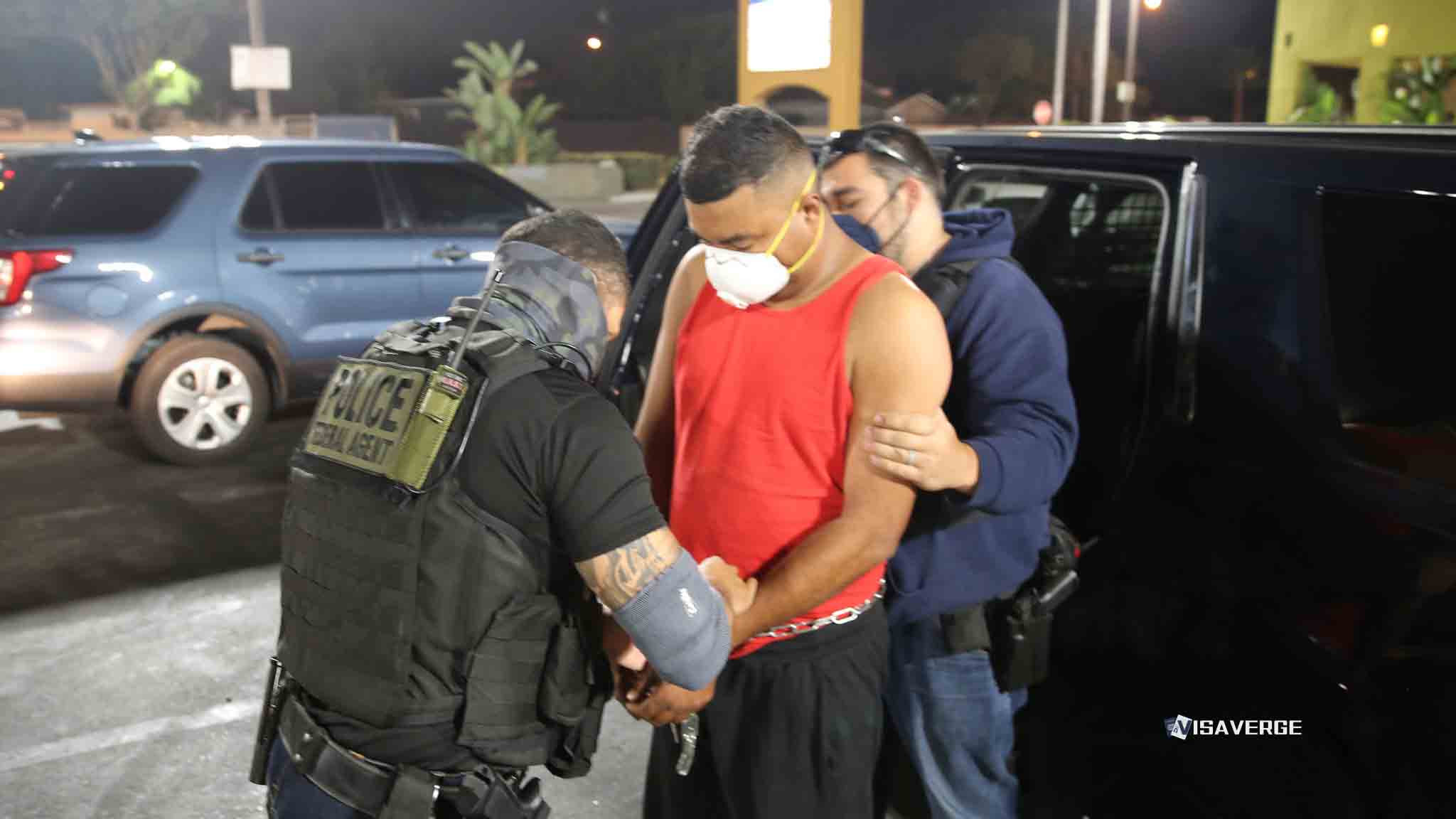
– Arrests and detentions
– Vehicle stops
– Home and workplace visits
The agency described the operation’s stated targets as “violent criminals who were released after arrest for home invasion, armed robbery, grand theft auto, and rape,” and stressed the focus is meant to be on people considered public safety threats.
Concerns from past operations
However, similar operations in other cities have not always stayed so narrowly focused. Data from earlier sweeps showed a rise in arrests of people with no criminal history beyond immigration violations.
According to analysis by VisaVerge.com, crackdowns that began with promises to target “the worst of the worst” often led to many more arrests of:
– Workers
– Long-time residents
– Family members who happened to be present when agents arrived
Advocates in New Orleans fear the same pattern could repeat, with mixed-status families especially worried that a knock on the door for one person could result in multiple detentions.
Security support and logistics
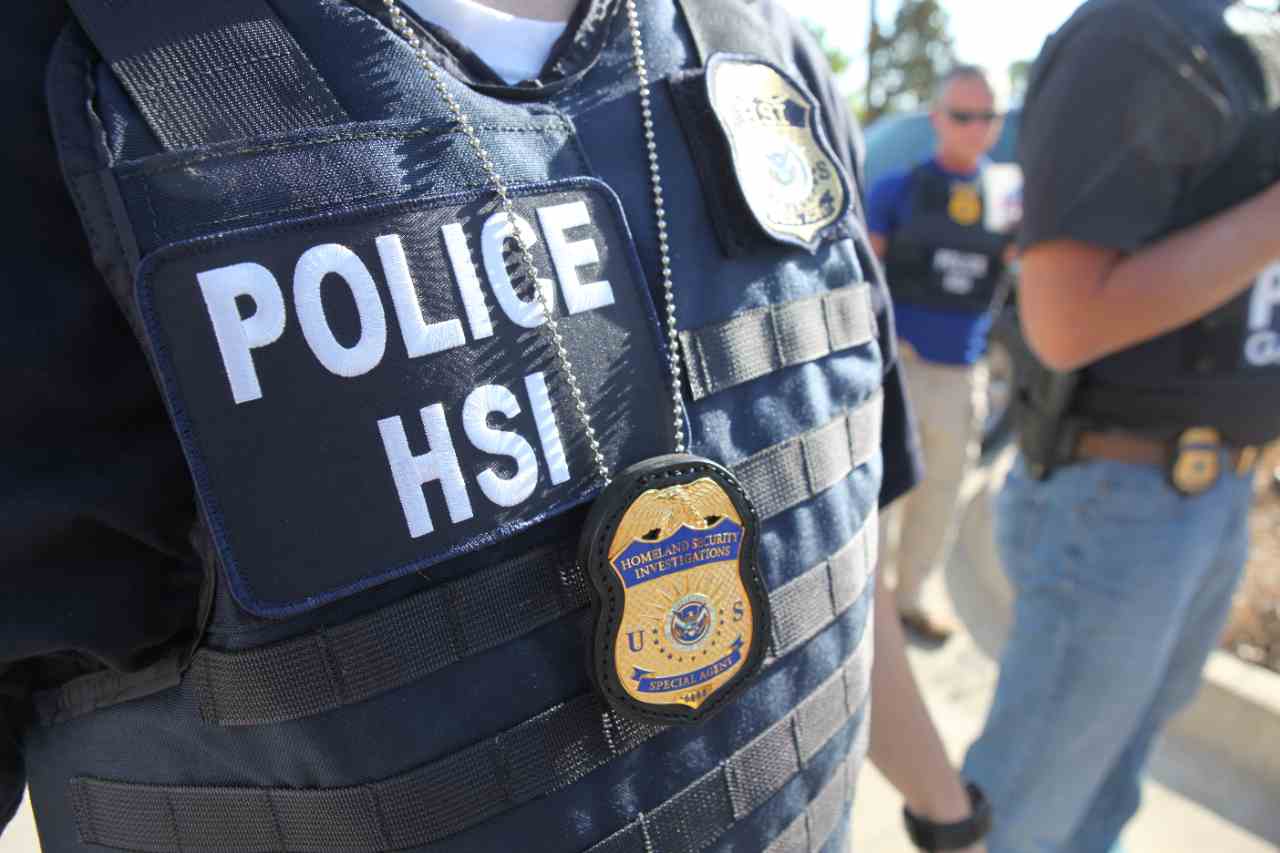
Federal and state law enforcement agencies are building a security umbrella around the incoming immigration teams.
- The FBI’s New Orleans field office is partnering with Louisiana State Police to protect agents deployed for Catahoula Crunch and to respond to any “attempts to obstruct law enforcement actions.” That language hints at concern over potential protests, community resistance, or efforts by local groups to warn residents in real time.
- DHS has also asked the Department of Defense for permission to use Naval Air Station Joint Reserve Base New Orleans as a staging area. Using a military installation would provide a secure base to brief agents, process detainees, and move people quickly, away from public view and local scrutiny.
Note: The request for use of a base does not mean the military will directly enforce immigration law, but its logistical role adds another layer of seriousness and scale to the operation.
Political context and National Guard plans
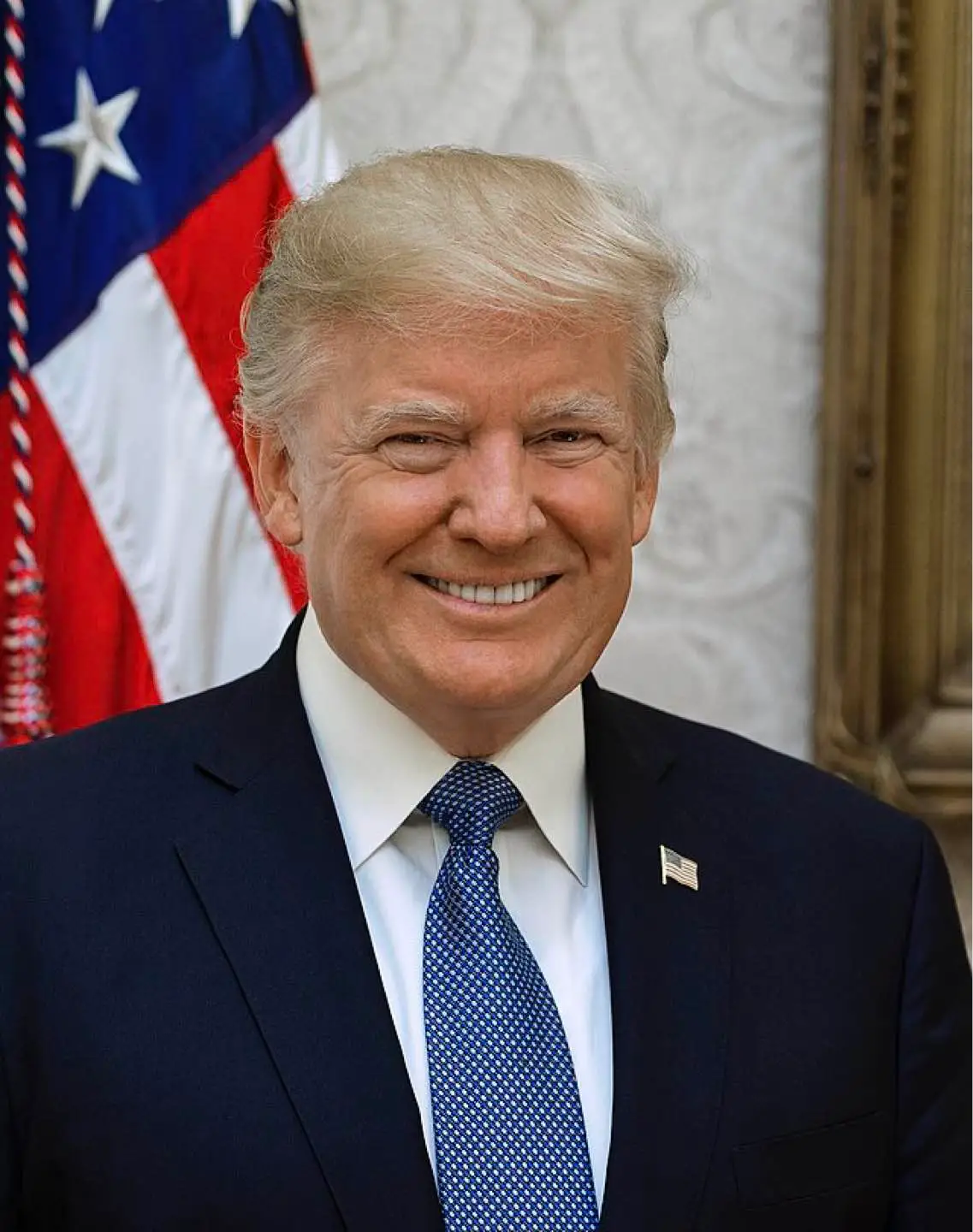
President Trump has linked the immigration push in New Orleans to a broader anti-crime message. He announced plans to deploy National Guard troops to the city for a separate crime-focused mission “in a couple of weeks.”
- Louisiana Governor Jeff Landry, a Republican, welcomed the Guard deployment and argues tougher enforcement is needed to bring down violent crime.
- Critics worry about blurred lines between military support, crime-fighting, and immigration enforcement.
Community response and fears
For immigrants in New Orleans, the timing and branding of Catahoula Crunch feel particularly alarming. The operation’s name references Catahoula (a Louisiana parish and the state dog breed), rooting the effort in local imagery even as it brings in outside agents.
Community organizers say this mix of local symbolism and federal power could heighten fear in neighborhoods where many families already live with daily anxiety about:
– Traffic stops
– Workplace raids
– Simple trips to the grocery store
Legal service groups in the region are bracing for a surge in calls from people trying to understand what this means for them, even though the operation is officially aimed at people suspected of being in the country illegally.
Practical steps for residents and legal advice
Past crackdowns have shown that when Border Patrol appears in large numbers, many people with long-standing ties to the city—parents of U.S.-born children, workers with no criminal records, or people with pending immigration cases—end up in custody.
Lawyers stress these precautions:
1. Keep copies of any open case paperwork (e.g., asylum applications, family petitions) with you.
2. Know basic rights if approached by federal agents.
3. Contact legal services promptly if detained or if family members are detained.
Federal guidance and local tensions
While no new forms or application procedures are part of Catahoula Crunch itself, it fits into a broader enforcement posture that DHS outlines on its official immigration enforcement page. That federal guidance focuses on people who pose threats to public safety or national security, but it also clarifies that anyone without lawful status can be subject to arrest and removal.
The gap between those written priorities and what happens during large field operations is what worries many community and faith leaders in New Orleans.
Local officials are caught in a difficult position. New Orleans has previously limited how much its police department works with federal immigration agencies, arguing that trust between officers and immigrant neighborhoods is essential for solving crimes and protecting victims. A heavy federal presence backed by Border Patrol, the FBI, and possibly the National Guard risks undermining that trust if residents begin to see every badge or uniform as a possible doorway to deportation rather than protection.
Stakes and possible outcomes
Nationally, immigrant rights organizations are watching New Orleans closely as a test case for how far the administration is willing to go in cities that resist closer cooperation.
Two possible outcomes loom:
– If Catahoula Crunch results in large numbers of arrests of people with no serious criminal history, it may fuel legal and political battles over whether immigration enforcement is being used to pressure local governments.
– If the operation largely matches its stated focus on violent offenders, federal officials are likely to present it as proof their approach is working.
Key takeaway: For now, residents know that hundreds of Border Patrol agents are on their way, backed by a network of powerful federal and state agencies, with a mandate that leaves wide room for interpretation. As the operation moves from announcement to daily reality, immigrant families and the lawyers who represent them will be forced to live with uncertainty about who will be swept up in Catahoula Crunch—and who will be left to pick up the pieces.
DHS announced Catahoula Crunch, deploying about 200 Border Patrol agents to New Orleans to target alleged violent offenders. Operations may run from mid-November into January, with pauses during holidays. The FBI and Louisiana State Police will protect agents, and DHS requested a Naval Reserve Base for logistics. Community groups warn past sweeps often detained people without serious criminal histories. Legal advocates urge residents to keep immigration documents, understand rights, and contact lawyers if detained.