(NEW ORLEANS) Federal authorities launched a large-scale immigration enforcement operation in New Orleans on Wednesday, December 3, 2025, sending in hundreds of Border Patrol agents as part of President Trump’s city‑to‑city crackdown on people in the country illegally. The campaign targets a Democratic‑led city inside a Republican‑run state and immediately raised questions about how local police, state officials, and federal officers will work together on the ground.
Purpose and federal framing
The Department of Homeland Security says the New Orleans push is aimed at immigrants who were released after arrests for serious crimes. Tricia McLaughlin, the department’s assistant secretary, said the focus is on people tied to offenses including:
- Home invasion
- Armed robbery
- Grand theft auto
- Rape
Federal officials have framed the operation as a public safety measure, while immigrant families and local advocates worry officers will also arrest people with old deportation orders or minor violations.
Scale and deployment
About 200 federal Border Patrol agents have been deployed to New Orleans for the operation, according to officials familiar with the planning. These agents, normally based along the southwest border, have been detailed into the city as part of the administration’s wider mass deportation campaign.
Their presence marks one of the most visible federal enforcement shows of force in this Gulf Coast city in recent years.
Duration and possible escalation
The exact length of the operation in New Orleans is unclear. Internal planning had pointed to work continuing through the end of the year, with a possible slowdown around the Christmas holiday, but officials have not confirmed any public end date.
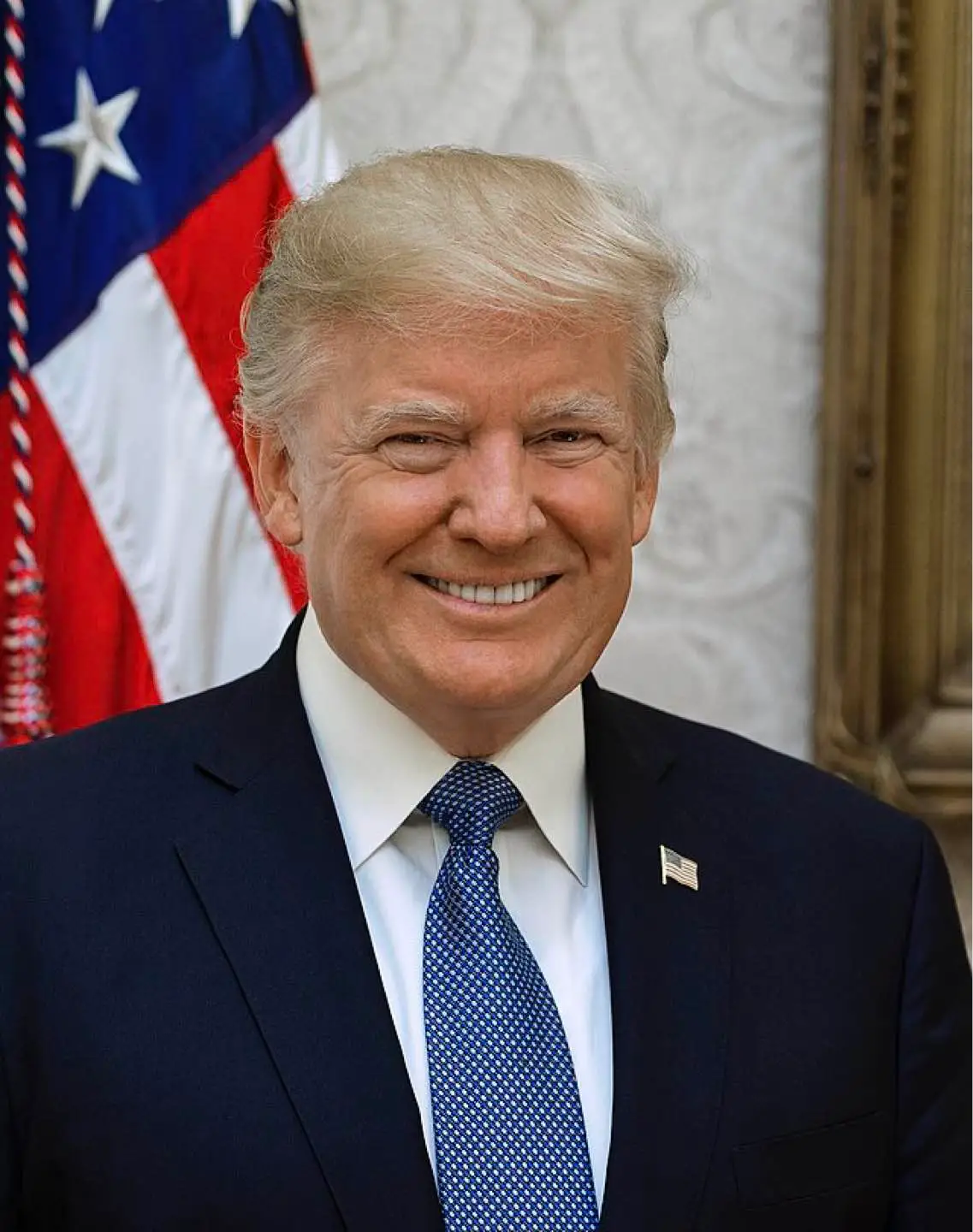
During a Cabinet meeting on Tuesday, President Trump said the National Guard would be sent to the city “in a couple of weeks,” signaling federal presence could grow if the White House decides it wants more arrests or tighter control of streets and detention transport.
How New Orleans fits in a broader pattern
New Orleans now joins a list of Democratic‑run cities that have seen similar federal sweeps since the summer. The Trump administration earlier sent teams to:
- Los Angeles
- Chicago
- Washington, D.C.
- Charlotte, North Carolina
In Charlotte, an operation led by U.S. Border Patrol commander Gregory Bovino recorded more than 200 arrests before winding down this week, according to officials briefed on the results.
The pattern of choosing large, high‑profile cities has allowed the White House to highlight clashes with local officials who resist participating in deportation work.
Local law enforcement response
New Orleans Police Superintendent Anne Kirkpatrick has tried to walk a narrow line. She said the department welcomes the arrival of Border Patrol agents as a federal resource but made clear that city officers will not join in immigration arrests or removals.
That stance reflects long‑standing department policy that local officers focus on crime, not civil immigration violations, in order to keep lines of communication open with immigrant neighborhoods that include long‑time residents and recent arrivals.
State government stance and policy differences
At the state level, the message is very different. Louisiana Governor Jeff Landry, a Republican and ally of President Trump, has strongly backed the enforcement push and worked to keep state rules in step with the administration’s immigration agenda.
State leaders have passed laws requiring agencies to:
- Verify and report people in the country illegally who receive state services
Immigrant groups say these measures can scare families away from health care, schools, and other public programs.
Local political and social context
That split between city and state is especially sharp in New Orleans, which has:
- A population of about 384,000
- A Democratic mayor, LaToya Cantrell
- A statehouse firmly controlled by Republicans
The result is a patchwork in which:
- A resident might avoid contact with city police for fear of being turned over to immigration agents.
- State agencies may be legally bound to share information with federal authorities.
For mixed‑status families — where some members are U.S. citizens and others lack legal status — daily choices about driving, working, or sending children to activities can feel fraught during a federal operation.
Who might be affected beyond the stated targets
The Department of Homeland Security says the New Orleans effort is narrowly aimed at people with serious criminal histories and prior deportation orders. Yet past large‑scale enforcement actions have often swept up others living or working near the main targets.
VisaVerge.com reports that in earlier city crackdowns, people with no criminal records but with old immigration cases were taken into custody when found during home or workplace checks. This history feeds fear that the new sweeps may reach far beyond the stated focus.
Legal and practical implications for detainees
Immigration lawyers in the region say they are preparing for a surge of calls from families whose relatives may be detained in coming days. They warn:
- People picked up could be quickly transferred to detention centers in other states, making it harder for relatives to track them and for attorneys to secure timely access.
- Advocates urge anyone with a prior deportation order or pending case to keep copies of documents — such as court records and past filings — in a safe but accessible place in case they are needed by a lawyer.
Federal officials stress that immigration law gives them wide latitude to arrest and remove people who are in the country without authorization, especially if they were already ordered removed by a judge.
Under current rules, once agents make an arrest, cases can move to detention and deportation quickly unless the person can show:
- A pending appeal
- A credible fear of returning to their home country
- Qualification for some form of relief
Detailed information on enforcement authorities and removal processes is available from U.S. Customs and Border Protection, which oversees the Border Patrol.
Community, business, and service impacts
Inside New Orleans, community groups are bracing for knock‑on effects. Past operations in other cities have led to:
- Empty classrooms
- Drops in clinic visits
- Missed court appearances
People often stay indoors to avoid any chance encounter with police or federal officers. School leaders and social workers are frequently the first to see these changes, as children arrive anxious about parents who leave home early for work in industries such as construction, hotels, and food service that employ many immigrants.
Business owners are also watching closely. Employers who depend on immigrant labor may see:
- Workers call in sick
- Requests to shift to overnight schedules
- Workers stop coming entirely if rumors spread that Border Patrol agents have been seen near job sites or traffic checkpoints
While the current campaign is framed around people with criminal records, the visible presence of marked federal vehicles and armed officers can send a broader chill through the workforce.
Main unknowns and political significance
For now, the biggest unknowns are:
- How long the operation will last.
- How aggressively agents will move beyond the initial list of people with past serious arrests.
The signal from President Trump that the National Guard could follow the Border Patrol into the city suggests the White House views New Orleans as a key stage for its immigration message going into the election season.
Residents are left to weigh daily choices under the shadow of an expanding federal presence, uncertain how enforcement will affect families, workplaces, and community trust.
Quick reference: key actors and figures
| Actor | Role / Note |
|---|---|
| Border Patrol agents | ~200 deployed to New Orleans |
| Tricia McLaughlin | DHS assistant secretary — stated focus on serious crimes |
| Anne Kirkpatrick | New Orleans Police Superintendent — city will not participate in immigration arrests |
| Jeff Landry | Louisiana Governor — supports enforcement push |
| LaToya Cantrell | New Orleans Mayor (Democrat) |
| Gregory Bovino | U.S. Border Patrol commander — led Charlotte operation (~200 arrests) |
| Population (New Orleans) | ~384,000 |
If you want, I can extract a printable checklist for immigrants and families (documents to gather, who to call, legal resources) or create a timeline of recent similar federal operations in other cities.
On Dec. 3, 2025, federal authorities sent about 200 Border Patrol agents to New Orleans in a targeted immigration operation focusing on individuals released after arrests for serious crimes. City police will not assist with immigration arrests, while the Republican governor supports the effort. Officials haven’t announced an end date and warned the National Guard could join. Advocates fear wider sweeps may detain people beyond declared targets, disrupting families, schools, businesses, and access to services.