(WASHINGTON, D.C.) Following the November 26, 2025 shooting of two West Virginia National Guard members near the White House, President Donald Trump’s administration has moved to sharply expand immigration enforcement across the United States, tying the attack directly to what it calls a “border invasion” and pushing a broad plan for mass deportation. Within days of the incident, senior officials shifted the focus of the national security conversation to immigration, arguing that tougher action against undocumented immigrants is now an urgent priority for public safety.
Executive order and expanded enforcement
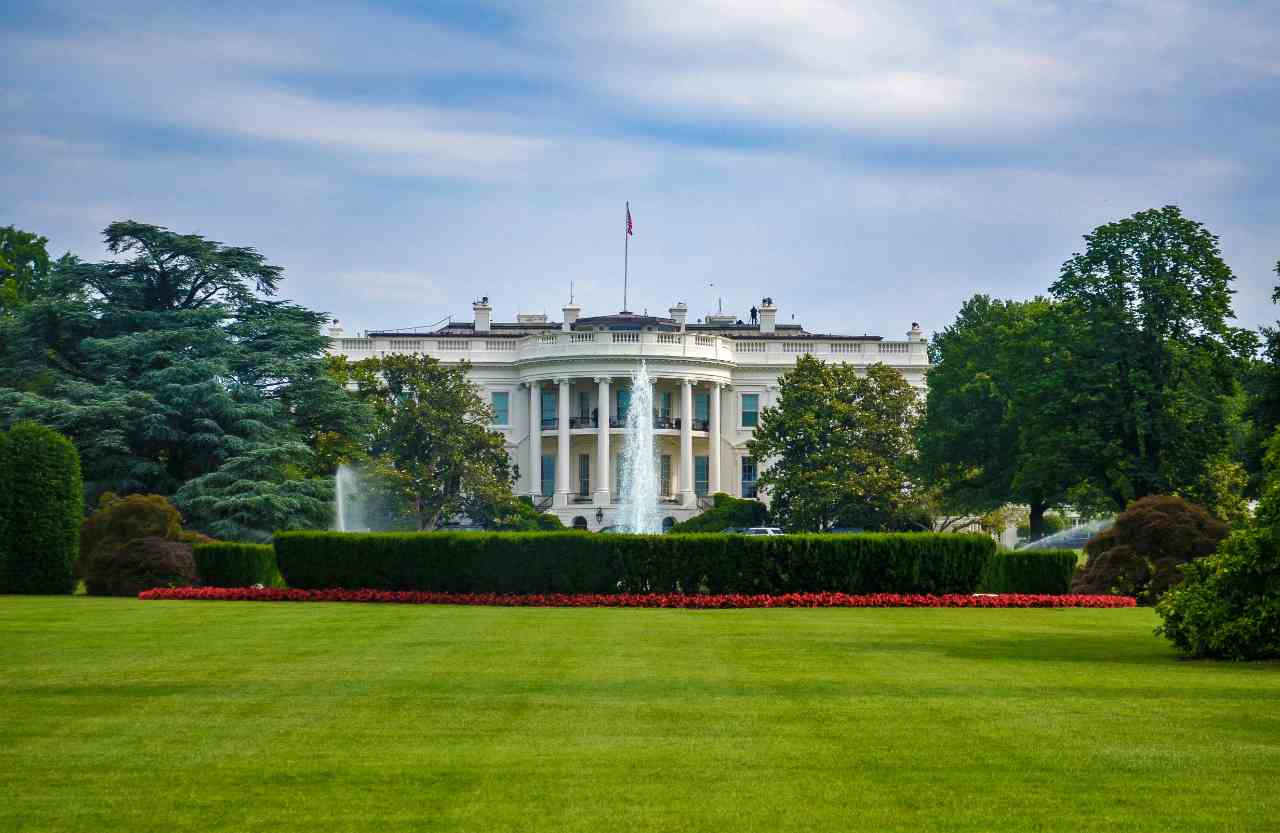
On November 28, 2025, President Trump signed a sweeping executive order titled “Protecting The American People Against Invasion.” The order dramatically broadens the authority of Immigration and Customs Enforcement (ICE) and Customs and Border Protection (CBP) and directs agencies to:
- Step up workplace raids
- Expand so‑called “expedited removal” procedures
- Increase deportation flights, with the Department of Defense providing cargo planes
- Authorize use of military personnel and federal law enforcement in immigration operations, including deployment of National Guard units for both border and interior enforcement inside the United States 🇺🇸
White House Press Secretary Karoline Leavitt framed the measures as a response to the shooting. She said:
“The tragic shooting of our brave National Guard members is a stark reminder of the dangers posed by unchecked illegal immigration. We will not rest until our communities are safe and secure.”
She argued that current laws had allowed “dangerous individuals” to remain in the country. Officials have not publicly released detailed information linking the attacker’s immigration status to the incident, but the administration says the event proves the need for faster removals.
Expedited removal: nationwide application
The executive order instructs agencies to expand expedited removal nationwide. Key points:
- Previously, expedited removal was used mostly near the border, allowing officers to deport certain undocumented people without a hearing before an immigration judge.
- Under the new guidance, the Department of Homeland Security (DHS) can apply expedited removal anywhere in the country.
- Civil rights lawyers warn this raises the risk of U.S. citizens and long‑time residents being swept up without proper review.
The Department’s public guidance on immigration enforcement, available on the Department of Homeland Security website, does not yet fully reflect the changes announced by the White House.
Local law enforcement and funding: coercion concerns
Another major shift requires local police and sheriffs to cooperate with federal immigration agents or risk losing federal funding. Specifics include:
- Expansion of the 287(g) program, which deputizes local officers to act as immigration agents inside jails and on the street.
- Pressure on city leaders in immigrant‑rich areas to choose between federal money and policies they say preserve trust between officers and residents.
Analysis by VisaVerge.com notes that similar efforts in earlier years led to large numbers of people with no criminal convictions being funneled into deportation after arrests for minor issues (e.g., broken tail lights, unpaid traffic tickets).
Deportation logistics: flights, bases, and detention
The White House says deportation operations are already surging:
- ICE arrests have reportedly surpassed last year’s totals, with an emphasis on people with criminal convictions.
- Deportation flights are expanding, now using Defense Department cargo planes.
- For the first time, the administration plans to use the naval facility at Guantanamo Bay, Cuba, to detain migrants arrested inside the country.
Human rights groups warn that holding civil immigration detainees at a remote military base will:
- Make it harder for detainees to access lawyers and family
- Reduce outside monitoring of detention conditions
- Hinder legal challenges to wrongful arrests
Reactions from advocacy groups and legal challenges
Advocacy organizations have been sharply critical:
- The American Civil Liberties Union (ACLU) and the American Immigration Council warn the drive for mass deportation will cause widespread fear, family separation, and violations of due process.
- Omar Jadwat of the ACLU said:
> “The administration is using a tragic incident to justify policies that will harm innocent people and undermine the rule of law.” - Lawyers working with these groups are preparing lawsuits arguing that the expanded use of expedited removal and mandatory local cooperation violates constitutional protections and international human rights standards.
Community impact and public‑safety concerns
Inside immigrant neighborhoods, community groups report a sharp rise in fear since the shooting and the executive order:
- Parents report children too scared to attend school.
- Workers are avoiding clinics, public transport, and grocery stores for fear of raids.
- Stories of workplace checks and arrests are spreading quickly on social media, including from cities far from the southwest border.
Advocates stress a wider public‑safety risk: when people fear the police may act as immigration agents, they are less likely to report crimes or serve as witnesses, which can weaken safety for everyone, regardless of immigration status.
Political response and legal outlook
On Capitol Hill, the response has split largely along party lines:
- Some lawmakers call for a full investigation of the shooting and clearer information before tying the attack to immigration policy.
- Others, especially allies of President Trump, praise the executive order as overdue, arguing that strong border enforcement and increased deportations are necessary to prevent future attacks.
Legal scholars note:
- Many of the administration’s ideas are not entirely new, but the speed and scale mark a sharp escalation.
- Past efforts to widen expedited removal were slowed by litigation and internal government concerns about wrongful deportations.
- Immigration courts, already facing long backlogs, may see fewer full hearings if more people are removed through summary procedures.
- Federal judges are likely to be asked to decide quickly whether the new rules breach constitutional guarantees of due process, equal protection, and limits on the use of the military in domestic law enforcement.
What’s at stake for families
For millions of mixed‑status families, the coming months may determine whether long‑settled lives are shattered by sudden arrest and removal. The interplay of expanded executive authority, accelerated deportation logistics, and mandated local cooperation creates immediate legal, social, and humanitarian questions that civil‑rights groups, courts, and communities are preparing to contest.
Following a Nov. 26 shooting near the White House, the administration issued a sweeping executive order broadening ICE and CBP powers. The order expands expedited removal nationwide, increases deportation flights using Defense Department cargo planes, mandates stronger local cooperation through 287(g), and authorizes military and National Guard roles in interior enforcement. Critics warn of due-process breaches, increased community fear, family separation, and legal challenges from civil-rights groups aiming to block the policies in court.