- West Virginia delegates approved spending $38 million in accumulated medical cannabis tax revenue after years of delay.
- Major funding includes $20 million for ibogaine research at state universities to study addiction withdrawal treatments.
- The bill allocates $5 million for homeless services and supports child protection and law enforcement grants.
(WEST VIRGINIA) — West Virginia’s House of Delegates passed HB 5074 on March 4, 2026, voting 79-12 to spend nearly $38 million in accumulated medical cannabis tax revenue that has sat unspent since the program’s 2021 launch.
Lawmakers advanced the bill as pressure builds to deploy a growing pool of receipts that, under current practice, has remained largely untouched even as other states have moved similar funds into research and public programs.
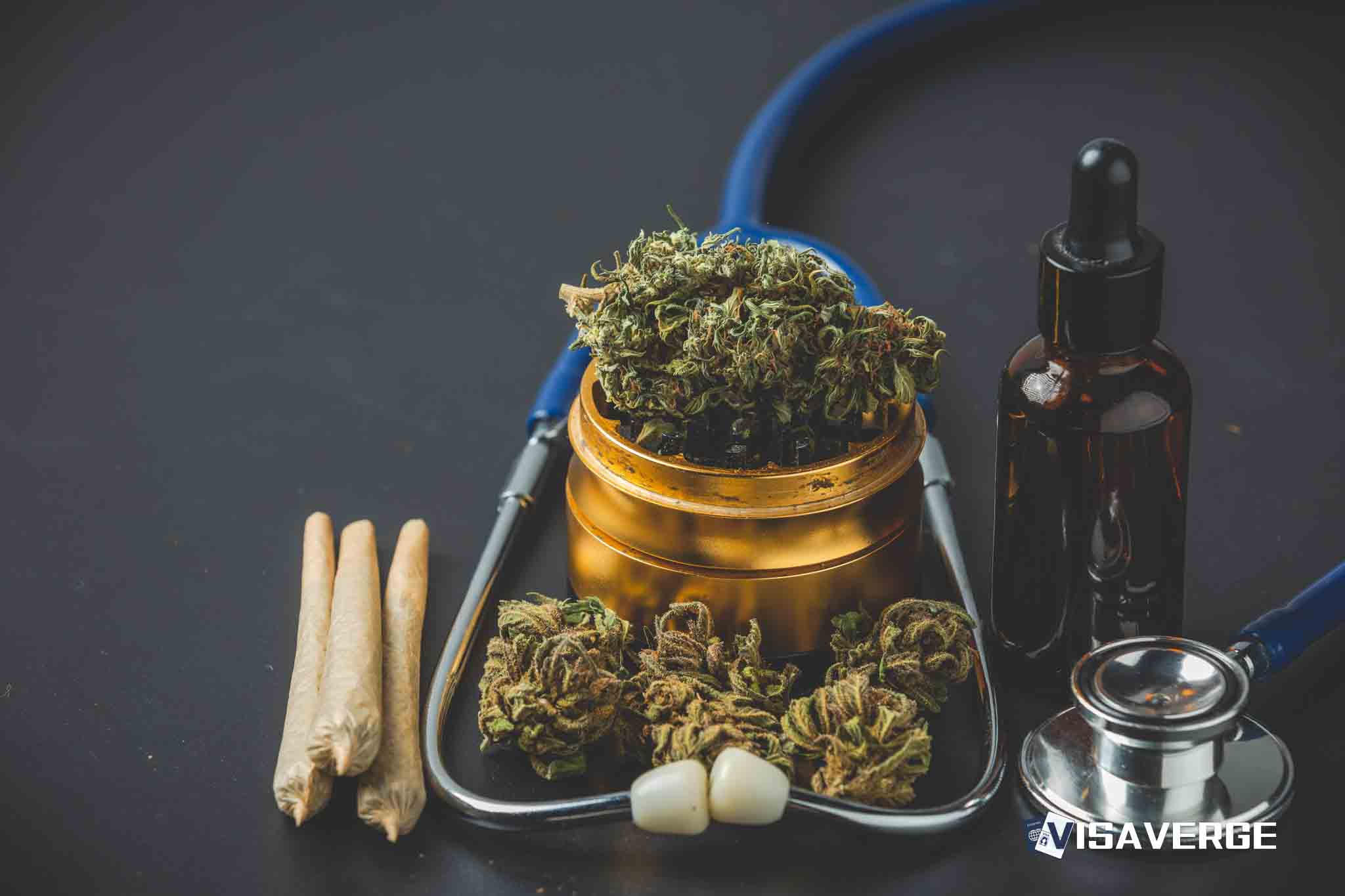
HB 5074 sets out a one-time appropriation plan that steers the money to university research, social services and grants connected to substance use and enforcement, rather than leaving the cash to continue accumulating.
The largest single pieces of the bill send $10 million each to West Virginia University and Marshall University for research into ibogaine, a hallucinogenic drug used internationally to help people manage withdrawal symptoms. Supporters framed the research as a targeted investment in substance use disorder work that could build capacity at the state’s major universities.
Another portion would direct $5 million toward homeless services, an allocation supporters described as a way to move money into an immediate and visible need. HB 5074 also provides $3 million to fund the Child Protection Commission, a state foster care pilot program.
Beyond those headline items, the bill routes remaining funds to Marshall University for marijuana research and to WVU for substance disorder research, while also assigning money to the Fight Substance Abuse Fund and grants for local law enforcement. The measure groups those categories together as a way to tie medical cannabis tax receipts to research, treatment-related efforts and public safety spending without leaving large balances idle.
The push to unlock the revenue follows years of hesitation tied to marijuana’s status under federal law. The West Virginia Treasurer’s Office declined to spend the accumulated revenue, which reached $34 million by October 2025, citing concerns about marijuana’s federal legal status even as dozens of states already allocate similar funds.
Del. Evan Worrell, R-Cabell, introduced the bill to release the money. Supporters of that approach argued the state created the tax stream and should now decide how to use it, rather than letting uncertainty over federal policy freeze spending indefinitely.
Debate intensified when delegates reshaped the spending plan through amendments, turning a measure about accessing accumulated revenue into a fight over what types of research and services should receive public dollars. The closest vote centered on ibogaine, as lawmakers weighed both its promise in treating addiction and the risks critics highlighted.
Del. Michael Hite, R-Berkeley, successfully amended the bill to add the $10 million ibogaine research allocation, and the House adopted that change 47-46. Critics questioned the safety of ibogaine, which can cause cardiac arrest, and whether the state should invest in pharmaceutical research for the drug.
Supporters pointed to earlier House action that placed ibogaine on the legislative agenda this session. Earlier in the session, the House unanimously passed a separate bill approving FDA trials on ibogaine in the state, giving backers of the research funding a second argument that the state had already signaled interest in formal study.
Worrell also pushed an amendment aimed at steering money toward homelessness response. Delegates adopted his change allocating $5 million to homeless services by a 59-34 vote, reflecting a broader coalition than the ibogaine vote but still revealing sharp disagreement over shifting cannabis tax dollars to social services.
The combined effect of those amendments, along with the other allocations, placed lawmakers on both sides of a larger question: whether accumulated medical cannabis revenue should follow a narrow path tied directly to cannabis programs or whether the Legislature should treat it as a flexible pool for related public needs. That question now follows the bill across the rotunda.
Senate lawmakers will take up the measure next, with HB 5074 now in the Senate Finance Committee for consideration. That committee stage gives senators room to rewrite allocations, accept or remove House-added items, or send the bill forward with changes for broader debate.
Sen. Mike Woelfel, D-Cabell, signaled one line of resistance as the bill heads to the Senate, warning against moving away from the allocation approach tied to the original statute. “I don’t want to waste the money on something not dedicated to cannabis,” Woelfel said, expressing concerns about deviating from the original 2017 medical cannabis law’s allocation framework.
How senators handle the House’s choices on ibogaine research, homelessness funding, and the mix of research, the Fight Substance Abuse Fund and local law enforcement grants will determine whether the state finally spends the accumulated tax receipts or leaves the money in limbo longer. For now, the House has acted, but the Senate holds the next decision point on whether West Virginia’s medical cannabis tax revenue will begin flowing into the programs lawmakers just endorsed.