(VIRGINIA) — The U.S. State Department ordered a pause on new visa appointments for F, J, and M visas on May 27, 2025, a move that Virginia Tech and the University of Virginia warned would disrupt student and exchange-visitor processing.
Immediate university guidance and anticipated impacts
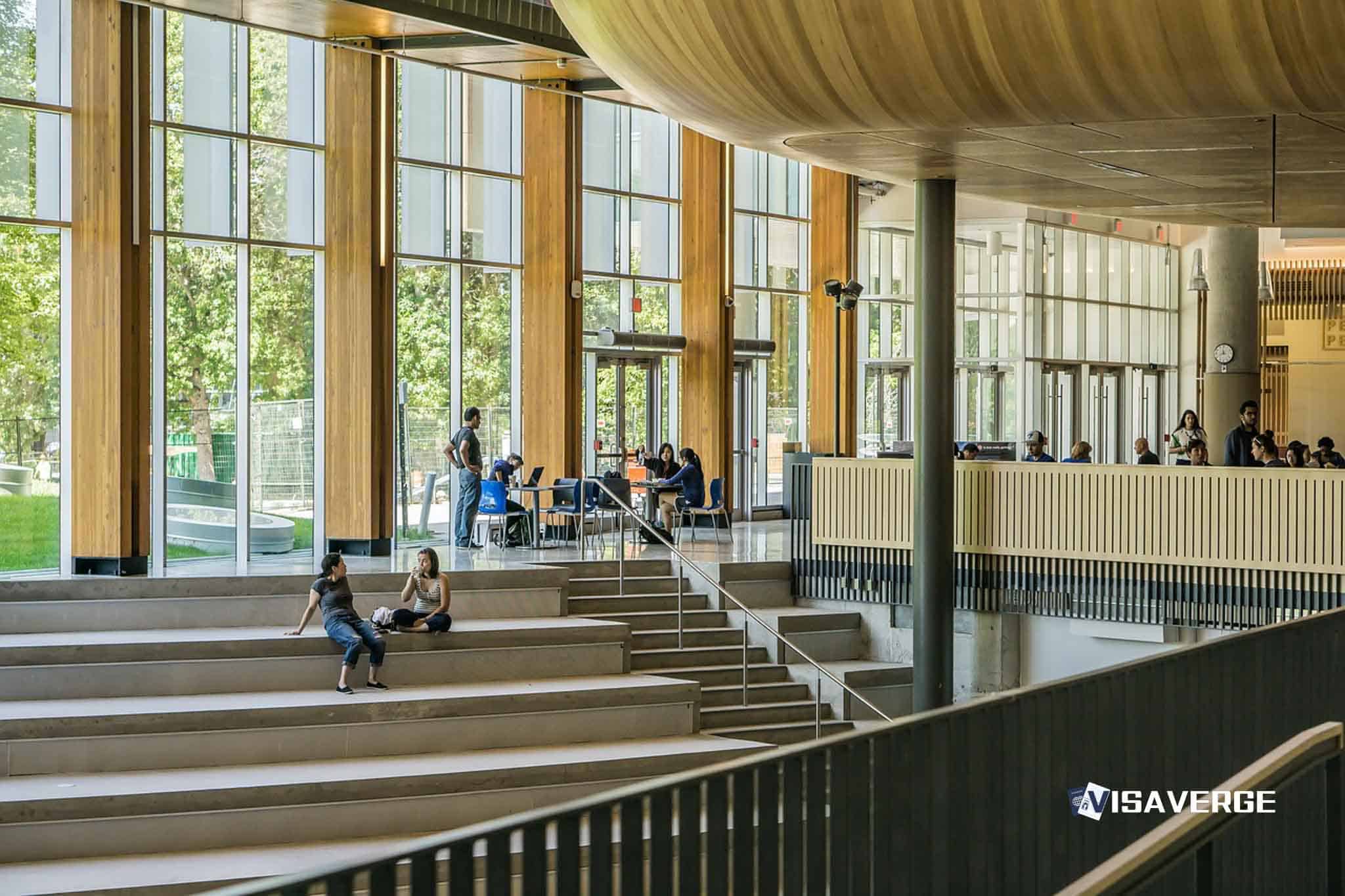
Virginia Tech’s International Center informed students that “delays in the visa process are anticipated” and recommended that international students reconsider non-essential travel.
“Delays in the visa process are anticipated.”
The University of Virginia similarly issued guidance describing significant disruptions to student visa processing. Both institutions tracked effects on new applicants and continuing students and advised their international communities to plan for slower timelines.
- Key advice from universities
- Reconsider non-essential travel.
- Expect slower processing and longer waits for interview slots.
- Monitor institutional and government guidance for updates.
Reason for the pause
The May 27, 2025 pause was ordered while agencies awaited guidance on expanded social media screening procedures. The State Department halted new appointments in the F, J, and M categories pending that additional screening guidance.
- Affected visa categories: F, J, M
- Primary reason: implementation of expanded social media screening procedures
- Immediate effect: uncertainty and reduced availability of interview slots for students and exchange visitors
Operational effects on Virginia institutions
For colleges and universities in Virginia that rely on predictable visa processing cycles, the appointment pause created an additional operational pressure point.
- Admissions, orientation, and housing planning were affected by delayed arrivals.
- Campus offices had to provide updated timing expectations and manage increased inquiries.
- Students were forced to weigh travel risks against the chance of missing interviews or experiencing long delays.
Broader visa-related pressures on higher education
The appointment pause occurred amid other visa-related challenges facing U.S. higher education. Separately, institutions were contesting newly imposed costs tied to employment-based filings.
- In October 2025, the American Council on Education and 29 other higher education associations urged the Department of Homeland Security to exempt colleges and universities from a new $100,000 fee for H‑1B visa applications.
- That $100,000 fee took effect following a September 19 presidential proclamation, and the associations argued the charge should not apply to educational institutions that rely on H‑1B filings for staffing.
Timeline of the two key developments
| Date | Action | Effect on higher education |
|---|---|---|
| May 27, 2025 | State Department pauses new F/J/M visa appointments | Delays and uncertainty for student and exchange-visitor processing; travel risks for international students |
| September 19, 2025 | Presidential proclamation announcing new H‑1B fee | New fee framework implemented |
| October 2025 | American Council on Education + 29 associations request DHS exemption from $100,000 H‑1B fee | Advocacy for relief for colleges/universities from employment-based filing costs |
How these developments connect
Together, the May 27, 2025 appointment pause and the later debate over the H‑1B $100,000 fee illustrate the range of immigration and visa issues confronting higher education:
- Student processing was interrupted by the appointment pause and expanded screening rules.
- Employment-based filings were burdened by a substantial new fee, prompting institutional appeals.
- Institutions such as Virginia Tech and the University of Virginia had to manage both the practical effects of delayed student processing and the broader policy and cost pressures affecting campus staffing.
These combined pressures highlighted the challenges universities face when federal visa policy and administrative changes occur without predictable timelines, affecting admissions, staffing, and daily campus operations.
International students and U.S. universities face significant challenges following a May 2025 pause on student visa appointments and a new $100,000 H-1B fee. While the State Department implements expanded social media screening, institutions like Virginia Tech and UVA are warning of arrival delays. Educational associations are now urging the government for fee exemptions to protect academic staffing and research talent recruitment.