A federal judge ruled against excluding international students from Utah varsity sports, challenging UHSAA’s May 2024 policy.
The ruling highlights inclusivity, allowing international students on F-1 visas, like Zac Szymakowski, to play varsity sports.
The decision bears implications for similar state policies, advocating fairness without isolating international students in sports.
Judge blocks Utah ban on international athletes
A federal judge has ruled that international students in Utah cannot be barred from varsity sports due to their visa status. This halts a policy by the Utah High School Activities Association (UHSAA) that restricted F-1 visa holders from sports participation.
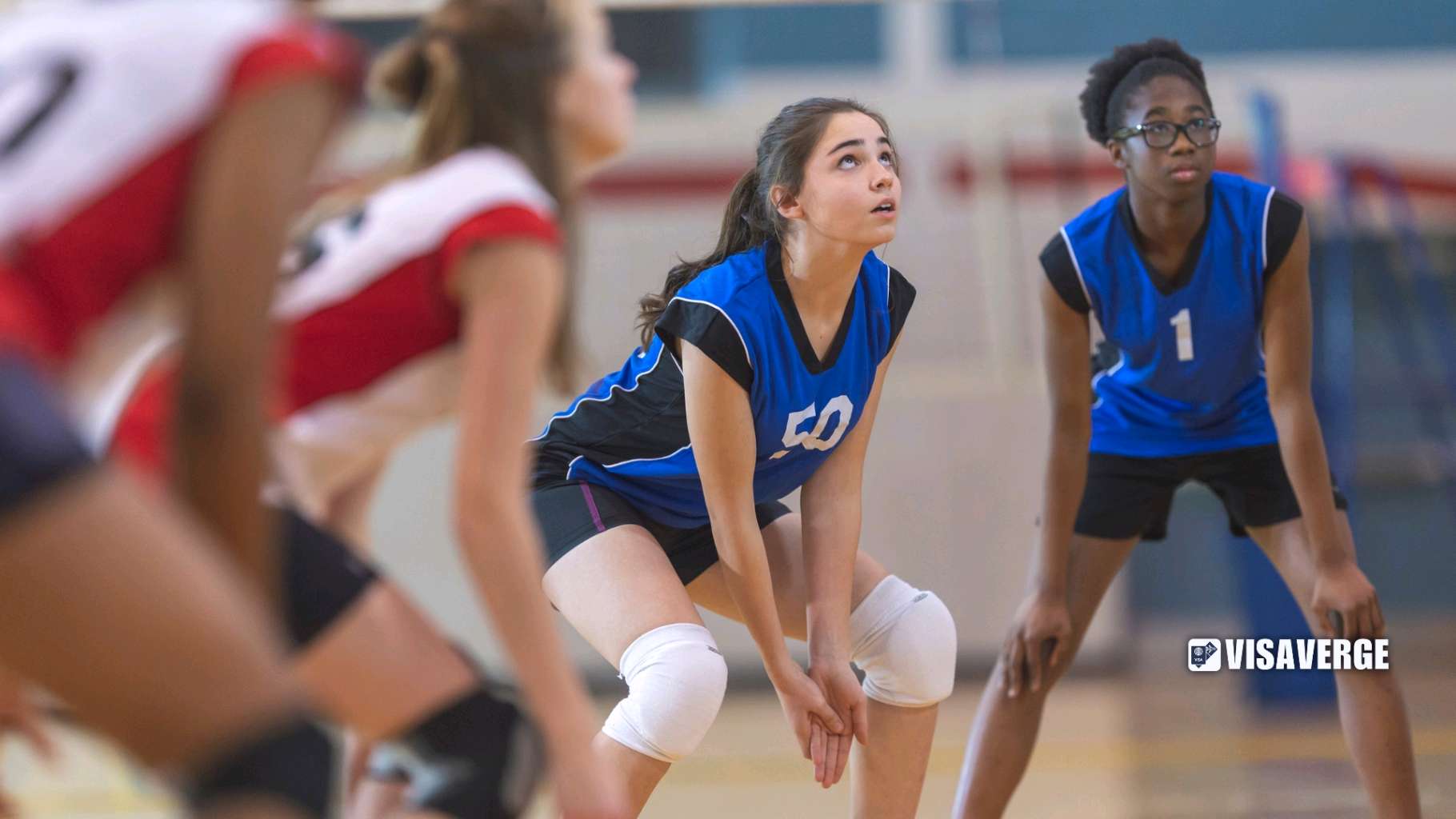
Why it matters: The decision challenges policies affecting international students’ rights and underscores the tension between fair competition and inclusivity in athletics.
The big picture:
– The UHSAA policy, enacted in May 2024, aimed to curb alleged recruiting practices of international athletes.
– Critics argued it discriminated against students like Zac Szymakowski, affected by the rule despite constitutional protections.
What they’re saying:
– Judge Tena Campbell stated the rule “likely discriminatory” and unfairly targeted F-1 visa holders.
– Szymakowski reflected on the ruling: “I don’t want other kids to go through what I did.”
State of play:
– The ruling allows Szymakowski and others to play varsity sports, temporarily overriding the UHSAA’s restrictions.
– The UHSAA plans to appeal, defending the policy as essential for balancing competition.
Between the lines:
– The ruling spotlights broader national debates over international student participation in sports, with state policies varying widely.
Yes, but:
– Some argue these restrictions protect local athletes and prevent competitive imbalance due to coaching practices prioritizing international talent recruitment.
The bottom line: Judge Campbell’s decision is a landmark for international students’ rights in sports, emphasizing inclusivity and challenging discriminatory policies. Future legal and policy developments will be closely watched for their impact on the landscape of high school athletics.
Taking a Closer Look
A recent decision in early 2025 has reshaped the landscape of high school sports in Utah 🇺🇸. A federal judge ruled that international students in Utah schools cannot be excluded from varsity sports based on their visa status. This ruling challenges the policy set forth by the Utah High School Activities Association (UHSAA) in May 2024, aiming to restrict students on F-1 visas from playing varsity sports. The decision reflects a shift towards inclusivity and raises crucial questions about fairness in high school athletics, especially concerning international students.
The UHSAA policy was introduced to address growing concerns over alleged recruiting tactics involving international athletes. The new rule aimed to prevent private schools from enlisting international talent merely to boost their sports teams’ performance. Under this rule, schools allowing international students on F-1 visas to play faced heavy penalties, including the loss of postseason eligibility. This move primarily targeted cases where international students had been instrumental in clinching state championships, stirring debates about fairness to local athletes.
Proponents of the rule within the UHSAA believed it was necessary to maintain a level playing field. They feared that without such regulations, some schools might unfairly stack their teams with international talent, overshadowing local athletes’ opportunities. However, opponents, including some school officials and advocates for international students, argued that this rule discriminated against international students, limiting their opportunities to enjoy the full high school experience akin to their peers. Critics contended that targeting F-1 visa holders was not only unfair but violated their constitutional rights.
The policy’s legality came under scrutiny when Zac Szymakowski, a student from Australia 🇦🇺 attending Juan Diego Catholic High School, filed a lawsuit. Szymakowski, an 18-year-old football player, highlighted that this rule discriminated against him solely due to his visa status, thus denying him the same opportunities as other students. His legal team leveraged the Equal Protection Clause of the Fourteenth Amendment, emphasizing that targeting international students based on their visas was unconstitutional.
Judge Tena Campbell, overseeing the case, delivered a pivotal ruling. Campbell issued a temporary restraining order, halting the enforcement of the UHSAA policy. Her decision focused on the unconstitutional nature of the rule, pointing out its selective discrimination against F-1 visa holders. Judge Campbell argued that while UHSAA’s concerns about recruiting were valid, the policy was not the right approach to address them. “The court finds that the student visa eligibility rule is likely discriminatory,” she noted, emphasizing that existing recruiting guidelines should suffice without isolating a specific group of students.
The immediate impact of Judge Campbell’s decision was substantial. It allowed Szymakowski and other international students on F-1 visas to participate in varsity sports, at least temporarily restoring their athletic opportunities. For Szymakowski, who had been unable to play most of the season due to the rule, this ruling was both a personal win and a step towards broader acceptance. As he remarked, “I probably won’t get to benefit from this long-term…But I don’t want other kids to go through what I did.”
The UHSAA, meanwhile, expressed disappointment and prepared to challenge the ruling in upcoming legal proceedings. Mark Van Wagoner, their attorney, stated that member schools supported the policy, underscoring the association’s intent to contest any extended legal injunctions. This reaction indicates the broader complexities and emotions entangled in the issue, as both sides strive for their version of fairness and justice in high school sports.
This case has geopolitical implications, resonating beyond Utah’s borders. Many states have similar restrictions concerning international students’ involvement in high school varsity sports. For instance, some states only allow international students to compete at the sub-varsity level or limit their eligibility to a single academic year. Critics of these restrictions argue that they inadvertently penalize international students, who come to the United States seeking both education and extracurricular activities. Additionally, there’s concern that such rules do little to solve the core issue of unfair recruiting practices.
On the flip side, supporters of such limitations believe they are crucial to protecting opportunities for local athletes and ensuring competitive fairness. They fear that well-funded private schools might exploit international recruiting to gain an unfair advantage, thus overshadowing local talent. The balance between ensuring inclusivity and maintaining a level playing field remains the core of this debate.
State lawmakers have taken interest in this controversy as well. In October 2024, UHSAA officials defended their stance before Utah’s Rules Review and General Oversight Committee, asserting that restrictions on F-1 visa students were essential for fairness. Despite their defense, Judge Campbell’s ruling has put these arguments on pause. This decision requires future policies to be crafted with greater care, ensuring they address recruitment issues without isolating international students.
This ruling by a federal court marks a turning point for high school sports in Utah and possibly across the United States 🇺🇸. By setting aside restrictions on international students’ varsity sports participation, it highlights the importance of inclusivity within educational settings. As legal proceedings continue and policymakers deliberate on the best course forward, the precedent set by this case will likely shape discussions about fairness, diversity, and competition in high schools.
For now, international students such as Zac Szymakowski can savor this hard-won victory. They can look forward to fully engaging in sports without the fear of being sidelined due to their visa status. Judge Tena Campbell’s ruling is a reminder of the evolving dynamics in educational and athletic policies, promising a fair chance for all students regardless of their origins.
As discussions progress, platforms like VisaVerge.com suggest that the case will have lasting impacts. For those interested in following developments or looking for more immigration resources, government websites provide authoritative and detailed information on current partnerships and policy changes regarding international students and F-1 visas, offering clarity and guidance in this complex arena. Learn more about these regulations by consulting reputable government sources that house official announcements and detailed legislation.
Learn Today
Varsity Sports: Athletic programs at the high school level where students compete in the highest level of school sports.
F-1 Visa: Non-immigrant visa that allows international students to study at accredited institutions in the United States.
Equal Protection Clause: Part of the Fourteenth Amendment to the U.S. Constitution, mandating equal legal protections for all individuals.
Temporary Restraining Order: A court order that temporarily prevents a party from pursuing an action until a full hearing can occur.
Recruiting Tactics: Strategies employed by schools or organizations to attract talented individuals to join their teams or programs.
This Article in a Nutshell
A federal judge’s 2025 decision in Utah allows international students to play varsity sports, challenging restrictions targeting F-1 visa holders. This ruling emphasizes inclusivity, questioning fairness in high school athletics. As legal challenges continue, it sets a precedent for balancing diversity with maintaining fairness and opportunity in sports nationwide.
— By VisaVerge.com
Read more:
• Shattered Dreams: How 1 Mistake Tore a Family Apart From Colombia to Utah
• Kosovo Opens First Embassy in Colombia
• Nevada’s Minimum Wage 2024 Update
• Oklahoma Work Permits Task Force Final Report Released
• List of Canadian Embassies and Consulates in the USA