- U.S. gasoline prices rose by one dollar following the expansion of the U.S.-Israel-Iran conflict.
- Airlines face thousands of flight cancellations across major Gulf hubs, impacting global travel and freight costs.
- The U.S. military budget faces over 200 billion dollars in additional funding requests for 2026 operations.
(UNITED STATES) — Americans are paying more for gasoline, facing travel disruptions and slower visa processing, and bracing for broader economic strain as the widening U.S.-Israel-Iran war spills into daily life far beyond the Middle East.
The conflict began with U.S. and Israeli strikes on Iran on February 28, 2026 and has since expanded into a broader regional crisis touching energy infrastructure, shipping lanes, airspace, and consular operations. By April 6, 2026, its effects had spread into household budgets, aviation, universities, immigration systems and public finances in the United States.
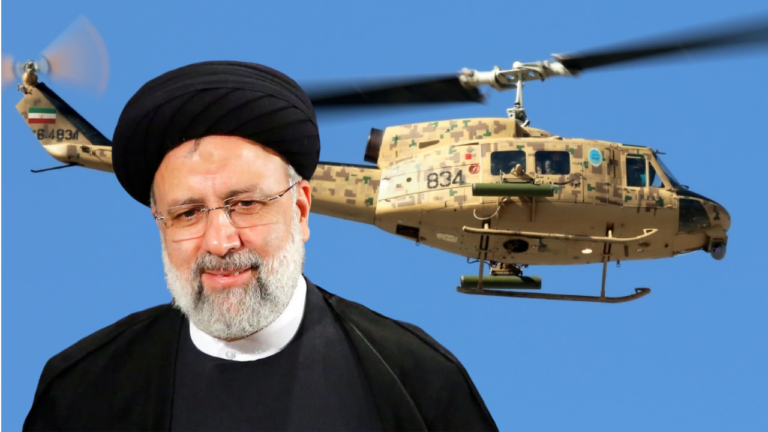
Gasoline has become one of the clearest signs of the fallout. The Federal Reserve has said the average U.S. gasoline price is up by about $1 per gallon compared with just before the recent Middle East conflict, and gasoline is now above $4 a gallon as inflation pressures spread into the services economy.
That increase reaches well beyond the gas pump. Higher energy prices raise freight, aviation, food distribution, chemicals, plastics, manufacturing inputs and delivery costs, pushing up costs for businesses and consumers even when they have no direct connection to the war.
The Institute for Supply Management’s March services report showed slower growth and sharply rising input costs, with the prices-paid measure at its highest level in more than three years. Lower-income families face a sharper squeeze because they have less room in their budgets when fuel costs jump.
Travel has also been hit hard. The U.S. State Department’s current Middle East advisory tells Americans in the region to follow embassy guidance and use its 24/7 task force for return options, while separate guidance for Qatar says routine consular services have been suspended and Americans are strongly encouraged to depart.
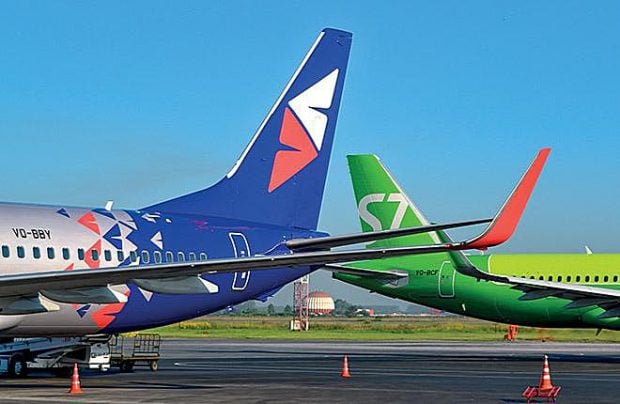
Airlines have faced thousands of flight cancellations across major Gulf hubs including Dubai, Doha, and Abu Dhabi. The airspace squeeze has disrupted passengers well beyond the region, leaving longer reroutings, more fragile connections and higher fares for travelers moving between the United States, Europe, South Asia and Africa.
Cargo costs have climbed as well. Air-freight rates on some routes rose by as much as 70%, with South Asia to North America up 58%, a shift that feeds into consumer prices and business costs in the United States.
Willie Walsh, director general of the International Air Transport Association, said there are “no winners” in a widening Middle East crisis because it raises fuel costs and pushes ticket prices up.
The immigration system is absorbing the shock through disruption rather than through a new law. When embassies suspend routine services, when airspace closes and when applicants cannot travel safely, visa processing slows even if immigration rules stay the same.
Qatar has become one example of that pressure. U.S. guidance there says routine consular services are suspended and emergency support has taken priority, leaving visa applicants to contend with delayed interviews, rescheduled appointments, missed intake windows and longer separations from employers or universities.
For people already in the United States, U.S. Citizenship and Immigration Services has not announced a conflict-wide humanitarian program for the region. Instead, the agency continues to direct affected people to its standing “immigration relief in emergencies or unforeseen circumstances” options, which can include expedited processing, status-related flexibility and other case-by-case measures.
That means the impact on visa processing is practical and immediate. Wars disrupt routes, appointments, documents and access to embassies, all of which legal migration depends on.
Students and universities are exposed too. The United States hosts more than 1.1 million international students, according to IIE’s Open Doors data, and that system relies on consular access, predictable travel and stable family finances.
When consular operations are curtailed or regional travel becomes risky, students from the Middle East and nearby regions can miss interviews, lose travel windows, delay enrollment or face financial strain at home. That can also ripple through American campuses in admissions, tuition planning, housing and operations, especially at schools with large international populations or ties to energy, engineering, business and medical programs.
Study abroad and exchange programs face similar uncertainty. State Department guidance has told Americans in the region to be prepared for possible travel disruptions and changing safety conditions, conditions that can upend semesters, fieldwork and faculty travel with little notice.
Pressure is building on the federal budget as well. In March, the Trump administration estimated that the Iran war had already cost the United States more than $11 billion in six days.
As the war expanded, the Pentagon sought over $200 billion in additional funding. The administration also proposed a $500 billion increase in the military budget for fiscal 2027 while the conflict continued.
Those costs extend beyond military operations. Direct spending on naval deployments, missile defense, intelligence, force protection and replenishment can rise at the same time that higher oil prices weaken growth, lift inflation and complicate monetary policy.
International financial institutions have warned about that broader drag. The International Monetary Fund says that all conflict scenarios point toward higher prices and slower growth, while the Organisation for Economic Co-operation and Development says the energy supply shock from the evolving Middle East war is weakening what had been a stronger global growth path.
The OECD’s March interim outlook projects global GDP growth at 2.9% in 2026 and 3.0% in 2027. It also says growth would have been stronger without the energy shock.
For the United States, the channels are straightforward. Higher oil and gasoline prices raise transport and input costs, pressure household consumption and make inflation harder to control.
The Federal Reserve has already tied the war to higher gasoline prices, and business surveys show rising cost pressure. JPMorgan CEO Jamie Dimon warned this week that the Iran war could keep inflation and interest rates higher than markets had hoped.
The effects are not distributed evenly around the world. Some Middle Eastern states with alternative export routes have improved revenue positions, while others have suffered heavy losses tied to the Hormuz crisis, showing how the same conflict can boost one producer while damaging another.
Import-dependent economies face a sharper shock from higher fuel and transport costs. The Bank of Japan has already warned that the conflict could hurt Japan’s economy through higher import costs and supply-chain disruption.
Without the war, the global economy would probably have been on a stronger path. The OECD says the conflict has weakened what had been a more robust pre-conflict trajectory, while the IMF says the war has added a fresh energy shock to an already uncertain environment.
That does not mean every other economic problem would have disappeared. Trade tensions and inflation persistence would still have weighed on growth, but the war has become an added drag on top of those pressures.
How long the damage lasts depends on the conflict’s course. The U.S. Energy Information Administration says its baseline still expects Brent crude to remain above $95 in the near term, then fall below $80 in the third quarter of 2026 and toward $70 by year-end.
That outlook hinges on how long the Middle East war lasts and how much production remains offline. If the conflict cools and the energy shock fades, inflation pressure could begin easing through late 2026 and 2027. If the war drags on, constrains Hormuz or damages more energy infrastructure, the pressure on inflation, investment, travel, trade and confidence could persist much longer.
Diplomacy remains part of the picture even after the escalation. Governments that support military action have argued that force may be needed for deterrence, security, shipping-lane protection or preventing a larger strategic threat, and congressional summaries said the stated U.S. objective at the onset of strikes was to eliminate imminent threats from the Iranian regime.
Yet calls for a negotiated end have continued. U.N. Secretary-General António Guterres said on April 2 that “the war in the Middle East must stop. Diplomacy must prevail.”
Iran and the United States had also received a plan to end hostilities through an immediate ceasefire and broader negotiations by April 6. That leaves open the central question now facing policymakers and markets alike: whether diplomacy can halt a conflict that has already spread into energy systems, aviation networks and cross-border mobility.
The war is not comparable in scale to World War I or World War II, but it is producing global economic and strategic effects. Through oil markets, shipping lanes, aviation, inflation, diplomacy and public spending, a regional conflict is already reshaping decisions made by households, universities, employers and the U.S. government.
For American families, the consequences are direct. They appear in fuel bills, airline tickets, grocery prices, tuition planning and travel uncertainty. For visa applicants and students, they appear in suspended consular services, missed interviews and disrupted enrollment plans.
For Washington, they appear in war costs that have already topped more than $11 billion in six days, requests for over $200 billion in additional funding and a proposed $500 billion increase in the military budget for fiscal 2027. For the wider economy, they appear in slower projected growth, higher prices and a weaker outlook than existed before February 28, 2026.
If a durable ceasefire takes hold, some of the strain could unwind over the next several quarters. If the U.S.-Israel-Iran war widens further, the fallout may last for years, leaving the United States with higher costs, slower growth, more fragile travel networks and a visa processing system under continuing pressure.