- U.S. border officers may search electronic devices and request passwords without prior notice or reason.
- Refusing a device search can result in denied entry or seizure of phones and computers for non-citizens.
- Travelers are advised to use airplane mode and remove sensitive data before reaching border checkpoints in 2026.
(UNITED STATES) — Canada warned travelers heading to the United States that U.S. border officers may search phones, computers or tablets, request passwords without giving a reason, and seize a device, delay travel or deny entry to a non-U.S. citizen who refuses.
That authority is not new. The broader issue for Canadian travelers in 2026 is that device searches now sit inside a wider border system shaped by admissibility decisions, preclearance interviews, digital privacy risks and quick judgments about whether a traveler is being fully truthful.
U.S. Customs and Border Protection says electronic-device inspections happen on “rare occasions.” At the same time, CBP says its border search authority comes from federal statutes and regulations, and its 2026 border-search guidance makes clear that inspections can cover electronic devices presented for inspection.
That leaves many travelers confronting a gap between perception and practice. A phone search may be uncommon, but the power exists, and border decisions can turn on far more than whether an officer asks to look at a screen.
For visitors, students, temporary workers, dual nationals and permanent residents, a border inspection can quickly become an immigration problem. Admissibility often depends on what a person says, what documents they carry and whether officers believe the trip matches the traveler’s legal category.
Canada’s official U.S. travel advisory warns that CBP officers may ask for proof of residential, employment or educational ties to Canada, proof that a trip is legitimate and proof of funds. In that setting, device content can become part of a wider decision about whether someone should be allowed to enter.
That matters even for Canadians used to relatively easy access to the United States. Canadian citizens often do not need a visa for short visits, but Canada also warns that already-issued U.S. visas can be reviewed and terminated for various reasons and that U.S. immigration rules are strictly enforced.
Ease of travel does not mean low scrutiny. For Canadian travelers, a routine crossing can become more complicated if officers see inconsistencies between a person’s stated purpose and the digital record they carry.
CBP’s current electronic-device guidance says a border search will examine information resident on the device when it is presented for inspection. A related 2026 CBP directive says border searches may include information stored on the device at the time of inspection or otherwise accessible through the device.
That point carries practical consequences. The question is no longer simply whether U.S. border officers can inspect a phone, but what the phone can reach at the moment an officer reviews it.
Canada’s government tells travelers to put devices in airplane mode before crossing so remote files do not download accidentally. It also advises people to avoid traveling with sensitive personal or business information, consider a travel-only device and remove private data from devices before departure.
Those steps reflect how device searches and border screening now overlap. Data stored elsewhere may still become reachable if a device connects, and material unrelated to admissibility can still expose personal, professional or commercial information.
For professionals, students and researchers, the risks extend beyond inconvenience. Phones may contain client files, internal company messages, unpublished research, confidential legal material or private communications.
Canada’s cybersecurity guidance tells travelers not to take any data into another country that they are not prepared to lose. That warning frames device searches not only as a privacy issue, but as a border-risk issue with immigration and professional consequences.
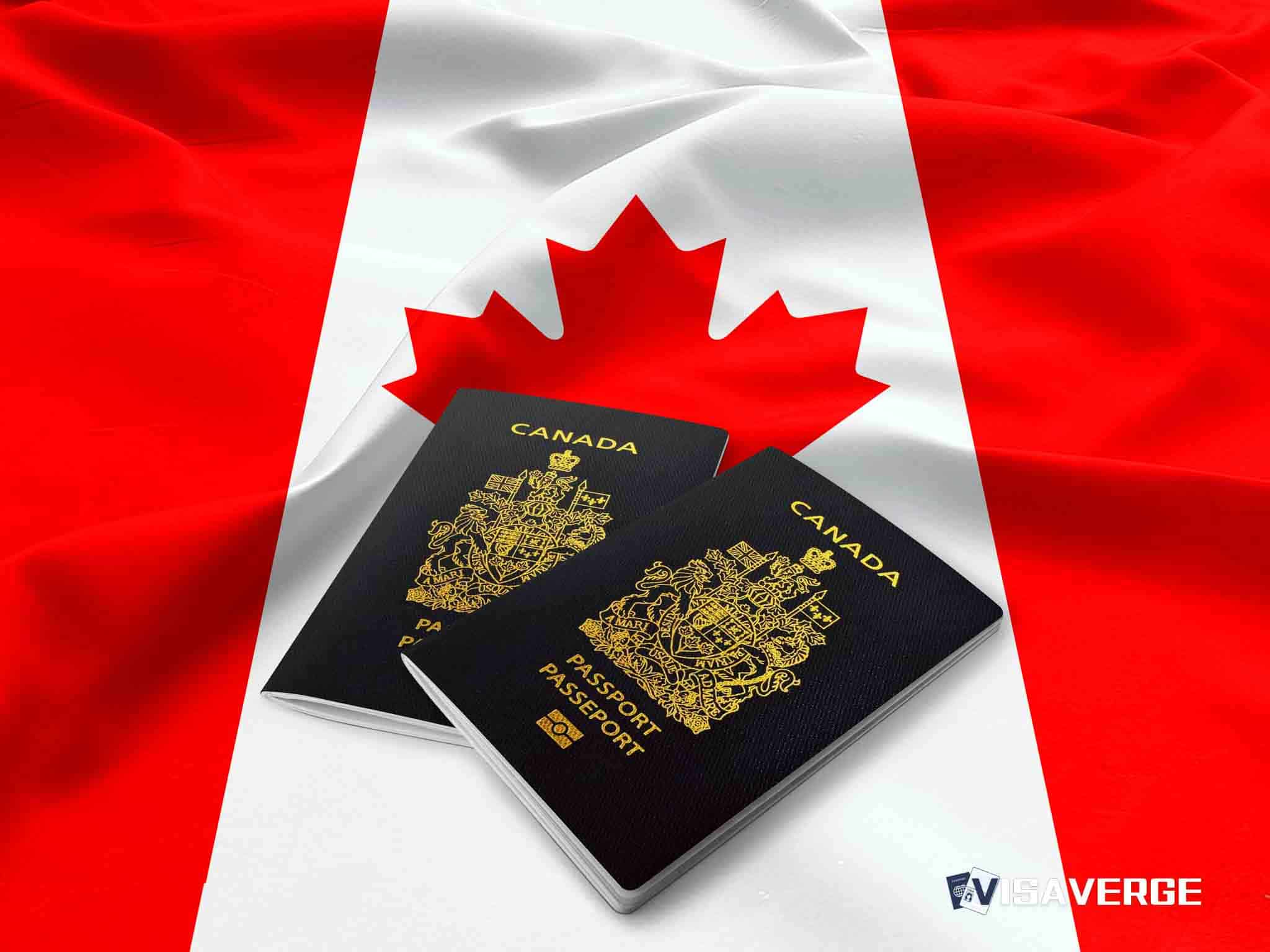
Preclearance makes the issue more immediate for Canadians because many first encounter U.S. border authority in Canada, not after landing in America. At U.S. preclearance facilities in Canadian airports, travelers must still meet U.S. entry requirements, submit to an interview with a U.S. preclearance officer and may have luggage inspected or entry refused before boarding.
A device problem can derail a trip before departure. That timing matters for business travelers trying to reach a meeting, students returning to campus and families traveling on fixed schedules.
Canada says travelers in a preclearance area remain subject to Canadian law, including the Charter and the Preclearance Act. Travelers may withdraw their request to enter the United States unless an officer reasonably suspects a false or deceptive statement or obstruction.
Once that suspicion exists, the officer may detain the person for violations of Canadian law. In practice, the danger is not limited to refusing access to a device. It also includes creating an appearance of deception, inconsistency or obstruction during questioning.
Students and workers often face more at stake than tourists. A delay or refusal can affect enrollment, employment or the ability to return to a U.S.-based routine tied to lawful status.
Canada’s advisory says Canadian students do not generally need visas to study in the United States, but they do need SEVIS registration and must present the appropriate registration form to CBP each time they enter. It also says many Canadian business travelers may apply directly at a port of entry, though some work-related categories require specific documents.
In both cases, the traveler must match the right facts to the right legal status. An officer assessing admissibility may look for consistency between the stated purpose of travel, the documents in hand and the broader picture surrounding the trip.
Device content can become indirectly important in that process. Messages about freelance work during a visitor trip, job duties that do not match a claimed business purpose or records pointing to residence in the United States rather than temporary travel can complicate an inspection.
Canada’s advisory warns that travelers may need to prove ties to Canada, a legitimate purpose and a reasonable trip length. That means digital material can take on importance even when the immediate question at the border sounds simple.
The same pressure applies to Canadians who spend substantial time in the United States. Canada says that if a CBP officer suspects a person is spending more time in the United States than in Canada, the traveler must prove that they are a temporary visitor and not effectively a U.S. resident.
In that setting, a device can supply context about daily life, work patterns and long-term presence. What might seem like ordinary personal data to a traveler can look different in an admissibility interview.
A broader policy shift sits behind these inspections. Cross-border screening is becoming more data-conscious even when electronic-device searches remain infrequent.
Canada’s U.S. advisory says many U.S. ports of entry use facial recognition, and digital fingerprints are required for some travelers. CBP has also started reporting electronic-device searches separately in its enforcement statistics beginning in fiscal year 2025.
That reporting change does not by itself show a surge in searches. It does show that device searches now stand as a distinct category within border enforcement, alongside the biometrics and document checks that increasingly shape how travelers move across the frontier.
Modern border control no longer turns only on passports and luggage. It blends biometrics, device authority, preclearance questioning and immigration analysis into a single encounter that can move quickly and carry lasting consequences.
For Canadian travelers, that changes what preparation looks like. Traditional documents still matter, but so does the digital footprint that travels with a person and can influence how officers assess credibility, purpose and ties.
Canada’s guidance lays out a practical approach. Reduce the amount of data on devices, use cloud or external storage kept at home, consider a travel-only device and put the device in airplane mode before crossing.
Those measures do not remove CBP’s authority. They can, however, narrow what becomes exposed if an inspection happens and reduce the chance that a device will pull in additional material during a border encounter.
Travelers also need to make sure their digital story matches their legal story. A visitor should look like a visitor, a student should carry records consistent with study and a professional entering for authorized business should be able to explain the trip clearly and consistently.
Border problems often arise from an overall picture that stops making sense. Officers may weigh proof of ties, funds, trip legitimacy and the traveler’s answers together, rather than treating each piece of evidence in isolation.
That is why the current issue extends beyond device searches alone. The real shift is the way digital exposure now fits into a border system that can make immediate judgments about admissibility before a traveler boards a plane or crosses a checkpoint.
For lawyers, journalists, researchers, executives and others carrying sensitive information, the advice from Canada’s cybersecurity guidance is especially direct. Border transit is not the place to carry data that cannot be exposed, lost or delayed.
The power to inspect devices already exists, and Canada’s warning makes that plain. What has changed is how completely border screening now folds together device searches, preclearance, biometrics and immigration consequences.
For Canadians crossing into the United States in 2026, preparation no longer ends with a passport, ticket and itinerary. It now includes managing the contents of the phone in your hand and making sure that digital record tells the same story as the traveler standing in front of the officer.