- University of Utah police refuse to engage in federal immigration enforcement activities.
- Chief Safety Officer Keith Squires opposes deputizing campus officers under the federal 287(g) program.
- The stance aims to maintain student trust despite shifting national DHS enforcement policies.
(SALT LAKE CITY, UTAH) — University of Utah Chief Safety Officer Keith Squires told the school’s Board of Trustees on March 10, 2026, that campus police “have not and do not intend to engage in federal immigration enforcement,” drawing a bright line as students and staff weigh a tougher national climate around immigration enforcement.
“We have not been requested to, and I do not want our department to participate,” Squires said during the briefing, according to the university.
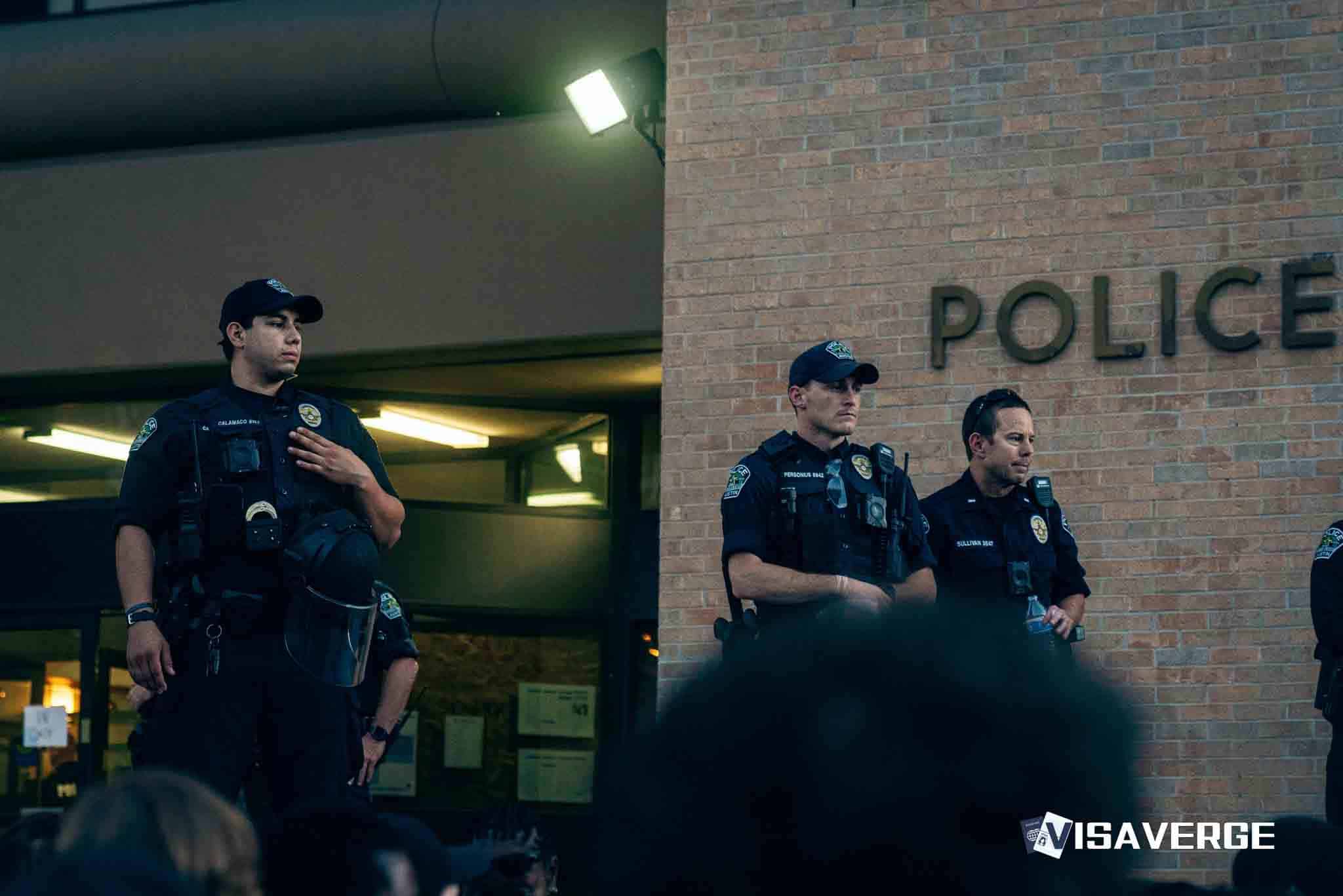
The statement, followed two days later by campus guidance from the university’s communications department, put the University of Utah among public institutions addressing growing concern over whether federal immigration activity could reach schools and how local campus police would respond if it did.
By mid-March, that question had taken on fresh urgency. Federal agencies had already widened their enforcement posture, and universities were facing pressure to explain what authority campus police did and did not have.
In its March 12, 2026 guidance, the university said it does not ask students to disclose their immigration status and does not track that information, tying its privacy practices to FERPA and HIPAA requirements. It also said University of Utah police do not ask about immigration status, do not detain anyone solely on the belief that they are in the country illegally, and do not make arrests based solely on ICE detainers.
| India | China | ROW | |
|---|---|---|---|
| EB-1 | Apr 01, 2023 ▲31d | Apr 01, 2023 ▲31d | Current |
| EB-2 | Jul 15, 2014 ▲303d | Sep 01, 2021 | Current |
| EB-3 | Nov 15, 2013 | Jun 15, 2021 ▲45d | Jun 01, 2024 ▲244d |
| F-1 | May 01, 2017 ▲174d | May 01, 2017 ▲174d | May 01, 2017 ▲174d |
| F-2A | Feb 01, 2024 | Feb 01, 2024 | Feb 01, 2024 |
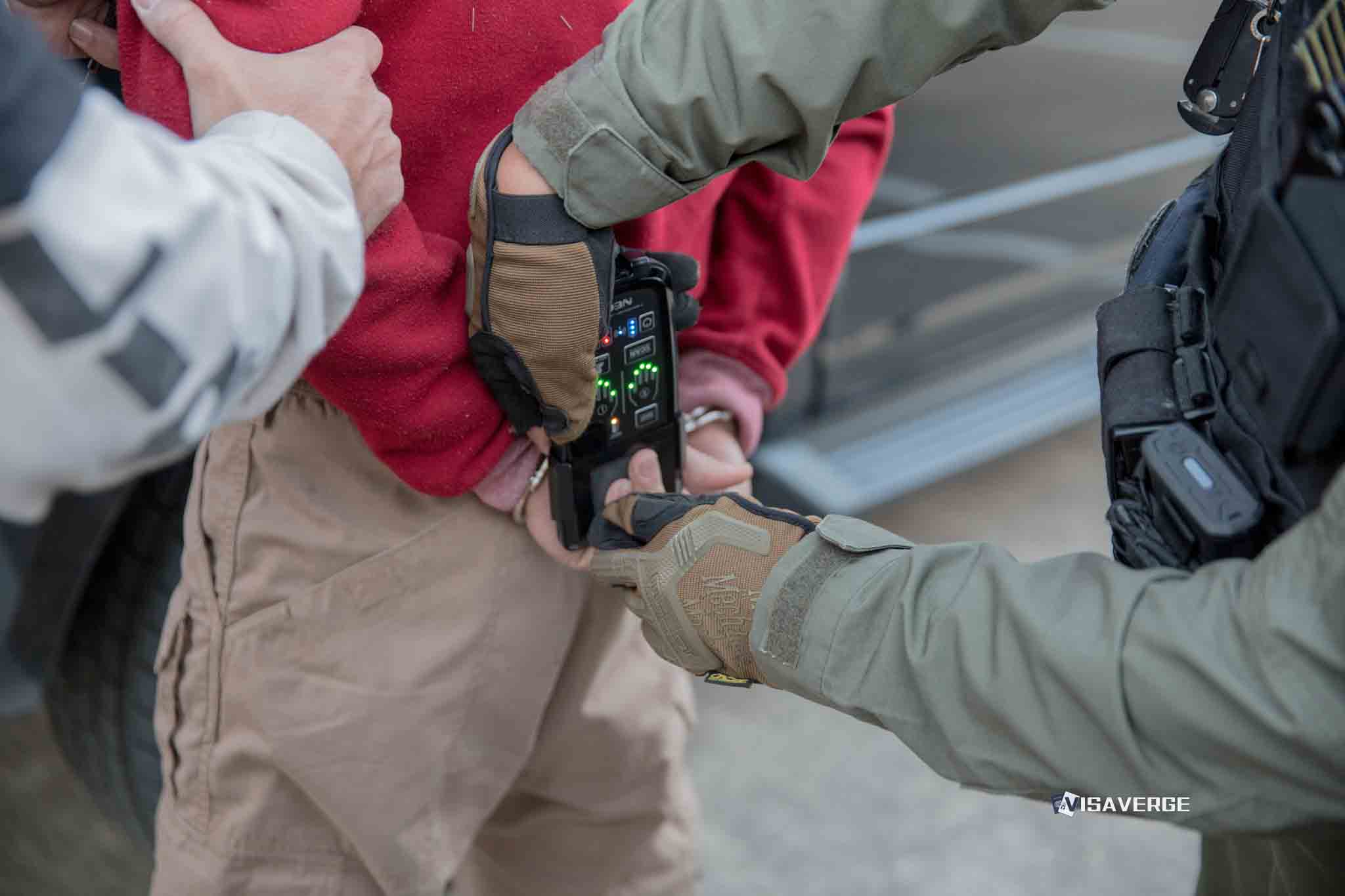
Squires also said he would prefer university police not be deputized under the federal 287(g) program, which allows local law enforcement agencies to perform some immigration functions. As of March 2026, the university’s Public Safety Department reported no confirmed incidents of ICE conducting immigration enforcement on campus.
That stance matters because it speaks to trust as much as policy. University officials said the approach is meant to ensure students, victims and witnesses feel able to report crimes or safety concerns without fearing immigration consequences.
The backdrop changed early in 2025, when the Department of Homeland Security rescinded prior “sensitive locations” protections that had limited immigration arrests in places such as schools and churches. On January 31, 2025, a DHS spokesperson said, “This action empowers the brave men and women in CBP and ICE to enforce our immigration laws and catch criminal aliens—including murderers and rapists—who have illegally come into our country. Criminals will no longer be able to hide in America’s schools and churches to avoid arrest.”
That shift replaced bright-line protections with “Common Sense” guidance that allows officers to act case by case. Even where local institutions said they would not participate, the federal change created uncertainty over what federal officers themselves could do.
Later federal statements sharpened that uncertainty. In a November 13, 2025 news release on system integrity, USCIS spokesperson Matthew Tragesser said, “The distinction between legal and illegal immigration becomes meaningless when both can destroy a country at its foundation. The Trump administration continues to execute policies to ensure legal immigration advances American interests first.”
On March 3, 2026, DHS Secretary Kristi Noem linked enforcement pressure to funding strain during testimony before the Senate amid a partial DHS shutdown. “Senate Democrats. have chosen not to fund the department and have held this department hostage. As a result, critical national security missions, including border security [and] immigration enforcement. are all being strained,” Noem said.
Together, those statements left schools and universities trying to explain their own limits while federal agencies signaled broader authority. For campuses, the result has been a widening gap between local assurances and national enforcement rhetoric.
National figures help explain why one statement from Utah has carried beyond one campus. ICE said that, as of March 2, 2026, it had 1,493 active 287(g) agreements in 40 states, a record high. The expansion matters because universities and local police departments are increasingly being asked to define whether they will join, resist or remain outside those partnerships.
At the same time, students and families have watched other federal measures intensify concern. Roughly 8,000 student visas have been revoked since January 2025, while USCIS has referred over 3,200 individuals with criminal indicators to ICE and issued nearly 230,000 Notices to Appear since January 20, 2025.
Those numbers do not describe campus policing in Utah. They do show a more aggressive federal posture, one that has made university statements on immigration enforcement more consequential for international students and mixed-status families.
For public universities, the issue reaches beyond one police department. State-funded institutions must keep campuses functioning, maintain confidence in safety systems and answer students’ questions, even as federal priorities move in the opposite direction.
Squires said regional ICE directors had made verbal commitments not to conduct enforcement at Utah public schools. Yet the legal room for federal action widened after the rollback of sensitive locations protections, leaving campus leaders to rely on both written policy and less formal assurances.
That tension sits inside a broader federal push. The government has used the One Big Beautiful Bill Act, or OBBBA, to fund enforcement initiatives including Operation Metro Surge and Operation PARRIS, which the university context has placed in sharper relief for schools trying to define the boundary between campus safety work and federal immigration operations.
At the University of Utah, the boundary is clear in the university’s own language. Police are not deputized under 287(g), the institution has said it opposes joining that program, and officers will not turn ordinary contacts into immigration checks.
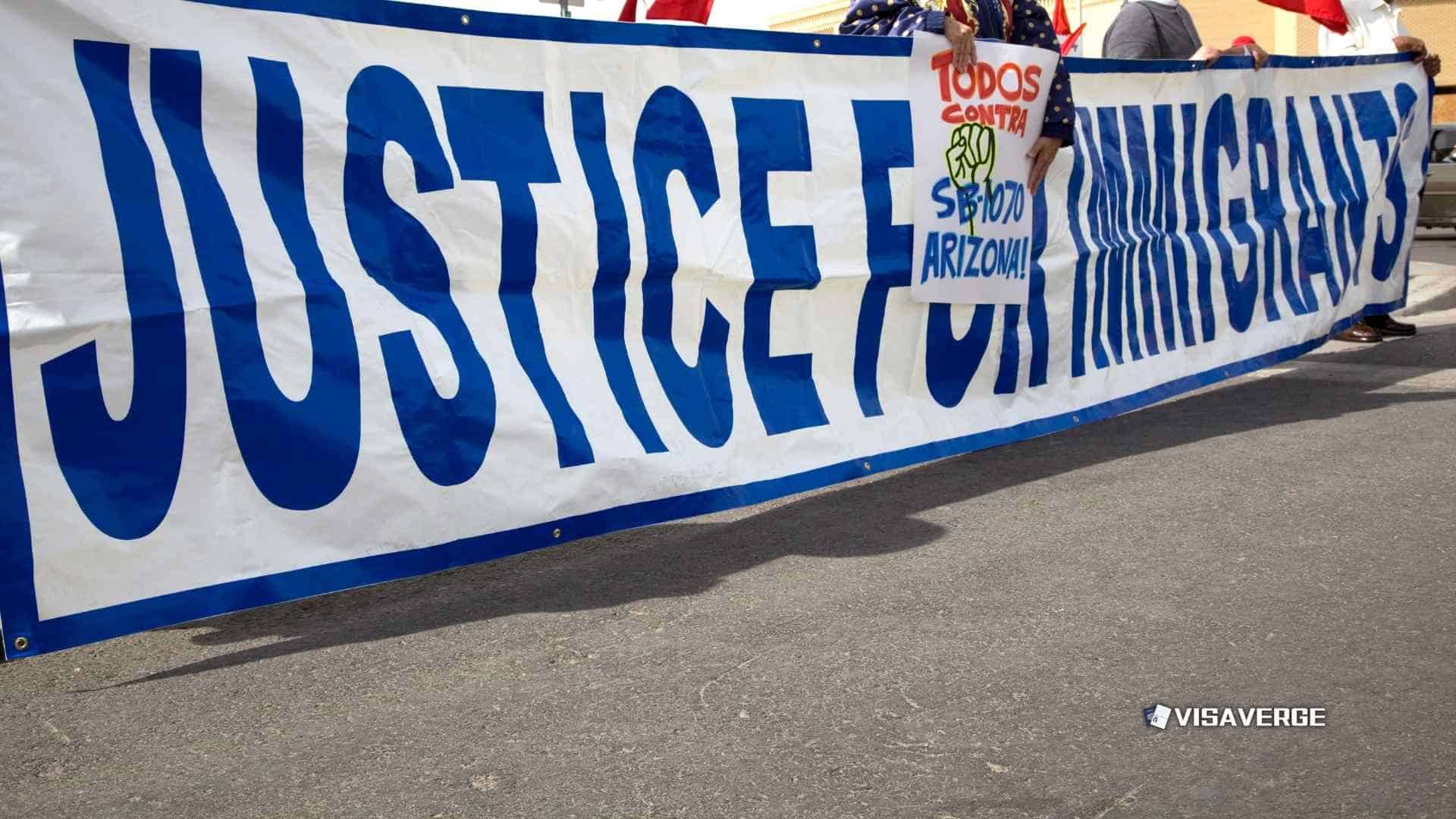
Those operational limits also shape daily campus life. Student groups have voiced “anxiety and worry” about possible raids and about stories of enforcement elsewhere, concerns that can spread quickly through dorms, classrooms and student networks even when no confirmed incident has occurred on campus.
High-profile events outside Utah have deepened that fear. Student concerns intensified after the killing of two U.S. citizens by federal agents in Minneapolis during January 2026 enforcement operations, a case cited by campus groups as part of the atmosphere driving rumors and mistrust.
For universities, rumors alone can alter behavior. Students may think twice before reporting an assault, speaking to campus police or attending routine meetings if they believe an encounter with any authority figure could expose them or relatives to immigration scrutiny.
That is why the University of Utah’s message has focused not only on what police will not do, but on why. Officials have tied their position to preserving trust in the safety system, arguing that campus security works only if people believe they can come forward.
Administrative concerns stretch beyond law enforcement. International students are also facing changes in how their status is managed, including a shift from duration-of-status rules to fixed 4-year admission periods, which can require more frequent interaction with USCIS and more applications for extensions.
That means more paperwork and more uncertainty for students already watching visa revocations climb nationally. Even without on-campus raids, a stricter federal environment can affect whether students feel secure remaining in school, traveling or seeking help from administrators.
The public record behind the dispute comes from both local and federal sources. On the university side, Squires’ March 10 remarks to the Board of Trustees and the March 12 campus guidance set out the institution’s position in direct terms.
On the federal side, DHS press releases, USCIS newsroom materials and ICE records outline the policy climate that has made campus declarations more urgent. The January 2025 DHS statement on schools and churches, the November 2025 USCIS message on legal immigration, and Noem’s March 2026 Senate testimony all pointed in the same direction: more enforcement authority, more pressure on agencies and fewer assumptions about spaces once treated as protected.
The university’s account also rests on its own campus communications and public reporting, including University of Utah @theU News. Federal records cited in the debate include the USCIS newsroom, DHS press releases and the ICE Protected Areas Dashboard.
For now, the University of Utah has drawn its line publicly: campus police will not carry out federal immigration enforcement, and Squires has said he does not want the department involved. Whether that assurance remains enough for worried students may depend not only on what happens in Salt Lake City, but on how far federal agencies push the powers they say they now have.