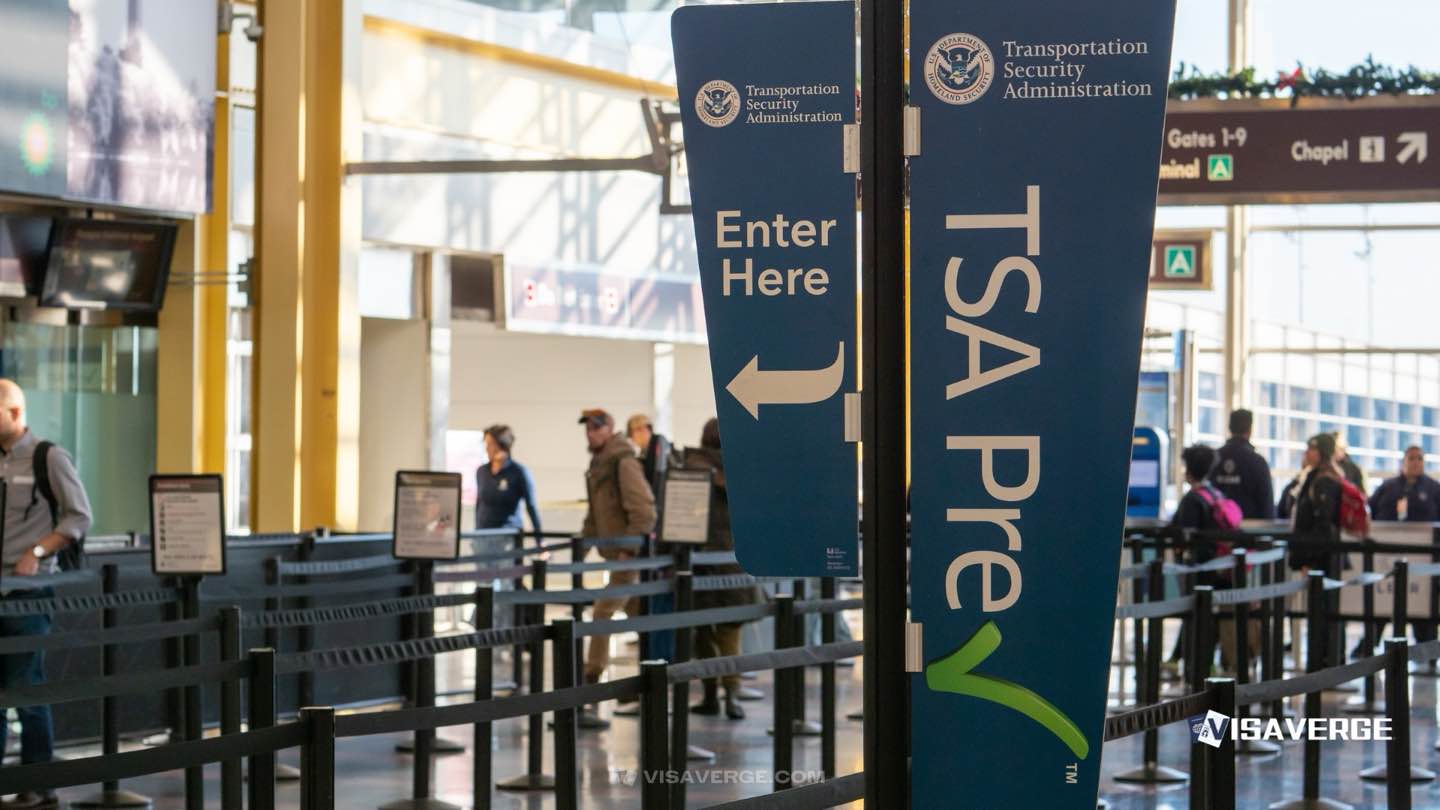
- Travelers aged 18+ must now present REAL ID-compliant identification to board all domestic flights in the U.S.
- A new TSA ConfirmID backup option allows travelers without compliant IDs to verify identity for a $45 fee.
- Accepted alternatives include passports, Global Entry cards, and certain permanent resident or employment authorization documents.
(UNITED STATES) Airlines and airport security officers are enforcing REAL ID rules across the country, and travelers aged 18 and older now need a REAL ID-compliant driver’s license or state ID with a star, or another TSA-approved document, to board domestic flights. The change has been in force since May 7, 2025, and by March 2026 most passengers already arrive prepared, with 94% carrying compliant identification.
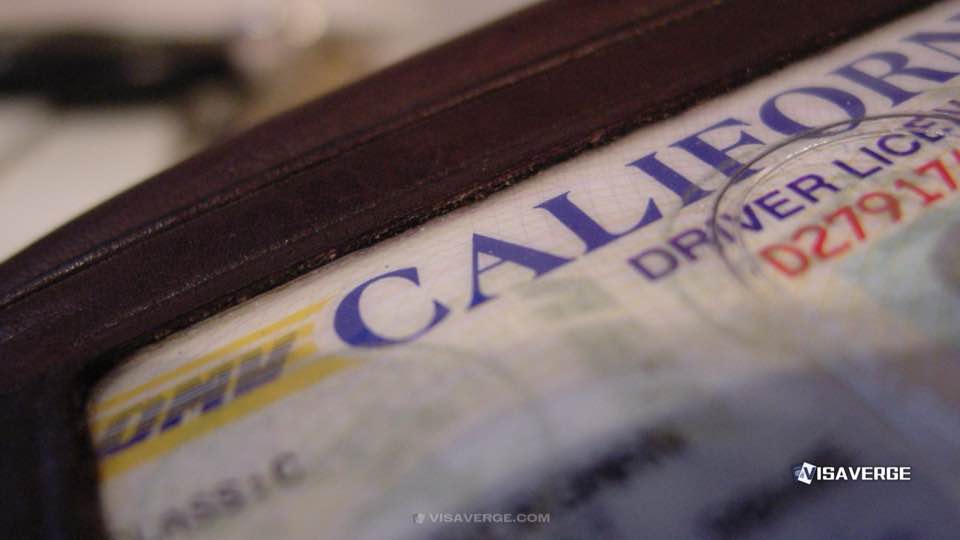
That leaves a smaller group facing delays, extra screening, or denial at the checkpoint. Since February 1, 2026, TSA has also offered TSA ConfirmID, a $45 fee-based identity check for travelers who do not have a compliant ID or another accepted document. According to analysis by VisaVerge.com, the new system shows how sharply enforcement has hardened while also giving last-minute travelers one more path to the gate.
Airport Screening Under the REAL ID Act
The REAL ID Act was passed in 2005 after the September 11 attacks. Congress set minimum security standards for state-issued licenses and identity cards used for federal purposes. That includes domestic air travel and access to certain federal buildings, including military bases and courthouses.
The law requires states to verify identity, lawful status, Social Security number, and residence before issuing a compliant card. After years of delays, enforcement began on May 7, 2025. TSA started rejecting non-compliant state IDs at security checkpoints, and airports began warning travelers that a regular license without the star would no longer be enough.
Every state, the District of Columbia, and U.S. territories now issue compliant cards. The star usually appears in the upper right corner. Some states use a gold star. Others use a black one. If the star is missing, the card is not valid for TSA purposes.
The 2026 Checkpoint Process
For travelers who show up with a non-compliant ID, the airport process now moves in one of three directions. TSA may accept another approved document, send the traveler to secondary screening, or deny entry to the checkpoint if no valid identification is available.
The new TSA ConfirmID option adds a paid backup for travelers who have no acceptable ID on hand. TSA says the program is meant to verify identity, not replace proper documents. It is available through tsa.gov and through QR codes posted at some airports.
The process works in stages:
- Submit information online early. Travelers enter their full legal name, travel date, and payment details. TSA says processing takes 30 minutes or more.
- Pay the fee. The charge is $45 and it is non-refundable. Payment can be made through pay.gov by credit card, debit card, bank transfer, Venmo, or PayPal.
- Show proof at the checkpoint. Travelers present a printed or electronic receipt.
- Complete biometric verification. TSA uses biometric kiosks that may rely on facial recognition, fingerprints, or retinal scans.
- Receive a 10-day clearance window. A successful match stays valid for 10 days. If that window expires, the traveler must pay again.
TSA Acting Deputy Administrator Adam Stahl said the program “keeps terrorists, criminals, and illegal aliens out of the skies.” Airlines, including United and Alaska, are telling passengers to finish the process online before traveling, because the checkpoint step can add 30+ minutes.
Documents That Still Work at the Gate
A compliant REAL ID is only one option. TSA accepts more than a dozen other documents for domestic flights. That gives travelers flexibility, especially people who fly often for work, family visits, or immigration appointments.
Accepted alternatives include:
- U.S. Passport or Passport Card
- Enhanced Driver’s Licenses from Michigan, Minnesota, New York, Vermont, and Washington
- DHS Trusted Traveler cards such as Global Entry, NEXUS, SENTRI, or FAST
- Military and veteran IDs, including dependent cards and the Veteran Health Identification Card
- Immigration documents, including a Permanent Resident Card, Border Crossing Card, or USCIS Employment Authorization Card (
I-766) - Tribal and federal IDs, including Enhanced Tribal Cards and HSPD-12 PIV cards
- Foreign documents, including foreign government passports and select Canadian provincial licenses
Children under 18 do not need identification for domestic flights. Airlines may still have separate rules for unaccompanied minors.
For immigrants, the key point is simple: a green card or work permit can help at airport security, but it does not replace immigration status documents in other settings.
DMVs and the Final Piece of Compliance
Anyone still using a non-compliant state license should start at the state DMV. Each state sets its own paperwork rules, but the basic requirements are the same: proof of identity, Social Security number, and residence. Common documents include a birth certificate, passport, green card, Social Security card, W-2, utility bill, or lease.
The official federal guide at dhs.gov/real-id lists state-by-state information and requirements. In most states, travelers can apply during renewal or request a new card. Extra fees are usually not added for a compliant card.
That matters for immigrants and visa holders because the documents used to prove identity also affect later travel. A permanent resident who keeps a valid green card and passport in order avoids airport problems and keeps paperwork ready for DMV visits, job checks, and future travel.
What Happens When Travelers Arrive Unprepared
Airport officers have been enforcing the rules strictly since the May 2025 deadline. Before TSA ConfirmID, a traveler without a compliant document could be delayed or turned away. Now there is a paid backup, but it does not guarantee boarding.
Travelers who arrive without any valid identification face the hardest outcome. TSA may deny entry to the checkpoint. Airline staff may send the traveler back to the counter. Secondary screening is also possible when the passenger has partial documents but not enough for regular clearance.
The pressure is highest during holiday travel, when flights are full and airport lines are long. That is why airlines keep urging travelers to check documents before leaving home. The 94% compliance rate helps keep most lines moving, but the remaining 6% still feel the impact in real time.
The Travel Routine That Works Best Now
The smoothest path through airport security is still the simplest one. Check the star. If it is there, the process is usually quick. If it is not, bring another accepted document. If none is available, complete TSA ConfirmID before leaving for the airport.
For people who travel often, a passport, passport card, or Trusted Traveler card offers a cleaner back-up than waiting for a checkpoint fix. Green card holders and workers with an I-766 should keep those documents current and easy to reach. That applies to anyone flying for family visits, business trips, or immigration appointments.
The REAL ID era has turned a once-quiet document rule into a daily airport checkpoint issue. Travelers who prepare before departure move through security with little trouble. Travelers who wait until the last minute face fees, delays, and missed flights.