- The UK government will increase the ETA fee from £16 to £20 starting April 8, 2026.
- This 25% rise applies to visa-exempt travelers visiting the UK for short-term stays up to six months.
- The fee is tied to the application submission date, meaning early applications avoid the upcoming price hike.
(UK) — The UK government will raise the UK Electronic Travel Authorisation fee by 25% from £16 to £20 for all applications submitted on or after 8 April 2026, increasing the cost for visa-exempt travellers who need pre-travel clearance before short visits.
The change adds £4 to the current charge and applies from the date of submission, meaning people who file before 8 April 2026 will continue to pay £16, while those who apply on or after that date will pay £20.
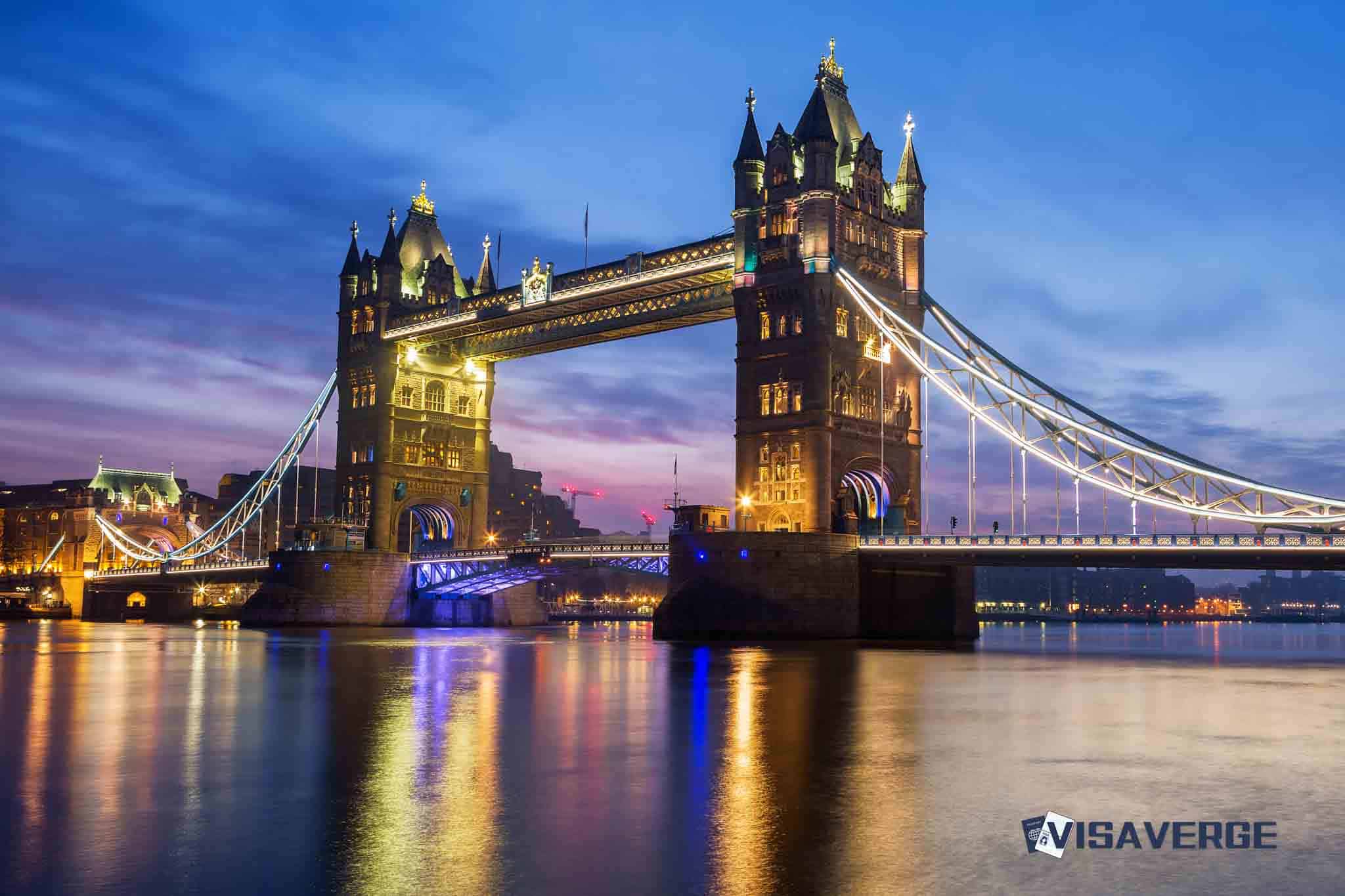
The higher fee affects travellers who need an ETA for short stays in the United Kingdom, including visits to England, Scotland, Wales and Northern Ireland. The permission covers trips of up to 6 months per visit and allows multiple entries.
The increase marks the latest rise since the scheme began. The ETA launched at £10, later rose to £16 and will now reach £20, doubling the original cost in just over two years.
Officials list the ETA as a pre-travel authorisation for visa-exempt nationals. It is valid for 2 years or until passport expiry, whichever comes first, and it is linked to the traveller’s passport electronically through a digital process.
That authorisation covers tourism, business, visiting family and other short-term purposes. Each approved ETA can be used for multiple entries during its period of validity, as long as each visit stays within the up to 6 months per visit limit.
For travellers, the timing now matters. A person submitting an application on 3 April 2026 still faces the current £16 charge, while a submission made from 8 April 2026 falls under the new £20 rate.
That distinction may shape decisions for people planning trips later in the spring or beyond. The fee change applies to the application date rather than the date of travel, so the cost turns on when the request is filed.
The arithmetic behind the increase is straightforward. The move from £16 to £20 amounts to a £4 rise, and £4 divided by £16 equals 0.25, making it a 25% increase.
For frequent visitors, the change still sits within the broader structure of the ETA system, which allows repeated travel over its validity period rather than a one-time entry. For occasional visitors, however, the higher charge raises the upfront cost of obtaining the digital travel permission.
The ETA requirement applies to visa-exempt nationals seeking advance travel clearance for short visits. It is not described as a visa but as a pre-travel authorisation that travellers must secure before arrival.
Because the system is digital, the application links electronically to a passport rather than operating as a physical document. Travellers are advised to apply in advance and check whether they need an ETA before making the trip.
The government also warns applicants to use official channels. Third-party sites may charge extra, adding costs beyond the stated fee.
That means the announced 25% increase may not be the only expense some travellers encounter if they use commercial intermediaries instead of the official process. The stated government charge from 8 April 2026 is £20, but outside services can add their own fees.
The latest rise also gives the ETA a short pricing history. From an initial £10 launch price to £16 and now to £20, the trajectory has moved upward quickly as the travel authorisation becomes part of entry screening for eligible visitors.
For people comparing earlier and current costs, the change is stark. The new charge is double the launch fee, and it arrives in just over two years.
The practical effect reaches across a wide range of trips. A tourist planning a holiday, a business traveller attending meetings, or a person visiting relatives all fall within the short-term uses listed for the ETA, provided the traveller is from a visa-exempt country that requires the authorisation.
The multiple-entry feature means one approval can cover more than one journey. Yet the fee is paid at the application stage, so anyone whose current permission has expired, or whose passport expires before the full 2 years, may need to apply again under the new price.
Passport validity also shapes the lifespan of the ETA. Although the authorisation can last 2 years, it ends earlier if the linked passport expires first.
For travellers with passport renewals approaching, that point carries financial weight because the period of use may be shorter than the full 2 years. Validity is tied to the earlier of the two dates: 2 years or passport expiry.
The coming increase places extra emphasis on checking requirements before travel. Travellers are advised to verify whether they need an ETA through the government’s ETA guidance before submitting an application.
That matters because the system targets visa-exempt nationals rather than all international visitors. Eligibility and need depend on nationality and travel status, making pre-trip checks part of the process.
The ETA covers stays of up to 6 months per visit rather than open-ended residence. Its uses remain limited to tourism, business, family visits and other short-term purposes.
Anyone planning travel after 8 April 2026 now faces a simple decision if they are eligible to apply immediately: submit before the fee change and pay £16, or apply from that date and pay £20. The difference is small in absolute terms, but it is enough to make the UK Electronic Travel Authorisation 25% more expensive than it is on 3 April 2026.
Across the system as a whole, the revision leaves the structure of the ETA unchanged while raising the price attached to it. The authorisation remains digital, passport-linked, valid for multiple entries and designed for short stays, but from 8 April 2026 it will cost travellers £20 instead of £16.