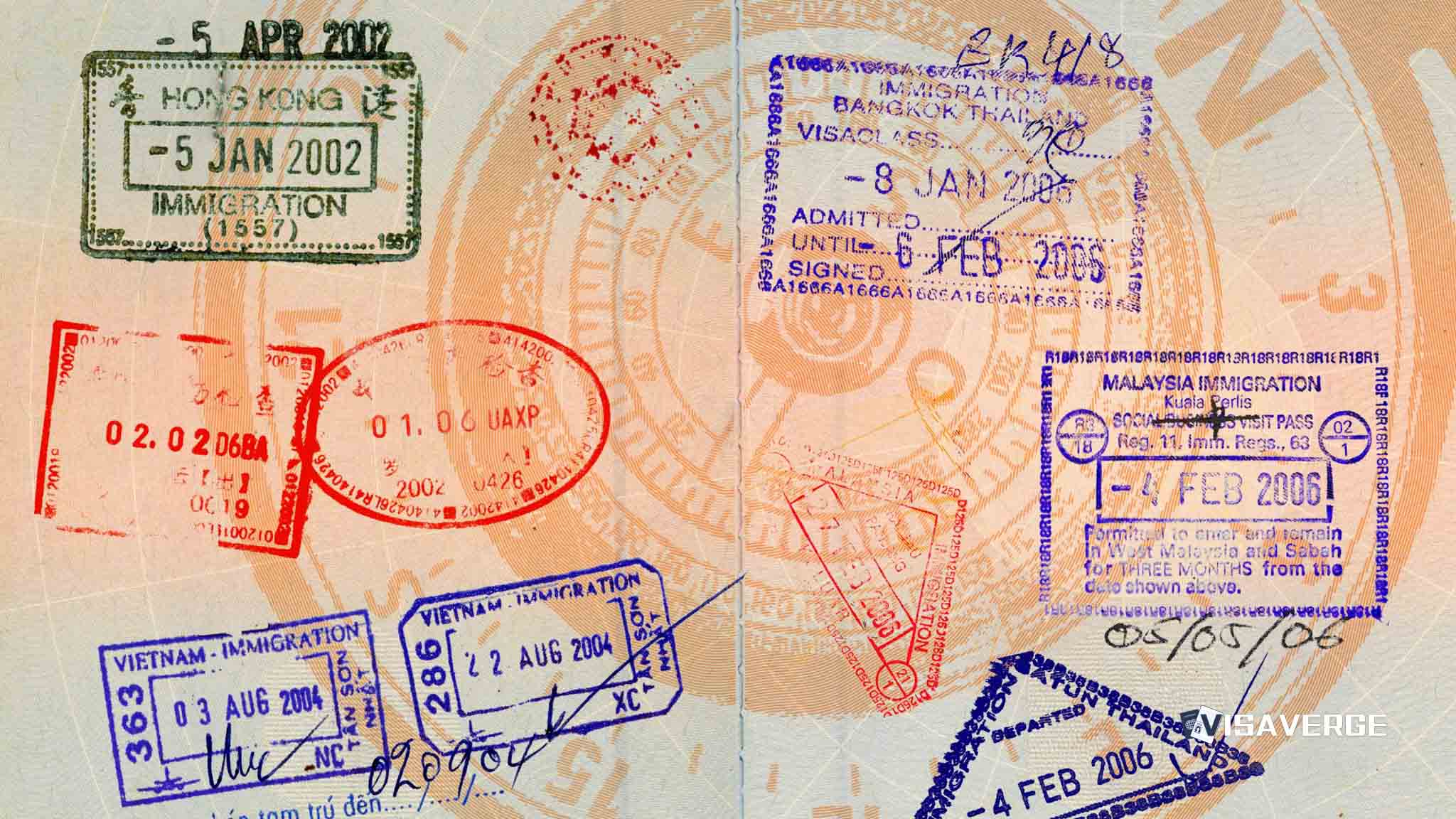
(CALIFORNIA, UNITED STATES) More than 13,000 University of California union members, led by UAW Local 4811, have formally petitioned the UC system to ban ICE agents from campuses and to provide legal and financial support for international workers facing immigration status changes, as visa and exchange status revocations rise across the state in 2025. Organizers say at least 100 UC scholars and recent graduates have already lost legal status this year, and they want the university to guarantee legal aid, preserve funding, and allow continued enrollment and employment for those swept up in federal actions.
The petition, signed primarily by UC workers in academic roles, follows a week in April when at least 44 UC students had their Form I-20 SEVIS records terminated by the Department of Homeland Security, with at least one deportation reported. Union leaders and faculty groups argue that the system must act faster and with more transparency as federal scrutiny intensifies, including the UC system’s recent compliance with a federal subpoena that released personal information for approximately 900 faculty members who had signed open letters about university policies. They say the combination of abrupt status terminations, data disclosure under subpoena, and campus enforcement actions has deepened anxiety among international and undocumented students and staff.

“We will not stand by as the Trump administration destroys one of the largest public university higher education systems in the country and bludgeons academic freedom at the University of California, the heart of the revered free speech movement. Worse, it has created a climate of fear and uncertainty for UC students, patients and staff who can no longer go to work, speak their minds, seek care, or enforce their rights on the job without fear of reprisals from masked federal agents or a vengeful, lawless President,” said Michael Avant, president of AFSCME 3299, one of UC’s largest unions.
His comments reflect a growing campaign among UC workers to ban ICE agents from campuses and to draw a bright line around university spaces, echoing calls from nurses and faculty who say federal enforcement is disrupting classrooms, clinics, and research.
“Nurses know that gender-affirming care is safe and effective. Blocking coverage for potentially life-saving care will cause direct and immediate harm to trans patients. We never want to put our patients at risk. Trans care is health care. Hospitals are a place of healing. That’s why we also say ICE has no place there,” said Sandy Reding, RN, president of CNA/NNU, tying heightened immigration enforcement to broader patient safety concerns in teaching hospitals affiliated with UC.
Health workers say students, staff, and patients are avoiding appointments and campus facilities because they fear encounters with federal agents, and they warn that the effects will ripple through training programs and clinical services.
The pressure on UC comes as immigration actions intensify beyond the system’s campuses. As of April 7, 2025, 70 international students at California State University, including several at Sacramento State, had their visas revoked without warning, according to advocates monitoring cases. Within UC, staff and faculty point to cases where students learned their SEVIS records were terminated overnight, leaving them cut off from campus jobs and at risk of removal. For students on F-1 visas, the Form I-20 is the document that certifies student status for SEVIS, and its termination can strand students academically and financially. Information about the form and its role in SEVIS is available from the Department of Homeland Security at this official page: Form I-20.
UC’s official stance is that it cannot broadly prohibit federal immigration enforcement officers from entering campuses because of federal law, but it restricts access to certain areas and provides “know-your-rights” resources. The system says campus police do not cooperate with ICE for immigration enforcement and will not detain, question, or arrest individuals solely based on immigration status. Even so, faculty and student groups say these policies fall short of what is needed during a surge of visa and exchange status revocations. They want firmer guarantees that ICE cannot enter non-public areas without a warrant, immediate legal counseling for those whose records are terminated, and commitments to protect funding and jobs when status problems disrupt work authorization.
The legal and political backdrop is sharpening. California’s S.B. 627, known as the “No Secret Police Act,” signed by Governor Gavin Newsom, will ban ICE agents from wearing masks to conceal identity and will restrict their entry into schools and hospitals without a warrant, with the law set to take effect January 1, 2026. The measure also requires schools and higher education institutions to notify parents when ICE is on campus. A separate bill, Senate Bill 98, is pending and would require educational institutions to notify campus communities when federal immigration enforcement agents are present. State officials say these measures aim to address what they describe as a pattern of unannounced actions and opaque information-sharing that has unnerved students and staff. Governor Newsom called the current atmosphere “like a dystopian sci-fi movie—unmarked cars, people in masks, people quite literally disappearing, no due process,” as he endorsed limits on masked enforcement and stronger notice rules for schools and hospitals.
On UC campuses, the debate is also colliding with longstanding questions about who can work and study when immigration status is uncertain. A recent court decision criticizing UC’s hiring policies for undocumented students drew praise from advocates who want the system to open on-campus jobs more broadly.
“The court’s powerful opinion rejects the UC’s attempt to justify its policy discriminating against undocumented students. It is wrong — both morally and legally — to bar our state’s most talented students from access to crucial educational employment opportunities based on their immigration status,” said Ahilan Arulanantham, co-director of UCLA’s Center for Immigration Law and Policy.
Supporters say paid campus roles are often essential for tuition, housing, and research continuity, especially when off-campus employment is limited or impossible.
“As someone who was undocumented and a UC lecturer, I know firsthand the transformative power of on-campus work opportunities. UC must now act with urgency to dismantle exclusionary policies and ensure all students, regardless of immigration status, can fully participate in their education, contribute to their campuses, and shape California’s future,” said Iliana G. Perez, a plaintiff and former UC lecturer.
Perez’s experience has become a rallying point for faculty and student groups pressing UC to commit to employment pathways that do not depend on federal work authorization when lawful under state policy and court guidance.
The campus push is unfolding as UC grapples with federal pressure on other fronts. Labor leaders say the Trump administration has demanded that UC pay at least $1 billion to the federal government and has frozen hundreds of millions of dollars in federal research funding to UCLA. UC workers argue that these combined pressures—funding freezes, subpoenas for faculty information, and stepped-up visa actions—are chilling academic freedom and threatening the university’s research engine. Faculty who signed open letters say they were stunned to learn their names and personal details had been disclosed in response to a subpoena, and they fear the move will discourage public advocacy on campus policy.
Students and workers are also citing cases beyond UC as warnings of what could come next. The report of 70 CSU students with revoked visas, paired with the one-week wave of 44 SEVIS terminations within UC, has spurred demands for real-time legal triage. Organizers want UC to set up dedicated legal hotlines and rapid-response teams that can advise students the day a SEVIS record is terminated. They are asking the system to let deported students continue their studies remotely and to keep funding in place for deported scholars and staff so research projects are not derailed midstream.
Union leaders say the priority is immediate protection. The petition from UAW Local 4811 calls on UC to bar federal agents from non-public campus areas without a judicial warrant, formally instruct campus departments not to share personal data beyond what the law requires, and fund counsel for students and researchers facing status problems. UC workers are pressing the university to refuse voluntary cooperation with federal enforcement requests and to codify non-cooperation policies in campuswide directives. They say that without clearer commitments, students will continue to skip classes and labs out of fear an encounter with immigration officers could end in detention.
Meanwhile, student activists have organized protests across several campuses. At UC Berkeley, hundreds gathered to demand stronger protections for undocumented students and those whose visas have been revoked. Faculty groups have held teach-ins on SEVIS mechanics and the risks of sudden Form I-20 terminations, which can jeopardize on-campus employment and practical training. In interviews at rallies, graduate instructors described scrambling to cover classes when international teaching assistants suddenly lost work authorization after their records were flagged. Although UC emphasizes that campus police do not carry out immigration enforcement, students say the distinction can be lost in the fog of sudden changes to status and documents.
UC’s public statements reiterate legal constraints and stress that the system provides “know-your-rights” information while restricting enforcement access to certain areas. Campus police have stated they will not detain, question, or arrest individuals solely based on immigration status. But faculty argue that the university can and should do more under existing law to protect non-public spaces, clarify documentation thresholds for law enforcement entry, and provide administrative shields for labs and clinics where sensitive research and patient care take place. They want procedures that ensure front-desk staff and lab managers know how to respond when agents arrive and require written warrants for any non-public entry.
Nurses and hospital staff warn that immigration actions are already affecting patient care. Reding’s statement that “Hospitals are a place of healing. That’s why we also say ICE has no place there,” has been echoed by clinicians who say patients are cancelling appointments and declining follow-up visits. They argue that the state’s mask ban and warrant requirement for hospital entry, when it takes effect in 2026, should be paired with hospital protocols that prevent data-sharing about immigration status absent a court order. UC medical centers, they add, should reassure patients that treatment is confidential and unrelated to immigration enforcement.
For international students, the financial fallout of visa and exchange status revocations can be immediate. When a SEVIS record is terminated, campus payroll systems can halt, health insurance can lapse, and housing contracts can be jeopardized. Graduate students who rely on teaching roles for stipends say they have little cushion to absorb a sudden loss of income, and faculty supervisors worry that grant timelines will slip as research assistants lose access to labs. Advisers are urging departments to keep students enrolled while they seek reinstatement, a process that can require swift filings and legal guidance that students struggle to obtain on their own.
The pending Senate Bill 98 would require campuses to alert their communities when federal immigration enforcement agents are present, a change that unions and student groups say would make it harder for quiet operations to unfold in labs, libraries, or dormitories. Combined with S.B. 627’s ban on masked enforcement and restrictions on warrantless entry into schools and hospitals, state lawmakers are setting up a clash with federal authorities that legal scholars expect could be tested in court. UC leaders say they will comply with applicable law, while workers want the system to test the outer bounds of its authority to keep agents out of academic spaces.
Advocates say the university’s next steps will set the tone for the rest of the academic year. Union members want UC to adopt a policy that explicitly bans ICE agents from non-public areas absent a warrant, creates a campuswide legal defense fund, and permits remote instruction and research for anyone deported or forced to leave the country during proceedings. Faculty organizations are pressing the administration to affirm that personal data, including names on petitions or open letters, will not be shared unless legally compelled—and that any such compulsion will be disclosed to the campus community in real time.
As the petition gains signatures, UC workers say they will keep pressing until the university codifies stronger protections and communicates them clearly. They argue that the stakes are too high to rely on informal practices when federal actions can alter a student’s life overnight. With at least 100 UC scholars and recent graduates losing status already in 2025, and clusters of revocations hitting other campuses in the state, the push to ban ICE agents and build legal safety nets has moved from rhetoric to a concrete set of demands. Whether UC’s current policies and the state’s new laws can restore a sense of security remains to be tested as the academic year unfolds and enforcement actions continue.
This Article in a Nutshell
Over 13,000 UC union members, led by UAW Local 4811, petitioned the UC system to ban ICE from campuses and provide immediate legal and financial support for international workers after rising visa and exchange status revocations in 2025. Organizers report at least 100 UC scholars lost status; one week in April saw 44 Form I-20 SEVIS terminations. Unions demand protections for non-public spaces, rapid-response legal teams, preservation of funding and jobs, and refusal of voluntary cooperation with federal enforcement as California advances SB 627 and SB 98.