- The UAE Ministry denies mass deportation reports regarding Iranian citizens despite ongoing regional conflict and travel restrictions.
- Major UAE airlines suspended entry and transit for Iranians, excluding Golden Visa holders and certain senior professionals.
- Over 1.2 million Iranians remain displaced by conflict as international visa policies in the U.S. and Gulf tighten.
(UNITED ARAB EMIRATES) — The UAE Ministry of Foreign Affairs issued a formal statement on April 2, 2026 denying reports of a planned mass deportation of Iranian citizens, pushing back against what it called “inaccurate media claims” as travel restrictions and regional conflict drive a growing Iranian exodus.
The ministry said the Iranian community in the UAE is “respected and valued, forms part of the country’s social fabric, and contributes to strengthening its diversity and openness.” It added that the country’s approach rests on “legal frameworks and procedures that safeguard the safety and wellbeing of all members of society, without exception.”
The denial came as confirmed restrictions on Iranian mobility deepened across the UAE, leaving some residents stranded abroad and sharpening uncertainty over who can enter, transit, or return.
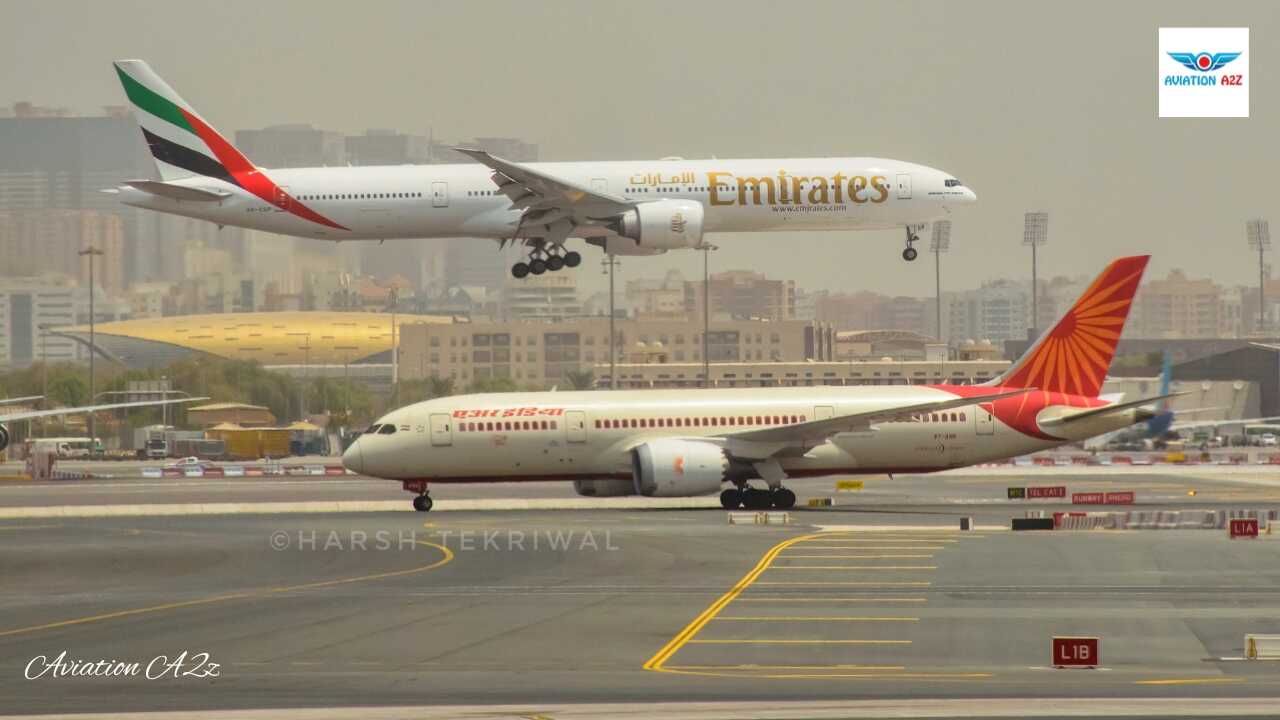
On April 1, 2026, major UAE carriers Emirates, Etihad Airways and flydubai updated their travel advisories to state that “nationals of Iran are not allowed to enter or transit the United Arab Emirates” until further notice. The restriction does not apply to UAE Golden Visa holders with 10-year residency or to certain senior professionals, including doctors, engineers and investors.
Those measures have had immediate effects beyond airport check-in counters. Direct travel links have been suspended, and the Iranian Hospital and Iranian Club in Dubai have closed, cutting off institutions long tied to the Iranian presence in the emirate.
More than 1,200 Iranians have returned to Iran through alternative routes via Afghanistan and Armenia after the restrictions took hold. The movement has added to what officials and aid agencies describe as a broader regional displacement crisis linked to the conflict involving the United States, Israel and Iran.
That conflict, described as Operation Epic Fury, has entered its second month. On March 20, 2026, the U.N. refugee agency UNHCR estimated that 3.2 million Iranians had been displaced by the fighting.
The UAE statement sought to separate deportation reports from the state’s wider security and immigration measures. Even as it rejected claims of a mass deportation plan, the combination of entry bans, transit limits and administrative disruptions has left many Iranians unable to move freely through one of the region’s busiest air and trade hubs.
For Iranians living in the UAE or using it as a transit point, the gap between official denial and practical restrictions has become central. Residents who left the country before the restrictions have reported finding their residence visas listed as “void” in the Integrated Immigration System, blocking their return.
That has raised pressure on families divided across borders. Non-Golden Visa holders and those outside exempt professional categories face barriers to re-entry or even onward transit, pushing some toward longer and riskier land journeys back to Iran.
Commercial ties have also been hit. The Dubai-Tehran trade corridor, one of the region’s busiest commercial links, has been disrupted as movement of people and goods slows and concerns grow over possible asset freezes affecting Iranian nationals in the UAE.
The UAE Ministry of Foreign Affairs did not couple its denial with any rollback of the travel restrictions already issued by airlines. Instead, the ministry emphasized the place of the Iranian community inside the country while grounding its position in state procedures and public safety.
That balancing act comes at a moment of widening regional security action. In the United States, immigration and visa policy toward Iranians tightened earlier this year through a series of official decisions that now shape the options available to many people trying to leave the conflict or seek legal status abroad.
Under USCIS Policy Memorandum PM-602-0194, effective January 1, 2026, U.S. Citizenship and Immigration Services placed an indefinite hold on final decisions for immigration benefit requests filed by Iranian nationals. The hold applies to requests that include Green Cards and H-1B extensions.
That policy means some Iranian nationals with pending applications in the United States face delays without a final decision date. For families and workers with ties across the Gulf and North America, the hold has narrowed already limited routes out of instability.
A separate U.S. action, Presidential Proclamation 10998, took effect in early 2026 and suspended immigrant and nonimmigrant visa issuance for Iranian nationals, including students. Together, the adjudication hold and visa suspension have reduced legal entry channels at the same time conflict has displaced millions.
The Department of Homeland Security signaled a harder enforcement posture on January 27, 2026. Tricia McLaughlin, assistant secretary, said DHS was prioritizing the removal of people linked to the Iranian regime.
“Under President Trump and Secretary Noem, the Department of Homeland Security is getting the worst of the worst out of our country. including known or suspected terrorists,” McLaughlin said.
The statement showed how national security considerations now frame U.S. policy toward Iranian nationals during the conflict. It also added to the sense among many displaced people that screening, travel and immigration procedures are tightening across several fronts at once.
The U.S. State Department issued another warning on March 2, 2026, aimed at Americans in the Middle East, including the UAE. Mora Namdar, assistant secretary for consular affairs, issued a “DEPART NOW” advisory citing “extraordinary safety risks.”
That advisory underscored how rapidly conditions across the region had shifted. It also placed the UAE, often seen as a logistical refuge and aviation crossroads, inside the same warning frame as other conflict-affected areas.
Against that backdrop, the UAE denial carries weight far beyond a single official statement. The country hosts a large expatriate population and has long served as a commercial, financial and travel center for Iranians, making any change in access, residency or transit rules highly sensitive.
The ministry’s language sought to reassure that no blanket removal campaign was underway. Its description of the Iranian community as part of the country’s “social fabric” and its reference to safeguarding the “safety and wellbeing of all members of society, without exception” appeared designed to calm fears stirred by reports of a coming mass deportation.
Still, the restrictions already in force have changed daily life for many people connected to the UAE. A traveler denied boarding under the airlines’ notices, a resident finding a visa marked “void,” and a family split between Dubai and Iran all face outcomes shaped less by deportation orders than by immobilization.
That is where the human and commercial effects converge. The closure of the Iranian Hospital and Iranian Club in Dubai removed two visible institutions from the city’s civic life, while the disruption to the Dubai-Tehran trade route hit a corridor that supports business activity, supply chains and personal finance.
The exemptions built into the travel restrictions have also drawn attention to who can still move. UAE Golden Visa holders and selected senior professionals, among them doctors, engineers and investors, remain outside the ban, while others face a hard stop at the border or during transit.
Such distinctions matter in a crisis. They decide who can reach family, resume work, protect assets or continue education, and who must search for land routes through Afghanistan and Armenia.
The phrase growing Iranian exodus has gained force because the movement is no longer confined to one policy or one border. It now spans conflict displacement inside the region, tightened visa access in the United States, airline bans in the Gulf and forced rerouting for people who once moved through the UAE with relative ease.
For the UAE, that leaves a narrow line to hold. Officials have denied any plan for mass deportation and affirmed the standing of the Iranian community, yet the state also remains part of a wider regional security response that has sharply reduced Iranian mobility.
Official statements and notices connected to those moves have appeared through the UAE Ministry of Foreign Affairs, USCIS newsroom, DHS news and State Department press releases. On the ground, the immediate reality remains that more than 1,200 Iranians have already gone back through Afghanistan and Armenia, while millions more remain displaced by a war now entering its second month.