Key Takeaways
- The first deportation flight to Cuba under Trump’s second term is scheduled for February 27, 2025, marking policy shifts.
- Over 528,000 individuals from terminated parole programs and 350,000 with TPS face possible deportation under expanded enforcement measures.
- The plan includes military aircraft use, expanded detention facilities, and deportation agreements amidst criticism from human rights groups and leaders.
The United States is preparing its first deportation flight to Cuba 🇨🇺 under President Trump’s second term, scheduled for February 27, 2025. This development marks a key shift in U.S.-Cuba relations 🇨🇺 and a major step in the administration’s sharp enforcement of immigration policies. The flight represents a return to practices associated with President Trump’s first term, with a renewed emphasis on deporting individuals who are in the U.S. without legal status.
This will be the first deportation flight to Cuba since December 19, 2024, when 42 Cuban nationals were returned as part of earlier efforts. The resumption of flights highlights a shift in priorities since President Trump began his second term. Within weeks of taking office again, his administration reversed several policies from the previous administration that had softened approaches toward Cuba. These rapid policy reversals were clearly aimed at laying the groundwork for stricter immigration controls and greater enforcement measures.
A National Emergency and Stricter Policies
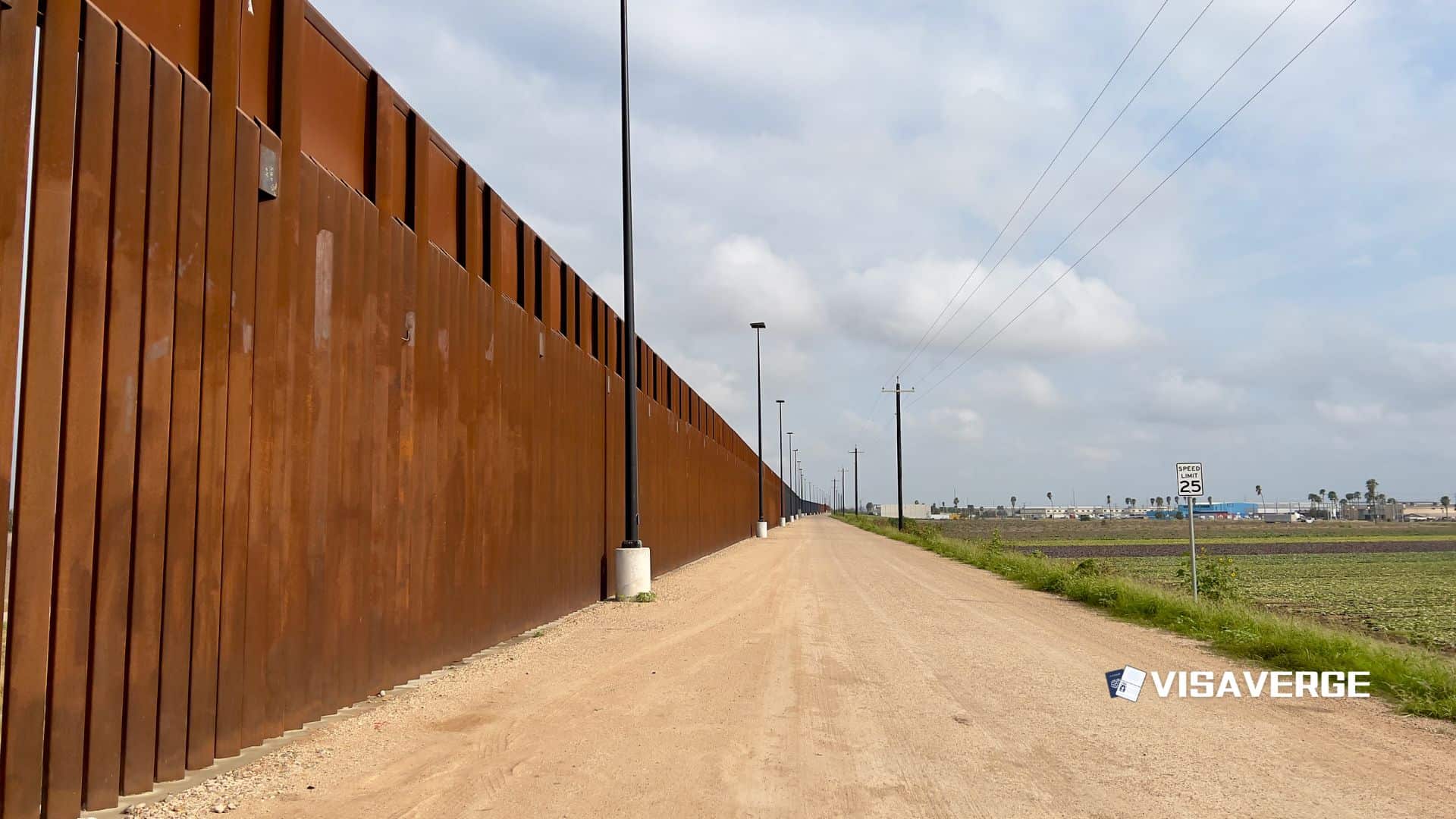
On January 20, 2025, President Trump declared a national emergency at the U.S. southern border, referring to migration flows as “an invasion.” This declaration set the stage for aggressive enforcement measures, including enhanced deportations. Deportation flights, such as the upcoming one to Cuba, are part of a broader plan that builds upon this emergency declaration. According to reports, the administration has also introduced the use of military aircraft for deportations—sparking criticism from some Latin American leaders.
For example, on January 26, 2025, Colombian President Gustavo Petro initially blocked two U.S. deportation flights to his country, citing concerns about how deportees were treated. These incidents underline the tensions that can arise from the administration’s approach, where diplomacy intersects with stricter immigration enforcement.
Similar complications are expected with Cuba. Diplomatic relations between the U.S. and Cuba have often been tense, and the resumption of deportation flights will test the ability of both governments to manage the logistical and social consequences.
Targeting Wider Groups of Immigrants
The Trump administration’s deportation agenda is vast and includes more than just undocumented immigrants. Efforts have been extended to individuals who gained temporary legal status under previous programs. One such change includes the termination of parole programs for Cuban, Haitian, Nicaraguan, and Venezuelan nationals, a move that affects over 528,000 people who arrived in the U.S. after January 2023. Additionally, the administration has ended Temporary Protected Status (TPS) extensions for 350,000 Venezuelan nationals, many of whom will lose work permits and face possible deportation starting in April 2025.
These changes expand the pool of individuals who may be removed, targeting not only those without proper documents but also those who legally stayed in the U.S. under certain humanitarian or temporary conditions. For many, this shift introduces significant uncertainty, as individuals who once had protected status now face potential deportation.
Partnerships and Diplomatic Struggles
Deportation agreements with countries like Cuba, China 🇨🇳, Nicaragua 🇳🇮, and Venezuela 🇻🇪 form an essential part of the administration’s strategy. Historically, several of these nations have been reluctant to accept large numbers of their nationals who are being deported from the U.S., posing a barrier to enforcement. Negotiating with these governments has become a diplomatic priority for Secretary of State Marco Rubio, who has shifted much of the State Department’s focus to ensure cooperation.
The Cuban government itself has been hesitant in the past to accept deportees, particularly those with little to no ties to Cuban society after years of living in the U.S. While details of the negotiations remain unclear, the fact that a deportation flight is moving forward suggests progress, either through agreements or unilateral actions by the U.S.
Growing Concerns About Risks
The use of military aircraft to deport migrants has become a controversial aspect of the Trump administration’s policy. Critics argue that it criminalizes individuals who, in many cases, are not involved in serious crimes. Concerns about their treatment during deportation flights have also been raised by human rights groups. This issue risks damaging the U.S.’s relationships with other countries in the Americas, which could complicate future repatriation efforts.
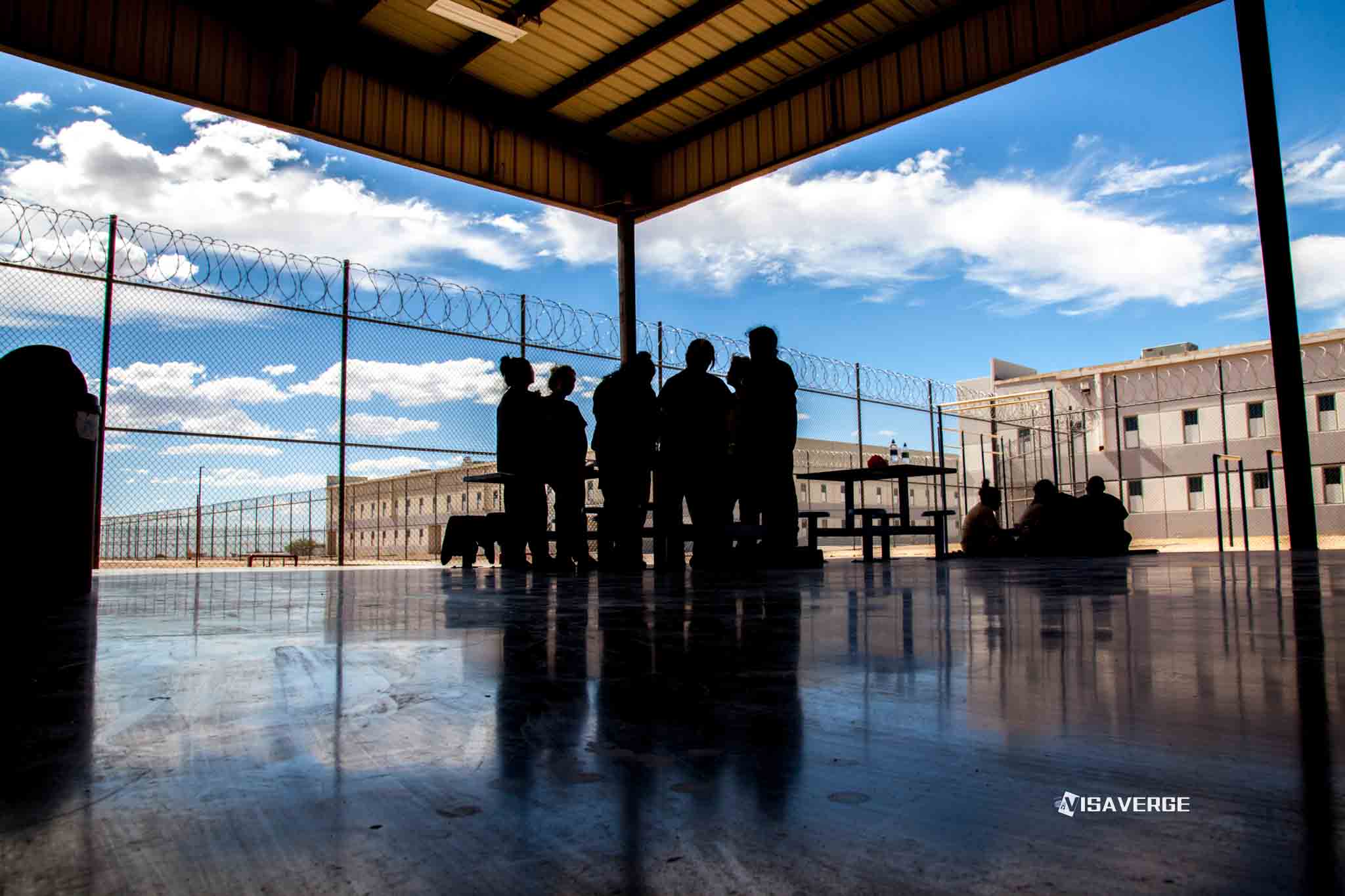
Domestically, Trump’s plan includes ramping up deportations through reassigning federal agents to Immigration and Customs Enforcement (ICE), deputizing local law enforcement, and bringing in agents from other federal agencies like the Drug Enforcement Administration (DEA). In addition, facilities such as the Guantanamo Bay detention camp are being prepared to house migrants temporarily. Trump ordered preparations on January 29, 2025, and by early February, plans were underway to send “high-threat” migrants to the site.
Economic and Social Repercussions
The sheer scale of Trump’s deportation plan, which targets between 15 and 20 million people, surpasses estimates of the total unauthorized immigrant population in the U.S., which currently sits at around 11 million. This calculation suggests the administration may also remove individuals with temporary legal statuses or other protections. However, such mass deportations come with significant economic effects.
Economic studies show that these plans could lead to job losses for American-born workers and reductions in the U.S. economy’s total productivity. According to analyses from the Brookings Institution and Peterson Institute for International Economics, deporting millions of people could shrink the U.S. GDP by 4.2 to 6.8 percent—figures that reflect potential damage to industries like agriculture, construction, and service sectors that depend heavily on immigrant labor.
The implications are just as severe for Cuba itself. Deportation flights will likely place new strains on the country’s social services. Many deportees lived in the U.S. for years and have limited ties to Cuba, leaving them with few options for reintegration. The influx of new arrivals, combined with Cuba’s economic struggles, could deepen the challenges that already face the nation.
Legal Hurdles Ahead
Migration experts predict substantial legal challenges to Trump’s deportation proposals. For example, questions around due process for deportees and the legality of expedited removal procedures may bring these policies under scrutiny by the U.S. Supreme Court. Additionally, the rights of individuals previously granted certain forms of legal status could complicate enforcement efforts.
Given the historical reluctance of the Cuban government to accept deportees in large numbers, legal disputes are anticipated—not just in the U.S., but also potentially involving international bodies. Whether these deportations move forward on this scale likely depends on Trump’s ability to withstand these challenges.
The Broader Picture: U.S.-Cuba Relations
The resumption of deportation flights to Cuba is just one element of broader changes in U.S.-Cuba relations 🇨🇺. While earlier administrations may have leaned toward easing restrictions and fostering dialogue, Trump’s second term appears focused on hardline policies. This stance affects not just migrants but broader diplomatic ties, impacting everything from trade agreements to cultural exchanges.
As reported by VisaVerge.com, these deportation policies carry societal consequences that extend beyond their immediate impact on individual migrants. A key component of the shifting U.S.-Cuba relationship is the administration’s willingness to reshape diplomatic norms as a means to enforce immigration laws aggressively.
Conclusion
The upcoming deportation flight to Cuba symbolizes a turning point in U.S. immigration policy under President Trump’s second term. Beyond deportation, it forces the U.S. to navigate a complex network of international diplomacy, economic implications, and legal challenges. With millions potentially facing removal, both the human and geopolitical impacts of these policies will likely shape discussions on immigration for years to come. For more information on deportation flights or the details of immigration policy, visit the official ICE website here.
Learn Today
Deportation Flight → A government-organized flight to forcibly return individuals without legal status to their countries of origin.
Temporary Protected Status (TPS) → A humanitarian program granting legal stay to foreign nationals facing unsafe conditions in their home countries.
Parole Programs → Special government-authorized entry programs allowing temporary stay for humanitarian or public benefit reasons without formal immigration status.
Expedited Removal → A fast-track legal process for deporting individuals without full court hearings, often used at U.S. borders.
Repatriation → The process of returning individuals to their home country, often involving diplomatic agreements and logistical arrangements.
This Article in a Nutshell
The United States plans its first deportation flight to Cuba under Trump’s second term on February 27, 2025. This marks a sharp pivot toward stricter immigration enforcement, with implications for U.S.-Cuba relations. Beyond deportation, economic strain, legal challenges, and diplomatic tensions spotlight the complex consequences of aggressive immigration policies on global and domestic fronts.
— By VisaVerge.com
Read more:
• U.S. Expands Visa Restrictions to Tackle Exploitation of Cuban Workers
• Cuban Ministry of Foreign Affairs Condemns U.S. Migrant Policy at Guantanamo
• Ecuador Revokes Cuban Journalist’s Visa for State Security Concerns
• Canada Travel Warnings: Bahamas, Cuba, and Tropical Hot Spots
• Government Probes Lost Immigration Application for Quebec Man’s Cuban Wife