Key Takeaways:
- Ecuador revoked Alondra Santiago’s visa, citing she acted “against the security and structure of the State.”
- Santiago and supporters view visa revocation as an attack on press freedom and expression in Ecuador.
- Prominent figures criticize government actions as authoritarian and xenophobic, highlighting concerns about journalist safety and freedoms.
Why Did Ecuador Revoke the Visa of a Cuban Journalist?
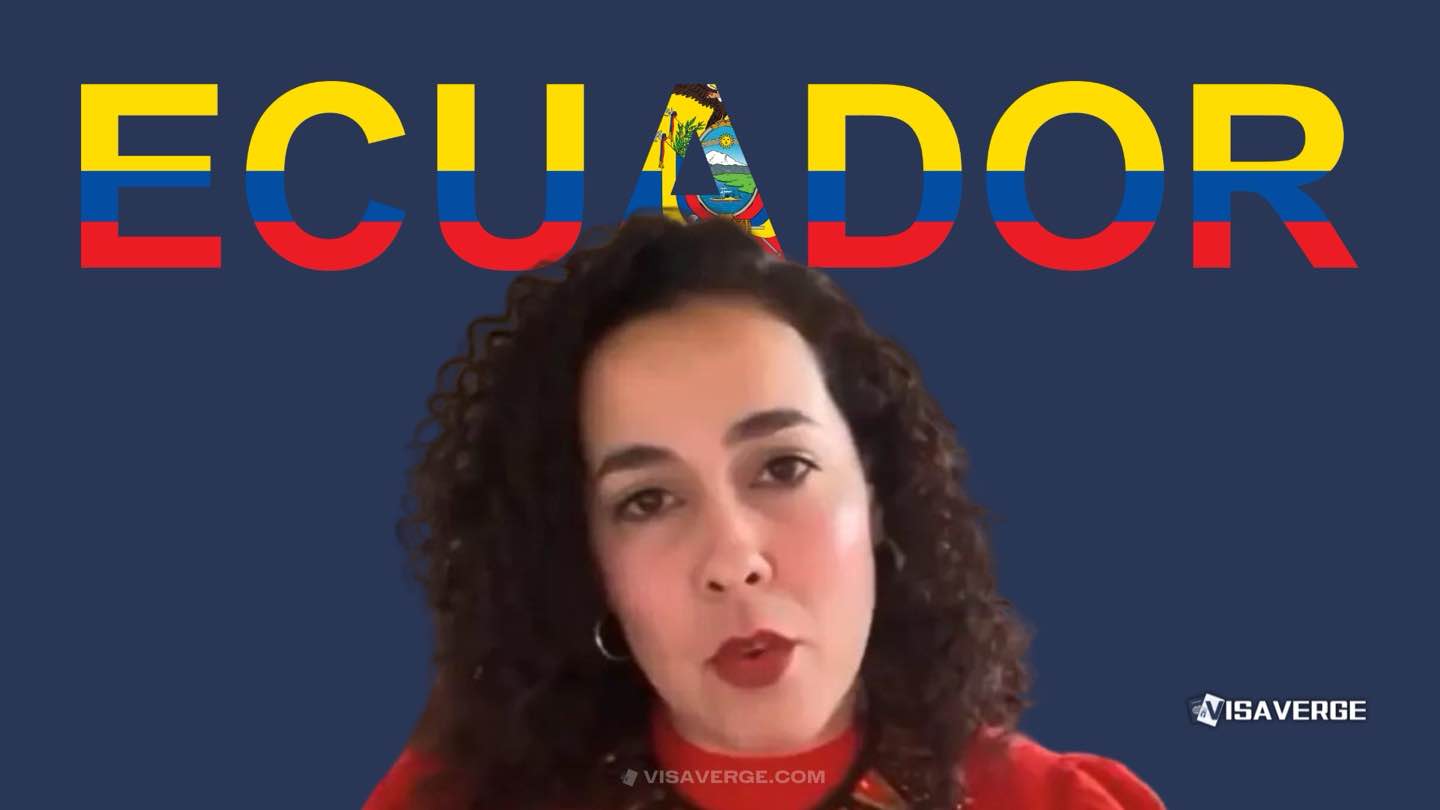
Recently, Ecuador’s government made headlines by revoking the visa of Cuban journalist Alondra Santiago. The Ministry of Foreign Affairs issued the revocation, citing her alleged involvement in acts “against the security and structure of the State.” This decision has sparked widespread controversy and raised numerous questions about press freedom in Ecuador.
What Led to the Visa Revocation of Cuban Journalist Alondra Santiago?
Alondra Santiago, who has lived in Ecuador for nearly 20 years, announced the revocation on social media. “What was once fake news has now become reality,” she wrote on X, highlighting the gravity of her situation. Her post generated extensive support online, with many criticizing the government’s actions.
Is This an Attack on Freedom of the Press?
Santiago certainly thinks so. She described the visa revocation as a blatant attack on press freedom, stating, “This government wants to silence me at all costs, but I will not stay silent. That has never been an option.” Her bold stance was reinforced by widespread social media support, shedding light on the growing concerns over freedom of expression in Ecuador.
What Are the Reactions From Prominent Figures?
Prominent figures have voiced their support for Santiago and criticized the Ecuadorian government’s actions. Indigenous leader Leonidas Iza recalled a notable dialogue with Santiago on her program “Ingovernable,” expressing his solidarity:
“I reject the shameful act perpetrated by the administration of the arrogant Daniel Noboa against Alondra Santiago, which constitutes an attack on freedom of mobility and freedom of expression,” Iza stated.
Andean Parliamentarian Cristina Reyes also criticized the decision, calling it a “xenophobic and authoritarian act that attacks journalism and freedom of expression.” She added, “It is outrageous that journalists are being persecuted with the complicity of the ministries.”
Have There Been Similar Incidents Before?
Santiago’s case is not an isolated one. Earlier in June, a political analysis program titled “The Irreverent” was taken off the air due to alleged pressure from President Daniel Noboa’s administration. Journalist Maria Sol Borja highlighted the growing issue, stating:
“This is madness. They revoke Alondra Santiago’s visa and accuse her of committing ‘acts that threaten public security and the structure of the state.’”
What Does This Mean for Journalists in Ecuador?
The situation raises concerns about the safety and freedom of journalists in Ecuador. Santiago’s experience indicates a potentially dangerous environment for those who publicly criticize the government. The international community continues to monitor these developments closely.
How Should Ecuador Proceed to Maintain Press Freedom?
Ensuring a free press is crucial for any democratic society. Ecuador must address these concerns to prevent further erosion of press freedoms. Individuals facing similar issues may consult official resources like the United Nations Special Rapporteur on the Promotion and Protection of the Right to Freedom of Opinion and Expression to understand their rights and seek assistance.
According to VisaVerge.com, the Ecuadorian government’s actions against Santiago have sparked a critical debate on the balance between state security and freedom of expression. Addressing such controversies head-on is essential for maintaining a healthy democratic environment.
This situation serves as a stark reminder of the importance of safeguarding press freedoms and the essential role journalists play in holding governments accountable. Santiago’s commitment to not staying silent exemplifies the resilience required to uphold these values in challenging circumstances.
Learn Today:
Glossary
- Visa Revocation: The official cancellation of an individual’s permission to enter or remain in a country. In the content, Ecuador’s government revoked the visa of Cuban journalist Alondra Santiago, citing security concerns.
- Press Freedom: The right of journalists to report news without censorship or restraint from the government. Santiago argues that her visa revocation is an attack on press freedom.
- Freedom of Expression: The right to express one’s opinions publicly without governmental interference or censorship. Critics in the content claim that the Ecuadorian government’s actions against Santiago infringe on this freedom.
- Xenophobia: Prejudice or dislike against people from other countries. Andean Parliamentarian Cristina Reyes described the Ecuadorian government’s actions as xenophobic when addressing the treatment of journalist Alondra Santiago.
- Freedom of Mobility: The right to move freely within and between countries. Indigenous leader Leonidas Iza criticized the Ecuadorian government’s revocation of Santiago’s visa as an attack on her freedom of mobility.
This Article In A Nutshell:
Ecuador revoked Cuban journalist Alondra Santiago’s visa, citing threats to state security. She, a resident for nearly 20 years, sees this as an attack on press freedom. The move sparked widespread controversy, raising concerns about journalists’ safety and freedom of expression in Ecuador, garnering significant online support and criticism of the government.
— By VisaVerge.com
Disclaimer: The information provided in this article is for informational purposes only. If you reference or use any content from this article, please attribute it to VisaVerge.com by including a link to the original source. We appreciate your adherence to our content usage policies and your commitment to giving proper credit.
Read More
- India Visa Policy and Denial Claims by Australian Journalist
- Spain Journalists Face Russia Visa Issue: Renewal Claim Denied
- Spanish Journalist Xavier Colas Forced to Leave Russia as Visa Renewal Denied
- India Issues Notice to French Journalist Vanessa Dougnac for Visa Violation
- Visa Requirements for Foreign Journalists in the UK: Which Category Applies to You?