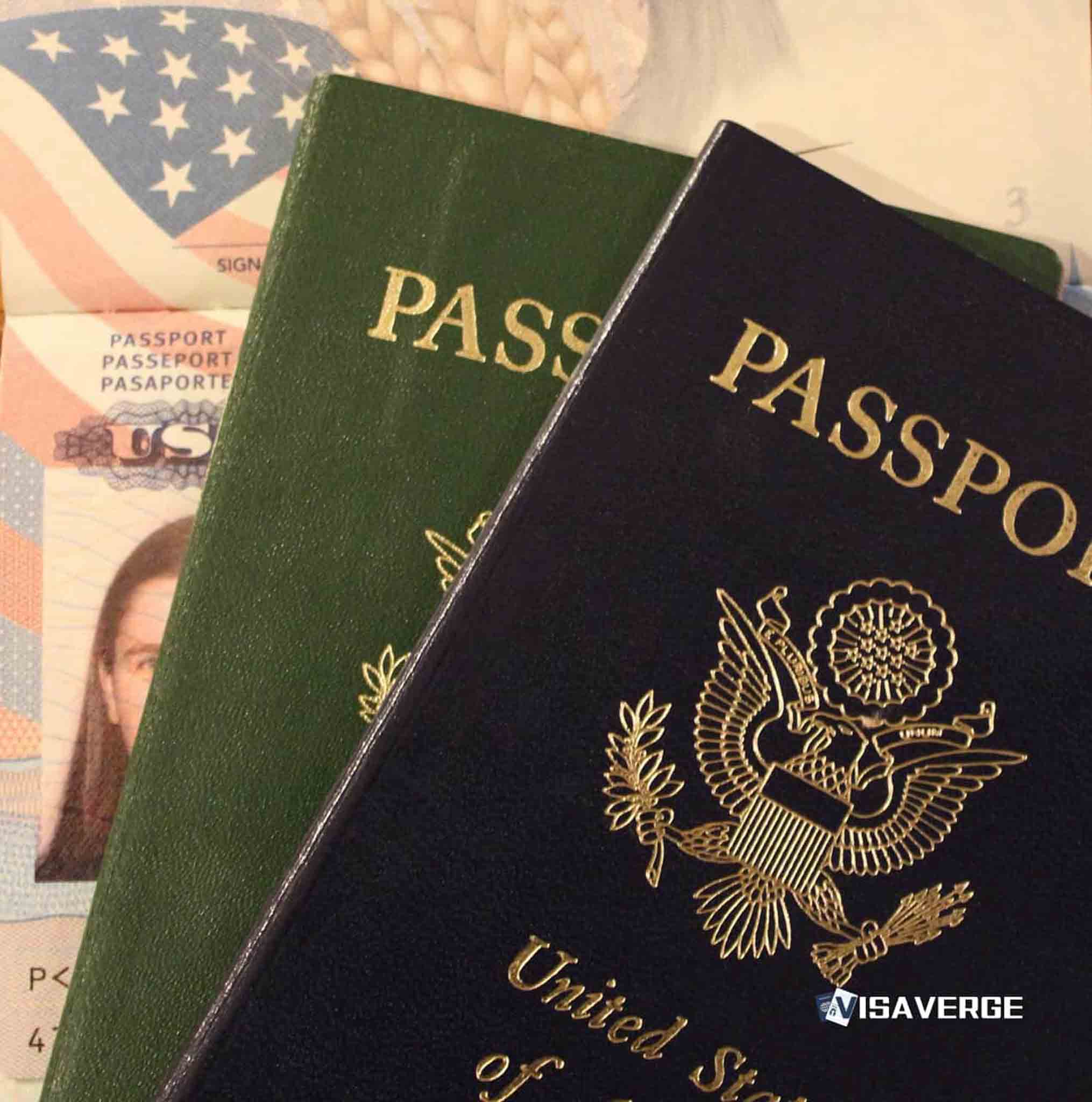
(UNITED STATES) The U.S. passport has slipped out of the global top 10 for the first time since rankings began two decades ago, placing 12th in the 2025 Henley Passport Index with visa-free or visa-on-arrival access to 180 destinations out of 227. The United States 🇺🇸 is tied with Malaysia in this position, marking both a symbolic shift in travel freedom and a practical change affecting students, business travelers, immigrants, and families who rely on quick cross-border movement. According to analysis by VisaVerge.com, this drop reflects a mix of lost privileges, limited reciprocity, and rising competitors who have moved faster to sign visa-waiver agreements.
Why the Ranking Dropped
For years, the U.S. passport stood as a benchmark for travel freedom. Its decline stems from a series of setbacks that reduced visa-free access and dented the country’s travel “brand.”
- The most visible change came in the Western Hemisphere: Brazil reinstated visa requirements for U.S. citizens in April 2025, ending a period of visa-free entry that facilitated tourism, trade shows, and corporate travel between two of the region’s largest economies. Officials in Brasília cited reciprocity—how the U.S. treats Brazilian travelers—as a factor.
- In Asia, policies tightened in ways that affect trade and education. China expanded visa exemptions for several European countries but excluded the United States, limiting spontaneous travel for Americans to one of the world’s largest markets.
-
Other countries that imposed stricter entry rules or excluded the U.S. from recent visa-free or e-visa expansions include Myanmar, Papua New Guinea, Vietnam, and Somalia.
Each of these shifts pushes more U.S. trips into the “apply first, wait longer, and pay more” category.
Another key factor is openness. The United States currently grants visa-free entry to only 46 nationalities, placing it around 77th worldwide for openness. That level of reciprocity influences how other governments set their own policies—when countries perceive a tougher stance from Washington, they often respond with stricter rules for U.S. visitors. Over time, that reciprocity cycle chips away at visa-free access and creates uneven experiences for American travelers.
Asia’s Rise and Mobility as Soft Power
While the U.S. ranking has fallen, several Asian countries have pulled ahead:
- Singapore tops the 2025 Henley Passport Index with visa-free access to 193 destinations.
- South Korea: 190 destinations.
- Japan: 189 destinations.
China has also climbed rapidly, moving from rank 94 in 2015 to 64 in 2025, helped by visa-waiver deals with partners such as Russia, Gulf countries, and parts of South America.
This shift is not only about leisure travel. Mobility is a form of soft power: easy movement builds academic, commercial, and cultural ties, translating into influence in trade talks, student exchanges, and tech partnerships. Countries that simplify short stays and reduce border friction often gain an edge in attracting talent and hosting international events. As VisaVerge.com reports, the Henley Passport Index has become shorthand for this broader competition over access and opportunity.
Immediate Practical Effects
For American travelers and organizations, the immediate effects are tangible:
- Even one extra visa can add weeks of planning and additional costs.
- Small and mid-sized companies may miss quick sales pitches, factory visits, or conferences.
- Families juggling travel for care, seasonal work, or religious events face more forms, biometrics appointments, and scheduling uncertainty.
- Universities and researchers lose agility: short trips for labs, fieldwork, or conferences may require longer lead times.
Business travel is especially sensitive. Reduced visa-free access in key countries hampers rapid team movement, affecting contracts, due diligence, and after-sales support. Immigrants and dual citizens who split their year between countries feel the change personally: more requirements mean higher stress and expense.
Policy Implications and Potential Remedies
The decline carries a message for policy. When the U.S. offers fewer visa waivers to others, it is more likely to see fewer waivers in return. This feedback loop matters as countries adopt e-visas, digital consents, and multi-entry business passes.
What might improve the U.S. position?
- Analysts argue outbound mobility—how easily citizens travel abroad—should be part of U.S. immigration and foreign policy.
- Coordinating visa policy with trade goals, science partnerships, and tourism targets can support better access deals.
- In short: more reciprocity can lead to more visa-free access, which in turn supports growth across education and business.
What It Means for Travelers and Immigrants
For Americans planning international trips in 2025, follow these practical steps:
- Check entry rules early.
- Policies are changing fast; what was visa-free last year may now require an application.
- Use the U.S. Department of State’s Country Information pages for official guidance: U.S. Department of State’s Country Information pages
- Build extra time into plans.
- Visa applications can add weeks.
- Business travelers should secure invitation letters and confirm whether in-person biometrics are needed.
- Students should alert their international offices if a visa is required for internships, labs, or exchanges.
- Budget for added costs.
- Account for visa fees, courier charges, and document translations.
- Companies should update travel budgets and approval timelines.
- Keep documents current.
- Ensure passports meet validity requirements (many countries require at least six months), have blank pages, and consistent biographical details.
- Consider program enrollment and fast-track services.
- Fast-track programs at airports can ease stress at immigration.
- Frequent travelers should track loyalty and route options through hubs with simpler entry.
- Watch reciprocity trends.
- If U.S. policy shifts toward more openness for certain regions, reciprocal deals may follow and restore visa-free access more quickly.
Longer-Term Effects on Decisions and Planning
Beyond immediate travel, the ranking influences long-term decisions:
- Multinationals may choose regional headquarters in countries that make travel easier for staff.
- Students may prefer study destinations with smoother entry rules for short-term academic travel and internships.
- Governments expanding access and digital visa systems become more attractive hubs for meetings, training, and research.
There are real human stories behind these numbers:
- A small exporter in Ohio that once sent engineers to South America on a week’s notice may now need a month to secure visas.
- A graduate student in California with a summer internship in Southeast Asia might face delays that push start dates or force remote participation.
- A family splitting time between Texas and Brazil could find regular holidays wrapped in extra paperwork.
Bottom Line
As the 2025 Henley Passport Index shows, other countries are moving quickly—Singapore (193), South Korea (190), Japan (189)—signaling strategies built around greater access. The United States, at 180 destinations and rank 12, still offers broad reach, but the trend points to more hurdles unless policy choices shift.
Immigration consultants call this a “wake-up call” for American diplomacy: passport strength is part of a country’s image. The easier citizens can travel, the stronger the case when asking others to open doors for students, investors, and families.
Practical steps for now: plan earlier, read the rules, expect more checks at borders that were once visa-free, and watch reciprocity. When the U.S. extends easier entry to more visitors, history suggests many countries respond in kind. In a world where mobility fuels trade, study, and ideas, the direction of travel policy matters as much as the destination.
This Article in a Nutshell
The 2025 Henley Passport Index places the U.S. passport at 12th, down from the global top 10, with visa-free or visa-on-arrival access to 180 of 227 destinations. The drop reflects several recent policy shifts: Brazil reinstated visa requirements for U.S. citizens in April 2025; China expanded exemptions for some European countries but excluded the U.S.; and nations including Myanmar, Papua New Guinea, Vietnam, and Somalia tightened entry rules. The result is increased planning time, costs, and administrative steps for travelers, businesses, students, and families. Asian countries — led by Singapore (193), South Korea (190), and Japan (189) — have strengthened mobility, underscoring mobility as soft power. Analysts recommend integrating outbound mobility into U.S. foreign and immigration policy, pursuing reciprocal visa deals, and coordinating visa policy with trade and education objectives to regain access.