Chinese tourist arrivals to Tunisia climbed sharply in 2025, with official data showing a 15.3% year-on-year rise between January and July to about 27,700 visitors. July alone posted a 30.9% jump over the same month in 2024. Yet tourism officials say the absence of direct flights between Tunis and major Chinese cities remains the single biggest brake on growth, even as the government targets 30,000 Chinese visitors a year and pursues an overall goal of 11 million total arrivals in 2025.
Tourism contributes roughly 10% of Tunisia’s GDP and supports hundreds of thousands of jobs. Officials see the Chinese market as a bright spot that can help steady the sector after years of shocks. The increase follows Tunisia’s outreach in China, growing brand recognition, and tailored services. But every stakeholder—from the Ministry of Tourism to the National Office for Tunisian Tourism (ONTT) and local operators—points to air links as the missing piece.
Air links remain the critical constraint
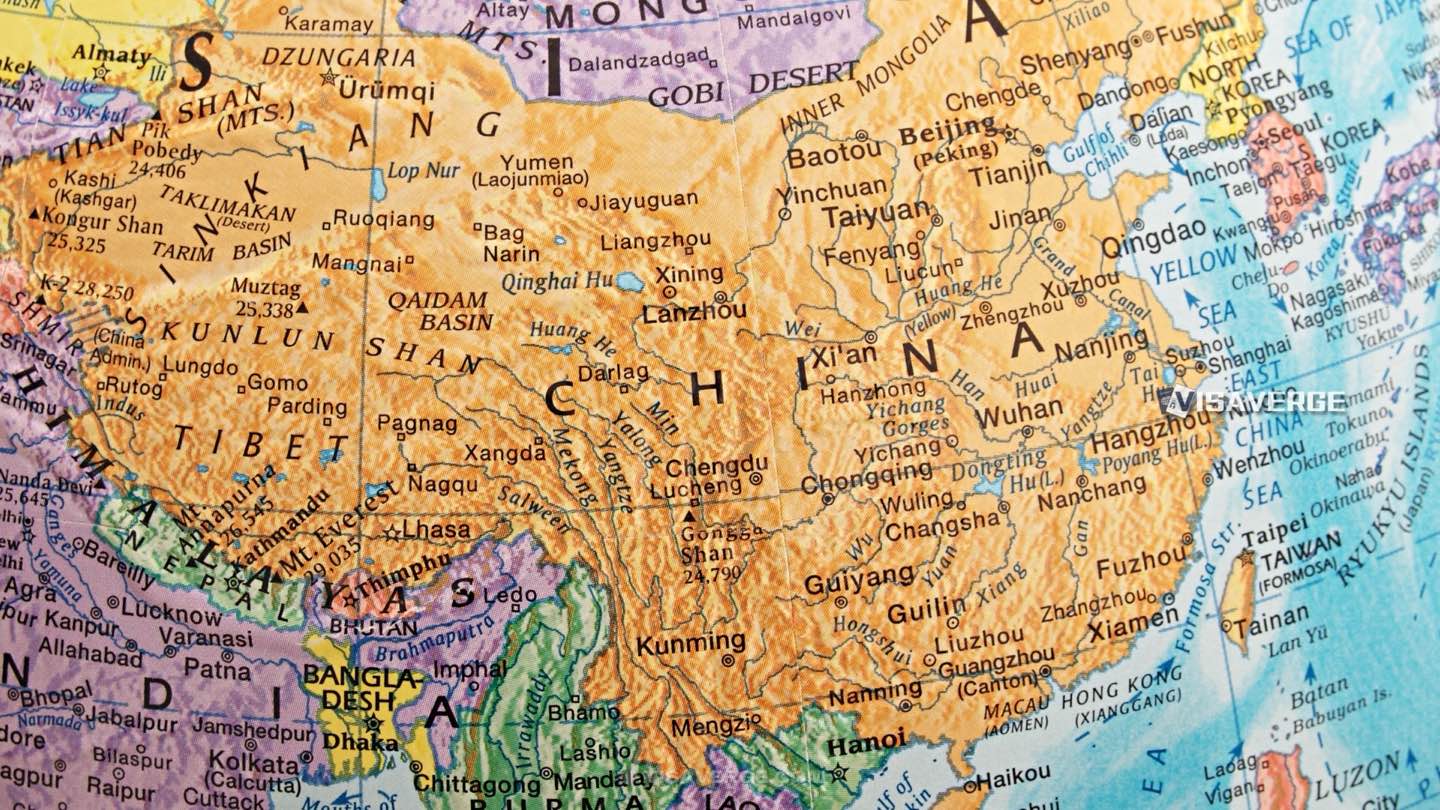
Free toolB1/B2 Tourist Visa Stay Calculator onlineThere are no direct flights between Tunisia and China as of late August 2025. Chinese and Tunisian travelers must route through the Middle East, Turkey, Europe, or Egypt, with travel times often ranging from 16 to over 30 hours, depending on connections.
Anouar Chetoui, the ONTT representative in Beijing, has called direct air connectivity “essential” to take the next step. He says multi-leg itineraries add time, cost, and uncertainty—factors that limit a wider pickup beyond motivated, higher-spending travelers.
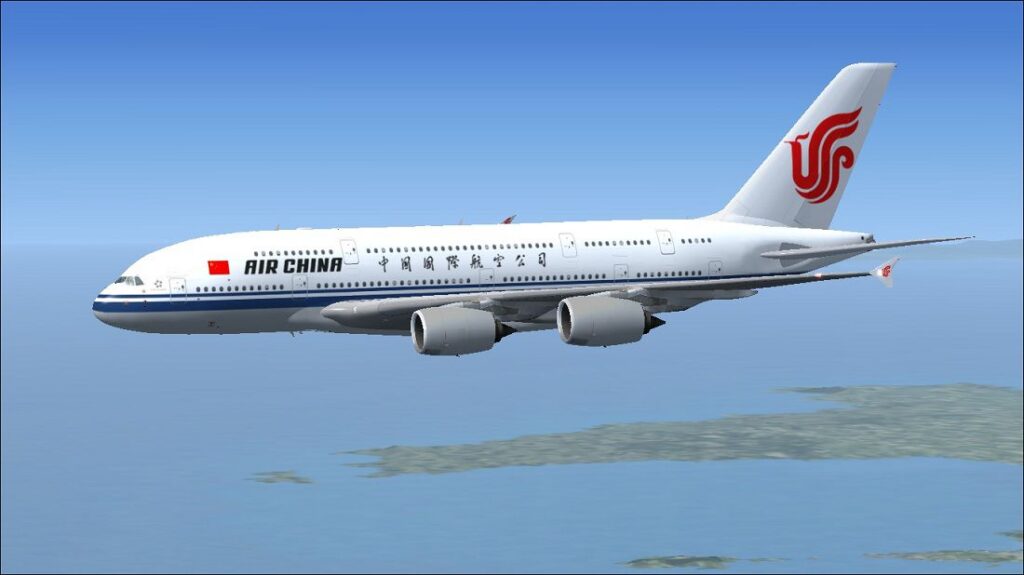
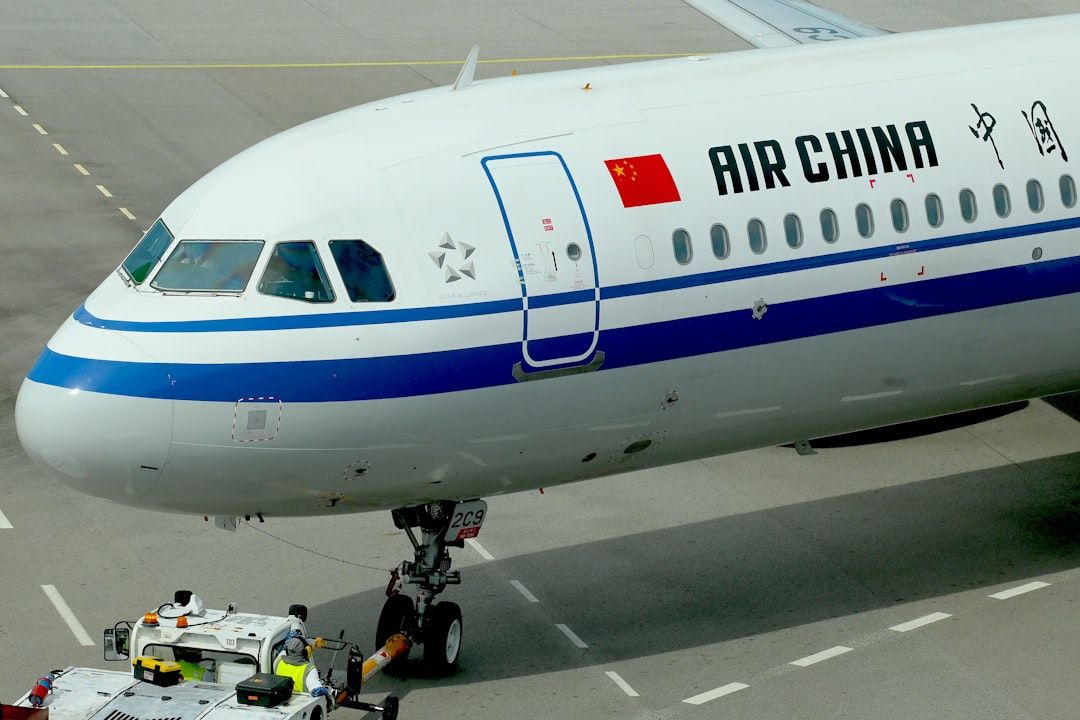
The Ministry of Tourism is coordinating with the Ministry of Transport and Tunisair to open direct routes, while also engaging foreign airlines. Negotiations with Chinese aviation authorities are ongoing, but as of August 27, 2025, there is no launch date or finalized agreement.
Stakeholders suggest a Tunis–Beijing route would be the most logical start, given demand patterns and the depth of outbound travel from China’s capital region. Industry analysts add that later expansion to Shanghai or Guangzhou could follow if the first route performs well, but no timelines are on the table.
The wider context favors a breakthrough. 2025 marks the 61st anniversary of Tunisia–China diplomatic ties, and the ONTT was named “Best Tourism Office in China” in 2024, a sign of strong engagement. President Kais Saied’s state visit to China in mid-2024 produced new cooperation agreements, including in tourism. These steps created momentum; now the focus is on turning goodwill into planes on the runway.
Policy moves and industry views
Tourism Minister Sofiane Tekaya has put a 30,000 annual target for Chinese visitors on the near-term agenda, paired with training programs for tourism students in Chinese language and cuisine. Officials argue that service readiness—clear menus, Mandarin-speaking guides, and cultural awareness—must grow in tandem with air access.
ONTT teams in China continue consumer marketing and trade partnerships, which helped Tunisia reach 24,000 Chinese visitors in 2024 and push above 27,700 in the first seven months of 2025.
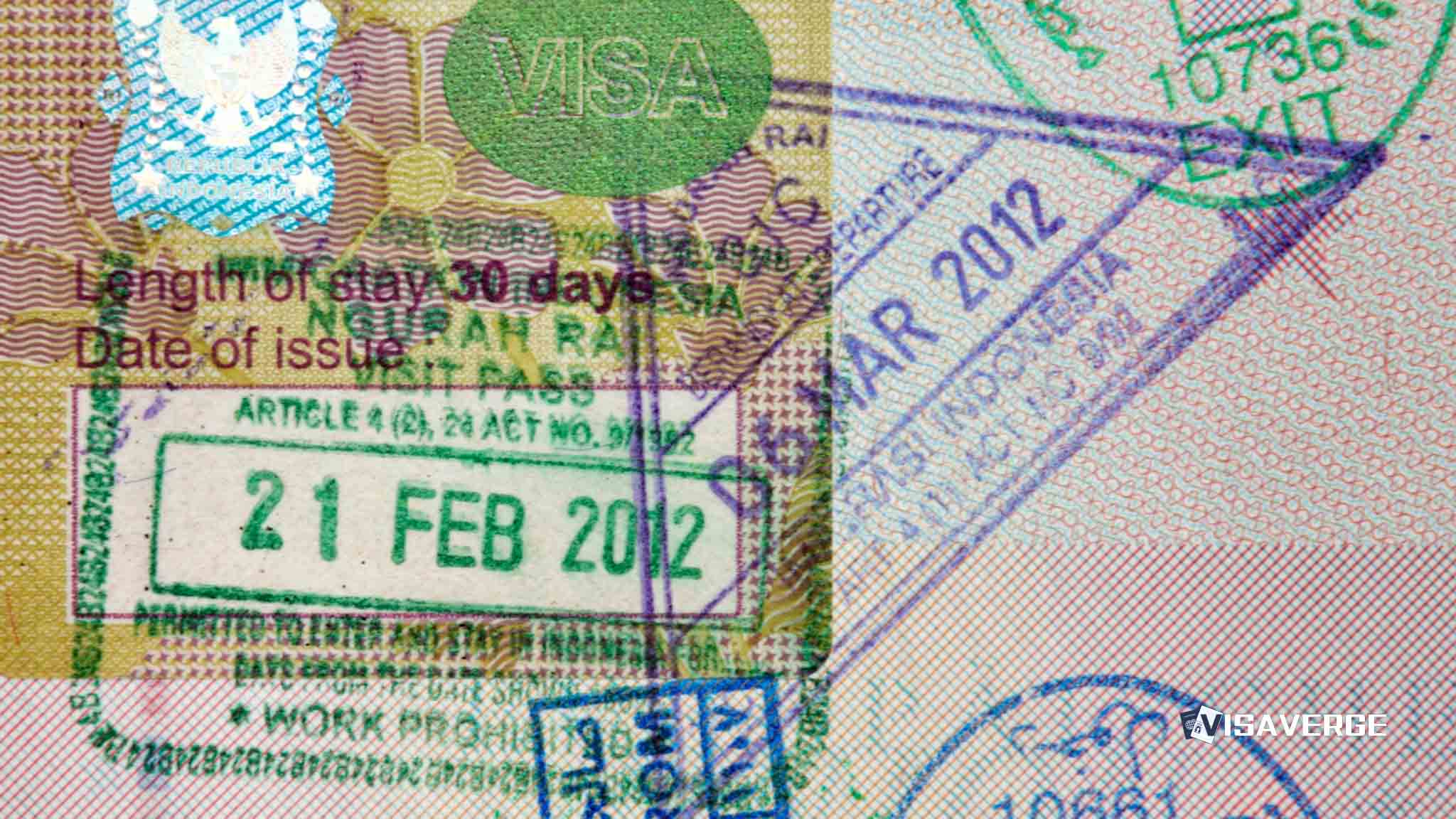
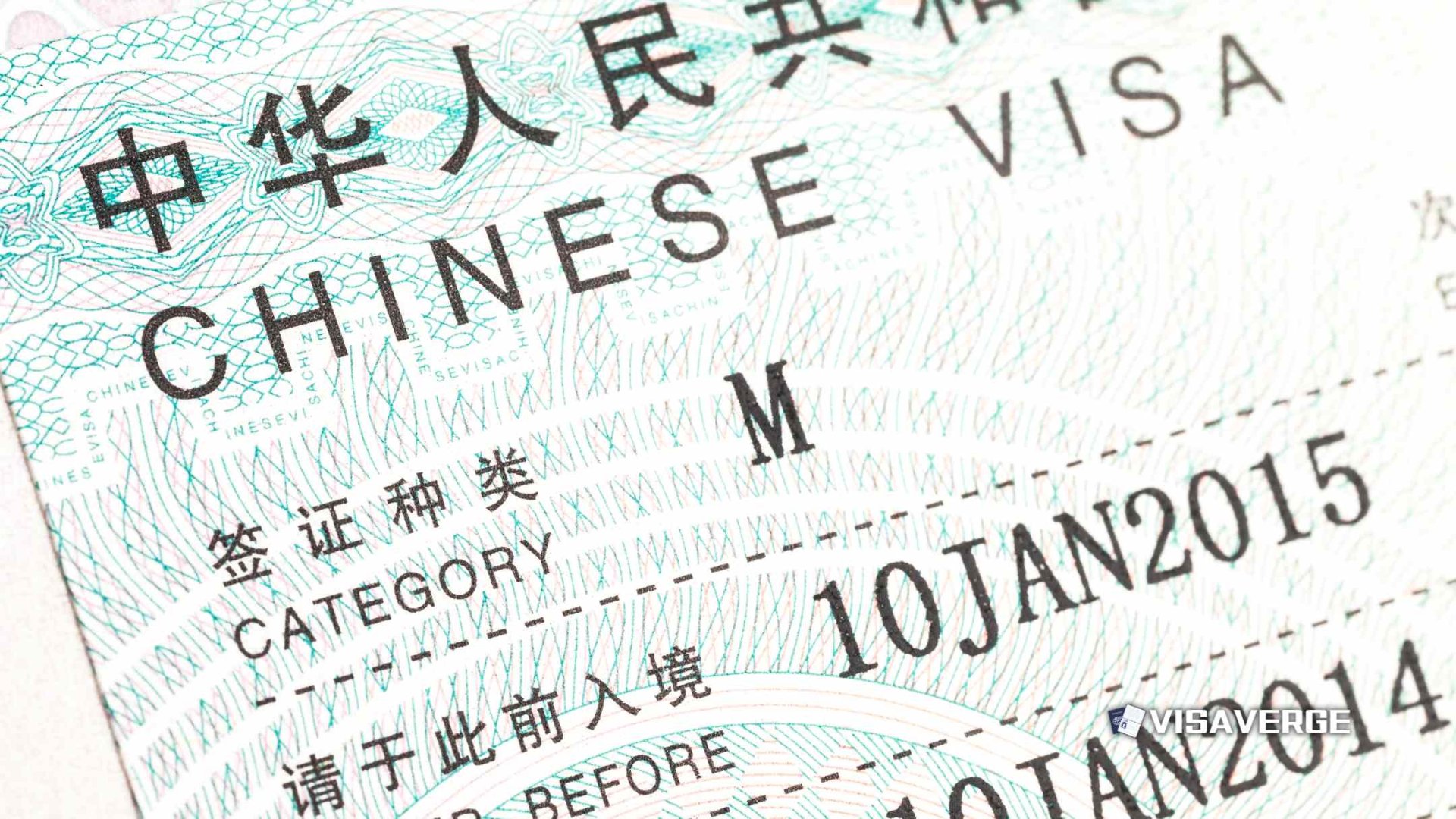
According to analysis by VisaVerge.com, Chinese nationals joining organized group tours can obtain a visa on arrival in Tunisia, while individual travelers still need to apply in advance. That policy mix supports groups led by Chinese travel agencies, but it also means independent travelers face extra steps before booking.
Tourism operators say a direct flight could encourage both segments:
- Groups would gain smoother logistics and more reliable schedules.
- Independent travelers—often younger and planning longer, flexible trips—would be more willing to choose Tunisia if the journey were shorter and simpler.
Industry analysts note Tunisia’s mix of coastal resorts, ancient sites, and desert landscapes positions the country well among long-haul choices for Chinese travelers, often compared with Canada, France, Turkey, Jordan, and Switzerland. The country’s appeal is clear on the ground: Chinese visitors tend to book multi-day itineraries that include:
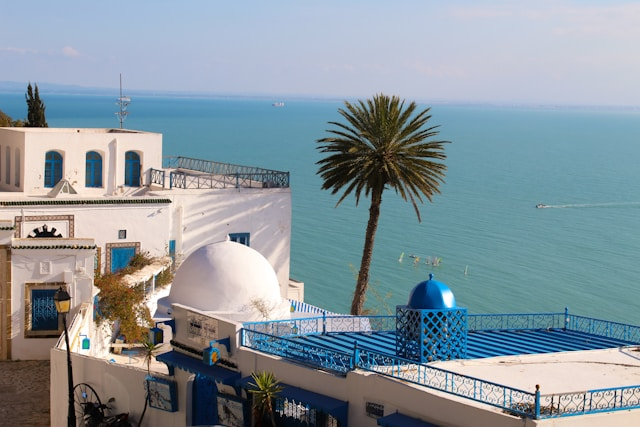
- Cultural highlights such as Carthage, Kairouan, and Sidi Bou Said
- Leisure time in Hammamet and other beach areas
- Desert trips, camel rides, and stargazing nights
- Culinary experiences with local flavors
- Shopping for ceramics, carpets, leather goods, jewelry, olive oil, and dates
Spending patterns stand out. Operators describe strong interest in quality local products and unique experiences, which boosts foreign exchange earnings and supports jobs in crafts and food supply chains. With direct flights, they argue, that spending would spread beyond classic hotspots to inland towns and lesser-known heritage sites.
Officials also argue that direct flights would strengthen Tunisia’s pitch to Chinese tour planners. Multi-stop routes raise the risk of missed connections and baggage delays, which tour companies try to avoid. A nonstop option would allow tighter schedules, easier pricing, and more flexibility for last-minute group additions. It would also cut fatigue for older travelers, a growing segment in China’s outbound market.
For now, every itinerary remains a puzzle. Travel agents often choose hubs with reliable schedules—Doha, Dubai, Istanbul, or European gateways—yet even the best connections can extend door-to-door travel beyond a day when factoring in airport transfers and time zones. That reality limits repeat visits and suppresses word-of-mouth growth that usually follows memorable trips.
What would change with a single nonstop flight?
Tour operators predict immediate gains:
- Simpler booking and fewer connection risks.
- Lower total travel times and reduced fatigue for travelers.
- Clear signaling to consumers that Tunisia is within reach, boosting demand.
- Greater confidence for hotel groups to hire Mandarin-speaking staff and tailor dining options.
- A ripple effect across guides, transport companies, and local attractions that thrive on predictable demand.
What travelers should know right now
As of August 2025, the practical picture for Chinese visitors is straightforward:
- There are no direct flights yet. Expect at least one stop in the Middle East, Turkey, Egypt, or Europe. Total travel time often exceeds 16 hours.
- Group travel has advantages. Tour leaders handle visas-on-arrival for organized groups and coordinate tight connections.
- Independent travelers should apply for visas in advance and build buffer time into itineraries in case of flight changes.
For air service decisions, final approval and slot arrangements involve both Tunisian and Chinese authorities. Readers seeking the status of Chinese carriers and route permissions can track notices from the Civil Aviation Administration of China (CAAC) at https://www.caac.gov.cn, which oversees commercial flight approvals in China.
The ONTT’s award in China in 2024 signals that Tunisia’s message is getting through to travel firms and consumers. Marketing efforts often feature Carthage’s UNESCO-listed ruins, coastal getaways, and the Sahara’s film locations that appear in global cinema. As more Chinese travelers search for fresh destinations after well-trodden European routes, Tunisia’s blend of history and value stands out—if the journey to get here becomes simpler.
Tourism schools have started Chinese language and culinary training, according to Minister Tekaya, to make service feel more familiar—from check-in to restaurant tables. Operators are also testing digital payment options favored by Chinese guests and expanding Mandarin signage at popular sites. These upgrades matter when people are far from home: clear information, familiar food, and friendly guidance can turn a first-time visit into a recommendation to friends and family.
“Without a nonstop option, repeat visits are less likely,” say officials and businesses. A couple from Guangzhou who must cross two hubs to reach Tunis may still come once for a bucket-list trip, but they might choose a closer destination the next time.
The numbers and the diplomatic context
The figures underline the case for expanded connectivity:
- 24,000 Chinese visitors in 2024
- 27,700 Chinese visitors in the first seven months of 2025 (15.3% year-on-year rise)
- 30.9% jump in July 2025 compared with July 2024
- Government target: 30,000 Chinese visitors annually
- National goal: 11 million total arrivals in 2025
- Tourism ≈ 10% of Tunisia’s GDP
Diplomatically, the moment is ripe: the 61st anniversary of ties, President Kais Saied’s 2024 state visit, ONTT outreach, and the “Best Tourism Office in China” award create favorable conditions. But travelers shop with their calendars; until a direct route is announced many will continue to compare transit hours against other choices.
Why direct flights matter for broader economic gains
Stakeholders argue that new air service would not only lift Chinese arrivals but also:
- Encourage investment in training and product quality
- Expand regional circuits that spread income to more communities
- Benefit craftsmen in Nabeul, guides in Kairouan, desert camps near Douz, and hospitality staff across Tunis, Hammamet, Sousse, and Djerba
The benefits would extend beyond resorts: when visitors arrive with time and energy, spending disperses more widely.
For now, the message from Tunis is consistent: the market is growing, the welcome mat is out, and the country is ready to host more guests from China as soon as planes can fly the most direct path. Negotiations continue among Tunisair, the Ministry of Transport, and Chinese counterparts, but no date is set. The next decisive headline will come from an airline timetable. Until then, Chinese tourist arrivals will likely keep inching up, while Tunisia waits for the nonstop link that could turn steady progress into a leap.
This Article in a Nutshell
Chinese arrivals in Tunisia rose to about 27,700 in early 2025 (15.3% growth), but no direct Tunis–China flights exist yet. Authorities target 30,000 Chinese visitors and are negotiating routes while improving services like Mandarin training and visa facilitation.