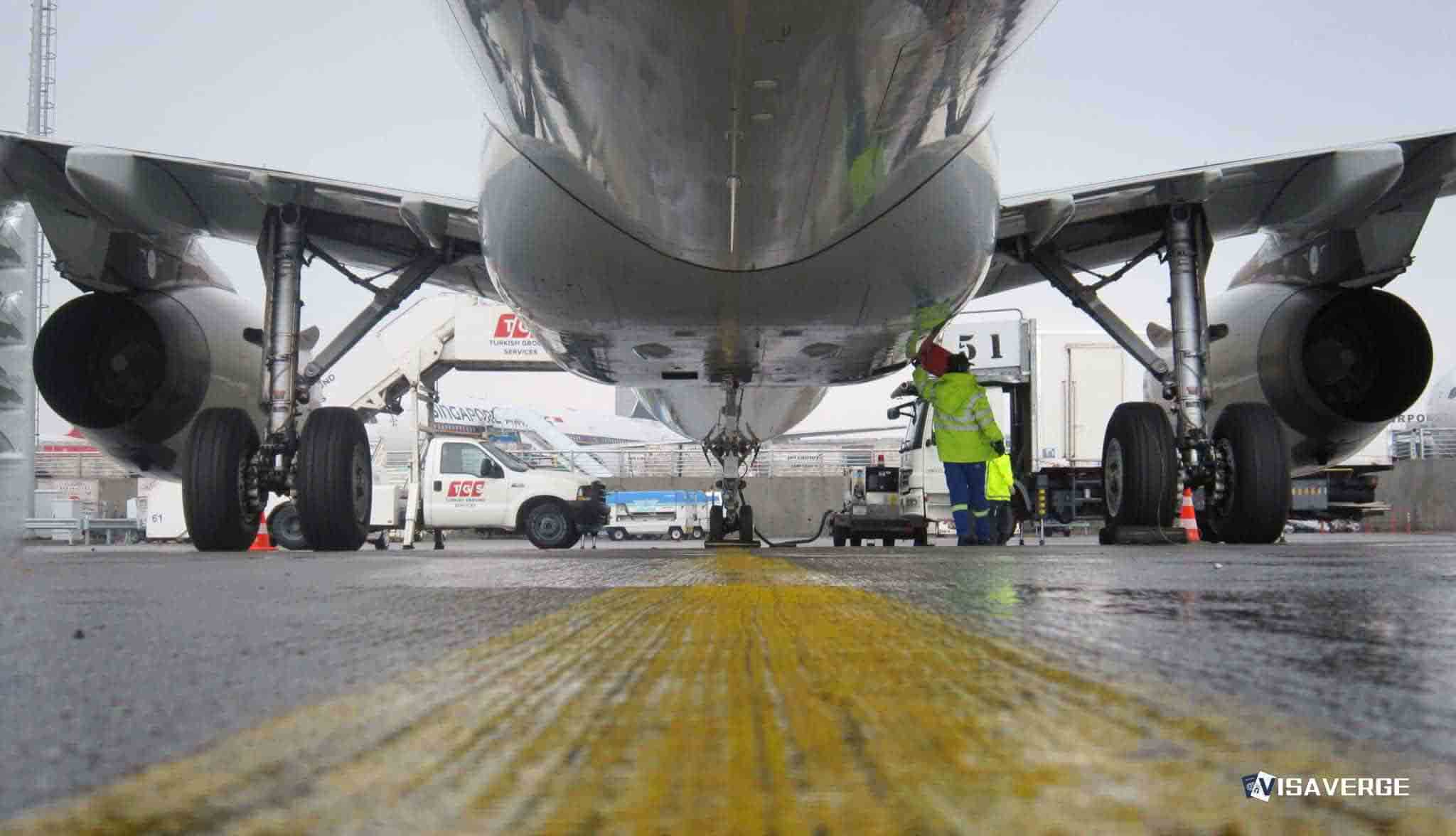
- TUI Group launched massive evacuation flights on March 3 to repatriate 30,000 stranded German tourists in the Middle East.
- Military conflict following airstrikes has severely disrupted regional airspace and commercial travel across major Gulf hubs.
- The German government is coordinating charter flights with Lufthansa and TUI to prioritize vulnerable groups and medical cases.
(MIDDLE EAST) — TUI Group launched evacuation flights on March 3, 2026, aiming to repatriate approximately 30,000 stranded German tourists from the Middle East as the Gulf crisis upended commercial travel across key regional hubs.
Sebastian Ebel, TUI CEO, said the company takes “repatriation. very seriously” as it mobilises aircraft and reroutes customers away from disrupted airports and uncertain airspace.
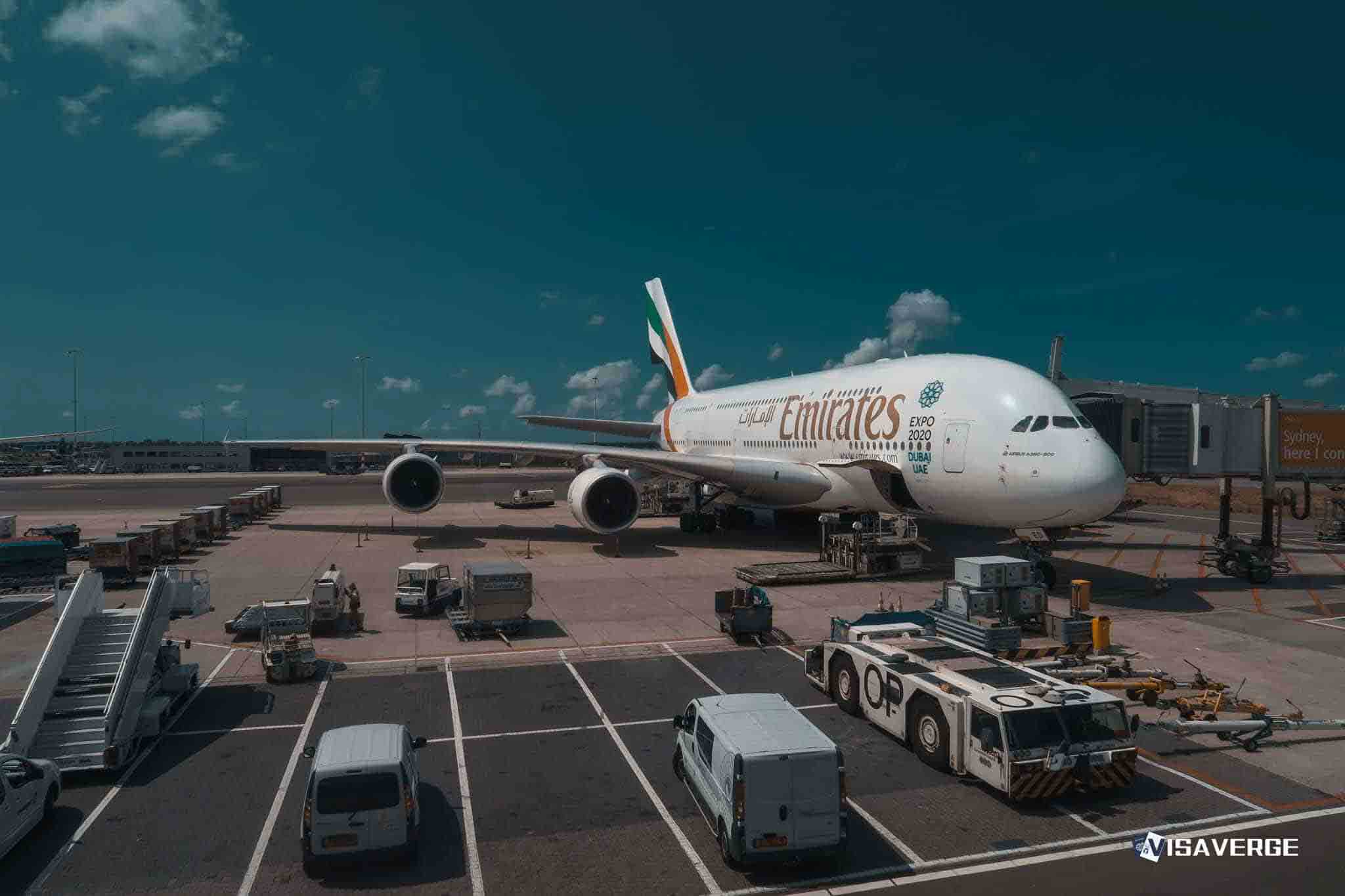
TUI is coordinating with Etihad, Emirates and Qatar Airways, alongside its Tuifly subsidiary, to move travellers out of crisis-hit areas including Abu Dhabi and Doha, where cruise ships are carrying about 5,000-7,000 passengers and crew total.
Israeli-US airstrikes on Iran killed Supreme Leader Ayatollah Ali Khamenei, the company said, followed by retaliatory attacks that triggered wider regional disruption and forced operators to work around volatile airspace.
Airports and airspace in the region have faced shifting restrictions, complicating flight planning and leaving package tourists waiting at major transit points while airlines assess permissions and safety.
Interrupted onward travel has added pressure, with travellers also stuck mid-journey to destinations in Asia or Africa as connections through disrupted hubs became unreliable or unavailable.
Uncertainty has extended beyond any single airport, as carriers and tour operators weigh changing operational guidance and military-priority demands that can reshape timetables with little notice.
TUI said it has around 10,000 customers affected, including 5,000 on the ships and others in hotels, as the company tries to organise transport to airports with available departure slots.
Some flights were already en route to German airports like Munich, TUI said, as it began rotating aircraft through the affected routes to bring customers home.
Ebel said limited capacity slows the pace, with 200 seats per plane meaning repatriation will take days even as the company adds rotations where aircraft and crews are available.
TUI also faces constraints tied to aircraft availability, crew duty limits and diplomatic or airspace permissions, the company said, describing an operation that must match scheduling to rapidly changing clearances.
Priority on the evacuation flights will go to those in immediate danger or needing medical care, an approach confirmed by the German Travel Association (DRV) and the German Foreign Office.
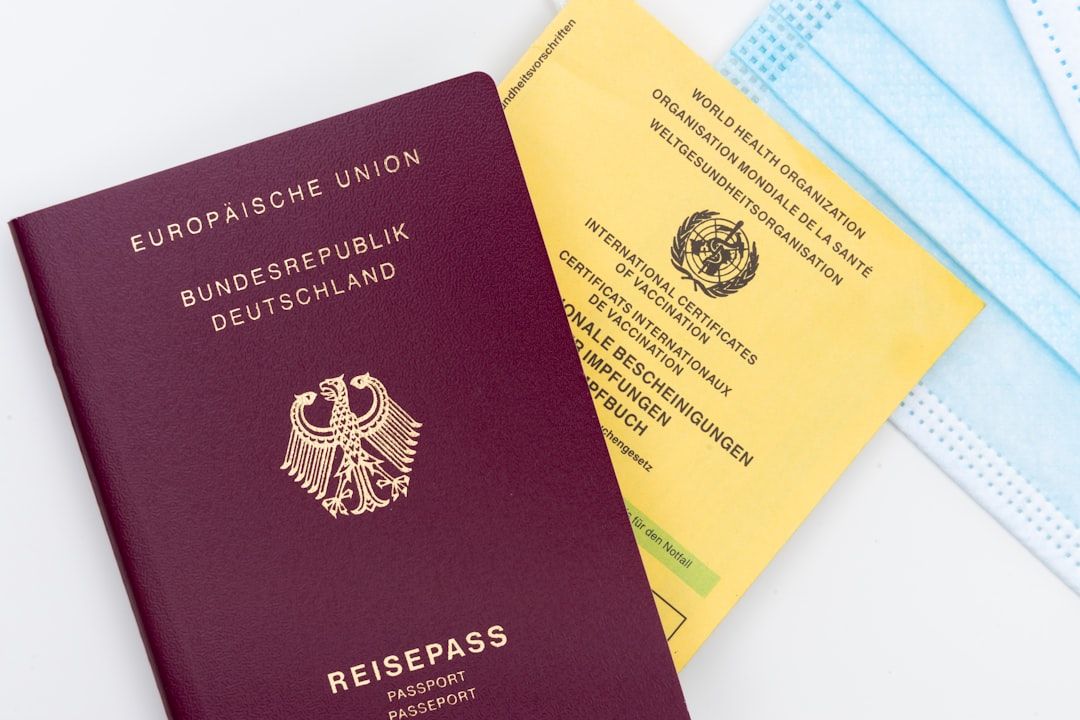
With passengers dispersed between ships and hotels, TUI has also asked customers to be ready for short-notice changes and to keep essential travel documentation and identification close at hand, as rapid gate and routing decisions can hinge on what travellers can present at departure.
Germany’s government announced on March 2 it would send charter flights to Saudi Arabia and Oman for vulnerable groups like children, elderly, and pregnant women, coordinating with TUI, Lufthansa and DRV.
German Foreign Office crisis teams have worked directly with crisis teams from multiple operators to support diplomatic clearances and evacuation permissions, as tour companies seek the authorisations needed to operate routes through contested or restricted airspace.
DRV said the roughly 30,000 stranded Germans include customers across various operators, with many awaiting onward travel to Asia or Africa, increasing complexity when hubs such as Dubai and Doha come under strain.
No specific announcements yet have appeared from operators including DER Touristik or Thomas Cook, even as the scale of the disruption has pushed tour companies and airlines toward shared solutions and close coordination with government clearances.
As repatriation continues after March 3, operators and officials have pointed to the figures shaping the effort: approximately 30,000 stranded Germans overall, around 10,000 TUI customers affected, 5,000 on ships, about 5,000-7,000 passengers and crew tied to the affected cruise routes, and aircraft that often carry 200 seats per plane, with timelines still dependent on airspace permissions, airport operations, and fleet and crew availability.