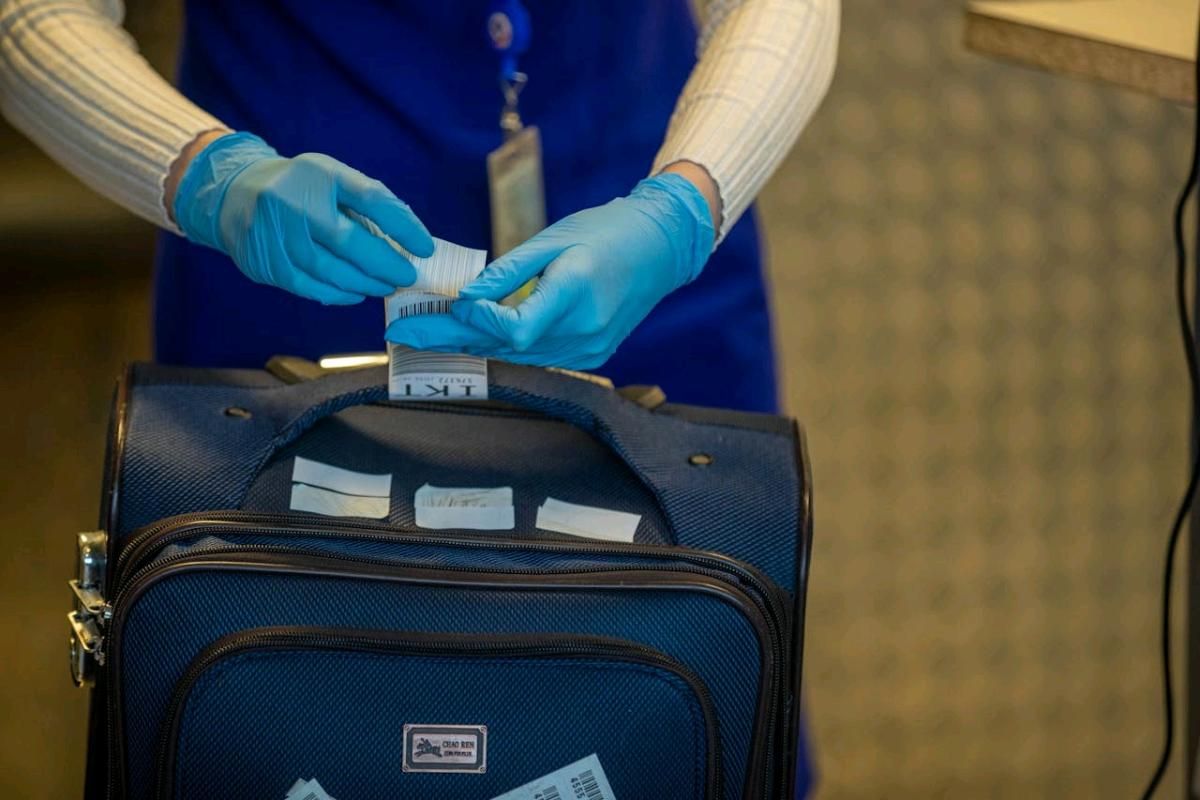
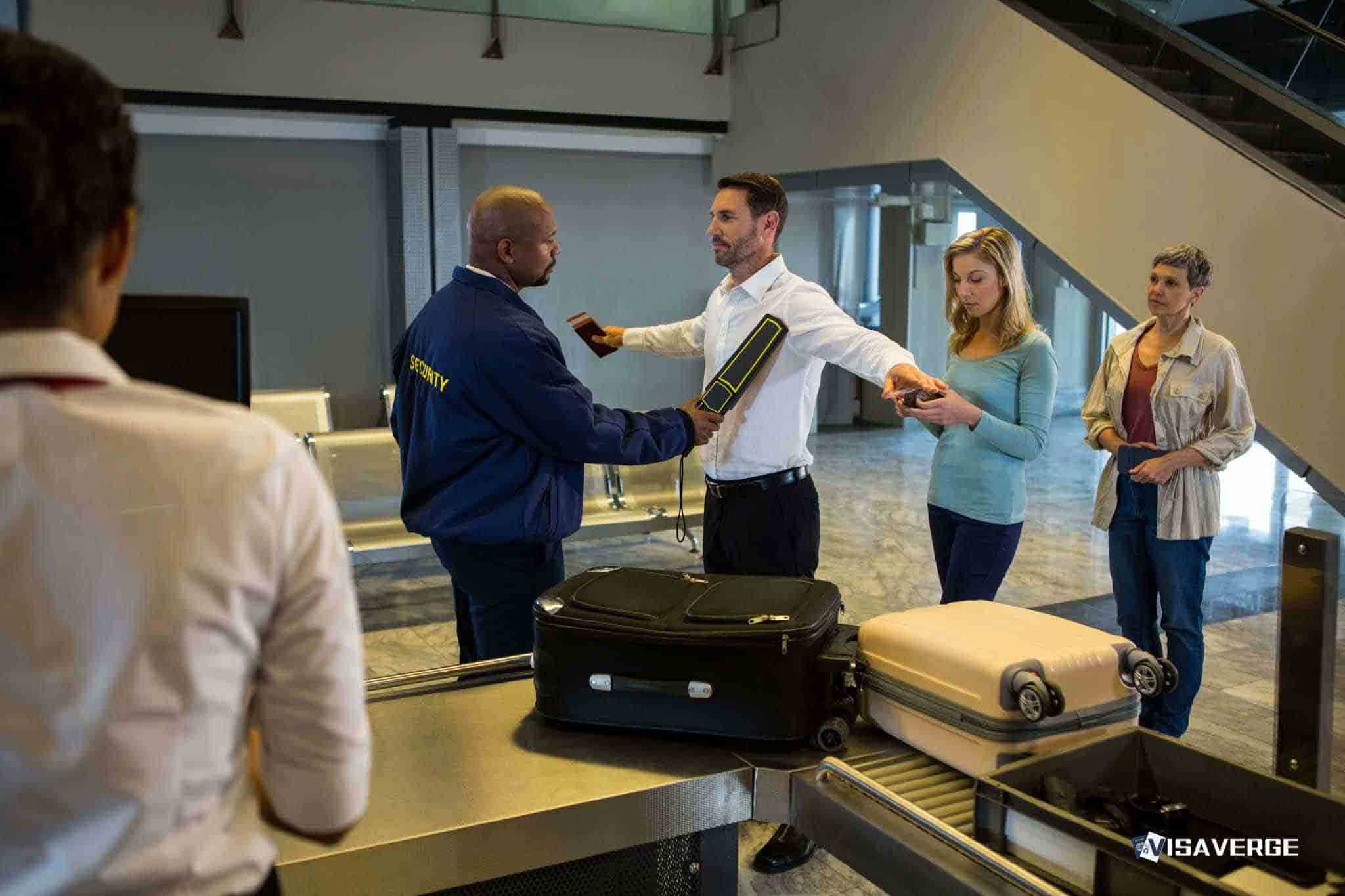
- TSA employees recently missed their first full paychecks due to the ongoing Department of Homeland Security shutdown.
- Over 300 officers resigned as financial strain and low morale begin to impact airport security operations.
- Airlines and travel groups warn of massive delays for travelers as spring break demand continues to build.
(UNITED STATES) — Transportation Security Administration employees missed their first full $0 paycheck during a partial Department of Homeland Security shutdown that has forced airport screeners to stay on the job as spring break travel demand builds.
The lapse in pay has pushed a Washington budget fight into household finances for frontline staff who check boarding passes, screen baggage and run security lanes, raising concerns about how quickly absenteeism could translate into longer lines and delays.
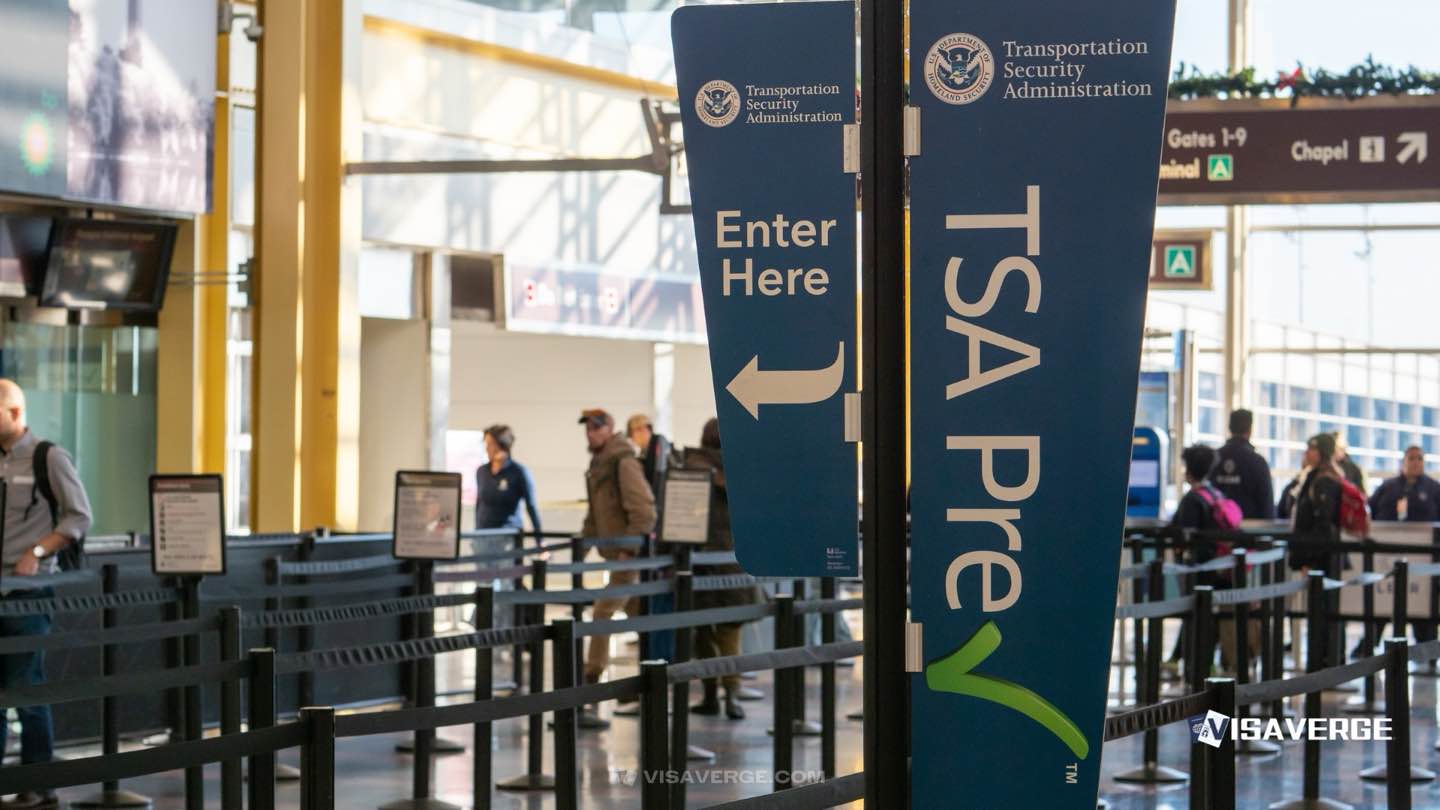
TSA workers are required to keep working even as the funding lapse continues, placing pressure on screening operations at a time when passenger volumes typically rise and airports face tight staffing margins.
The DHS shutdown began in mid-February after Congress failed to renew a short-term funding extension that expired the day before the lapse, leaving DHS as the last unfunded federal agency. Nearly all of DHS’s 100,000+ employees must work without pay until lawmakers restore funding.
Lawmakers are fighting over DHS appropriations for fiscal year 2026, which runs through September 30. The shutdown’s political flashpoints widened after the January 24, 2026, killing of Alex Pretti by Customs and Border Protection agents, which fed calls from Senate Democrats for reforms to ICE and CBP operations.
That debate has slowed progress toward reopening DHS, including TSA, even as airport operations depend on consistent staffing to keep checkpoint lanes open, move passengers through screening, and avoid backups that can cascade into missed flights.
TSA employs screeners whose pay falls in the mid-$30,000 range, a level that can make even a short break in income difficult to absorb, especially for workers with fixed monthly expenses. Those financial pressures can show up quickly on the job through increased sick calls, reduced overtime availability and resignations.
Internal TSA reporting shows 300 officers resigned since the shutdown began, compounding staffing gaps as managers try to cover checkpoints with reassigned officers, overtime and, in some cases, lane closures when staffing falls short.
Union leaders at Phoenix airport described extremely low take-home pay in recent checks, saying amounts dropped to “a few dollars,” a hit they linked to both morale and attendance. The strain can build as the shutdown lengthens, because an absent screener is difficult to replace on short notice in specialized roles.
Acting TSA Administrator Ha Nguyen McNeill testified to Congress that a fall 2025 shutdown produced a 25% attrition spike, warning that a repeat could harm recruiting and retention. That experience, McNeill told lawmakers, offers a preview of how quickly a pay disruption can thin the workforce in a job that relies on daily staffing to match passenger flows.
The shutdown has also pulled in DHS components beyond TSA, including CBP, whose officers staff ports of entry and airports, and other agencies whose work supports aviation security and response planning. DHS’s wide footprint means a prolonged lapse can create operational stress across systems that interact at airports.
In the House, lawmakers passed H.R. 7744, the DHS Appropriations Act, 2026, on March 5, 2026, by a 221-209 vote to fully fund DHS without reforms. Supporters framed it as an end to the “Senate Democrat-instigated shutdown.”
Tom Cole, House Appropriations Committee Chairman, criticized Democrats for halting “cybersecurity, FEMA grants, first-responder training, and Coast Guard missions.” The bill’s supporters argued it would restart the department while leaving disputes over immigration enforcement policy to separate negotiations.
Across the Capitol, the Senate’s path has remained unsettled. Senators planned a test vote to end the 27-day shutdown on March 12, but talks remained tense with no final agreement, and lawmakers continued to argue over whether reopening should be tied to changes to ICE and related operations.
Republicans have pushed for a short-term DHS reopening while negotiations continue on ICE reforms. Democrats have proposed funding TSA and FEMA separately, a strategy aimed at restoring pay and services in some high-visibility areas even if the broader DHS budget fight continues.
Steve Scalise, the House Majority Leader, blamed Democrats for risking delays for 171 million travelers this spring. The pressure point for lawmakers is that delays and long lines are among the most visible consequences of a shutdown, and they can take shape quickly if staffing falls at major airports.
Airlines and travel organizations have escalated public pressure as the shutdown drags on, warning that even modest staffing shortfalls can slow checkpoint throughput and ripple through packed flight schedules.
Groups launched the “Pay Federal Aviation Workers” campaign on March 5, 2026, urging pay for TSA and CBP staff. The campaign seeks to keep screening and inspection staffing steady by restoring paychecks during the shutdown rather than relying on workers to shoulder weeks of missed wages.
Geoff Freeman, president of U.S. Travel Association, tied the shutdown to the scale of daily screening demand and the financial reality of frontline work. “TSA officers screen nearly a billion passengers a year. these are workers who simply cannot afford to miss a paycheck,” Freeman said.
Chris Sununu, president of Airlines for America, called for urgent action and pointed to the stakes around large events, citing the FIFA World Cup and LA 2028 Olympics. His comments came as carriers track staffing levels at key airports and plan for potential chokepoints if TSA staffing falls and passenger volumes climb.
Airlines and airports typically respond to staffing uncertainty with stepped-up passenger messaging and operational contingency planning, including adjusting staffing around peak departure times and coordinating with airport authorities on queue management. Those steps can help at the margins, but they do not replace staffed screening lanes, and they offer limited relief if absences rise across multiple shifts.
The DHS shutdown has already reached the point where pay impacts are visible, and TSA staffing stress is showing up in the form of resignations and sick calls that managers must cover in real time. Even when screening continues, reduced staffing can mean fewer open lanes, longer waits and more pressure on remaining officers.
No resolution occurred by March 12, with Senate talks stalled and White House involvement yielding slow progress. The absence of a deal has left TSA workers facing continued missed pay as the shutdown extends deeper into a period when travel volumes rise.
Past shutdowns offer a guide to what can happen when the lapse persists. Absences tend to climb as the shutdown lengthens, and delays increase as staffing gaps widen at airports and across supporting agencies.
In 2025, shutdown disruptions delayed 9,000 flights and cost $6 billion, a benchmark lawmakers and industry groups have cited in warning that a prolonged lapse can impose costs that extend beyond federal payrolls. Those figures have become part of the argument from travel and airline groups that reopening DHS and restoring pay could avert broader economic damage.
For workers, the immediate issue remains the missing paycheck. TSA employees are eligible for back pay once funding resumes, but the timing of payment can vary, leaving families to bridge the gap during the shutdown itself.
At airports, the operational question is whether staffing remains stable enough to keep checkpoints moving as spring travel builds. The resignation count and reports of extremely low take-home pay have sharpened concern that what began as a DHS shutdown in Washington could be felt next in the security line, one missed shift at a time.
Live Government Data
State Dept • CBPBusiest Border Crossings
- San Ysidro 80 min
- Nogales 60 min
- Otay Mesa 60 min