- TSA has ended mandatory shoe removal at U.S. airports, breaking a routine in place since 2006.
- Travelers may still need to remove footwear if alarms are triggered by metal or thick soles.
- Security experts warn that uneven technology across airports could create vulnerabilities in the new system.
(UNITED STATES) — Homeland Security Secretary Kristi Noem announced a shoes-on policy on July 8, 2025, ending a long-running TSA practice that had required most travelers to remove footwear during airport screenings.
The change began rolling out at major airports starting in mid-July 2025, with a goal of expanding to all U.S. airports. It marked a break from a security routine that had been in place since 2006.
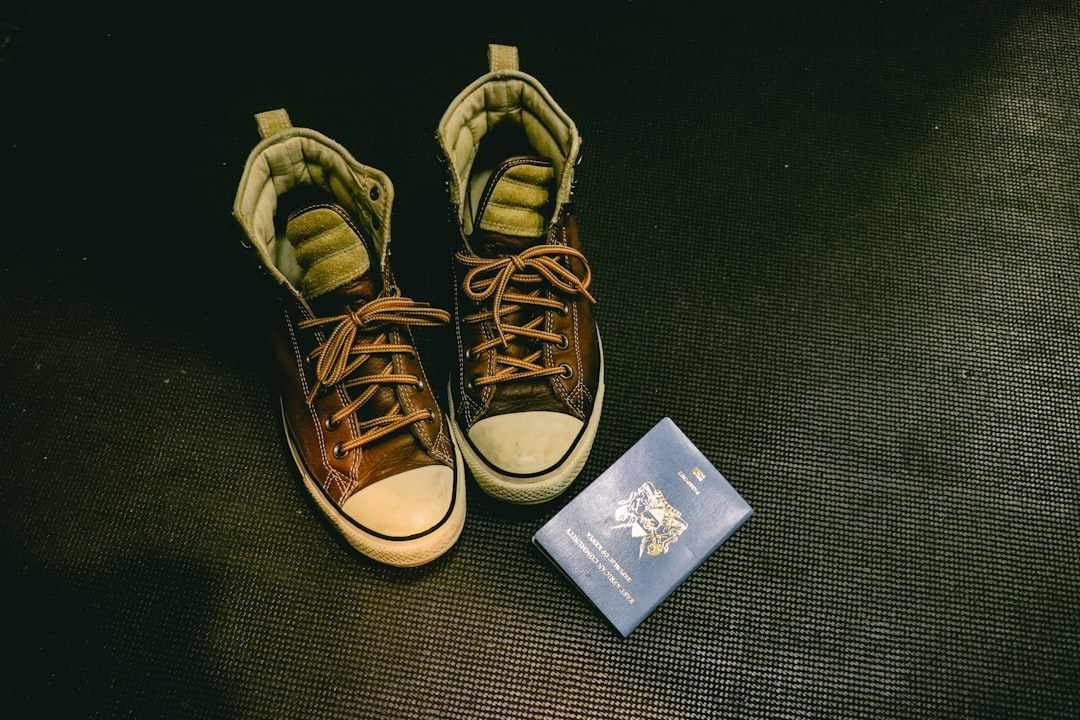
TSA presented the move as a way to streamline screening, but security experts and travelers have raised concerns about what may be lost as passengers keep their shoes on through standard checks. Their concerns center on the limits of screening technology, uneven equipment across airports and the risk of missing concealed items in some footwear.
Nearly 20 years of mandatory shoe removal grew out of the 2001 Richard Reid shoe bomb attempt on an American Airlines flight from Paris to Miami. Since then, taking off shoes became one of the most recognizable parts of airport screenings in the United States.
The new policy shifts that routine, but it does not remove footwear from the security equation. Passengers who trigger alarms at scanners or magnetometers must still remove their shoes for additional screening.
Random secondary screenings also continue. Those checks remain especially important at smaller airports without advanced body-imaging technology, where officers may still require shoe removal even under the shoes-on policy.
Identity verification remains part of the screening process. The shoes-on change affects one step of TSA screening, not the wider system of checks that travelers still face before reaching their gates.
Much of the debate has focused on advanced imaging technology, particularly millimeter-wave body scanners used at most airports. Aviation experts said those machines can have difficulty screening certain types of footwear.
Shoes with steel shanks, thick padding or metal components can interfere with scans. Such footwear can “obscure concealed items and create blank spots on the scanner,” according to aviation experts.
That limitation has drawn attention because the shoes-on policy depends in part on screening systems being able to identify threats without the older routine of removing footwear first. Where scanners struggle, the policy leaves more weight on alarms, officer judgment and secondary searches.
Smaller airports face a different problem. Many still rely on traditional walk-through metal detectors rather than advanced imaging technology, and metal detectors cannot detect explosive elements.
That means the shoes-on policy does not function the same way everywhere. At airports with newer scanners, officers can rely on body-imaging systems as a first line of review. At airports with older equipment, the system depends more heavily on follow-up screening and random checks.
Experts have warned that this uneven setup matters. They said the advanced imaging technology, while improved, is “not perfect,” and skipping secondary screening steps at airports without advanced scanners would pose “a major security risk.”
The warning goes beyond broad concerns about machines and procedures. Some kinds of footwear remain more likely to set off alarms or require extra attention even after the policy change.
Steel-toed boots may still trigger alarms. High heels with metal components can do the same, as can combat or hiking boots.
On September 8, 2025, TSA issued a warning that pointed to another example. The agency said shoes like Birkenstocks with thick soles are “notorious” for triggering alarms.
That means a shoes-on policy does not always mean shoes stay on from start to finish. A traveler may walk into a checkpoint expecting a faster screening, then still be told to remove footwear if an alarm sounds or an officer selects the person for additional screening.
The policy therefore creates a mixed picture for passengers. For many travelers at major airports, the change can shorten one of the most familiar and unpopular parts of checkpoint screening. For others, especially those wearing bulky or metal-containing shoes, the experience may look much the same as before.
The shift has also highlighted how much airport screenings rely on layers rather than one single rule. TSA continues to use identity verification, body scans, magnetometers and random secondary checks.
Those remaining measures matter because the shoes-on policy removes a routine step that had been standard for years. Security experts have focused on whether the remaining layers are enough when technology does not work equally well with all footwear or in all airports.
The answer may depend heavily on where a traveler flies. The rollout began at major airports in mid-July 2025, and the government aims to expand it nationwide, but the equipment in use across the country still varies.
At larger hubs, advanced imaging technology is more common. Those scanners have improved screening capacity, yet aviation experts still said some shoes can create blind spots or interfere with what officers see.
At smaller facilities, the concern is more direct. If an airport still relies on traditional metal detectors, those machines can detect metal but cannot detect explosive elements.
That makes random secondary screenings an important backstop. Under the shoes-on policy, those unpredictable checks continue, particularly at airports without advanced body-imaging systems.
The history behind the old rule explains why the new one drew attention so quickly. Richard Reid’s attempted attack in 2001 led U.S. authorities to treat shoes as a routine screening concern, and by 2006 shoe removal had become a standard part of checkpoint procedure.
For years, that requirement shaped the choreography of U.S. air travel. Passengers loosened laces in line, carried footwear through scanners and put shoes back on near the conveyor belts before hurrying to their gates.
Noem’s announcement on July 8, 2025 changed that routine. The change ended nearly 20 years of mandatory shoe removal and signaled a willingness by the government to revise a long-standing protocol.
Still, the move did not eliminate the security questions that made shoe screening part of the system in the first place. Instead, it shifted those questions toward technology limits, local airport capacity and the need for follow-up checks when something does not look right.
That has left TSA balancing speed and scrutiny. The agency moved to make standard screening less cumbersome, while experts have stressed that airport screenings still need enough flexibility to catch threats that a shoes-on approach might miss.
The practical outcome is a checkpoint system with more variation than before. One traveler may pass through a major airport scanner without removing shoes at all. Another may face extra screening because of thick soles, metal parts or a random secondary check.
Those differences have made the phrase shoes-on policy sound simpler than the experience itself. The rule changed, but the screening process still turns on equipment, alarms and the type of shoes a passenger wears.
TSA’s warning about Birkenstocks with thick soles illustrated that point in everyday terms. Even with the new policy in place, some common shoes remain more likely to draw officer attention.
The same is true for steel-toed boots, high heels with metal components and combat or hiking boots. Those shoes may still trigger alarms and require removal, preserving part of the old routine within the new one.
As the rollout expands beyond major airports, the policy’s success will rest on how well TSA addresses those gaps. Ongoing evaluation of technology and screening procedures remains part of that effort as the agency tries to deal with vulnerabilities identified by experts.
For now, the new rule has changed a familiar part of flying in the United States, but not the basic reality of checkpoint security. Passengers may keep their shoes on more often, yet the system still falls back on removals, random checks and identity verification whenever alarms sound or officers see reason for a closer look.