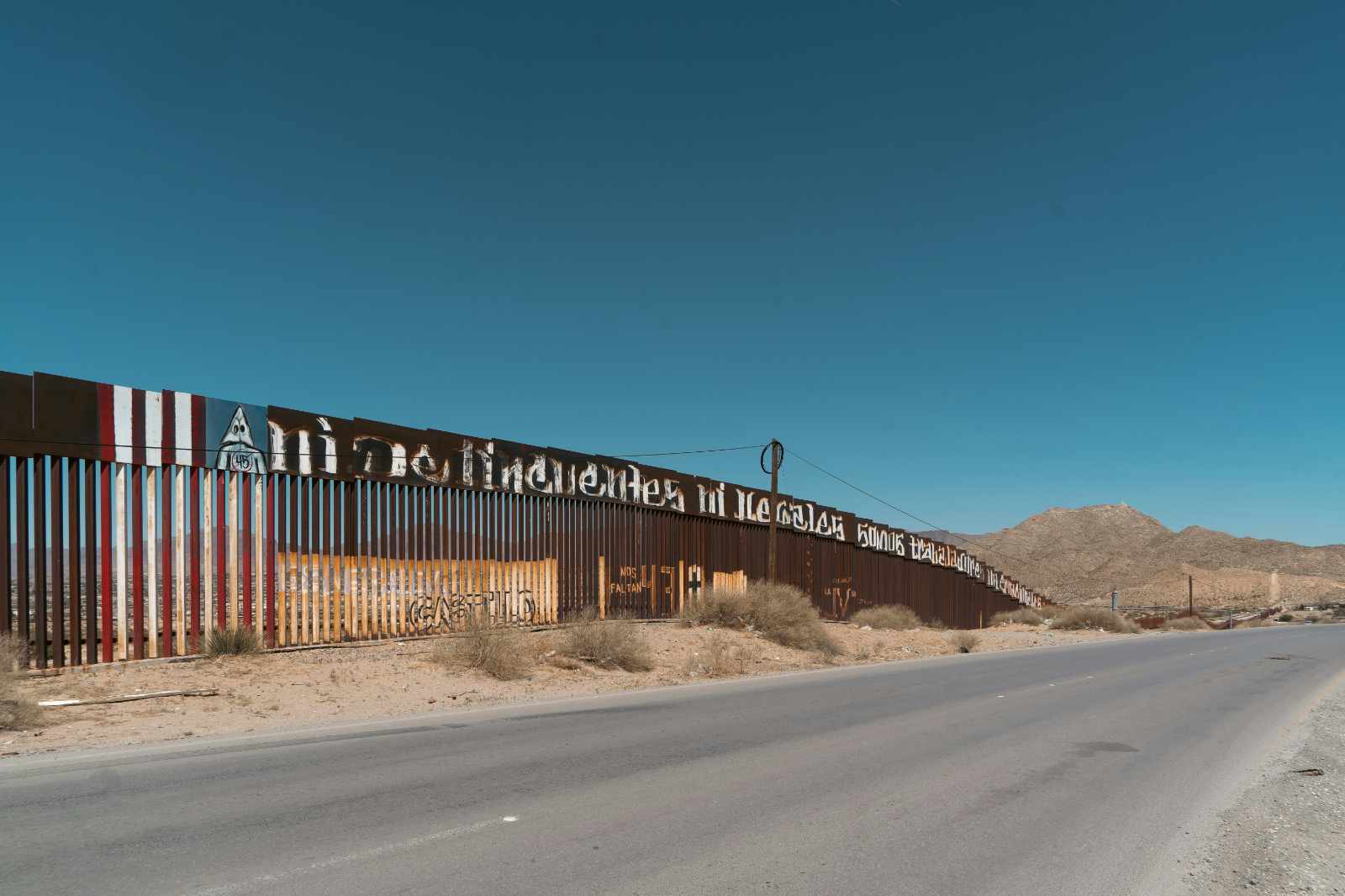
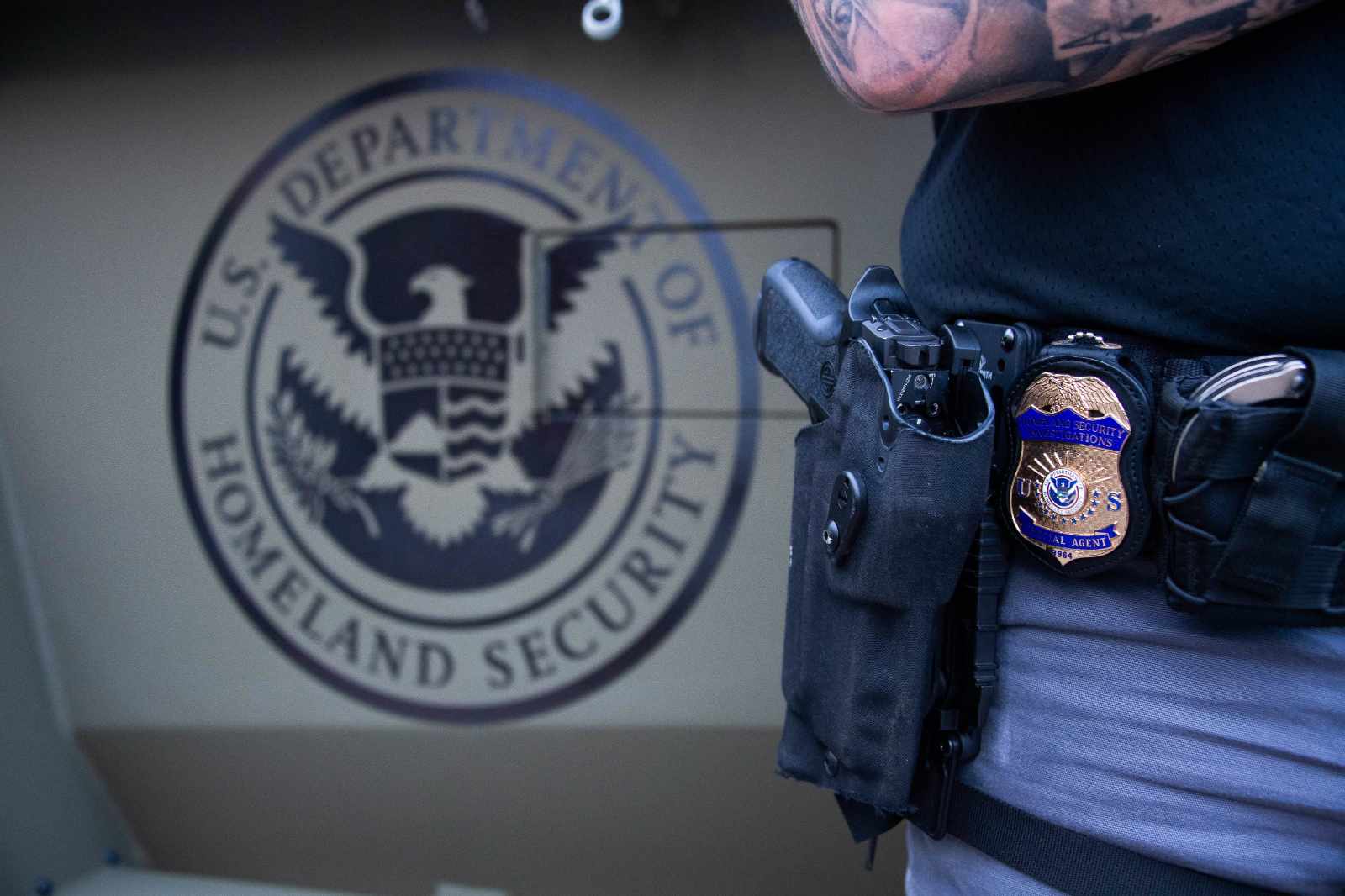
The Trump administration has announced a new $5,000 “apprehension fee” for anyone caught crossing the United States 🇺🇸 border between ports of entry without authorization, adding a major new financial penalty to existing criminal laws and immigration consequences. The fee applies with no exceptions for asylum seekers, even though U.S. and international law allow people fleeing danger to seek asylum after crossing the border in exactly these circumstances.
Officials folded the new apprehension fee into what supporters inside President Trump’s team have called a final “Big Beautiful Bill” on immigration enforcement, a broad package of measures meant to reshape the border system for years. According to analysis by VisaVerge.com, the bill brings together higher immigration fees, tougher enforcement tools, and a long-term funding surge for border operations, with the clear goal of making unauthorized entry more costly and less attractive.
How the apprehension fee works and its legal position
The measure does not replace criminal charges for illegal entry or reentry. Instead, the apprehension fee sits on top of existing penalties, acting more like a civil fine that the government could try to collect:
- from migrants in custody,
- after deportation, or
- if they later qualify for legal status.
Critics say this effectively creates a lifelong debt that many migrants will never realistically be able to pay, especially those already in desperate economic or security situations.
The administration framed the policy as a way to cover what it describes as the “true cost” of catching and processing people at the border. But applying the fee even to asylum seekers marks a sharp break from past practice, where some recognition was given to the special status of people fleeing persecution, war, or torture.
Under this plan, a mother escaping gang threats or a political activist running from a hostile government would still face the same $5,000 charge if Border Patrol agents apprehended them between official ports of entry.
Funding and scope of the “Big Beautiful Bill”
The Big Beautiful Bill stretches far beyond the apprehension fee. Key funding and program elements include:
- More than $75 billion directed toward border enforcement and militarization through September 30, 2029, locking in funding well past President Trump’s own term.
- Funding for expanding the border wall.
- Hiring and supporting more Customs and Border Protection (CBP) agents.
- Building and operating more detention and processing facilities.
- Purchasing advanced surveillance technology.
Supporters argue this long-term funding will give agencies stability to plan and build. Opponents worry it hardwires a harsh enforcement model for a full decade, regardless of future election outcomes.
New and raised fees across the immigration system
Alongside the apprehension fee, the package raises or creates a series of other immigration charges that affect asylum seekers, minors, work authorization applicants, TPS beneficiaries, visa applicants, and court proceedings.
Asylum-related fees
- A minimum non‑waivable $100 fee for asylum applications, plus an extra $100 each year the case remains pending.
- This structure could mean people owe several hundred dollars or more to keep an asylum case alive, even though most asylum seekers arrive with little or no money and often cannot work legally for months.
Fees for minors (Special Immigrant Juvenile Status)
- Children and young adults applying for Special Immigrant Juvenile Status would face a new minimum $250 fee for their applications.
- For many youths depending on relatives or community groups, even this amount could block timely filings when combined with legal costs.
Work authorization fees
- For employment authorization tied to asylum, parole, or Temporary Protected Status (TPS):
- Minimum $550 fee for first-time work authorization
- $275 for renewals
- These permits are often the only legal way asylum seekers and TPS holders can support themselves while cases are pending. Higher fees could push families toward unauthorized work, increasing enforcement risk.
Temporary Protected Status (TPS) fee changes
- Minimum $500 TPS application fee, up from $50 — a tenfold increase.
- TPS protects people from countries facing war, natural disaster, or other severe conditions. Raising the price this sharply treats humanitarian protections more like premium services than lifelines.
Non-immigrant visa issuance fee
- Minimum $250 visa issuance fee for people receiving temporary visas (students, workers, visitors).
- The fee is described as reimbursable if visa conditions are fully met, but critics say travelers may not understand refund processes or may fear drawing attention to themselves.
- Business groups and universities warn higher upfront costs could deter legitimate travelers, students, and skilled workers.
Immigration court and processing fees
- New or higher processing charges inside U.S. courts, including:
- $1,500 fee for lawful permanent resident applications handled in the court setting.
- $900 for appeals to the Board of Immigration Appeals.
- These sums are on top of standard USCIS filing fees (see the official USCIS filing fees page).
- For families fighting deportation while seeking green cards, or those appealing legal errors, these extra costs could determine whether they continue their cases or give up.
Arguments from supporters and critics
Supporters say:
– Higher fees ensure migrants, rather than taxpayers, carry more of the financial load for the immigration system.
– The apprehension fee and other charges will deter repeat crossings and discourage paying smugglers for risky journeys.
– The package aligns immigration costs with what they claim are the real expenses of enforcement, detention, and court review.
Immigrant advocates respond that:
– The system now punishes poverty as severely as unlawful entry.
– The bill stacks fee after fee on people who often left everything behind.
– Requiring asylum seekers to pay to apply for asylum and to obtain work authorization — while also facing a potential $5,000 apprehension fee — creates substantial financial barriers to protection.
Legal outlook and broader implications
Legal analysts note that many measures in the package will likely face federal court challenges, especially provisions that penalize the right to seek asylum.
Even if parts of the Big Beautiful Bill are delayed or struck down, the proposal signals a policy trajectory:
- Border control is being reimagined not only in terms of fences and agents but as a network of financial hurdles.
- The intent appears to be to make migration — particularly irregular migration — far more costly at every step.
Key takeaway: The bill pairs aggressive enforcement with a sweeping set of fees that together aim to deter migration by increasing the financial burdens on migrants — including vulnerable groups such as asylum seekers and children — while locking in long-term funding for border operations.
The administration unveiled a $5,000 apprehension fee for unauthorized border crossings between ports of entry, with no asylum exceptions, as part of a sweeping enforcement package. The “Big Beautiful Bill” allocates over $75 billion through 2029 for walls, CBP staffing, detention facilities, and surveillance. It also raises fees across the immigration system — asylum applications, TPS, work authorization, visas, and court processing — prompting concerns about access to protection, potential lifelong debt for migrants, and likely legal challenges.