January 3, 2026
- Added USCIS nationwide asylum decision pause effective November 28, 2025
- Updated expanded travel bans and visa restrictions with dates through January 1, 2026
- Included list of 19 countries subject to USCIS processing pauses
- Added new fee and work‑authorization details (initial work permit $550; renewal $275+; SIJ $250)
- Added enforcement funding figures including $75 billion package and $47 billion for wall construction
(UNITED STATES) — President Trump’s administration halted final decisions on pending asylum applications on November 28, 2025, a nationwide USCIS asylum decision pause that has left asylum seekers stuck in indefinite limbo as the White House ramps up enforcement and access restrictions at the 🇺🇸-🇲🇽 border.

U.S. Citizenship and Immigration Services (USCIS) continues interviews and accepts new filings, but it is issuing no grants or denials — a freeze outlined in a USCIS Policy Memorandum that also means applicants can remain in the system without a final outcome.
Border policy and immediate impacts
The decision pause has landed alongside a broader escalation that includes revived “Remain in Mexico” protocols, expanded expedited removals, widening travel bans, and a growing list of fees and penalties that advocates say deter people from seeking protection.
- A presidential proclamation on January 20, 2025 “sealed U.S.-Mexico ports of entry,” imposing documentation and procedural barriers that have effectively blocked many asylum presentations at official crossings.
- With ports closed, some asylum seekers have faced turnbacks, denial at crossings, or expulsion to Mexico without removal proceedings.
- Others have waited in Mexico or tried dangerous irregular crossings.
- U.S. Customs and Border Protection (CBP) officers now hold expanded authority to expel individuals directly back to Mexico, bypassing credible fear interviews, as part of a stated deterrence strategy.
The administration reinstated the Migrant Protection Protocols in early 2025, a return of “Migrant Protection Protocols” that in earlier iterations forced over 68,000 asylum seekers to wait in Mexico for U.S. hearings.
People waiting in Mexico have faced violence from cartels and smugglers and limited access to services or representation, with reports describing routine targeting of vulnerable groups, including LGBTQ+ individuals, despite case-by-case exemptions.
Military forces were deployed to patrol the border shortly after inauguration, alongside resumed border wall construction funded by billions in new allocations.
Families who believed ports offered a “legal way” now risk dangerous irregular crossings or indefinite waits in Mexico. The administration imposed a $5,000 penalty for unauthorized crossings that can hit people who say they had no other route.
Keep a detailed timeline of every filing, interview, and fee payment; set calendar alerts for new USCIS notices, and consult an accredited attorney about options before any deadlines.
Expanded expedited removals and interior enforcement
Enforcement has moved beyond the border:
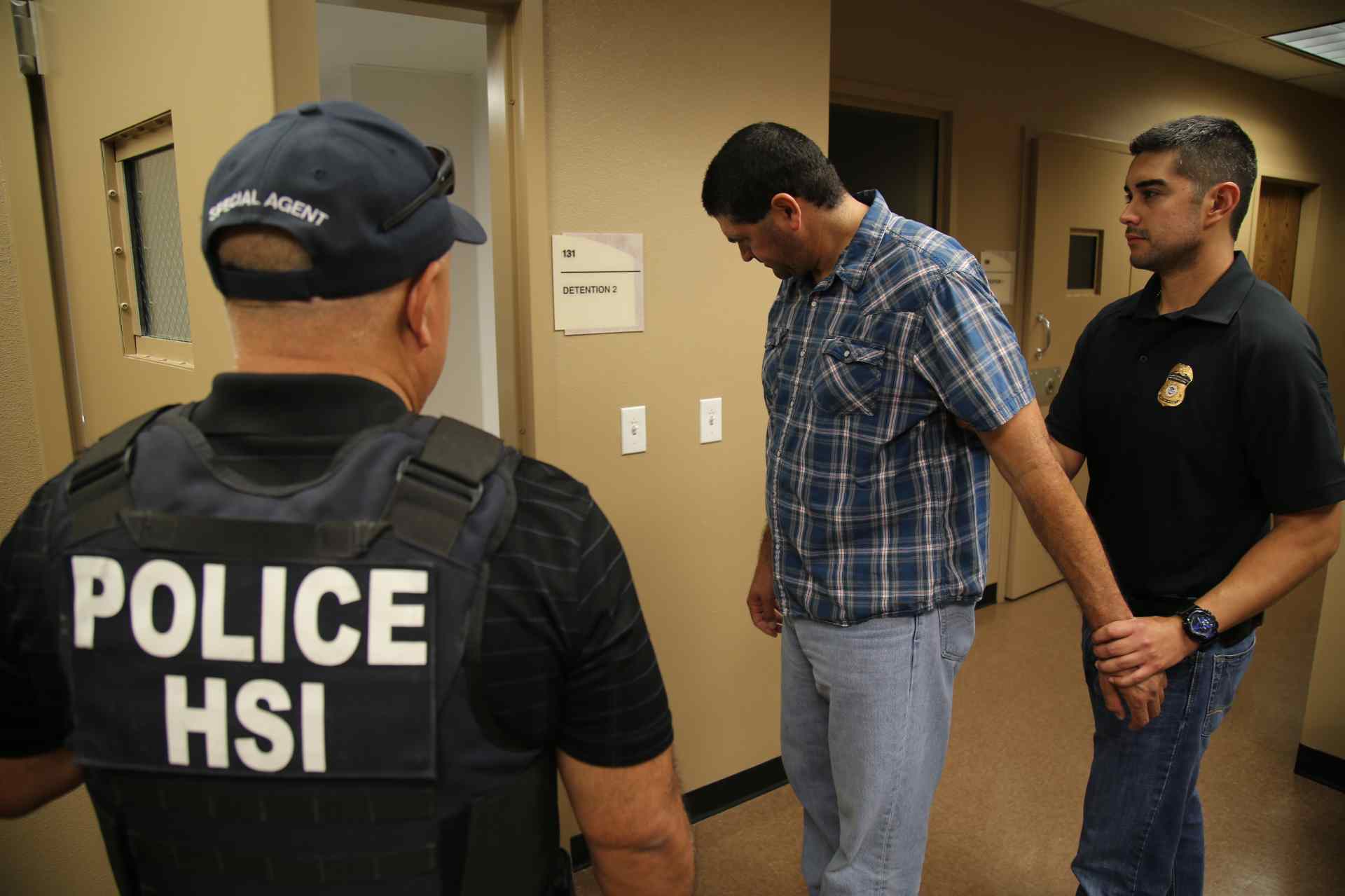
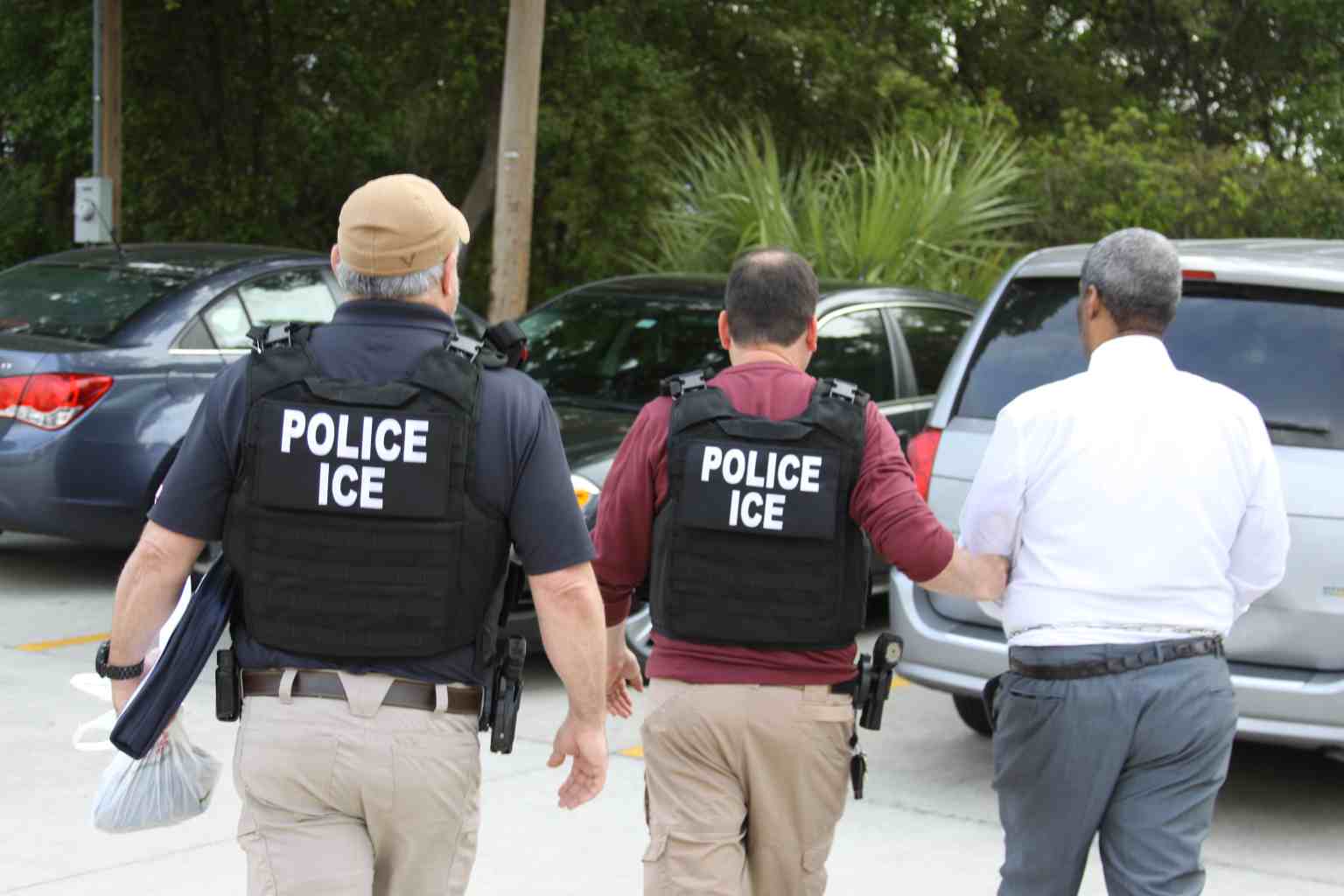
- Expedited removal has been expanded nationwide and applied countrywide, allowing Immigration and Customs Enforcement (ICE) to deport people without immigration court hearings based solely on a credible fear interview.
- The fast-track process, accelerated after January 20, 2025, targets interior arrivals and those paroled within two years, which advocates say strips due process for people who could qualify for protection.
- Raids in schools, hospitals, and communities have surged, fueling fear that deters crime reporting and medical care.
- Advocates warn of racial profiling as routine stops escalate into arrests; the administration defends these measures as necessary to deter irregular migration and manage a backlog that exceeded 1.4 million cases by late 2024.
Be aware that penalties can reach up to $5,000 for unauthorized crossings, and enforcement actions may occur without traditional hearings or clear final decisions.
Termination of humanitarian pathways and protections
The administration has terminated humanitarian pathways that previously offered alternatives to illegal crossings, narrowing options for people fleeing persecution and instability:
- Parole programs for Cubans, Haitians, Nicaraguans, and Venezuelans were terminated in early 2025, exposing recent parolees to immediate expedited removal.
- Temporary Protected Status (TPS) for over 300,000 Venezuelans was rescinded, pushing those beneficiaries toward deportation.
- Refugee resettlement has been indefinitely suspended for all but Afrikaners from South Africa — a carveout described in the article as a controversial exception criticized as discriminatory.
USCIS pause by country and related reviews
The USCIS asylum decision pause arrived as part of a wider set of restrictions aimed at nationals of specific countries. The agency paused processing nearly all applications, including asylum and green cards, for nationals of 19 countries:
| Countries subject to USCIS processing pause |
|---|
| Afghanistan |
| Burma (Myanmar) |
| Burundi |
| Chad |
| Republic of Congo |
| Cuba |
| Equatorial Guinea |
| Eritrea |
| Haiti |
| Iran |
| Laos |
| Libya |
| Sierra Leone |
| Somalia |
| Sudan |
| Togo |
| Turkmenistan |
| Venezuela |
| Yemen |
- Even after processing resumes, origin from those nations counts as a “significant negative factor” in adjudications, the article said.
- Officials are also reviewing and potentially reversing approvals granted since January 20, 2021 for individuals from those countries, with lists due within 90 days under a December 2, 2025 memorandum.
Travel bans and visa restrictions
Parallel to the USCIS pause, travel bans expanded sharply:
- Since June 9, 2025, full entry prohibitions have hit citizens of 12 countries, including Afghanistan, Haiti, and Yemen.
- Afghanistan visa issuance, including Special Immigrant Visas, stopped on November 28, 2025.
- On January 1, 2026, bans added Burkina Faso, Laos, Mali, Niger, Palestine, Sierra Leone, South Sudan, and Syria, while partial visa restrictions were imposed for 15 more African and Caribbean nations.
The article described the exceptions as narrow, limiting family reunifications and humanitarian entries and leaving fewer lawful channels for people who might otherwise seek refuge.
Fees, work authorization, and financial barriers
For those who do reach the United States and file, the administration has maintained and expanded a fee structure that creates steep barriers for people who often arrive with little money and cannot work for months.
Key fees and work-authorization points:
| Fee / Item | Amount / Note |
|---|---|
| Asylum application fee | $100 non-waivable (applies upfront) |
| Annual pending-case fee | $100 (applies regardless of whether delays are caused by government backlogs) |
| Unauthorized crossing penalty | $5,000 (described as a minimum; no asylum exceptions; can stack with criminal penalties) |
| Initial work authorization (minimum) | $550 (for asylum, parole, or TPS-based applicants) |
| Work authorization renewal | $275+ minimum (one-year limit) |
| Special Immigrant Juvenile cases | $250 minimum |
- Because USCIS is continuing to hold cases without decisions, the annual fee can continue accruing while applicants remain in limbo.
- Initial work permits for asylum seekers in category c)(8) remain processable within 30 days, the article said.
- Renewals have faced auto-extension halts since October 30, 2025, leaving some people without income when their documents expire.
USCIS has paused final asylum decisions; interviews still occur, but approvals/denials aren’t issued yet—don’t assume a favorable or final outcome will come soon.
Enforcement funding, deputization, and legal concerns
These fee and enforcement policies sit within a broader funding and enforcement picture:
- A $75 billion enforcement package through 2029, including $47 billion for wall construction.
- Expanded state and local law enforcement partnerships through broader 287(g) deputization for immigration arrests.
- $13.5 billion in reimbursements for states cooperating on walls, arrests, and enforcement; non-compliant jurisdictions risk federal fund cuts.
- A $1 billion military diversion raised Posse Comitatus concerns.
- The Department of Justice received $3.3 billion through 2029 for immigration prosecutions, echoing prior “zero tolerance” family separations.
Critics argue these structures can turn routine stops into deportation pipelines.
Legal challenges, obligations, and advocates’ concerns
Taken together, the administration’s actions have pushed asylum seekers into what the article described as a “deep freeze,” with the government keeping cases open but preventing resolution.
- Officials defend the policies as essential to deter irregular migration and manage the system, citing backlogs and enforcement demands.
- Advocates criticize the measures as violating U.S. obligations under the 1980 Refugee Act and the 1951 UN Refugee Convention, which the article said mandate asylum access regardless of entry method.
- Litigation has challenged some policies, the article said, though many have endured through appeals as the administration presses ahead with a strategy centered on deterrence and tighter controls.
The human toll includes prolonged uncertainty for people already in the system, families waiting in Mexico under “Remain in Mexico,” and applicants in the United States facing repeated check-ins, raids in sensitive spaces, and mounting costs while decisions remain frozen.
Parents have reported children terrified of “la migra,” and adults have described repeated fingerprints and resets that leave them “starting from zero.”
Practical choices and stakes for asylum seekers
With ports of entry effectively blocked, decisions paused, and bans widening, the practical choices for many asylum seekers have narrowed to:
- Waiting in Mexico under Remain in Mexico conditions, facing safety risks and limited services.
- Attempting irregular—and dangerous—crossings that can trigger the $5,000 unauthorized crossing penalty.
- Remaining in the United States with fees accumulating, work-authorization instability, repeated enforcement encounters, and no end date for a final decision.
The U.S. government has frozen final asylum adjudications while simultaneously tightening border enforcement through port closures and expanded travel bans. New financial penalties and the termination of humanitarian parole programs for several nations have narrowed legal pathways. Meanwhile, nationwide expedited removals and increased law enforcement partnerships have escalated interior enforcement, leaving over 1.4 million pending cases in a state of indefinite suspension.