- President Trump ordered ICE agents to airports to assist TSA amid a partial DHS shutdown.
- Staffing shortages and unpaid officers have caused security wait times to exceed two hours.
- Democrats and civil rights groups oppose the deployment over accountability and racial profiling concerns.
President Donald Trump announced on March 22, 2026, that ICE agents would deploy to U.S. airports starting Monday, March 23, to help TSA during the partial Department of Homeland Security shutdown, ordering them to prepare immediately as long lines and staffing losses spread through major airports.
“On Monday, ICE will be going to airports to help our wonderful TSA Agents who have stayed on the job despite the fact that the Radical Left Democrats. are endangering the USA by holding back the money.”
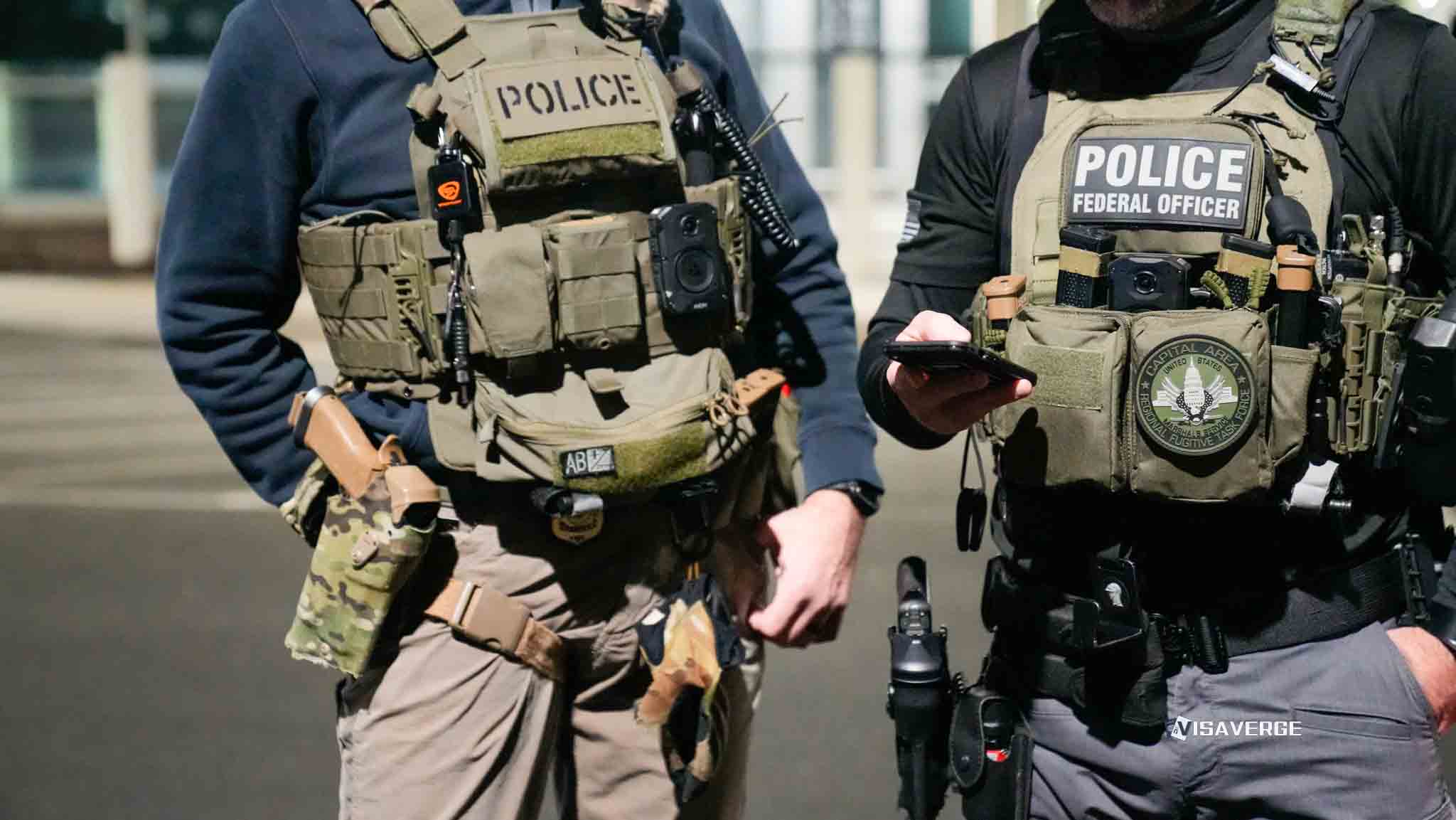
Trump said on Sunday, and he also said he would “greatly appreciate” if ICE agents do not obscure their identities while assisting TSA agents. The move inserts immigration enforcement officers into airport operations as an emergency response to a shutdown-driven staffing crunch, not as a routine change in screening policy. It also lands in the middle of a bitter funding fight over ICE reform, visible identification, no masks, and whether agents should need warrants during enforcement.
The partial DHS shutdown began in mid-February 2026 after disagreements over ICE reforms following the fatal shootings of Alex Pretti and Renee Good by ICE agents in Minneapolis in January 2026. Since then, strain on airport screening has mounted as TSA tries to keep checkpoints open with unpaid staff and rising absences.
Between 366-400 officers have quit since the shutdown started. The shutdown has also left 50,000 TSA officers unpaid for the third time in six months, while record callouts have cut screening capacity and deepened pressure on the remaining workforce.
Passengers have already felt the impact. Wait times reached up to 150 minutes at George Bush Intercontinental Airport in Houston, climbed to over 2 hours at Hartsfield-Jackson Atlanta International, and ran 35-45 minutes at LaGuardia in New York and Miami International.
Those delays have turned the political fight in Washington into a daily disruption for travelers. Julie Curtis and her family waited 4 hours at the Atlanta airport and missed their flight, and her husband has a heart condition.
Trump sharpened his rhetoric a day before the deployment. On Saturday, he threatened action including “the immediate arrest of all Illegal Immigrants who have come into our Country, with heavy emphasis on those from Somalia,” and added, “I look forward to moving ICE in on Monday. ‘GET READY.’ NO MORE WAITING, NO MORE GAMES!”
Democrats said the airport deployment cannot be separated from the larger dispute over how ICE agents identify themselves and conduct enforcement. Their demands in the shutdown talks include an end to indiscriminate stops and racial profiling, stronger accountability for violence, visible identification for agents, no masks, and warrant requirements.
“Oh yeah, I’m sure the next thing the American people want after long lines at TSA is to get wrongfully detained, beat up, and harassed by ICE. No blank check for ICE. We need reform & accountability. In the meantime, how about you tell Republicans to just vote to pay TSA,”
Sen. Patty Murray, D-Wash., Senate Appropriations vice chair, tied those demands directly to the airport plan. Sen. Chuck Schumer, D-N.Y., the Senate Minority Leader, said the White House had not moved far enough in the negotiations.
“They haven’t budged on those. They’ve got to get serious,”
Civil liberties groups said the plan risked changing the atmosphere inside airports, where passengers already face stress, screening delays and uncertainty. Naureen Shah, ACLU director of policy and government affairs for immigration, said the proposal ran counter to what the American people want.
“Never in our history has a president deployed armed agents to the airport to inspire fear among families. This is the exact opposite of what the American people are clamoring for, which are real, enforceable changes to rein in ICE and Border Patrol’s cruel deportation and detention obsession.”
Labor criticism followed a similar line, though from a workplace angle. The TSA union president slammed the idea and said TSA officers deserved pay, not replacement by “untrained armed agents who have shown how dangerous they can be.”
Republicans and administration officials defended the deployment as a practical step to keep airports working during the shutdown. Transportation Secretary Sean Duffy warned that small airports may close temporarily and said spring break was worsening delays for families.
“The airport in Minnesota is about to be a ghost town.”
Rep. Lauren Boebert, R-Colo., put the issue in blunt political terms when she said the comment reflected the administration’s argument that the disruption from the shutdown now reaches far beyond Capitol Hill and into basic travel operations.
The White House has offered some concessions in the talks. Those include expanding body cameras, limiting enforcement at sensitive locations such as schools and hospitals, and requiring visible identification. But the administration has refused the broader Democratic push for blanket no-mask rules and warrant requirements.
That gap remains central to the standoff, because Democrats frame visible identification and unmasking as accountability measures, while the White House has not accepted those terms in full. That divide has kept the shutdown unresolved even as airport pressure grows, with Democrats wanting rules that would change how ICE agents operate in public and the administration arguing it must preserve operational flexibility.
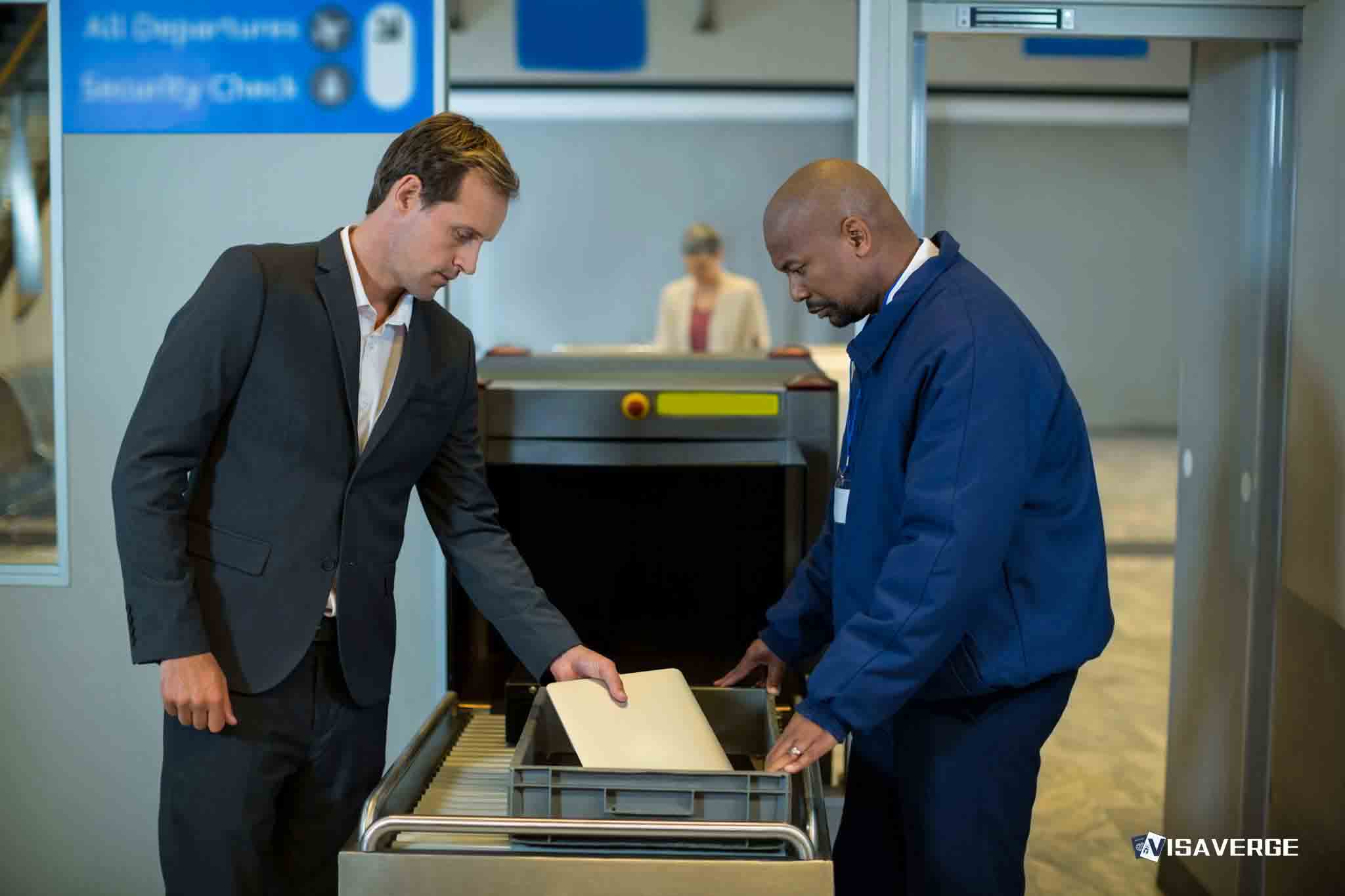
The airport deployment has also raised questions about what ICE agents will actually do once they arrive. ICE agents do not ordinarily perform airport security screening functions, though officials have said they operate similar machines at the southern border and will receive some training before Monday.
Tom Homan, Trump’s border czar, said the airport plan would be nationwide. Even so, not every airport will be affected in the same way, because some airports that use private security, including Kansas City and San Francisco international, fall outside the standard TSA staffing model.
Officials said the deployment would begin at “hotspot” airports on March 23. They had not released a confirmed public list by that date, leaving travelers, airport workers and local officials to wait for details on where ICE agents would appear first.
Congress is set to revisit the shutdown’s airport fallout almost immediately. The House Homeland Security Committee has scheduled a hearing for Wednesday, March 24, to examine the impact of the shutdown on operations.
The timing matters because airport screening is one of the most visible points of federal contact for millions of people. Adding armed immigration officers to that environment, while debates continue over masks, identification and use of force, widens the dispute beyond a budget fight and into day-to-day travel.
Critics said the plan could leave passengers unsure about who is screening them, who is enforcing immigration law and what standards apply in encounters at checkpoints. Those concerns intensified because Democrats have made visible identification and no masks central demands in the funding talks, and because the White House rejected those demands in full.
The administration has framed the move differently, as a response to an immediate staffing emergency. With TSA officers working without pay and some quitting, officials have argued that extra federal personnel are needed to keep airport lines moving and to prevent the shutdown from shutting terminals in practice even if airports remain formally open.
For TSA workers, the dispute is personal as well as political. One TSA officer described the strain of reporting to work without a paycheck while airport tensions rise around them.
“It’s a very stressful and frustrating knowing that I’m still expected to work without pay. I’ve had to stretch every dollar. rely on help from my family,”
That frustration has become part of the shutdown’s broader cost. Officers have continued screening passengers while waiting through their third period of unpaid work in six months, and travelers have faced growing uncertainty about wait times, changing procedures and who they may encounter in the checkpoint line.
Travelers now head into airports not knowing whether they will face a routine security process, a long delay, or an interaction with ICE agents who have been pulled into a job they do not usually perform. For critics, that raises fear and privacy concerns in an already tense setting; for the administration, it is the price of keeping checkpoints staffed while the funding fight drags on.
By Monday, the shutdown had turned the nation’s airport line into the latest front in the fight over immigration enforcement. And for the TSA officer still showing up without pay, the dispute had already narrowed to a daily reality: “It’s a very stressful and frustrating knowing that I’m still expected to work without pay. I’ve had to stretch every dollar. rely on help from my family.”