The future of American Nobel Prizes in science is coming under pressure as President Trump’s immigration rules make it harder for immigrant scientists to work and stay in the United States 🇺🇸, according to legal and policy analyses released for the 2025 award season. In 2025, half of all U.S.-affiliated Nobel laureates in physics, chemistry, and medicine were immigrants, a striking reminder of how much the country’s top scientific honors depend on foreign-born researchers.
Yet experts say a web of restrictive visa rules, steeper fees, travel bans and funding cuts now threatens the pipeline that brought many of those laureates to U.S. labs in the first place.
Main visa concern: H-1B and proposed fee hikes
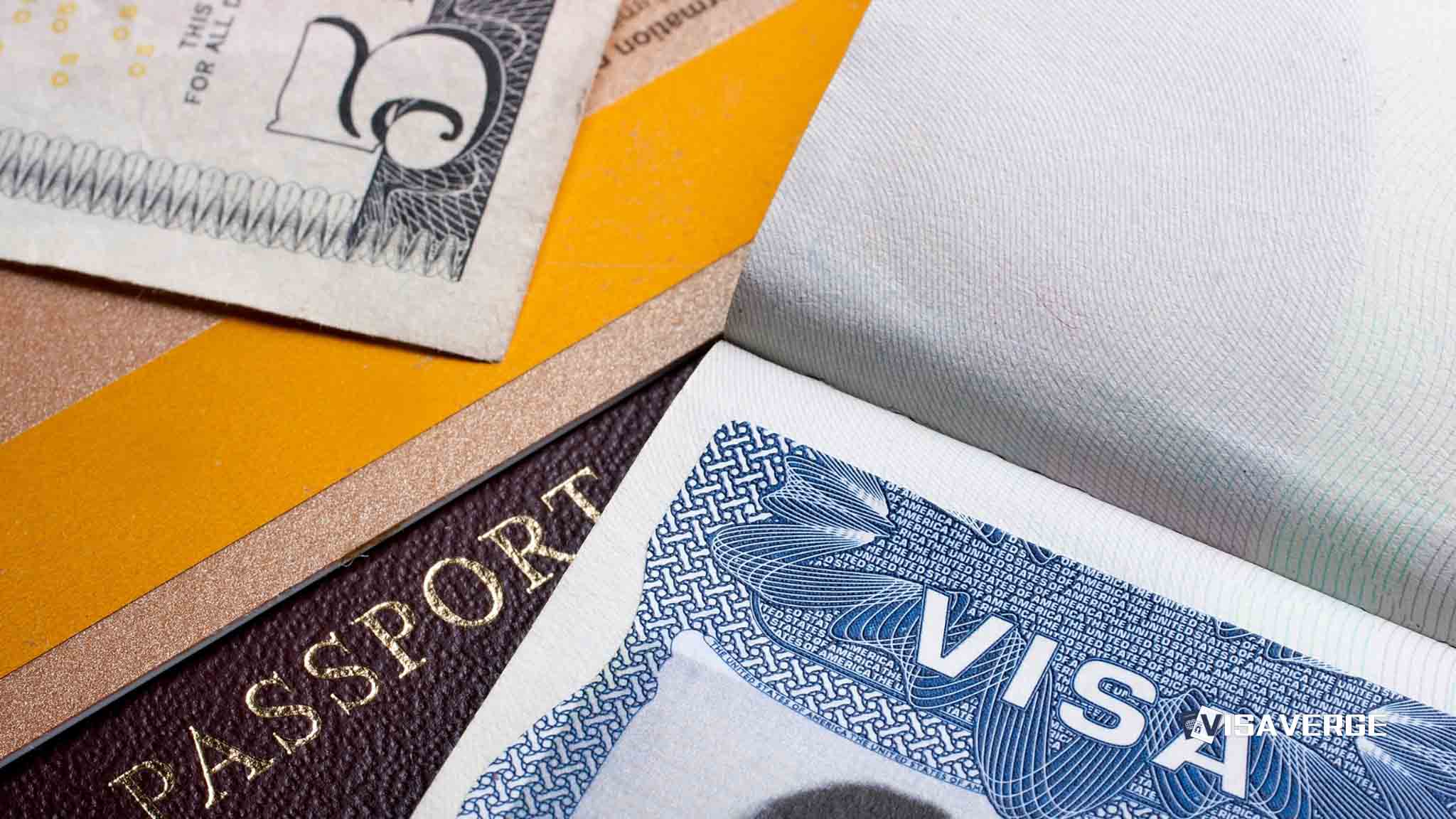
At the center of concern is the H-1B visa, the main temporary work visa for highly skilled workers, including many postdoctoral researchers, engineers, and junior faculty members in science and medicine.
- Policy analysts describe Trump-era proposals that could impose a $100,000 fee for each H-1B visa application — a huge jump from current filing costs.
- Immigration lawyers warn that such a fee would put research jobs out of reach for many universities, start-ups, and smaller labs that depend on international talent but operate on tight budgets.
Analyses and broader policy interactions
The American Immigration Lawyers Association and the Migration Policy Institute have examined how these policies interact and reach a stark conclusion: the new rules and costs could sharply cut the flow of scientists and engineers into the country.
- Their work shows that this flow has been central to U.S. scientific leadership for decades, feeding not only Nobel Prizes but also breakthrough industries.
- VisaVerge.com reports that legal practitioners now see growing anxiety among young researchers abroad who once saw the United States 🇺🇸 as the automatic first choice for study and work, but are now considering other destinations.
Travel bans, vetting and practical impacts
Expanded visa vetting and a series of travel bans add extra layers of uncertainty.
- The Trump administration’s rules have targeted nearly 19 countries with bans or heavy restrictions, making it far harder for students, postdocs, and senior scientists from those nations to attend conferences, start research posts, or return from visits home.
- Even applicants not from banned countries face tougher security checks and longer waits.
- For time-sensitive scientific fields, where missing a semester or a grant deadline can derail a project, these extra delays can quietly push immigrant scientists to laboratories in countries with smoother entry rules.
Historical parallels and systemic concerns
Policy experts draw historical comparisons to illustrate potential long-term consequences.
- Analysts say the restrictions echo the 1924 Immigration Act, which blocked many talented European scientists from entering the United States 🇺🇸 during the early twentieth century.
- Historians link that wave of exclusion to slower growth in some American research fields, especially compared with Europe’s scientific rise between the wars.
- By contrast, the 1965 Immigration and Nationality Act, which removed many discriminatory quotas, helped open U.S. universities and laboratories to a much broader global pool of talent and laid the groundwork for a golden age of American discovery.
Experts fear the current climate is steering the country back toward that older isolation.
If fewer immigrant scientists choose U.S. graduate schools and H-1B positions, the impact will be felt most sharply in frontier fields such as quantum computing and biotechnology, where multinational teams often produce breakthrough discoveries.
When those teams move to other research hubs, analysts say, the patents, start-ups and, eventually, Nobel Prizes move with them.
Funding cuts and the double hit
Cuts to research funding under the Trump administration add another barrier.
- Grants help immigrant scientists secure H-1B visas and later permanent residence by proving that their work serves important U.S. interests.
- When agencies reduce support for basic and applied research, universities hire fewer researchers and sponsors file fewer H-1B petitions.
- Immigration lawyers say this double hit — higher visa costs plus weaker funding — can tip the balance for an early-career scientist choosing between a U.S. offer and one in another country that promises stable support.
Family policies and the “public charge” test
Another rule worrying families is the Trump team’s decision to reinstate and expand the “public charge” test.
- Under this policy, immigrants who use public benefits such as SNAP or Medicare can be penalized when they apply for green cards.
- Legal advocates say the change has created fear among immigrant scientists and their families, who may avoid health care or food support even when eligible.
- For researchers on tight salaries in expensive cities, this fear adds stress and makes academic careers in the United States 🇺🇸 less attractive.
Arguments from supporters of stricter rules
Supporters of the tougher rules argue they are needed to protect American workers and tighten security, and they point to the high demand for H-1B visas as evidence companies rely too heavily on foreign labor.
- Analysts from the American Immigration Lawyers Association and the Migration Policy Institute counter that immigrant scientists usually fill highly specialized roles rather than displace local workers.
- These researchers often create new jobs by starting companies, winning large grants, and building laboratories that employ technicians, administrators, and support staff.
Universities, career pathways, and the chain to Nobel-level science
University leaders warn of a strong link between open immigration policies and the country’s record in Nobel-level science.
- Many immigrant Nobel laureates arrived first as students on F-1 visas, then moved into H-1B positions in U.S. universities or research centers, later becoming permanent residents and citizens.
- When any part of that chain weakens, universities say, future laureates may never set foot in an American classroom or laboratory.
Typical pathway for immigrant researchers
- Arrive as a student (often on an F-1 visa).
- Move into an H-1B research or academic position.
- Obtain permanent residency and possibly citizenship.
- Continue a research career that may lead to major discoveries and prizes.
Official guidance and where to learn more
Official U.S. government information about the H-1B category, including current fees and rules, is available on the U.S. Citizenship and Immigration Services website, which describes the program for “specialty occupations” in detail on its H-1B page.
- Immigration attorneys encourage scientists and employers to follow that guidance closely.
- Policy shifts can happen faster than formal law changes and can shape how officers decide each case.
Monitor official guidance on H-1B and public charge policies, since shifts can occur faster than laws change. Stay in close contact with your university’s international office for timely compliance.
What the 2025 Nobel season statistics show
For now, the statistics from the 2025 Nobel season highlight how much is at stake.
- With immigrant scientists making up 50% of the U.S.-affiliated laureates in physics, chemistry, and medicine, the awards show how deeply foreign-born researchers are woven into the fabric of American science.
- Analysts warn that if current immigration rules continue to discourage global talent from studying and working in the country, the loss will not be visible immediately but will emerge over years.
- The decline would appear as fewer immigrant names on major papers, patents, and, eventually, Nobel Prize announcements.
Legal and policy analyses show Trump-era immigration proposals — notably potential $100,000 H-1B fees, expanded vetting, travel bans affecting about 19 countries, and funding cuts — could sharply reduce the flow of immigrant scientists to U.S. institutions. Immigrants accounted for half of 2025 U.S.-affiliated Nobel laureates in physics, chemistry and medicine. Experts warn higher costs and uncertainty will push talent to other research hubs, undermining future American leadership in frontier fields like quantum computing and biotechnology.