Trump to Unleash New Tariffs, Warns Trading Partners of ‘Dollar for Dollar’ Match
Former President Donald Trump announced plans to unveil new reciprocal tariffs during a press conference, signaling another major shift in U.S. trade policy. The reciprocal tariffs would match the higher rates that other nations charge to import American goods, following Trump’s core principle of “if they charge us, we charge them.” This announcement comes on the heels of other recent tariff implementations, including a 10% across-the-board tariff and stricter 25% tariffs on steel and aluminum.
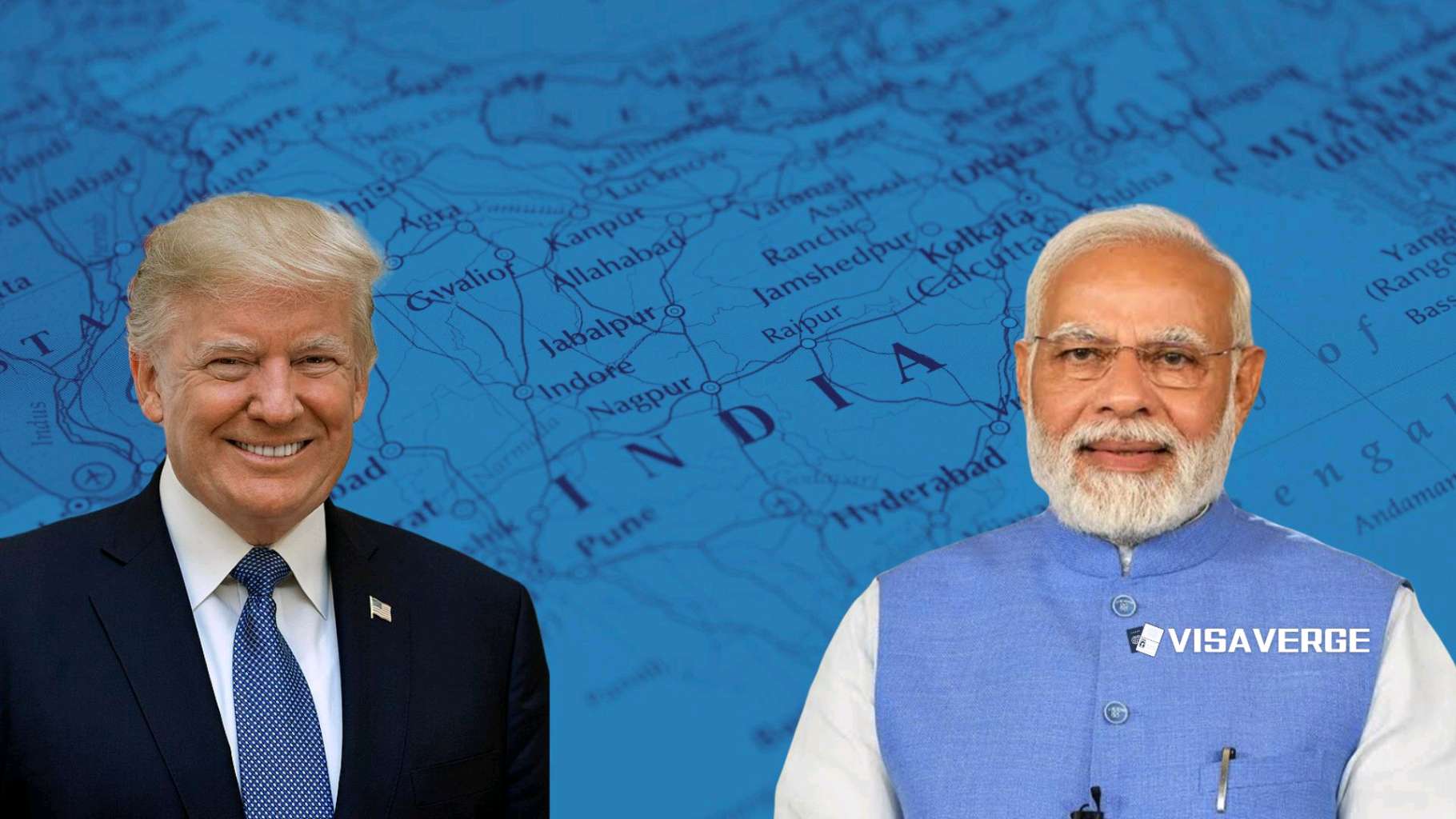
The timing of the announcement coincides with Indian Prime Minister Narendra Modi’s visit, particularly significant as India could be among the countries most affected by these new tariffs. World Bank data shows that in 2022, while the U.S. averaged a 3% tariff rate on Indian imports, India maintained a 9.5% rate on U.S. goods. However, Trump’s economic advisers, including Peter Navarro and Kevin Hassett, have suggested that the announcement might focus on launching an investigation into implementing reciprocal tariffs rather than immediate implementation.
The economic impact of these tariffs could be substantial for American consumers. According to Peterson Institute researchers, if Trump proceeds with planned 25% tariffs on Mexico and Canada (currently delayed until March 1), combined with other tariffs, the typical American household could face over $1,200 in additional costs annually. Critics, including the Wall Street Journal editorial board and Senator Mitch McConnell, have expressed concern about the potential economic consequences, particularly as inflation has started to rise again.
McConnell Warns: Trump’s Tariffs Could Cost Kentucky Families $1,200 a Year
Senate Republican Mitch McConnell has issued a stark warning about the economic impact of President Trump’s proposed tariffs on Kentucky residents and businesses. According to estimates, the average Kentuckian could face up to $1,200 in additional annual costs due to the tariffs, while local businesses are already reporting price increases from their suppliers. The impact is particularly concerning for Kentucky’s economic pillars, including 75,000 family farms, the bourbon industry which produces 95% of the world’s supply, and the auto industry that relies heavily on global supply chains.
The effects of these tariffs extend beyond individual consumers, threatening Kentucky’s robust international trade relationships. Nearly every Kentucky county hosts at least one international business, with foreign companies supporting approximately 100,000 jobs across the commonwealth. Canada and Mexico, two primary targets of the new tariffs, purchase nearly $10 billion in manufactured goods and $300 million in agricultural exports from Kentucky annually. In response to the tariffs, Canada has already announced retaliatory measures specifically targeting Kentucky products like peanut butter and whiskey.
While acknowledging the need to address unfair trade practices, particularly from countries like China, McConnell argues that trade wars with allies ultimately harm American workers the most. He points to the success of previous trade agreements like USMCA, which helped level the playing field for American workers while maintaining crucial international partnerships. The senator emphasizes that strengthening relationships with allies, rather than imposing broad tariffs, is essential for preserving American prosperity and security.