- President Trump paused tariffs on eight countries following a pivotal meeting with NATO’s Mark Rutte in Davos.
- The administration reached a preliminary framework for Greenland and the broader Arctic region to ensure alliance cohesion.
- A high-level team including Vance, Rubio, and Witkoff will lead ongoing negotiations regarding Arctic security and trade.
(DAVOS, SWITZERLAND) — President Donald Trump paused tariffs on eight European countries on Wednesday, saying he reached a
after meeting NATO Secretary General Mark Rutte on the sidelines of the World Economic Forum.“framework of a future deal with respect to Greenland and, in fact, the entire Arctic Region”
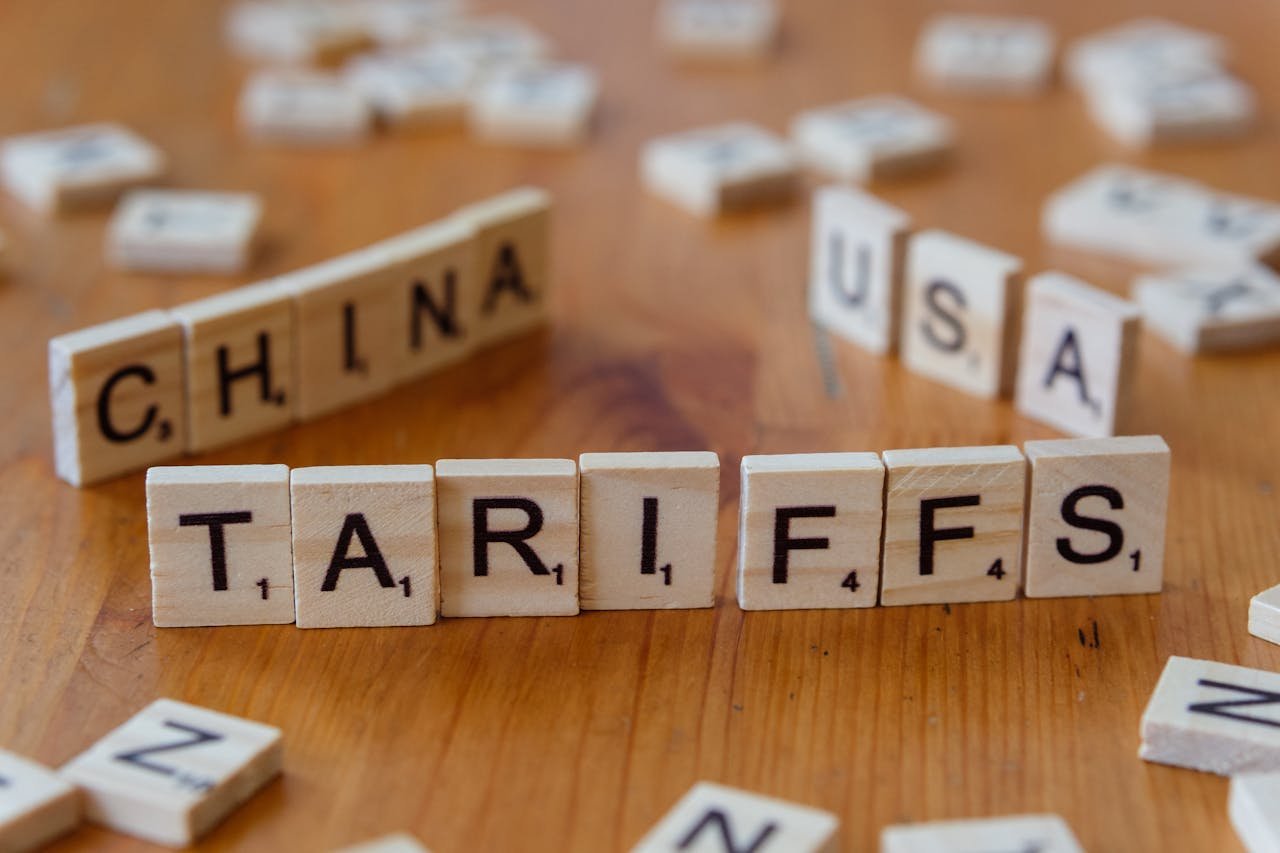
January 21, 2026 — Trump announced the pause on January 21, 2026, halting tariffs that were scheduled to begin on February 1, 2026, after linking the planned Tariffs to disputes tied to Greenland and wider Arctic issues.
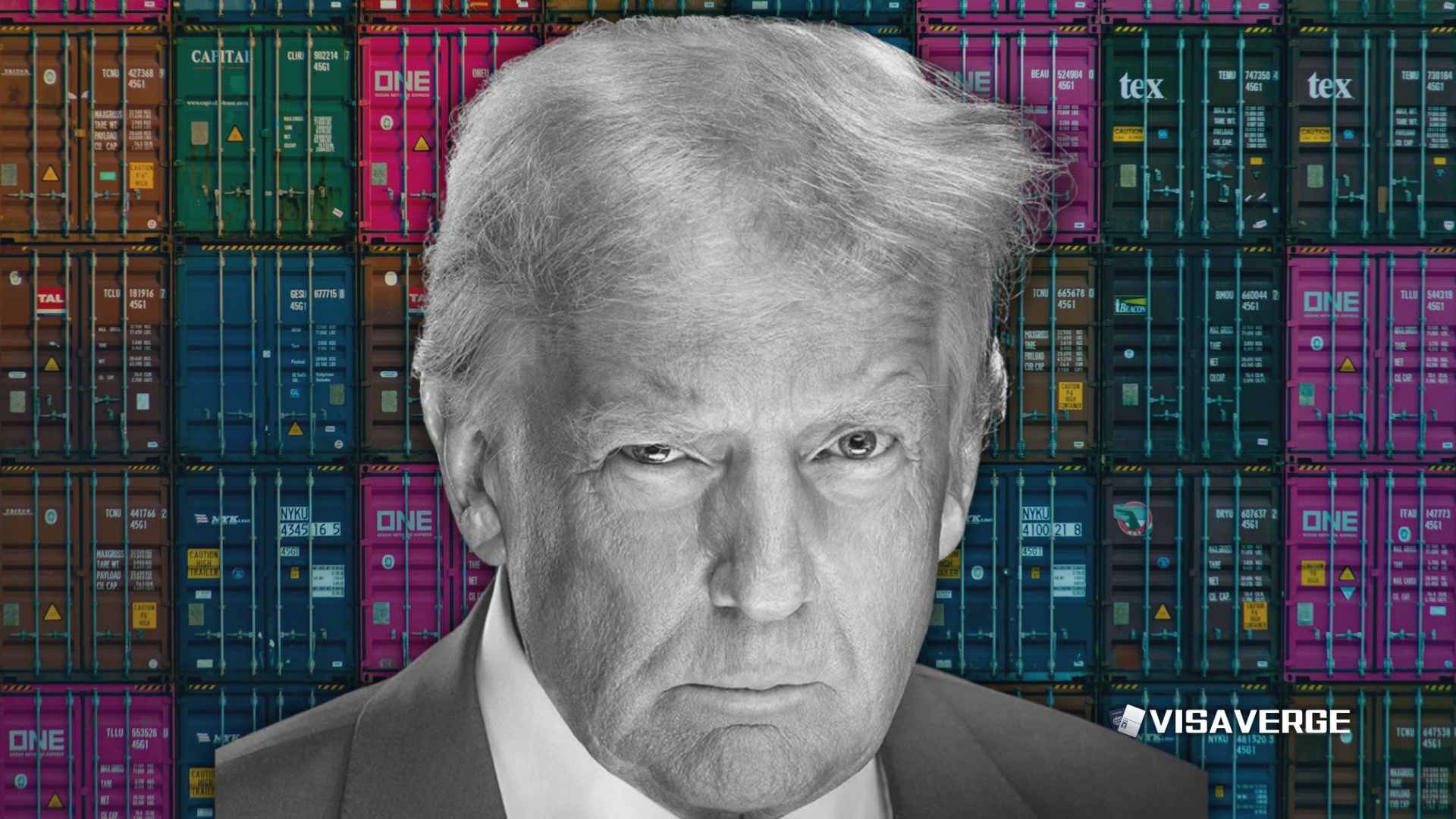
In a post on Truth Social, Trump described the framework as
He tied the decision directly to the understanding reached with Rutte:“a potential “great one for the United States of America, and all NATO Nations.”
“Based upon this understanding, I will not be imposing the Tariffs that were scheduled to go into effect on February 1st.”
The pause followed a public Davos backdrop in which Trump and Rutte met while political and economic leaders gathered for the annual forum, with the administration casting the tariff threat as leverage amid alliance friction over Greenland and Arctic priorities.
Trump presented the framework as a reason to hold off on the tariff plan while talks continue, casting the agreement-in-principle language as aligned with U.S. interests and NATO cohesion.
was the centerpiece of Trump’s message, with his post portraying it as advantageous for Washington and the alliance.“The framework of a future deal with respect to Greenland and, in fact, the entire Arctic Region”
Trump also signaled that negotiations would keep going, including discussions on “The Golden Dome as it pertains to Greenland.”
The president named three senior U.S. officials as leading negotiators, indicating the issue spans diplomacy, security and trade pressure in how the administration is handling Greenland-related tensions.
Vice President JD Vance, Secretary of State Marco Rubio and special envoy Steve Witkoff will lead the talks, Trump wrote, adding that Witkoff will “report directly to me.”
The lineup underscored how the White House is pairing top-level foreign policy and national security officials with a special envoy tied personally to Trump, as the administration frames the Greenland dispute inside a broader Arctic and NATO context while keeping Tariffs on the table as a policy tool.
Trump’s announcement linked the tariff pause to negotiations that touch both the alliance and trade relationships, without releasing final terms or a detailed agreement text.
The threatened Tariffs had targeted eight European countries that the administration tied to Greenland-related tensions and wider Arctic disputes. The scope mattered for allied relations, given that several of the countries cited sit on the Arctic’s rim and play roles in NATO’s northern posture.
The countries cited as primarily Arctic-bordering NATO members included Denmark, Finland, Sweden, Norway and Iceland, according to the details provided. The list also included Canada, though Canada is not European, and referred to others implicated in Greenland and Arctic disputes without naming them.
By pausing the plan ahead of its scheduled start date, Trump introduced fresh uncertainty for the countries that had faced imminent trade penalties, while leaving open the possibility of rapid policy shifts if talks falter or the administration decides the framework does not deliver.
Rutte has emphasized Arctic security as Russia and China expand their presence there, in remarks that intersect with alliance cohesion and the kinds of economic measures leaders sometimes use when disputes spill beyond defense and diplomacy.
In the same Davos context, Rutte pointed to NATO’s footprint among Arctic-bordering countries, highlighting that most of the Arctic’s coastal states sit inside the alliance’s security structure.
The dispute over Greenland has fed into that conversation, because Greenland sits at the intersection of Arctic geography, national control questions and NATO’s strategic planning, and the White House has sought to connect those threads to trade friction.
Trump’s comments also played out against sharp exchanges over who speaks for Denmark and how directly the president engages officials beyond his preferred interlocutors.
In a Davos exchange captured on video, Trump dismissed secondhand reports that Denmark’s foreign minister had rejected negotiations over Greenland, pushing back at the idea he should accept such accounts as definitive.
“I didn’t call him. if he wants to tell me, he’ll tell me that to my face.”
Trump also elevated his conversation with Rutte above other channels, saying talking with the NATO chief was
“frankly more important.”
That emphasis suggested the administration wants the NATO secretary general positioned as a central point of contact for discussions that touch Greenland and the Arctic, at least in the public messaging Trump chose in Davos.
Rutte, appearing in a panel moderated by Sarah Kelly, stressed resolving the Greenland issue amicably while prioritizing Ukraine and NATO’s Arctic defense, and he credited Trump with pushing European allies to strengthen defenses.
The panel remarks reinforced how alliance leaders are trying to keep the Greenland dispute from widening into deeper fractures, even as Trump uses Tariffs and trade threats as part of his pressure campaign and negotiation posture.
Trump’s own framing portrayed the pause as contingent on progress toward a future deal, rather than a permanent reversal, and he presented it as an extension of a broader understanding with NATO partners.
The issue has carried political weight because Trump’s announcement addressed tensions over U.S. interest in controlling Greenland from Denmark, while also seeking to ease broader NATO and trade frictions, according to the details described in the account of the development.
Even with the pause in place, no final deal terms have been released, and Trump’s statement made clear that negotiations continue, including discussions that he linked to Greenland and the Arctic.
Rutte’s public call for an amicable resolution, paired with his focus on Ukraine and Arctic defense, provided a diplomatic counterweight to the trade threat that had hovered over the eight countries, while leaving the next moves in Tariffs policy in Trump’s hands.
The developing dispute now hinges on whether the “framework of a future deal” Trump described turns into a concrete agreement, with the president saying only that he would not impose the Tariffs that had been scheduled to take effect on February 1st.