Key Takeaways
• DHS eliminated the 2011 directive protecting schools, hospitals, and churches from immigration enforcement on February 4, 2025.
• Policy changes raise fears among undocumented families, deterring access to education, healthcare, and religious services due to potential arrests.
• Advocacy groups and community organizations are expanding legal support and sanctuary policies to mitigate risks and support affected families.
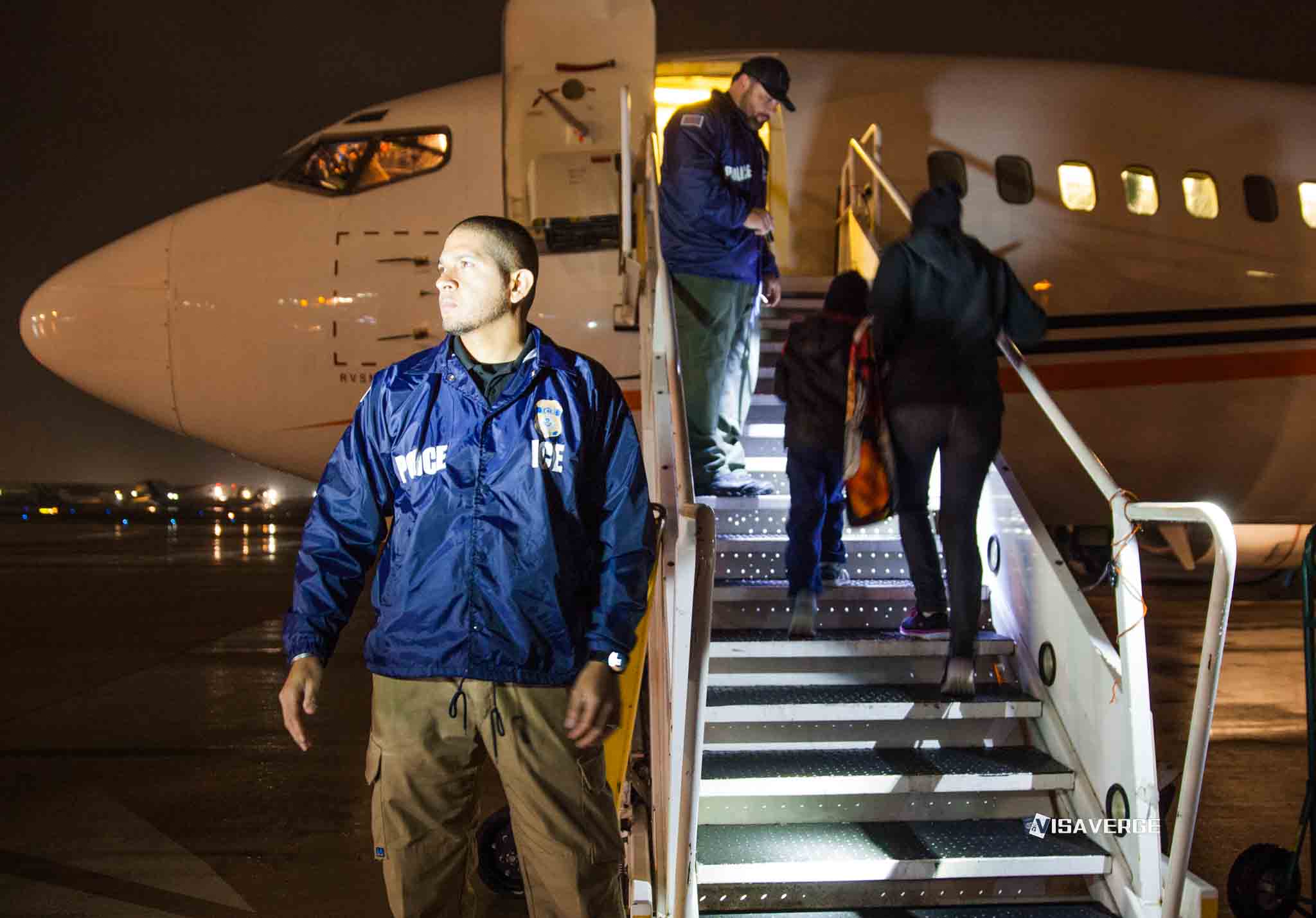
The recent changes to immigration enforcement policies under President Donald Trump have sparked widespread concern among undocumented immigrant communities in the United States 🇺🇸. On February 4, 2025, the Department of Homeland Security (DHS) announced the removal of a 2011 directive that previously barred immigration arrests in sensitive areas such as schools, hospitals, and churches. These places had been viewed as “protected areas,” offering undocumented individuals some confidence that they could seek essential services without fear of detention. However, the rescission of these protections has left many families facing difficult decisions about their daily lives, prompting fears that accessing vital services could put them at risk.
Effects on Schools
Schools were previously viewed as safe spaces for all children, including those from undocumented families. The prior policy prohibited agents from Immigration and Customs Enforcement (ICE) and Customs and Border Protection (CBP) from conducting enforcement actions on school grounds. This allowed children to attend classes without the constant fear that their parents or caregivers might face arrest during drop-off or pick-up times. With the rollback of this safety measure, schools are no longer guaranteed as protected zones, and the impact on student attendance is becoming a major concern.
Parents who are undocumented may now hesitate to send their children to school for fear of being arrested outside the school gates. Teachers and administrators worry that this could result in fewer children attending school, missing out on critical learning opportunities. Missing school in fear of immigration raids can have long-term educational and emotional effects on students. In addition to those directly impacted, other students might also feel the ripple effects of anxiety in the school environment, particularly in areas with a high population of immigrant families.
Some school districts are now working to reassure families that they remain committed to supporting undocumented students. Proposals such as adopting “sanctuary school” resolutions would confirm policies that safeguard student information and limit cooperation with immigration enforcement. These efforts reflect deep concern for students’ safety, though it’s unclear how effective these actions might be in countering federal immigration policy changes.
| India | China | ROW | |
|---|---|---|---|
| EB-1 | Apr 01, 2023 ▲31d | Apr 01, 2023 ▲31d | Current |
| EB-2 | Jul 15, 2014 ▲303d | Sep 01, 2021 | Current |
| EB-3 | Nov 15, 2013 | Jun 15, 2021 ▲45d | Jun 01, 2024 ▲244d |
| F-1 | May 01, 2017 ▲174d | May 01, 2017 ▲174d | May 01, 2017 ▲174d |
| F-2A | Feb 01, 2024 | Feb 01, 2024 | Feb 01, 2024 |
Healthcare Challenges
For years, hospitals were considered neutral spaces where anyone—regardless of immigration status—could seek medical care without fear of enforcement actions. With the new policy removing hospitals and medical facilities from the list of protected areas, this has already raised alarms among undocumented individuals and healthcare providers alike. Public health professionals warn that fears of ICE enforcement could deter people from seeking necessary medical care. This includes both urgent situations, such as childbirth or serious illness, and routine care that helps prevent the spread of disease.
Undocumented families may avoid emergency rooms and clinics even in life-threatening situations, fearing that they or their loved ones might be arrested upon arrival. This reluctance can lead to undiagnosed illnesses or untreated medical conditions spreading within communities. Importantly, this policy change doesn’t just affect undocumented individuals. Broader public health could also be at greater risk if contagious diseases go unreported or untreated due to reduced healthcare access.
Healthcare providers are evaluating how to address these concerns. Some hospitals may introduce stronger privacy protections, focused on safeguarding undocumented patients’ information. As reported by VisaVerge.com, healthcare workers in immigrant-heavy communities are preparing to balance compliance with federal law and their moral obligation to provide care for all patients.
Religious Communities Feel the Impact
Churches and other places of worship often act as safe havens for undocumented immigrants. They not only provide spiritual guidance but sometimes offer shelter, food, and legal advice to people in need. In the past, these institutions had the guarantee of being off-limits to immigration enforcement under the “sensitive locations” directive. Now, however, ICE agents are allowed to enter and potentially conduct actions at religious sites.
Fear of enforcement may discourage undocumented families from attending services or reaching out for support. Nearby immigrant families heavily rely on religious institutions, and losing access to them could deepen isolation, increase distrust, and strain already vulnerable households. For many, these institutions served as cornerstones of their daily lives, protecting them in uncertain times. The rescission of protected status for churches threatens to sever an essential lifeline.
Balancing Public Safety with Immigration Enforcement
Officials from the DHS argue that the rollback is a necessary tool to enhance public safety and remove barriers previously in place for law enforcement. According to the DHS, the new policy enables ICE and CBP officers to apprehend individuals who may pose significant threats, such as those involved in violent criminal activities. DHS representatives also claim that these measures prevent individuals from abusing the safety of protected zones to avoid lawful arrests.
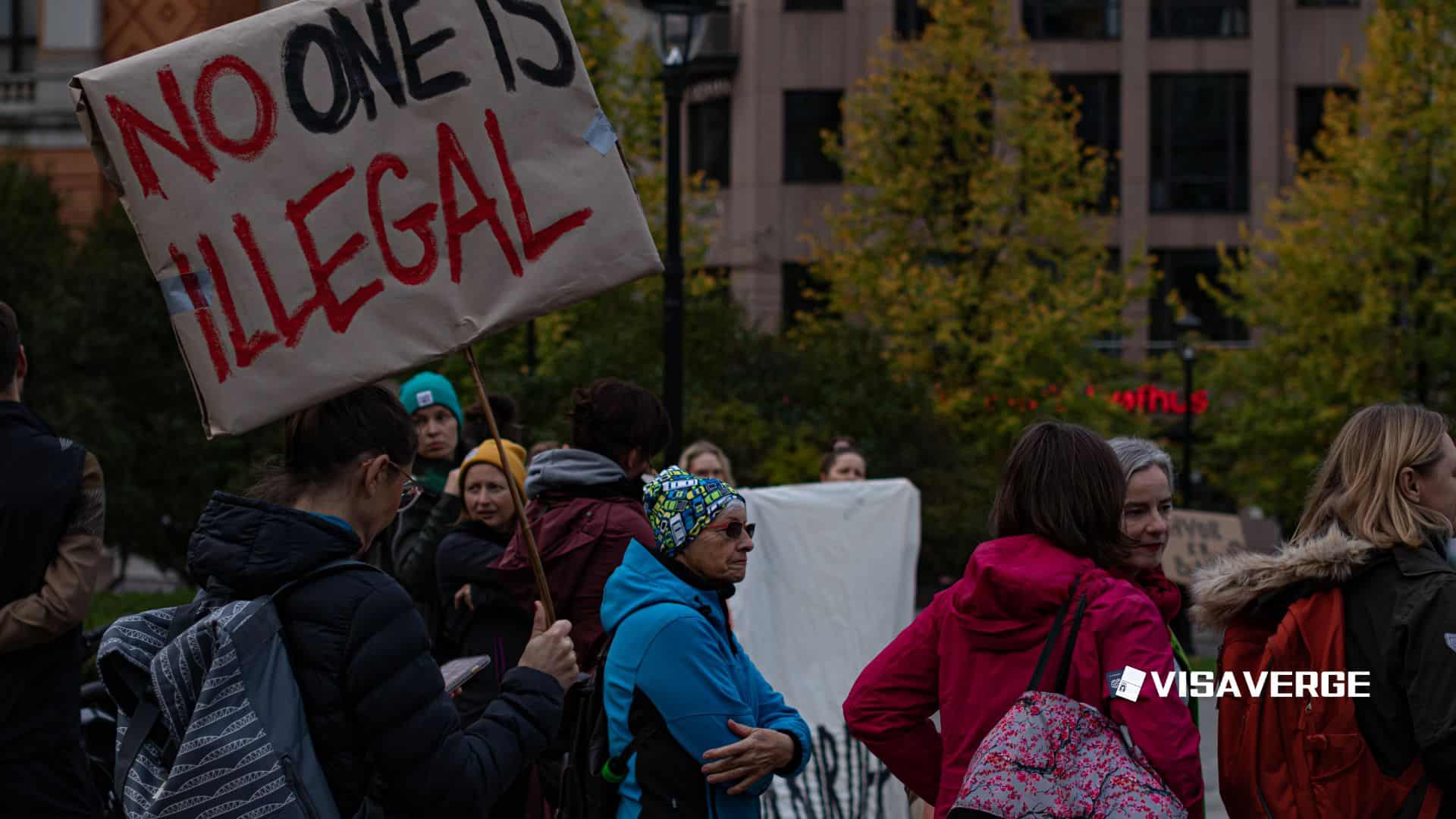
Although the DHS asserts its agents will act with “common sense” when taking action in previously protected areas, many communities remain skeptical. Critics warn that this policy could achieve the opposite of its intended goals. Immigrant advocacy groups argue that targeting places like schools and hospitals may erode immigrants’ trust in public institutions. If people stop reaching out to law enforcement or avoid cooperating during investigations for fear of deportation, communities may see increased crime rates as individuals feel less safe coming forward to report concerns.
Legal Risks and State-Level Conflicts
From a legal perspective, some experts predict the rescission may face challenges. Public education and access to emergency medical care are often framed as rights guaranteed under federal and state laws. Legal advocates are preparing to argue that arrests in schools and hospitals may interfere with these rights. Moreover, several states and cities with “sanctuary” policies—which restrict local law enforcement from cooperating with federal immigration authorities—could find themselves directly at odds with DHS. These tensions may lead to lawsuits or legislative clashes.
Advocates and Support Networks Rally
Amid these changes, advocates have stepped in to provide guidance and assistance to immigrants. Several immigrant rights groups are expanding services such as legal workshops, know-your-rights seminars, and emergency hotlines. These workshops empower individuals with clear instructions on how to respond if they encounter ICE agents.
On a broader level, advocacy groups are pushing for protections at state and city levels. Grassroots campaigns backing sanctuary policies can prevent local authorities from turning over undocumented individuals to federal immigration agencies. Advocates also emphasize the importance of leaders in public schools, hospitals, and churches making verbal commitments to remain welcoming spaces as a show of solidarity to the immigrant community.
At the same time, community organizations are encouraging undocumented families to prepare contingency plans. This may involve teaching immigrants how to identify trusted legal representation, safeguarding important documents, and making plans for child custody in case of arrest or deportation. Though such measures can offer some protection, they don’t entirely address the underlying fear that families feel day-to-day.
Looking Ahead
For undocumented immigrants living in the United States 🇺🇸, the removal of protected areas underscores the extent of uncertainty they face. Schools, hospitals, and churches have long been pillars in many communities, not to mention symbols of trust and safety. By introducing fear into these spaces, the new policy jeopardizes not only individual lives but the cohesion of families and neighborhoods.
As policymakers, advocates, and local leaders take steps to adapt or push back, the removal of protected areas shines a spotlight on broader debates about safety, enforcement, and community trust in the United States’ immigration policies. Whether through education, healthcare, or faith-based support, local communities and advocacy groups are likely to play an integral role in meeting the needs of those impacted by this policy shift.
To learn your rights or access further official information related to immigration enforcement policies, visit the U.S. Citizenship and Immigration Services website.
Learn Today
Undocumented → Refers to immigrants residing in a country without legal authorization or valid immigration documents.
Department of Homeland Security (DHS) → U.S. federal agency responsible for public security, including counter-terrorism, immigration enforcement, and border control.
Sensitive Locations Directive → Former policy restricting immigration enforcement actions in areas like schools, hospitals, and places of worship.
Sanctuary Policies → Local or state laws limiting cooperation with federal immigration enforcement to protect undocumented immigrants from deportation.
Enforcement Actions → Activities by immigration agencies, such as arrests or detentions, targeting individuals for violating immigration laws.
This Article in a Nutshell
The removal of protected zones—schools, hospitals, and churches—has left undocumented immigrants vulnerable, facing hard choices. Fear of enforcement deters access to education, healthcare, and community support, impacting public safety and trust. Advocates urge preparation, sanctuary policies, and local solidarity to counter these challenges. Protection dismantled, uncertainty rises—communities must now rally.
— By VisaVerge.com