- President Trump has ordered direct U.S.-Lebanon flights to resume for the first time since 1985.
- Aviation authorities must conduct security reviews of Beirut’s airport before commercial airlines can begin scheduled operations.
- The policy change ends a forty-one-year suspension triggered by the hijacking of TWA Flight eight forty-seven.
President Donald Trump directed his administration Tuesday to allow U.S. airlines to fly directly to Lebanon, opening the prospect of direct US-Lebanon flights after a suspension that began in 1985. He made the announcement after meeting Lebanese President Joseph Aoun at the White House on July 21, 2026.
The directive does not place aircraft on schedules immediately. U.S. agencies must assess Beirut’s airport, screening systems and operating conditions before commercial service can begin.
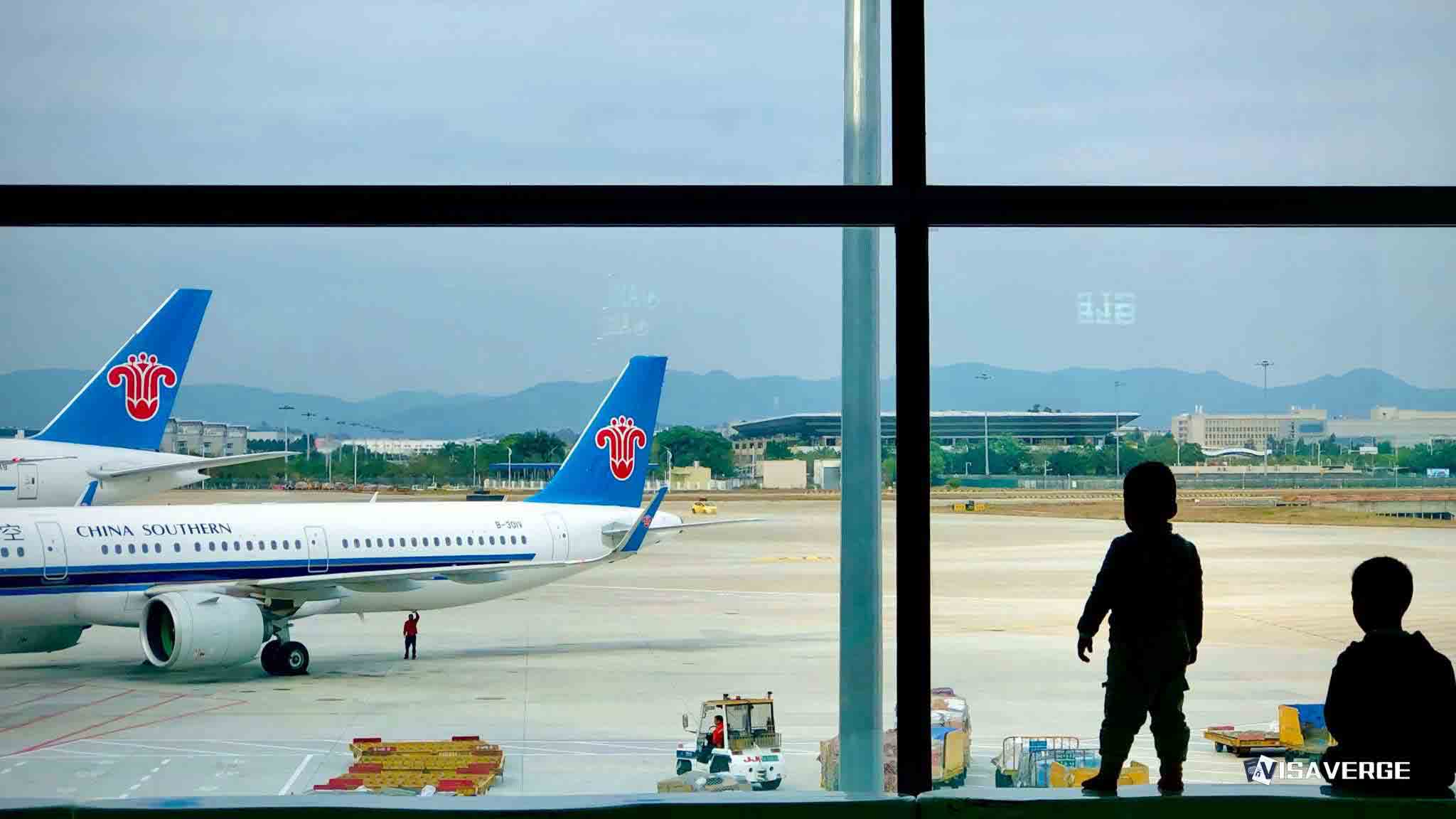
The policy change ends a suspension that has lasted 41 years. Washington halted direct air links after the 1985 hijacking of TWA Flight 847 and broader security concerns during Lebanon’s civil war.
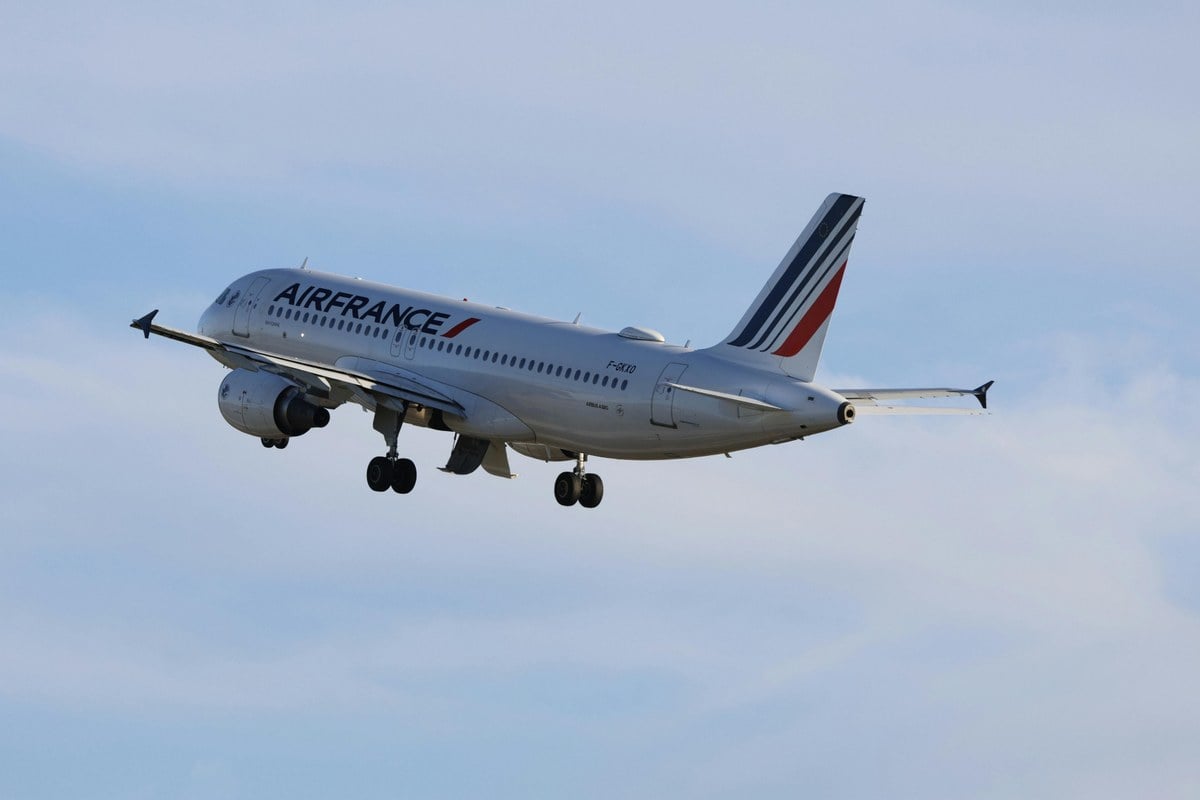
Airlines will still make the commercial decision. American, United and Delta have not confirmed plans to operate the route, while they continue to suspend flights to nearby Tel Aviv amid wider regional security concerns.
In a post after the meeting, Trump wrote:
“I am hereby directing my Administration to allow all U.S. airline carriers to fly directly to Lebanon so that Americans can easily visit this beautiful land.”
He added, “Hopefully, other Countries will do the same.”
The Federal Aviation Administration said it “looks forward to working with airlines and our interagency partners to implement the President's directive and support the safe return of flights to Lebanon.” The agency and the Transportation Department must now translate the directive into requirements carriers can meet.
Beirut airport must clear the U.S. review before service starts
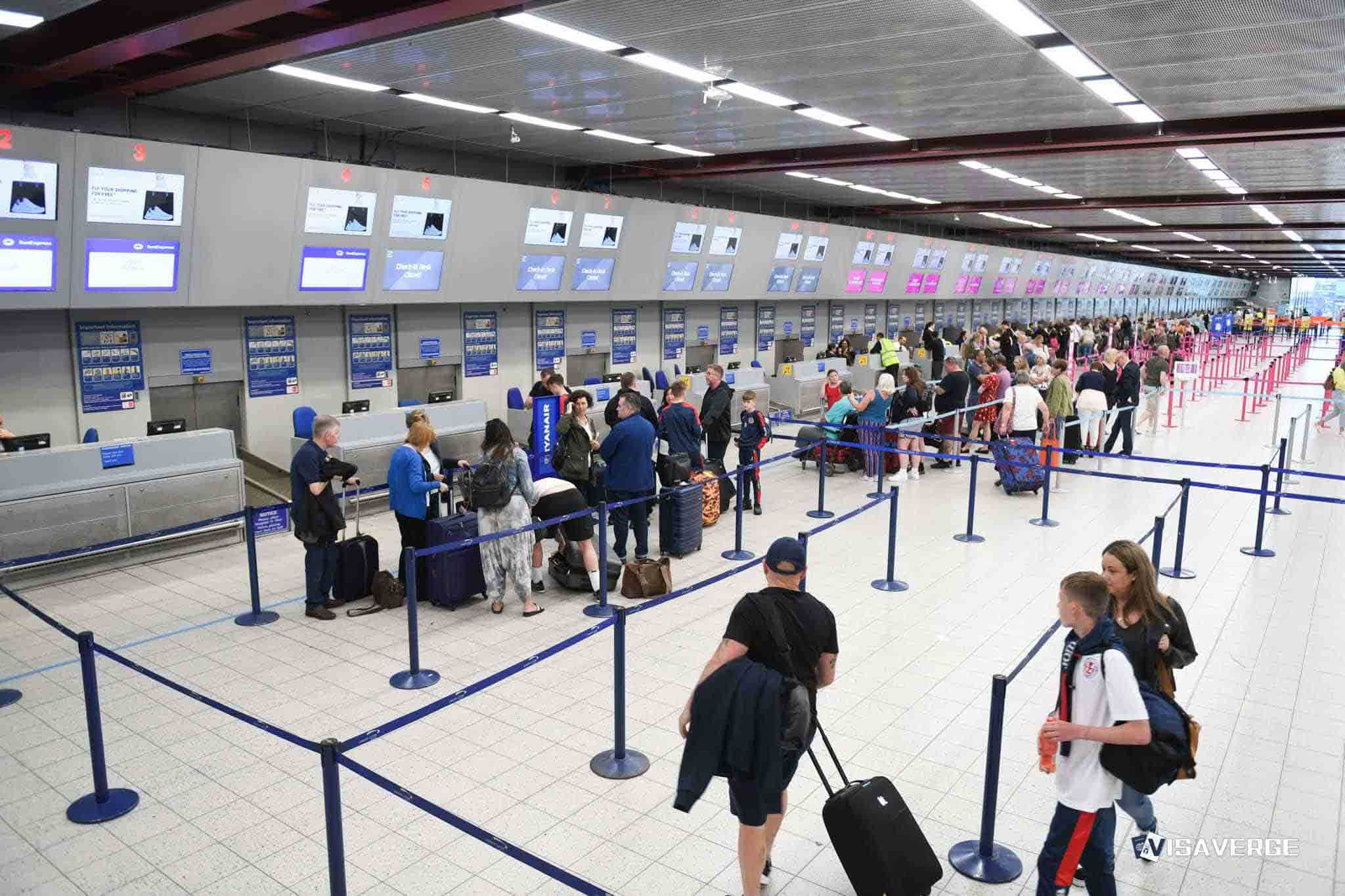
The Federal Aviation Administration and the Department of Transportation must conduct extensive security reviews of Rafic Hariri International Airport in Beirut. The work will cover airport infrastructure, passenger-screening procedures and the safety protocols needed for U.S. commercial flights.
A safety certification must come before service begins. There is no launch date or carrier schedule.
| What changed | What still must happen |
|---|---|
| The administration directed U.S. carriers to fly directly to Lebanon. | U.S. agencies must complete technical and security assessments. |
| The suspension dating to 1985 is being lifted. | Officials must certify the airport’s safety for commercial service. |
| Travelers may eventually have nonstop access to Beirut. | Airlines must decide whether to operate the route. |
Lebanon has also begun efforts to convert an airbase near the Syrian border into a second passenger hub. The facility would supplement Beirut’s airport, although the announcement did not establish a timetable for that project.
The State Department maintains a “Level 4: Do Not Travel” advisory for Lebanon as of July 2026. It cites risks including “crime, terrorism, unrest, and kidnapping.”
That guidance remains in place alongside the aviation directive. Approval for an airline route would not remove the department’s warning.
Nonstop service would replace connections through Europe or the Gulf
A direct route would give Lebanese Americans a way to reach Lebanon without layovers in Europe or the Gulf. The Lebanese-American population is estimated at between 500,000 and 1.2 million people, with communities concentrated primarily in Michigan, California and Florida.
The route could reduce travel time and costs for those passengers. Actual fares and schedules would depend on the carriers that choose to enter the market.
Restored air links could also support tourism and investment as Lebanon seeks economic recovery. Prime Minister Nawaf Salam welcomed the announcement as a “major opening.” His office said the Lebanese government was prepared to complete the necessary technical and administrative steps as quickly as possible.
Salam said the decision “represents a significant opportunity to enhance travel and connectivity between Lebanon and the United States, and to support the Lebanese economy.” He also said the government was ready to implement “all executive and technical measures” required.
A 1985 hijacking kept the route closed for four decades
Washington stopped direct air links after the hijacking of TWA Flight 847 in 1985. Lebanese Islamist militants seized the aircraft, killing U.S. Navy diver Robert Stethem and triggering a 17-day hostage crisis.
The incident occurred during Lebanon’s civil war, when wider security concerns also shaped U.S. aviation policy. That suspension remained in place for more than four decades.
The administration’s announcement now seeks to reverse that policy, but the airport review will determine whether the change can become an operating service.
Aoun’s visit came during a wider U.S.-Lebanon security effort
Aoun’s White House visit was the first by a Lebanese president since 2009. During the Oval Office meeting, he praised the administration’s diplomacy.
“Your vision is peace. It’s about time for Lebanon to be stable and secure.”
Massad Boulos, the senior adviser to the president on Arab and Middle Eastern affairs, described the meeting as “very productive” and said the two leaders had “good chemistry.”
The aviation announcement followed a period of intense conflict between Israel and Hezbollah, including repeated closures of Lebanese airspace. A fragile truce between the United States and Iran ended in early July 2026 and remains part of the region’s security assessment.
A “framework agreement” signed on June 26, 2026, set out a plan for the withdrawal of Israeli forces from southern Lebanon and the disarmament of Hezbollah. The United States and Lebanese government are coordinating “concrete plans” for the Lebanese Armed Forces to assert control over territory previously held by Hezbollah.
The United States has provided over $3 billion in military aid to the Lebanese Armed Forces since 2006. The assistance is intended to bolster state authority as Lebanon works to strengthen government control.
The regional conditions will form part of the review facing U.S. officials and airlines. Lebanon’s airspace closures and continuing security concerns remain separate from the administrative decision to permit carriers to pursue direct service.
The FAA has been tasked with an immediate interagency review of the safety protocols required for the first U.S. flights to land in Beirut in decades. The Lebanese government says it is ready to carry out the technical measures, but travelers will need an airport clearance and an airline operating announcement before they can buy a nonstop ticket.