- The U.S. government has not expanded the B-1/B-2 visa bond pilot program to 12 new nations this week.
- Currently, 38 countries face potential bonds up to $15,000 based on high overstay rates and security concerns.
- Affected travelers must enter and exit through nine designated airports and follow strict single-entry, 30-day stay limits.
(UNITED STATES) — The Trump administration has not expanded its B-1/B-2 visa bond pilot program to 12 additional nations as of Wednesday, March 18, 2026, and the latest confirmed changes remain the expansions that took effect in January 2026.
That leaves the current reach of the policy at 38 countries by January 21, 2026, despite online claims this week that a fresh round of nations had been added. For travelers and applicants tracking the $15, 000 visa bond requirement, that distinction matters because the program can change who faces an added payment demand at a visa interview and under what travel limits they may enter the United States.
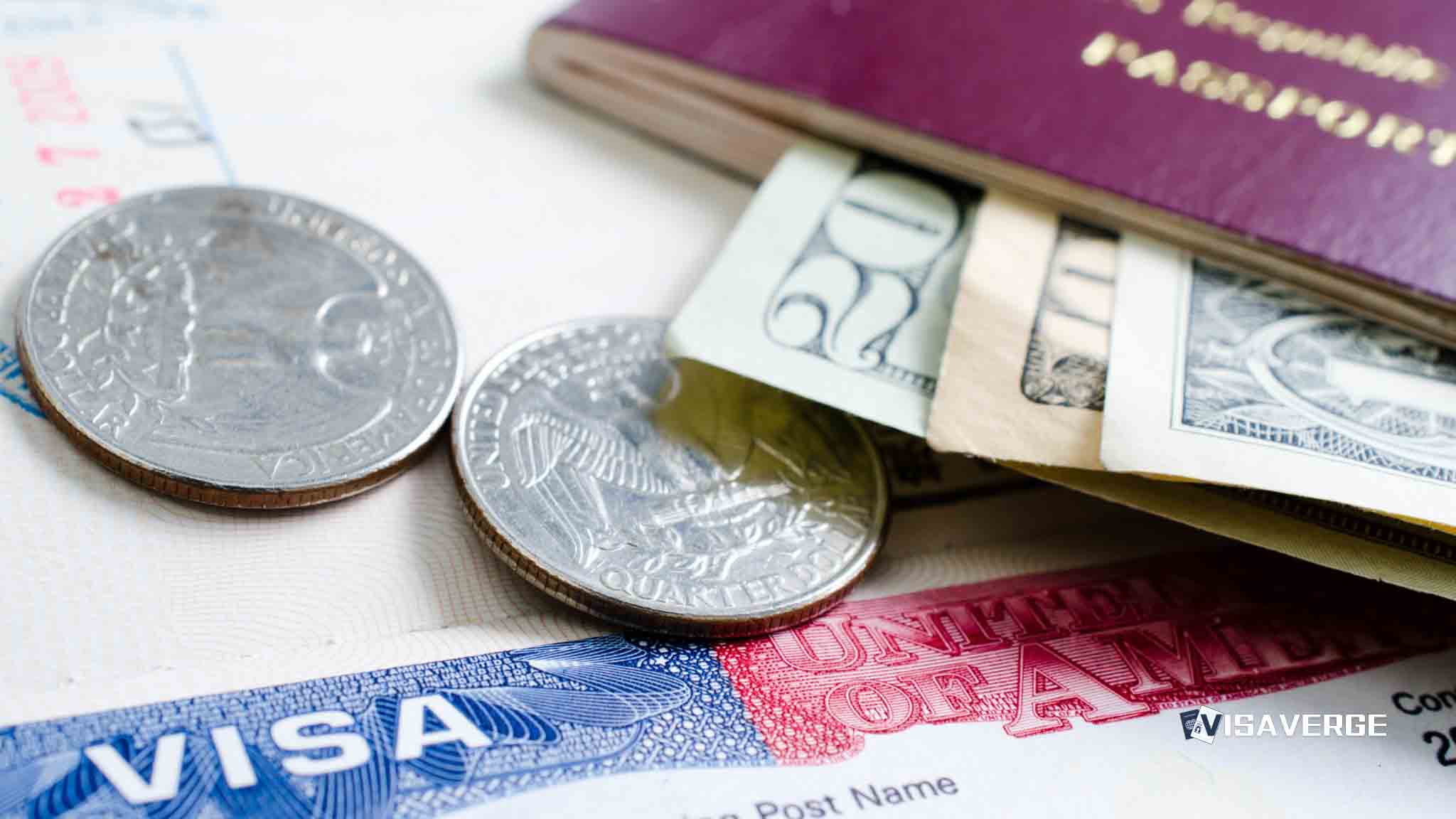
The policy applies to certain B-1/B-2 applicants rather than all visitors. Consular officers decide case by case whether to require a bond, and applicants do not post one unless directed to do so during the interview process.
The State Department launched the pilot on August 20, 2025, under INA Section 221(g)(3). Officials tied the program to countries with high overstay rates, deficient passport vetting, or citizenship-by-investment schemes.
Under the program, consular officers can set a bond at $5,000, $10,000, or $15,000. The decision comes at the visa interview and is not automatic for every applicant from a covered country.
| India | China | ROW | |
|---|---|---|---|
| EB-1 | Apr 01, 2023 ▲31d | Apr 01, 2023 ▲31d | Current |
| EB-2 | Jul 15, 2014 ▲303d | Sep 01, 2021 | Current |
| EB-3 | Nov 15, 2013 | Jun 15, 2021 ▲45d | Jun 01, 2024 ▲244d |
| F-1 | May 01, 2017 ▲174d | May 01, 2017 ▲174d | May 01, 2017 ▲174d |
| F-2A | Feb 01, 2024 | Feb 01, 2024 | Feb 01, 2024 |
That structure has made the policy one of the more closely watched visa-screening measures adopted by the Trump administration. It also means rumors of expansion can ripple quickly through travel plans, family visits and business trips even when no new official change has taken effect.
Applicants who receive a bond requirement must pay only after consular direction, using DHS Form I-352 and Pay.gov. Third-party payments are invalid and non-refundable.
Posting the bond does not guarantee visa issuance. If the visa is denied, the bond is refunded.
Refunds also depend on compliance after travel. A traveler must meet departure terms and other conditions, including no overstay and no asylum filing.
Visas issued under the program come with tighter limits than many other visitor visas. They are single-entry visas, with a maximum 3-month validity and a 30-day U.S. stay.
Those limits can reshape how travelers plan short business visits or family trips. Someone granted a visa under the pilot cannot assume the broader flexibility often associated with a standard visitor visa.
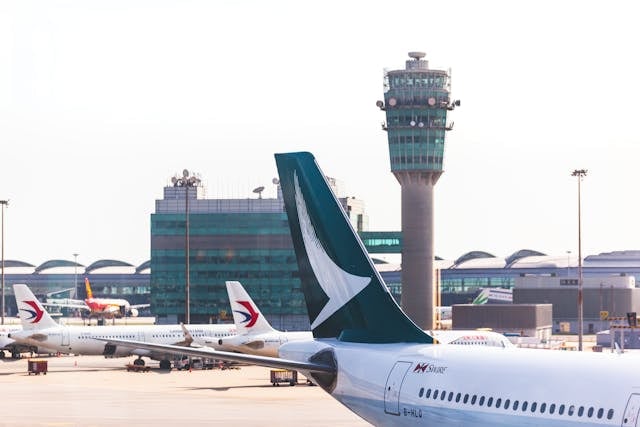
Travel logistics add another layer. Entry and exit under the program are restricted to 9 designated airports.
When the pilot began in August 2025, the initial airports included BOS, JFK and IAD. Effective January 1, 2026, the government added more designated airports, including ORD, LAX, YYZ and YUL.
Those airport rules matter well before departure. Travelers booking flights or arranging onward travel need itineraries that match the program’s approved entry and exit points, or they risk running into problems at the border or during return travel.
Country coverage expanded in phases. The initial August and October 2025 phase covered Malawi and Zambia on August 20, followed by The Gambia on October 11, and Mauritania, São Tomé and Príncipe, and Tanzania on October 23.
A second expansion took effect on January 1, 2026. It added Bhutan, Botswana, Central African Republic, Guinea, Guinea-Bissau, Namibia, and Turkmenistan.
A much larger expansion followed on January 21, 2026. Additions included Kyrgyz Republic, Nepal, Nigeria, Senegal, Tajikistan, Togo, Tonga, Tuvalu, Uganda, Vanuatu, and Venezuela, bringing the total coverage to 38 countries.
Taken together, the country list shows a wide geographic spread across Africa, South Asia, Latin America and the Pacific. African countries make up the largest share of those affected.
The rollout timeline has been fast. The pilot began with 6 countries in August 2025, rose to 13 total by early January 2026 after a smaller expansion, and then reached 38 on January 21, 2026 after a much larger one.
Officials have said future changes are generally announced with 15 days’ notice. That notice window has become a focal point for applicants and travel advisers because the list can shift on a relatively short timetable, even if no new expansion has been confirmed this week.
Waivers remain narrow. They are rare and limited to U.S. government travel or urgent humanitarian cases.
That combination of refundable bonds, single-entry visas, shorter validity periods and airport limits has turned the pilot into more than a simple financial screening tool. For many applicants, the policy affects whether a trip is affordable, practical or worth attempting at all.
The administration’s rationale has centered on deterring overstays. The pilot began using DHS FY 2024 overstay data, and officials have framed the bond as a way to reduce the risk that travelers remain in the country beyond authorized periods.
Critics from human rights groups have called the program discriminatory and a barrier to legitimate travel. Their objections have focused on both the money involved and the concentration of covered countries in Africa, along with some Latin American, South Asian and Pacific nations.
Those concerns have kept the B-1/B-2 visa bond pilot program in the middle of a wider argument over how the United States screens temporary visitors. Supporters of tighter controls see the bond as one more tool to push compliance, while opponents say it imposes added hurdles on travelers who already face strict interview and documentation requirements.
The bond pilot does not stand alone. It sits alongside broader Trump administration visa measures, including social media screening, in-person interview requirements, and a separate pending $250 Visa Integrity fee for all nonimmigrant visas.
That wider policy setting helps explain why reports of a new expansion drew attention this week. Any increase in the country list would have widened the number of applicants potentially facing not only stricter screening but also a refundable bond demand that can reach $15,000.
For people trying to understand how the system works, the payment itself comes late in the process and only after a consular officer directs it. Applicants do not simply add the fee to a regular visa application or submit it automatically with interview paperwork.
Even after payment, the visa remains discretionary. A bond can satisfy one condition of the process without producing approval, and a refusal still ends the application.
Compliance standards after admission are also strict. The refund depends not only on departure, but on following the visa’s terms, avoiding overstay and not filing for asylum.
Those details explain why the measure has drawn close attention from applicants from the covered countries. A traveler may need to assemble funds, accept a single-entry document with short validity, plan around 9 designated airports, and still face the chance that the visa will not be issued.
January’s expansion was the most sweeping stage so far. Before that month, the list remained relatively limited, beginning with Malawi, Zambia, The Gambia, Mauritania, São Tomé and Príncipe, and Tanzania.
By early January, the addition of Bhutan, Botswana, Central African Republic, Guinea, Guinea-Bissau, Namibia, and Turkmenistan pushed the total to 13. Twenty days later, the much broader January 21 round lifted the count to 38.
That pace has left many applicants watching for new postings from the government rather than relying on circulating lists. As of March 18, 2026, there have been no confirmed new expansions this week.
Official updates appear through the U.S. Department of State, including travel.state.gov and related notices. For travelers affected by the $15, 000 visa bond requirement, those postings remain the point of reference for whether the country list, airport rules or bond terms change again.