- Airline CEOs are urging Congress to pay TSA agents during the ongoing government shutdown to prevent travel disruption.
- Approximately 50,000 officers are working without pay, causing unscheduled absences to more than double across the nation.
- TSA leadership warned that smaller airports could close if staffing shortages and agent resignations continue to climb.
(UNITED STATES) — Airline chief executives urged Congress to ensure TSA agents were paid during the government shutdown, as the funding lapse strained airport security operations and drew a political response from the Trump Admin instead of an immediate plan to restore pay.
TSA officers had to keep working without pay during the lapse, putting pressure on screening operations as carriers prepared for heavy spring travel. The dispute quickly widened beyond airport staffing and became part of Washington’s broader blame fight over the shutdown.
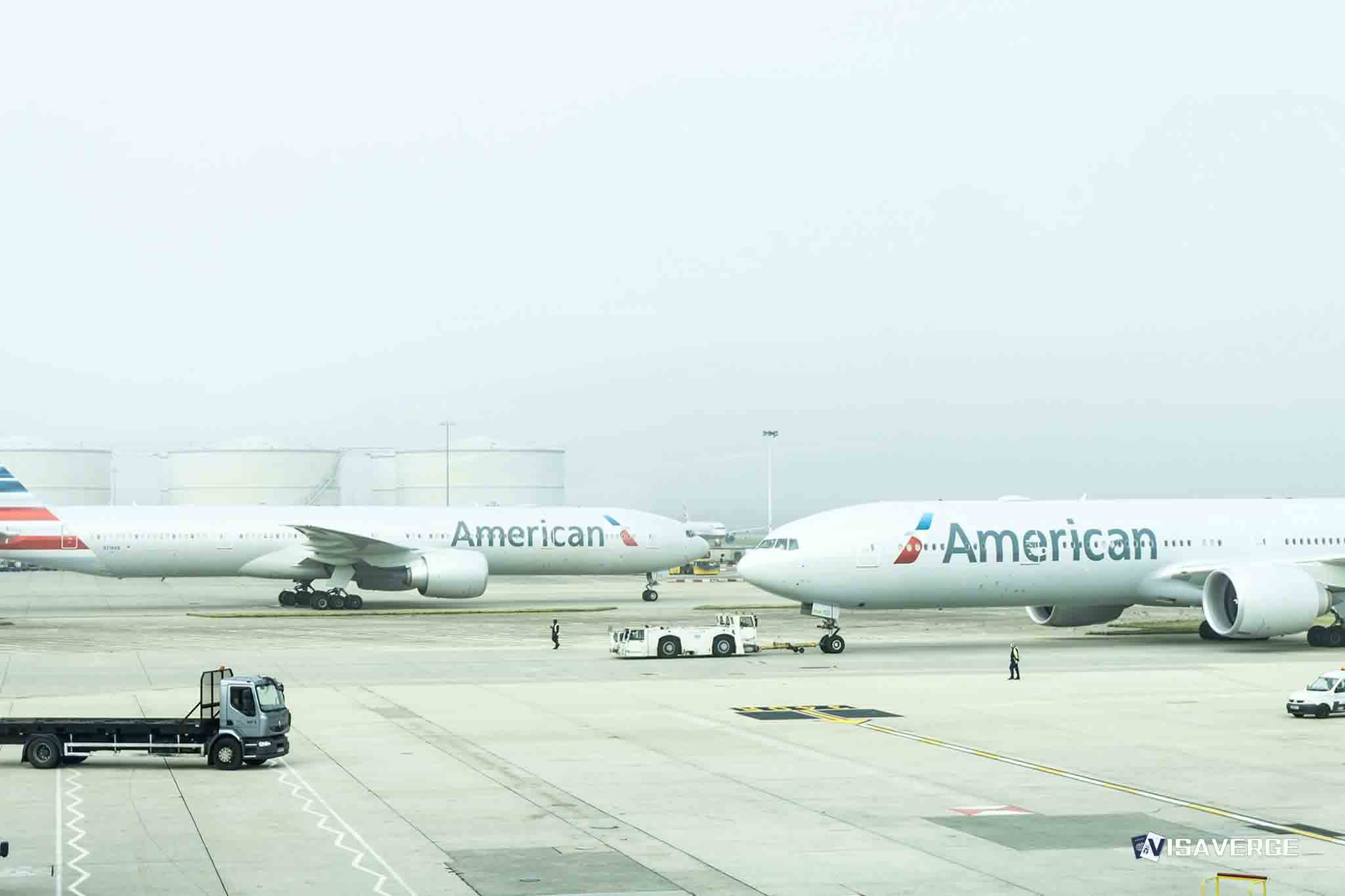
President Trump answered the appeal in a social media post on Saturday, March 15, thanking officers for staying on the job while faulting Democrats for the standoff. His message to TSA agents read: “Keep fighting for the USA. GO TO WORK! I promise that I will never forget you!!!”
Trump also blamed the “radical left” for refusing “to honor the deal that was approved and voted on in Congress.” The post became part of the administration’s public message around the impasse rather than a signal of an immediate operational fix for airport checkpoints.
Pressure on the aviation system grew as the shutdown stretched on. Approximately 50,000 transportation security officers were required to work without pay, and unscheduled absences among airport security officers more than doubled after the funding lapse began.
That strain reached TSA leadership by March 17, when Acting Deputy TSA Administrator Adam Stahl warned that some small U.S. airports could be forced to shut down if the funding impasse continued and TSA absenteeism worsened. His warning pointed to a problem that can spread quickly in airport screening: even modest staffing losses can disrupt service where there is little room to shift officers across checkpoints.
Stahl said smaller airports with only one security checkpoint would be especially vulnerable. Those airports have less flexibility to absorb staffing shortages, leaving them more exposed when officers miss shifts or leave the workforce during a prolonged funding lapse.
The Department of Homeland Security sharpened the political message as operational stress mounted. DHS said the impasse was contributing to longer security lines and also blamed Democrats for the disruption.
On its X account, DHS said more than 300 TSA agents have quit since the shutdown began on February 14. The department also warned that the longer the shutdown lasts, the greater the risk that more employees will leave, deepening staffing shortages beyond the immediate crisis.
That attrition gave the shutdown a measurable effect inside the airport system. The issue was no longer confined to rhetoric from Washington or social media exchanges between political parties, but was showing up in who reported for duty and how long passengers stood in line.
Airlines faced that pressure at the start of a busy travel period. Carriers expect 171 million passengers during the spring season, a volume that raised concern about reliability and congestion as checkpoint staffing thinned.
Some airports already saw waits stretch to two, three, and even four hours. Those delays added to the urgency behind airline leaders’ call for Congress to ensure TSA officers received pay while they continued screening travelers during the shutdown.
For airport operators and airlines, the problem was straightforward. Passenger demand was rising at the same time the screening workforce was working without pay, unscheduled absences were climbing, and DHS was counting employee departures in the hundreds.
For the administration, the public response centered on praise for employees who kept showing up and blame aimed at Democrats. Trump thanked officers for working through the impasse, while DHS tied long checkpoint waits to the shutdown fight in Washington.
That framing did little to change the operational facts cited by TSA leadership. A checkpoint cannot run without enough officers, and smaller airports with only one checkpoint have little ability to move staff from elsewhere when attendance drops.
Stahl’s March 17 warning gave that concern a sharper edge. If absenteeism worsens, the effect would not be limited to longer lines at the nation’s busiest hubs, but could reach airports where one bottleneck can halt screening altogether.
The shutdown’s effect on TSA staffing also carried a different weight from many other federal functions because officers remained on the job. They were required to keep working without pay, meaning the travel system still depended on a workforce under direct financial strain.
That made the appeal from airline chief executives as much about continuity as compensation. The airlines were not dealing with a distant budget fight; they were dealing with the workforce that screens passengers before they can board planes during one of the heaviest travel periods of the year.
DHS linked the growing lines to politics, but the department also pointed to a workforce trend that made the strain harder to manage. More than 300 TSA agents had quit since February 14, and officials said a longer shutdown could push more employees out.
Each departure carries added weight in a system already dealing with more than doubled unscheduled absences. Screening operations depend on staffing levels that can absorb routine disruptions, but the funding lapse put extra pressure on that margin as spring demand approached.
The administration’s public posture remained focused on the standoff itself. Trump’s March 15 message asked officers to keep reporting to work and promised, “I promise that I will never forget you!!!”
His post also cast the fight in partisan terms, accusing the “radical left” of refusing “to honor the deal that was approved and voted on in Congress.” That language placed the airport disruption inside the larger shutdown battle rather than separating aviation security from the wider political conflict.
For travelers, the most visible effect was time. Waits of two, three, and even four hours at some airports turned a staffing issue into a passenger problem, especially as airlines prepared for 171 million spring travelers.
For TSA, the risk was cumulative. A funding lapse that began on February 14 had already affected approximately 50,000 transportation security officers, pushed unscheduled absences to more than double their earlier level, and prompted DHS to report that more than 300 agents had quit.
For smaller airports, Stahl’s warning captured the narrow margin under which some locations operate. With only one security checkpoint, they have less flexibility to absorb staffing shortages and fewer options when absenteeism rises during a shutdown.
That left airlines, passengers and airport operators watching the same question: whether staffing losses would stabilize before spring traffic swelled further. The immediate public answer from the Trump Admin was a call for TSA agents to keep working, even as TSA leadership warned some small airports could shut down if the impasse continued.
Live Government Data
State Dept • CBPBusiest Border Crossings
- Otay Mesa 100 min
- Calexico 90 min
- San Ysidro 80 min