- Philadelphia International Airport reopened all security checkpoints on Tuesday, restoring full screening after weeks of shutdown disruptions.
- Terminal F’s return completed phased reopenings after staffing shortages, and most waits fell under 10 minutes.
- The DHS funding lapse began February 14, and Philadelphia TSA call-outs peaked at 21.5% during the impasse.
(PHILADELPHIA, PENNSYLVANIA) — Philadelphia International Airport reopened all of its security checkpoints on Tuesday after weeks of partial closures during a partial government shutdown, restoring full screening operations as Transportation Security Administration officers began receiving retroactive pay and spring break travel continued.
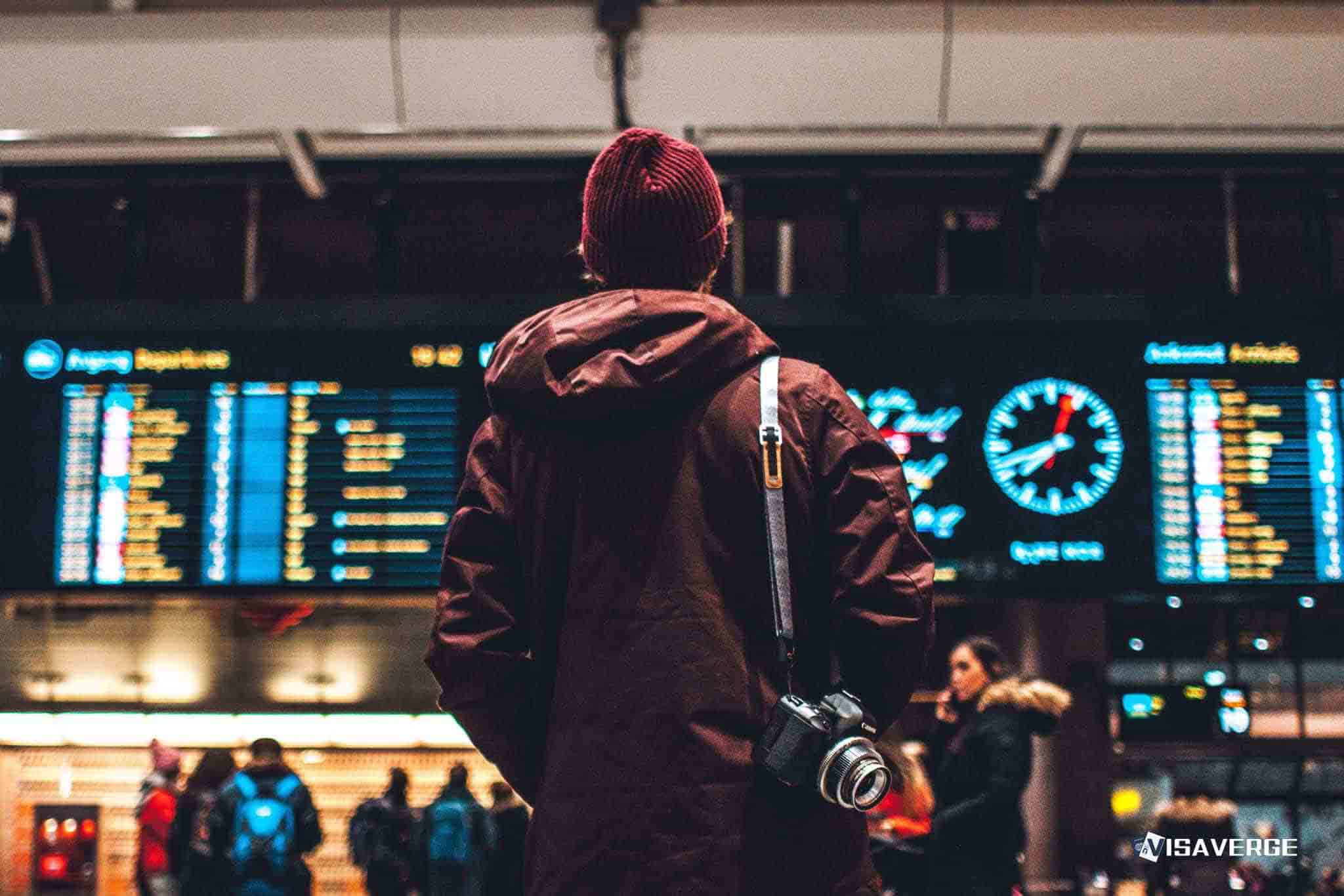
Terminal F reopened on Tuesday, April 7, 2026, completing a phased return that brought every checkpoint at Philadelphia International Airport back into service. Airport passengers can now move through all operating terminals — A-East, A-West, B, C, D/E, and F — and use any open checkpoint because the terminals are connected post-security.
The reopening followed a consolidation strategy that began in mid-March as staffing shortages deepened. By Tuesday, wait times had stabilized, with most terminals reporting waits under 10 minutes.
DHS Acting Assistant Secretary for Public Affairs Lauren Bis linked the restored operations to the return of funding. “This is a direct reflection of what happens when our workforce is funded and supported. We are grateful to President Trump for ensuring our dedicated TSA officers can continue their critical mission of safeguarding the traveling public,” Bis said on April 6, 2026.
The full reopening came after a funding lapse at the Department of Homeland Security that began on February 14, 2026, following a budget impasse over immigration enforcement and oversight of Immigration and Customs Enforcement. The standoff disrupted staffing at airport checkpoints across the country and pushed Philadelphia into partial checkpoint closures as officers missed pay.
At Philadelphia International Airport, the TSA call-out rate peaked at 21.5% during the lapse. Nationwide, over 500 TSA officers resigned during the 50-day impasse.
Homeland Security Secretary Markwayne Mullin said on March 27, 2026 that TSA workers “should begin seeing paychecks as early as Monday [March 30].” His statement followed a presidential memorandum signed the same day authorizing the use of existing funds to pay TSA employees.
President Donald Trump described the move as an emergency measure in that memorandum. “I have determined that these circumstances constitute an emergency situation compromising the Nation’s security.”
The payment decision addressed one of the most immediate strains on the federal screening workforce. TSA Acting Administrator Ha Nguyen McNeill told the House Homeland Security Committee on March 25, 2026 that the shutdown was taking a “personal toll” on workers who were “running out of options to keep a roof over their head and put food on the table,” and she said the disruption had led to the highest wait times in the agency’s 24-year history.
Philadelphia’s reopening happened in stages over several days. Terminal C resumed operations on Thursday, April 2, 2026, serving TSA PreCheck travelers during regular hours.
A day later, Terminal A-West reopened on Friday, April 3, 2026, at 5:00 a.m. That checkpoint carries added weight at the airport because the terminal primarily serves international flights.
Terminal F returned on Tuesday and marked the final step in restoring full security operations. With that, the airport ended weeks in which travelers had to adjust to fewer checkpoint options and longer lines.
During the peak of the closures, passengers were advised to arrive up to 3.5 hours early for international flights. That guidance reflected both reduced staffing and the concentration of travelers into fewer screening lanes.
By Tuesday, the picture had changed. Wait times were under 10 minutes at most terminals, easing pressure on passengers moving through one of the region’s busiest travel hubs during the spring break period.
The staffing crisis had extended beyond TSA itself. To relieve pressure on major airports, the administration deployed hundreds of ICE agents to hubs including Philadelphia International Airport, where they assisted with non-specialized tasks such as document verification and queue management.
That support came as officials warned the air travel system was nearing a “breaking point.” The added personnel did not replace screeners, but they helped airports manage passenger flow while the Transportation Security Administration struggled with absenteeism and resignations.
Even with pay resuming, the effects of the shutdown remained visible among workers. Union officials with AFGE Local 333 said many employees remained behind on personal bills.
Morale also remained a concern as Philadelphia prepares for the high-traffic 2026 FIFA World Cup season. The airport’s return to full checkpoint operations removes one operational strain, but officials have acknowledged that missed paychecks and weeks of disruption took a toll on the workforce.
For travelers, the reopening means less need to plan around terminal-specific closures. Because all terminals are connected after security, passengers can now choose among open checkpoints to reach their gates, a flexibility airport officials have emphasized as operations normalize.
The sequence of reopenings reflected where pressure had been highest and where staffing could be restored first. Terminal C’s reopening for TSA PreCheck travelers during regular hours provided an early sign that the airport could start expanding service again, while the return of Terminal A-West addressed a checkpoint tied to international departures.
Philadelphia’s experience also illustrated how quickly a funding lapse can affect frontline aviation security. Unlike many federal employees, TSA officers continued working during the partial government shutdown, but missed pay strained household finances and drove absences higher.
McNeill’s testimony to lawmakers captured that strain in personal terms. Workers were “running out of options to keep a roof over their head and put food on the table,” she said, connecting those pressures to record wait times.
Bis, speaking after the checkpoint network had nearly returned, framed the reopening as proof that staffing stability depends on funding stability. Her statement credited the restored pay flow with helping officers return and resume normal operations.
Mullin’s comment on March 27, 2026 provided the first clear timetable for when those payments might arrive. By saying workers “should begin seeing paychecks as early as Monday [March 30],” he tied the policy response to the operational recovery that followed in the first week of April.
Trump’s memorandum added the legal basis for that response. In declaring that “these circumstances constitute an emergency situation compromising the Nation’s security,” he authorized the use of existing funds to pay TSA employees despite the broader budget stalemate.
At the airport, the result was a gradual return from consolidation to full access. Mid-March brought the closure of some checkpoints to preserve staffing where lines were heaviest, while early April brought the reopening of one terminal after another.
Tuesday’s final step at Terminal F closed that chapter. Every checkpoint at Philadelphia International Airport is now open again, and the Transportation Security Administration has moved from emergency staffing measures toward standard screening patterns.
Passengers seeking current checkpoint information can find it on PHL security information, while broader agency updates are available through the TSA newsroom and DHS press releases. Those updates have taken on added importance during a shutdown that changed by the day and forced travelers to monitor conditions before arriving at the airport.
For now, the most visible sign of recovery is simple: open lanes, shorter lines, and a full checkpoint map for travelers moving through Philadelphia. For TSA workers, the reopening lands alongside resumed pay after weeks that McNeill said left many “running out of options to keep a roof over their head and put food on the table.”