- ICE arrests in Colorado surged by 317% during President Trump’s first year back in office.
- Over 70% of those detained had no criminal convictions, contradicting official rhetoric focusing on criminals.
- Community arrests in neighborhoods more than doubled, accounting for 44% of all enforcement activity.
(COLORADO) — U.S. Immigration and Customs Enforcement arrested at least 3,522 people in Colorado between January 20 and October 15, 2025, a four-fold increase from 843 in the same period in 2024 as President Donald Trump’s first year back in office brought a sharp escalation in federal enforcement.
Approximately 70% of those arrested in that period in 2025 were deported, up from 61% a year earlier. The increase pushed Thousands of immigrants in Colorado into a faster and broader removal system than the state had seen the year before.
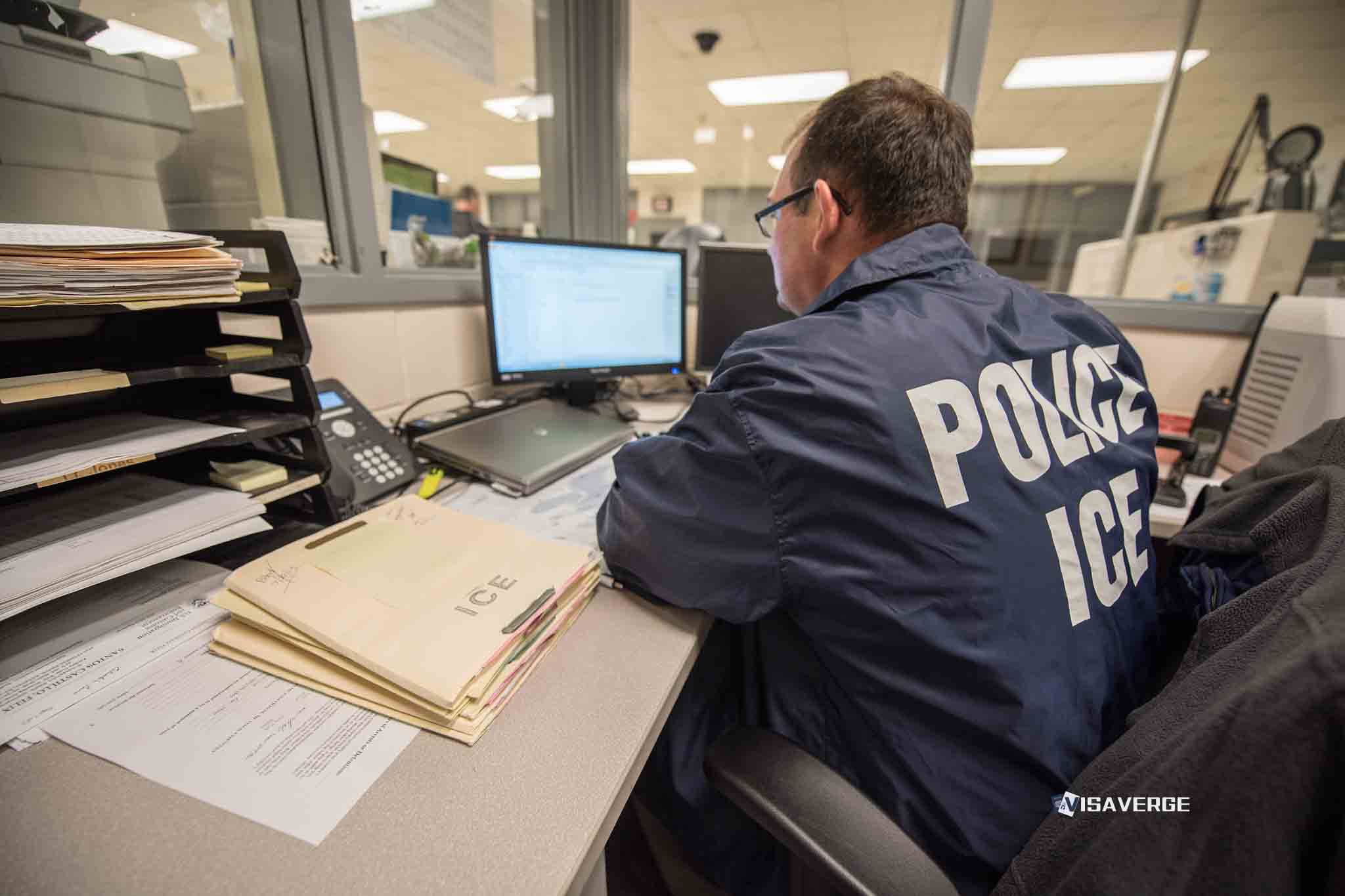
Federal data also showed a shift in how agents operated. Community arrests at homes, workplaces and public spaces surged, and by late 2025 they accounted for 44% of all ICE activity in the state, up from 19% in 2024.
That tactical change was especially visible in the Denver area, where community arrests increased by 265% at the start of the term. The rise came alongside a wider federal push by the Department of Homeland Security and ICE to move beyond jail transfers and expand arrests in neighborhoods and businesses.
Officials cast the campaign as a return to stricter enforcement. DHS and U.S. Citizenship and Immigration Services repeatedly tied the effort to broader “America First” goals and argued that both legal and illegal immigration policy should serve U.S. interests first.
At the same time, the numbers in Colorado showed that the crackdown did not fall mainly on people with prior convictions. More than 70% of those arrested by ICE in Colorado during 2025 had no prior criminal convictions.
That gap between official rhetoric and arrest patterns became one of the defining features of the first year of Trump’s second term in the state. It also sharpened a legal and political clash between federal authorities and Colorado jurisdictions that limit cooperation with immigration enforcement.
Several operations helped define that shift.
On April 27, 2025, more than 300 federal agents from ICE, the DEA and the FBI raided an unlicensed after-hours nightclub in Colorado Springs. The operation led to the detainment of more than 100 individuals for immigration violations.
President Trump described the targets as “drug dealers and murderers.” Later data showed that only 9 of the 72 initially processed had prior convictions.
Earlier, on February 5, 2025, federal agents carried out raids at apartment complexes in Aurora and Denver targeting suspected members of the Tren de Aragua gang. The operation added to a pattern of high-visibility enforcement actions in and around the Denver metropolitan area.
USCIS also expanded its own role through Operation Twin Shield, a nationwide fraud investigation into suspected marriage fraud and visa abuse. The initiative empowered USCIS special agents to investigate and arrest people suspected in those cases, widening the agencies involved in immigration enforcement.
The administration’s public case for that approach came through a series of statements from senior officials.
“The distinction between legal and illegal immigration becomes meaningless when both can destroy a country at its foundation. Unchecked mass migration floods the American labor market. The Trump administration continues to execute policies to ensure legal immigration advances American interests first,” USCIS Spokesman Matthew Tragesser said on Nov. 13, 2025.
On Dec. 22, 2025, USCIS Director Joseph Edlow said, “With Secretary Noem in charge of homeland security, USCIS has taken an ‘America First’ approach, restoring order, security, integrity, and accountability. ensuring that it serves the nation’s interests and protects and prioritizes Americans over foreign nationals.”
DHS Secretary Kristi Noem widened that message on Feb. 24, 2026, saying, “Over the last 13 months, nearly 3 million illegal aliens have left the U.S. because of the Trump Administration’s crackdown. Countless lives have been saved, communities have been strengthened, and the American people have been put first again.”
Three days later, DHS sharply criticized Denver’s sanctuary policies. “This is legally illiterate. No local official has the authority to bar ICE from carrying out federal law on public property. While Mayor Johnston continues to release pedophiles, rapists, gang members, and murderers onto their streets, our brave law enforcement will continue to risk their lives to arrest these heinous criminals,” the department said on Feb. 27, 2026.
The dispute did not remain political. In February 2026, Senior U.S. District Judge R. Brooke Jackson ordered the Justice Department to explain why ICE agents were continuing to make warrantless arrests in Colorado despite a standing preliminary injunction.
That order placed a federal court at the center of the confrontation over enforcement tactics in the state. It also raised new questions about how agents were carrying out arrests as the administration pressed ahead with more aggressive operations.
Colorado lawmakers had already begun responding months earlier. In April 2025, they introduced Senate Bill 276, which sought to prohibit federal authorities from conducting operations in “sensitive locations” such as hospitals, schools and places of worship.
The proposal reflected concern that enforcement had moved into parts of daily life that many immigrant families had long viewed as safer ground. By then, the increase in community arrests had already changed the rhythm of enforcement in Colorado.
For many families, the scale of the campaign was also measured in who was being taken. Arrests in Colorado spanned all age groups, including a 91-year-old man from Mexico and a one-year-old baby girl who was deported to Venezuela in August 2025.
Those cases illustrated the breadth of the operations. Federal activity was no longer defined only by jail pickups or arrests tied to prior convictions, but by wider sweeps that reached deep into communities.
The numbers show how fast that transition took hold. In less than nine months, ICE arrests in Colorado rose from 843 to 3,522 over the same calendar span, while the share of those deported climbed from 61% to approximately 70%.
At the same time, the share of enforcement happening through community arrests more than doubled, rising from 19% in 2024 to 44% by late 2025. In Denver, the 265% increase at the start of the term showed how quickly the administration redirected manpower toward neighborhood operations.
That left Colorado as a vivid example of how Trump’s first year back in office reshaped immigration enforcement on the ground. The state saw more arrests, more deportations and a higher share of people taken from homes, workplaces and public spaces rather than from local jails.
It also showed that the crackdown reached far beyond people with criminal records. Even as officials stressed the removal of “the worst of the worst,” more than 70% of those arrested in Colorado during 2025 had no prior criminal convictions.
Federal agencies maintained that the approach fit their broader policy goals. USCIS and DHS framed the measures as restoring order, tightening screening and prioritizing Americans.
In Colorado, though, the policy’s effects were visible in court fights, legislative proposals and enforcement actions that drew national attention. The Colorado Springs nightclub raid, the Aurora and Denver gang operations, and the wider use of community arrests all fed that conflict.
The pace of activity also suggested that 2025 was not an isolated burst but the start of a broader enforcement model. Noem’s Feb. 24, 2026 statement linked Colorado’s experience to a national crackdown that she said had driven nearly 3 million illegal aliens from the United States over 13 months.
Official data and agency summaries remain scattered across several federal releases, including DHS Year in Review 2025, the USCIS End-of-Year Review 2025 and ICE Enforcement and Removal Statistics. Together, they outline how Colorado became one of the clearest examples of the administration’s expanded immigration campaign.
For Colorado, the result was stark: Thousands of immigrants were arrested and deported during Trump’s first year back in office, while the fight over how far federal agents can go moved from the streets and apartment complexes into the statehouse and federal court.